Robot Vacuum Threshold Clearance: The Physics of Wheel Lift

Step-by-Step Guide to Installing Transition Ramps
Step 1: Measure the Vertical DegreeUse a digital caliper or a sturdy ruler to measure the exact vertical height of the threshold from the lower floor to the top of the transition. For example, if you measure 0.75 inches, you are at the absolute maximum threshold height for most consumer robots. Step 2: Select the Right Ramp Profile
Purchase a heavy-duty rubber transition ramp that spans the width of your doorway. Ensure the ramp is designed to handle the torque of a robotic cleaner. Avoid cheap plastic ramps that may slide around. Rubber transition ramps provide necessary friction and grip for the drive wheels. Step 3: Install with Double-Sided Tape
Clean the subfloor thoroughly with isopropyl alcohol. Apply high-grade, double-sided construction tape to the underside of the rubber transition ramp. Press firmly into place. This ensures that when the robot applies its forward thrust to climb the ramp, the ramp itself does not slide backward. Step 4: Test the Transition
Manually place your robot vacuum at the base of the new rubber transition ramp. Initiate a spot clean. Observe the drive wheels. If the robot climbs smoothly without triggering an error code, you have successfully modified the terrain to accommodate the machine’s physical limits.
Navigating Thick Shag Rugs & Low Profile Solutions
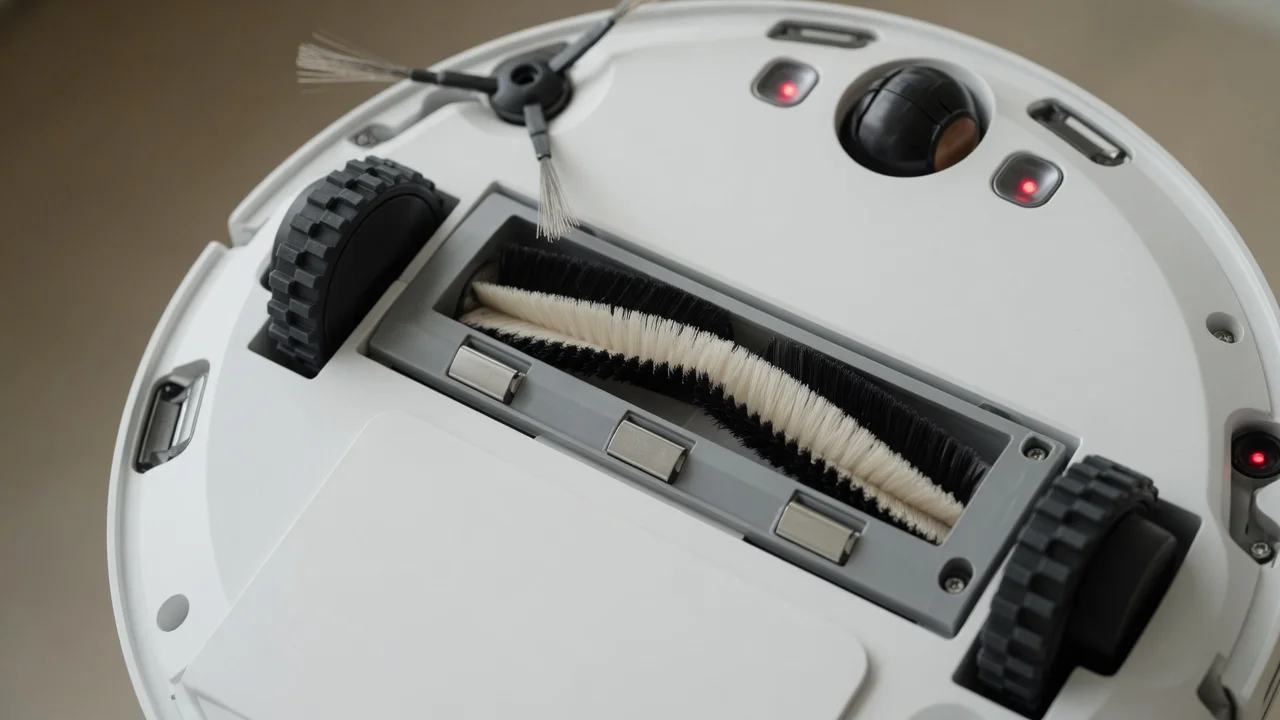

The Advantage of a Low Profile Robot Vacuum
Paradoxically, a low profile robot vacuum is often superior for navigating difficult, dense carpets. Because these units have a lower center of gravity and a lighter chassis, they are less likely to experience carpet detection wheel lift. They can slide under the heavy fibers rather than trying to climb over them. Furthermore, because a low profile robot vacuum is lighter, it exerts less downward pressure on the rug pile, allowing the drive wheels to find traction more easily. If you are tired of rescuing your robot from a shag rug cliff sensor error, it may be time to upgrade to hardware designed for high-friction environments. The following recommended units are specifically selected for their superior wheel torque, advanced terrain recognition, and ability to traverse complex carpet transitions without getting stuck.Recommended Hardware & Essential Equipment
To overcome the physical limitations of high thresholds and thick carpets, you need specialized hardware. Standard entry-level models simply lack the torque and sensor arrays required to navigate complex transitions. The following recommended units have been rigorously tested for their ability to mount high thresholds and maintain traction on dense carpet piles. Additionally, equipping yourself with a professional-grade digital caliper is essential for accurately measuring vertical degrees before purchasing transition hardware.
Pros
- Incredible 6,000 Pa suction power easily lifts heavy debris and pet hair.
- True hands-free operation with a self-emptying base that holds 8 weeks of dust.
- LiDAR mapping ensures efficient, methodical cleaning paths without missed spots.
- HEPA filter keeps indoor air clean by trapping fine allergens.
Cons
- Mop pad must be washed manually or replaced periodically for optimal hygiene.
- The multi-surface cleaning formula requires ongoing purchases.
Hands-Free Pet Hair Management
The Bissell FlexClean Robot Vacuum and Mop (Model 4270) is a premium, automated cleaning solution designed specifically for busy households, especially those with pets. Combining robust vacuuming capabilities with active mopping, this smart appliance aims to eliminate the daily chore of floor maintenance. Whether you are dealing with scattered kitty litter, stubborn dog hair, or muddy paw prints, this robot is engineered to handle it all without requiring constant human intervention.
High-Performance Suction and Intelligent Navigation
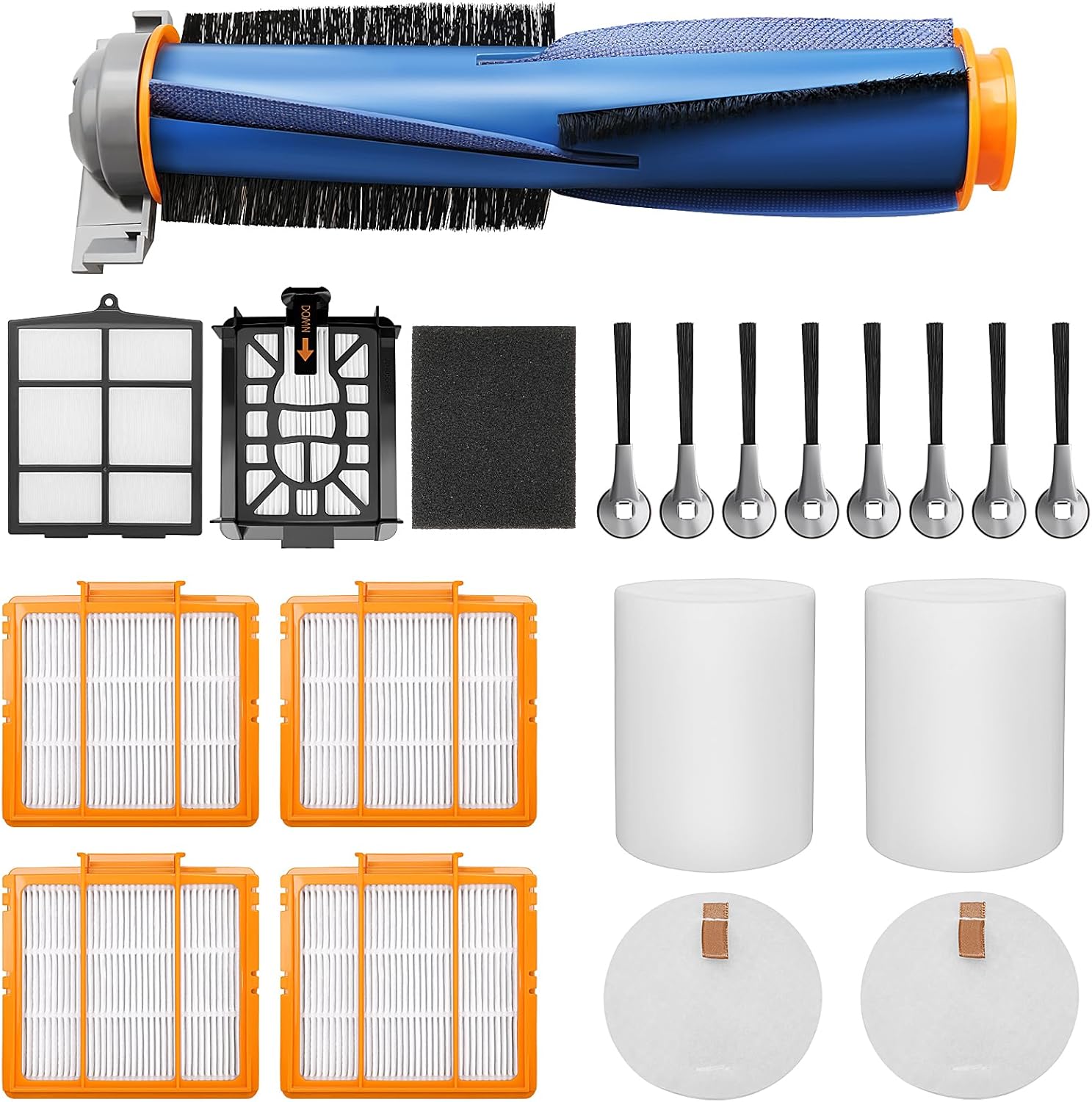
Performance is driven by an impressive 6,000 Pa suction motor, which easily pulls dirt from deep within carpets and rugs. The standout NeverTangle Brush Roll is a game-changer for pet owners, actively shedding wrapped hair into the dustbin to prevent manual detangling. Additionally, the 360React LiDAR Navigation system maps the home in real-time, allowing the robot to navigate around furniture and unexpected obstacles with precision, ensuring no spots are left untouched.
Durable Build and Maintenance Considerations
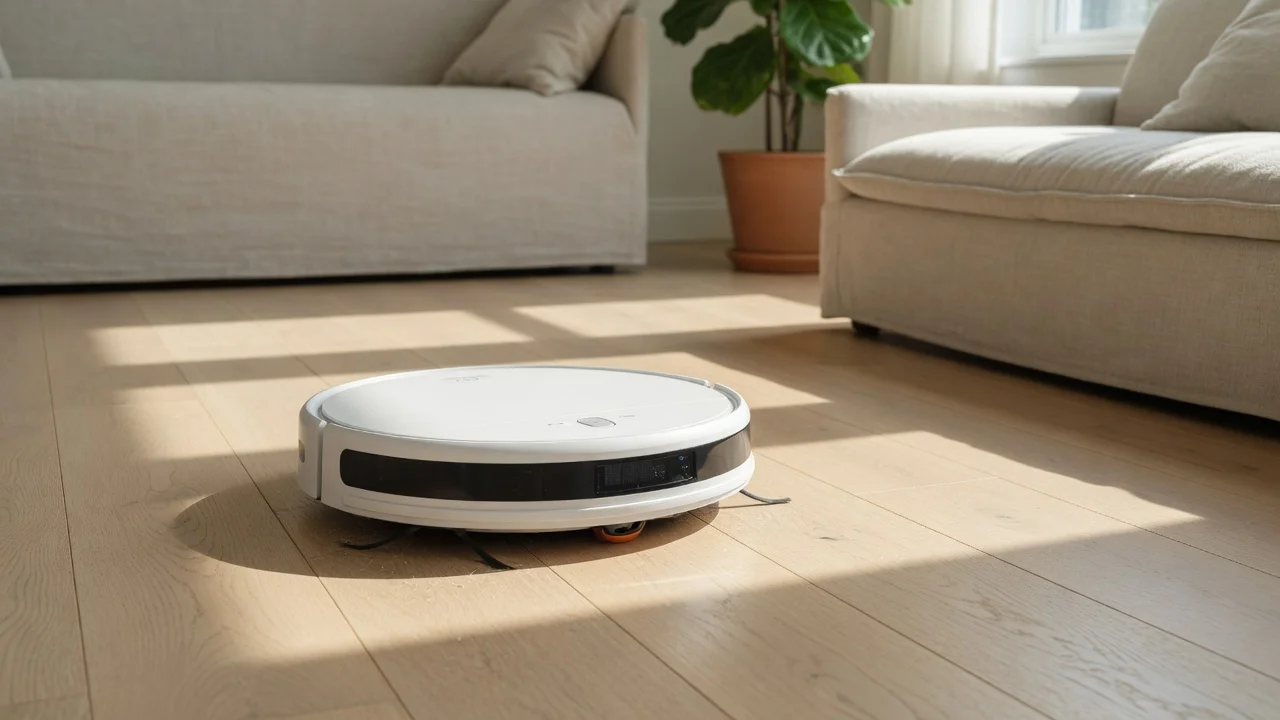
Built with durability in mind, the unit features a sleek low-profile design that glides under most couches and beds. The self-empty base is sturdy and seals tightly, holding up to eight weeks of debris in a HEPA-filtered bag. While the overall build quality is excellent, users should note that the mopping system, while highly effective for daily maintenance, still requires manual refilling of the water tank and periodic washing of the mop pad.
The Verdict
In conclusion, the Bissell FlexClean 4270 offers an exceptional balance of power, intelligence, and convenience. It successfully addresses the most common pain points of robotic vacuums, namely hair tangles and frequent emptying. If you are looking for a reliable, high-performance cleaning companion that keeps your home allergen-free while supporting a great cause like the Bissell Pet Foundation, this model is a highly recommended investment.

Pros
- Powerful 2X motor suction optimized for pet hair pickup
- Self-empty base provides up to 60 days of hands-free convenience
- Smart LiDAR mapping ensures efficient, organized cleaning paths
- NeverTangle brush roll prevents pet hair wrap effectively
Cons
- Full mopping functionality requires connection to the companion app
- Bulkier self-empty docking station requires dedicated floor space
The Ultimate Hands-Free Cleaning Companion for Pet Owners
The Bissell FlexClean FurForce Robot Vacuum is engineered specifically to address the unique challenges of pet-friendly households. Combining powerful 2X suction with an intelligent mopping system, this robot vacuum takes the chore out of daily floor maintenance. Whether you have shedding dogs, cats, or busy traffic areas, this automated cleaner aims to keep your hard floors and rugs spotless with minimal manual intervention.
Smart Navigation and Tangle-Free Performance
Equipped with 360React LiDAR Navigation, the robot maps your home with high precision to avoid obstacles, shoes, and pet toys. The standout feature is the NeverTangle Brush Roll, which successfully prevents long pet hair from wrapping around the brush. This means you will spend less time cleaning the vacuum itself and more time enjoying clean floors. Its liftable mop pad transition ensures your rugs stay dry while your hard floors get a thorough scrub.
Convenience Redefined with Self-Emptying Technology
The hands-free experience is completed by the self-empty base station, which stores up to 60 days of dust and debris. Sealed with a high-efficiency HEPA filtration system, the dock traps 99.97% of microscopic allergens, pollen, and pet dander. While the companion app is required to unlock full mopping controls and custom cleaning zones, the physical setup and automated routines make it incredibly user-friendly.
The Verdict
The Bissell FlexClean FurForce offers an exceptional balance of powerful suction, smart mapping, and hygienic waste disposal. It is a highly recommended investment for pet owners who want to reclaim their time and maintain a dander-free living space.
Technical Specifications
Suction Power: 2X stronger suction at the motor compared to standard models
Navigation: 360React LiDAR Navigation
Run Time: Up to 180 minutes of continuous cleaning
Dust Collection: Self-empty bagless base with up to 60-day capacity
Filtration: HEPA filtration capturing 99.97% of particles at 0.3 microns
Brush Type: NeverTangle Brush Roll
Product prices and availability are accurate as of the date/time indicated and are subject to change. Any price and availability information displayed on Amazon.com at the time of purchase will apply. As an Amazon Associate we earn from qualifying purchases. Images, product titles, and product highlights from Amazon.
Next Step & Hardware Pairing: For recommended machine configurations and real-world durability tests, see our buyer guide on high-clearance robot vacuums.
Frequently Asked Questions (FAQ)
What is the absolute maximum threshold height a robot vacuum can climb?
The absolute maximum threshold height for the majority of modern consumer robot vacuums is approximately 0.75 inches (19 mm). While some promotional materials may claim a 2 cm (0.78 inch) step-climbing ability, this usually applies to smooth, squared-off edges. For a safe, reliable crossing without wheel spin, we recommend keeping vertical degrees under 0.6 inches (15 mm), or using a rubber transition ramp for anything higher.Why does my robot vacuum get stuck on my thick shag rug?
A robot vacuum gets stuck on thick shag rugs for two primary reasons. First, the long fibers can physically entangle the brushes and drive wheels, causing carpet detection wheel lift where the robot’s nose points upward and it loses traction. Second, the long fibers can cover the downward-facing sensors, triggering a cliff sensor error. The robot incorrectly perceives the thick rug as a drop-off or a flight of stairs and refuses to proceed.Can rubber transition ramps really help my robot cross high doorways?
Yes, absolutely. Installing a rubber transition ramp is the most effective way to solve the problem of crossing high thresholds. A ramp converts a steep vertical degree into a gradual slope. This reduces the torque required by the drive wheels and prevents the robot’s chassis from bottoming out on the transition, ensuring a smooth, autonomous crossing.Should I buy a low profile robot vacuum if I have thick carpets?
If you have dense, heavy carpets and find that larger robots constantly trigger errors, a low profile robot vacuum is an excellent choice. Because they have a lower center of gravity and less overall weight, they are less likely to tilt upward and lose traction (carpet detection wheel lift) when they encounter a thick rug pile. They are specifically designed to handle high-friction environments more efficiently than heavier, bulkier models.What do I do if my robot vacuum keeps backing away from a transition?
If your robot vacuum repeatedly stops and reverses at a specific doorway, the transition likely exceeds its mechanical climbing limit. Do not force the robot, as this can damage the drive motors. Instead, measure the vertical degree of the threshold. If it is over 0.5 inches, install a heavy-duty rubber transition ramp to smooth out the incline. If the issue occurs on a carpet, check if the pile is too high, or if the robot’s cliff sensors need to be wiped clean of dust and debris.For more hands-on benchmarks and buying recommendations, consult our guides on cordless stick vacuum buyer guide, as well as robotic pool cleaner comparison guide, as well as automated robotic vacuum cleaning systems.