For homeowners searching for traditional gas reliability like the Stihl brand, handheld gas models deliver cord-free clearing power, though they require routine two-cycle fuel mixing and periodic engine maintenance.

Pros
- Lightweight 4 lb build minimizes arm fatigue
- Delivers up to 390 CFM airflow and 210 MPH speed
- Continuous corded power eliminates recharging pauses
- Two-speed switch toggles between light and full force
- Nested two-piece tube design for full assembly
Cons
- Requires an extension cord and nearby wall outlet
- Tubes ship nested and must be pulled apart before use

Pros
- Lightweight 9.4-pound design offers easy handheld maneuvering
- Reduced-resistance recoil system eases engine pull starts
- Translucent fuel tank allows quick monitoring of gas levels
- Cushioned anti-vibration handle helps dampen arm strain
- Capable of up to 380 CFM and 180 MPH airflow
Cons
- Requires mixing 2-cycle gas and oil at a 50:1 ratio
- Modest 380 CFM output is best suited for lighter debris

Pros
- Delivers up to 550 CFM and 230 MPH for moving wet yard debris
- Lightweight 17-pound backpack design with cushioned straps
- Thumb throttle includes cruise control for steady blowing
- 33.8 fl oz fuel tank yields up to 45 minutes of run time
- Operating temperature range spans 14°F to 104°F
Cons
- Requires 2-cycle fuel mixing and engine maintenance
- 550 CFM is modest for a backpack-class gas blower

Pros
- Delivers up to 615 CFM and 170 MPH in turbo mode
- Variable speed dial with lock-on button from 200–480 CFM
- High-efficiency brushless motor reduces operating vibration
- Includes 56V 2.5Ah battery and standard 50-minute charger
- Fully compatible with all EGO 56V ARC Lithium batteries
Cons
- Turbo mode rapidly reduces the available battery runtime
- Weighs 7.5 pounds, which may feel heavy with larger batteries

Pros
- Delivers up to 972 CFM and 236 MPH air output
- 66-cc 4-HP X-Torq 2-cycle engine
- Load-reducing backpack harness with wide shoulder straps
- Air purge system and cruise control for easier operation
Cons
- Heavier build weighs 24.5 pounds
- Requires 2-cycle gas and oil fuel mixing

Pros
- Lightweight design at only 4.4 pounds
- 7-Amp motor rated up to 180 MPH and 180 CFM
- Built-in cord retention prevents unplugging
- Zero emissions with instant push-button start
- Simple, low-maintenance corded design
Cons
- Extension cord is not included
- Operating range is limited by cord reach

Pros
- Compact handheld blower configuration
- Signature Stihl construction for yard care
- Bright orange design for high yard visibility
Cons
- Manufacturer airflow ratings are not specified
- Bare details provided on included accessories
Pros
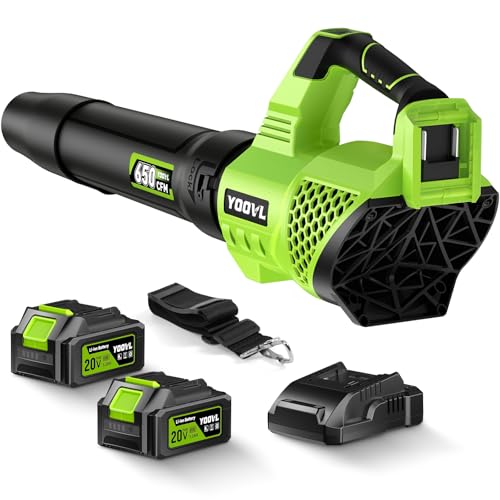
- Airflow rated up to 650 CFM using advanced turbo technology
- Comes with two high-capacity 20V 5.2Ah batteries and fast charger
- Three selectable speed modes for delicate to heavy-duty jobs
- Includes an adjustable shoulder strap to reduce arm fatigue
- Includes blower tube and extension nozzle attachments
Cons
- Maximum 150-minute runtime applies only to low-speed mode
- Heavier battery packs may add weight during prolonged handheld use

Pros
- Delivers up to 230 MPH airspeed and 920 CFM air volume
- Powered by a 63.3 cc, 3.7 HP 2-stroke gas engine
- Large 65 oz (1.9L) fuel tank reduces frequent refills
- Padded shoulder harness and back support enhance user comfort
- Weighs 19.5 pounds for manageable backpack handling
Cons
- Requires 2-stroke gas-and-oil fuel mixing
- Heavier and louder than comparable cordless electric alternatives

Pros
- Claims up to 1,110 CFM airflow and 220 MPH air speed
- Generous 1.89-liter fuel tank allows 50 to 60 minutes of runtime
- Padded harness and shock-absorption system reduce vibration
- Cruise control locks throttle for continuous operation
- Includes earmuffs, maintenance tools, and fuel mixing bottle
Cons
- Heavy 26.46-pound total weight can fatigue operators
- Requires mixing 2-cycle gas and oil fuel
Stihl BG50 and Handheld Gas Alternatives for Yard Cleanup
Buyers looking specifically for “still leaf blowers” are typically seeking the renowned durability of Stihl gas tools or compact handheld alternatives capable of clearing driveways and turf without battery limits.
The Stihl BG50 Lightweight Blower represents the classic handheld gas standard for quick residential cleanups. While the manufacturer’s listing details for the BG50 are minimal regarding verified airflow ratings in this dataset, it carries Stihl’s signature gas-engine form factor at an accessible entry price point. The trade-off is the need to store mixed gasoline and perform regular small-engine upkeep like spark plug and carburetor care.
For buyers wanting explicit performance numbers on a modest budget, the Getell 26cc Gas Leaf Blower offers an advertised 380 CFM airflow and 180 MPH air speed. It incorporates a 50:1 fuel-mix requirement, a translucent fuel tank for visual level checks, and an advertised reduced-resistance recoil starter designed to cut pull resistance. While providing documented airspeed at a lower cost than name-brand commercial units, smaller 26cc engines may struggle against heavy, waterlogged leaf blankets compared to higher-displacement backpack blowers.
High-Output Backpack Blowers for Demanding Debris
Backpack blowers shift heavy engine weight from your arms to your shoulders, making them the superior choice for large properties and stubborn wet debris.
The Husqvarna 570BTS Backpack Leaf Blower delivers commercial-grade clearing output powered by a 66cc, 4-HP X-Torq engine, producing an advertised 972 CFM and 236 MPH. Designed with vibration-damping technology and a load-reducing harness, it handles tough landscaping tasks effortlessly. However, with a premium price tag above $500, it represents a substantial investment tailored primarily for large acreage or commercial use.
Homeowners needing heavy clearing power without the commercial price tag can look toward the Schröder Backpack Leaf Blower or the Thalorus 52cc Gas Backpack Leaf Blower. The Schröder SR-6400L features a 63.3cc engine pushing an advertised 920 CFM and 230 MPH at 19.5 pounds, while the Thalorus provides an advertised 550 CFM and 230 MPH with a 17-pound chassis and cruise-control throttle. The trade-off with these high-output gas units remains their bulky footprint and louder exhaust sound compared to electric options.
Battery Cordless Versus Gas Engine Maintenance
Cordless electric blowers eliminate oil mixing, cold starts, and exhaust fumes entirely, trading infinite gas refills for limited battery runtimes.
The EGO POWER+ Cordless Electric Leaf Blower provides up to an advertised 615 CFM and 170 MPH using an included 56V 2.5Ah battery. With variable-speed control and a dedicated turbo mode, it matches the clearing strength of many mid-range gas blowers for typical lawn maintenance. EGO advertises up to 75 minutes of runtime on low settings, but running constantly in high or turbo modes significantly depletes the pack faster, requiring planned recharging stops.
Similarly, the Leaf Blower Cordless from YOOVL offers dual 20V 5.2Ah batteries and an advertised 650 CFM maximum output across three speed modes. While dual-battery systems provide a backup pack while one charges, battery-powered platforms generally have a higher upfront cost per unit of continuous runtime than gas-powered equipment.
Budget Corded Blowers for Small Yards and Patios
Corded electric models are the most cost-effective, lightweight clearing tools available, provided your work area stays within reach of an extension cord.
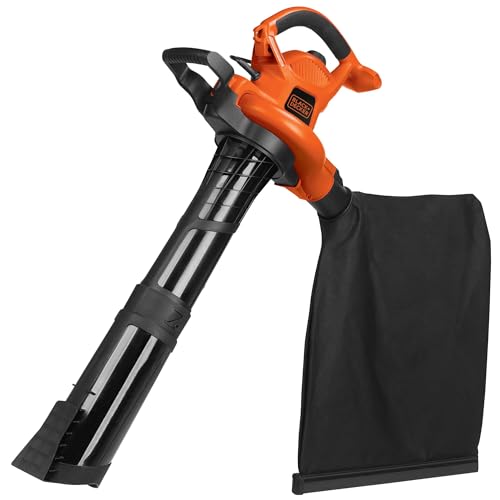
The Grasstigon Electric Leaf Blower Corded weighs just 4 pounds while drawing from a 7-amp motor to produce an advertised 390 CFM and 210 MPH. It features two speed settings for delicate garden beds or open hard surfaces. At an ultra-low price point, it provides unlimited runtime with zero battery degradation or gasoline handling. The primary drawback is operational range, as you are tethered to an outlet and must navigate around trees and fences.
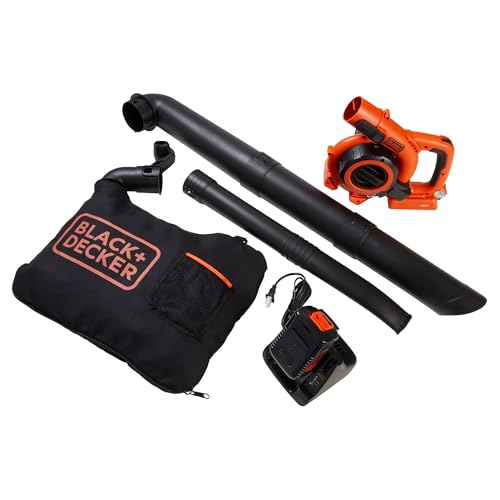
The BLACK+DECKER Electric Leaf Blower (LB700) is another 7-amp corded option, weighing 4.4 pounds with an advertised 180 MPH and 180 CFM. While reliable for porches and light sidewalk debris, its lower CFM rating means it moves significantly less volume than the Grasstigon or cordless battery models.
Key Purchase Factors: CFM, Airspeed, and Handling Weight
Selecting the right leaf blower requires balancing volume, velocity, and ergonomic strain against the layout of your property.
- Airflow (CFM) vs. Speed (MPH): CFM (cubic feet per minute) measures the volume of air, which determines how wide a swath of leaves you can move at once. MPH (miles per hour) measures how fast the air exits the nozzle, which determines the power needed to dislodge wet, matted debris.
- Physical Weight and Harnessing: Handheld blowers like the 4-pound Grasstigon or lightweight gas units are easy to maneuver on steps and patios. For larger yards, 17- to 20-pound backpack units spread the load across your torso, preventing forearm fatigue.
- Power Source Convenience: Gas equipment offers continuous operation with quick refueling, but requires maintaining a 50:1 two-cycle fuel mix. Battery equipment offers push-button starting and low noise, but requires managing recharge cycles. For advice on sourcing lawn equipment, explore our guide on where to buy a leaf blower.
Frequently Asked Questions About Leaf Blowers
What is the difference between CFM and MPH on a leaf blower?
CFM (cubic feet per minute) measures the total volume of air pushed through the tube, which dictates how large of a pile you can move. MPH (miles per hour) measures the velocity of that air, which determines the force available to lift stubborn, wet leaves stuck to the ground.
What fuel mixture do two-cycle gas leaf blowers require?
Most handheld and backpack two-cycle gas blowers, including models like the Getell 26cc, require a precise 50:1 ratio of unleaded gasoline to two-cycle engine oil. Always consult the specific manufacturer manual before fueling to avoid engine damage.
Which Leaf Blower Best Fits Your Property?
The right blower depends directly on your yard dimensions, storage space, and willingness to perform small-engine maintenance.
For buyers searching for authentic handheld gas equipment, the Stihl BG50 Lightweight Blower offers classic two-cycle performance from a legacy outdoor power brand. Its primary limitation is the ongoing maintenance inherent to two-stroke engines and minimal published specifications in budget retail listings. If you prefer zero engine maintenance and rapid push-button operation, the EGO POWER+ Cordless Electric Leaf Blower serves as an outstanding alternative, delivering up to an advertised 615 CFM without gas, fumes, or pull cords.