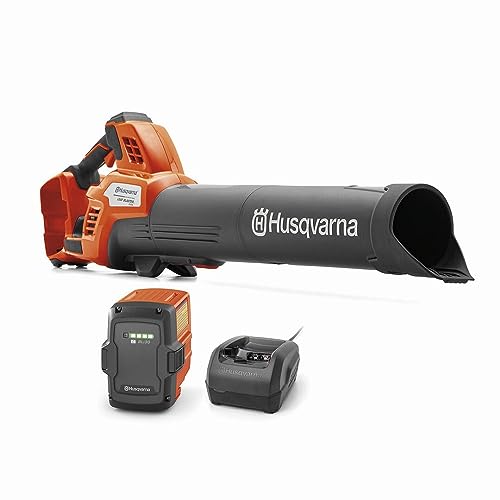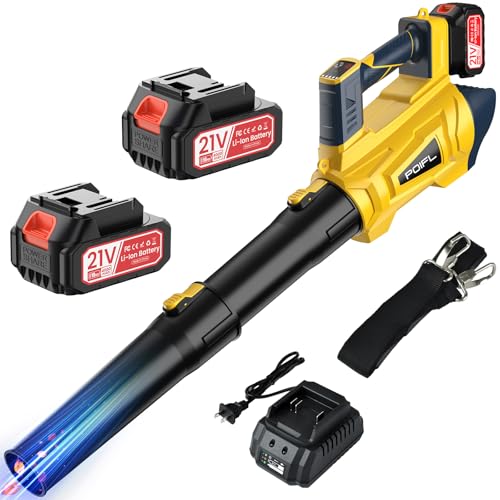
For homeowners managing expansive lawns who need continuous runtime without waiting on battery recharges, the Husqvarna 125BVx Gas Leaf Blower offers proven 28-cc mulching performance, though it requires ongoing 2-stroke fuel mixing and manual pull starts.

Pros
- 2-stroke engine rated at 0.7kW output
- Delivers up to 424 CFM airflow
- Includes blowing, vacuuming, and mulching modes
- Supplied with straight and curved blow pipes
- Comes with a 30L leaf collection bag
Cons
- Requires 2-stroke gas and oil fuel mixing
- Gas engine demands regular maintenance
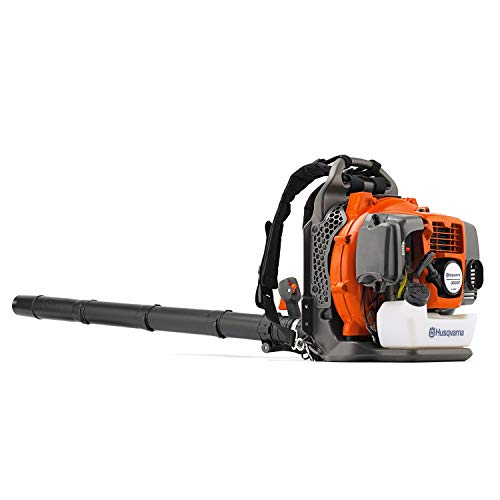
Pros
- 50.2-cc 2.1-HP X-Torq engine
- Rated blowing force of 692 CFM and 180 MPH
- LowVib technology dampens machine vibrations
- Air purge primer simplifies engine starts
- Ergonomic harness with offset control handle
Cons
- Weighs 22 pounds before fuel is added
- Requires ongoing two-stroke fuel mixing

Pros
- Tool-free conversion between blower, vacuum, and mulcher
- Generates up to a manufacturer-rated 650 CFM and 200 MPH
- 15:1 mulching ratio with a clear-window 40L collection bag
- Includes two rechargeable batteries and a dual-slot charger
- Brushless motor features three speed settings with turbo boost
Cons
- Frequent turbo and high-speed usage reduces battery runtime

Pros
- Delivers up to 972 CFM and 236 MPH air output
- 66-cc 4-HP X-Torq 2-cycle engine
- Load-reducing backpack harness with wide shoulder straps
- Air purge system and cruise control for easier operation
Cons
- Heavier build weighs 24.5 pounds
- Requires 2-cycle gas and oil fuel mixing

Pros
- 3-in-1 functionality for blowing, vacuuming, and mulching
- Delivers up to 180 MPH air speed and 450 CFM airflow
- Lightweight 9.9 lb handheld design
- Includes 5-piece tube set and shoulder strap
- Primer-assisted recoil start with CDI ignition
Cons
- Requires 25:1 gas-and-oil fuel mixing
- 0.5L fuel tank requires regular refilling

Pros
- 28-cc 2-cycle engine rated at 470 CFM and 170 MPH
- Includes vac kit with mulching knives and bag
- Cruise control feature simplifies extended use
- Auto-return stop switch automatically resets to on
Cons
- Weighs 9.6 pounds before fuel and collected debris
- Requires 2-cycle gas and oil fuel mixing

Pros
- 25.4cc 2-stroke gas engine
- Delivers up to 165 mph and 391 cfm
- Includes powerhead, pipes, and collection bag
- Variable speed throttle control
- Rated for relatively quiet 70 dBA operation
Cons
- Requires manual 2-stroke fuel mixing
- Weighs 11 pounds before fuel addition

Pros
- Instant switch between blow and vacuum modes
- High 18:1 mulch ratio maximizes bag capacity
- Rated up to 350 CFM and 210 MPH air output
- Variable-speed control for different debris types
- Includes 42L debris collection bag
Cons
- Corded design limits overall yard reach
- Weighs 9.3 pounds before debris accumulates
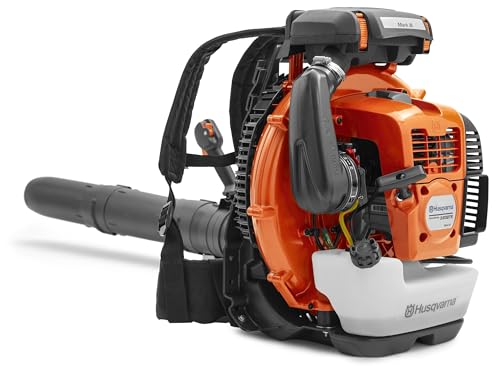
Pros
- Strong rated output of 1000 CFM, 220 MPH, and 47 N blow force
- Ventilated ergonomic harness with load-distributing hip belt
- Two-stage intake air filtration protects engine in dusty jobs
- Intuitive tube-mounted throttle control
Cons
- Substantial 34-pound weight can lead to operator fatigue
- Requires ongoing 2-cycle fuel mixing and maintenance

Pros
- Cordless 2-cycle gas engine for unrestricted range
- 3-in-1 functionality blows, vacuums, and mulches
- High 18:1 mulch reduction ratio compacts yard waste
- Includes large 12-gallon debris collection bag
- Rated for up to 180 MPH and 432 CFM output
Cons
- Heavy 16-pound dry weight
- Requires mixing 2-cycle gas and oil fuel
Mulching Impellers and Reduction Ratios: Why Blade Design Dictates Bag Capacity
A gas mulcher’s utility depends heavily on its internal shredding mechanism and stated reduction ratio, which determines how often you have to stop and empty the collection bag. The NEO-TEC 3‑in‑1 25.4cc 2‑Cycle Gas Leaf Blower Vacuum advertises an 18:1 mulch reduction ratio paired with a 12-gallon collection bag, meaning up to 18 bags of loose dry leaves compress into a single emptied sack. Similarly, the Husqvarna 125BVx integrates dedicated mulching knives engineered directly into its vacuum kit to chop organic material down before it hits the collection pouch.
The trade-off with tight reduction ratios lies in internal clogging and maintenance. Sucking up wet leaves, thick twigs, or heavy garden mulch can strain 2-stroke engines like the 26-cc DTNESS or the 25.4-cc Echo ES-250 Shred N Vac. While dry deciduous leaves pulverize easily into nutrient-rich compost, foreign objects such as gravel or dense pinecones risk damaging internal blades, requiring users to manually dismantle the suction tube to clear blockages.
Engine Displacement and Airflow: Balancing CFM Against Handheld Fatigue
Airflow volume (CFM) and air velocity (MPH) determine how fast you can herd leaves into piles before switching to mulching mode. The Husqvarna 125BVx produces an advertised 470 CFM and 170 MPH from its 28-cc engine, whereas the DTNESS 26cc Gas Leaf Blower Vacuum generates 450 CFM at 180 MPH from a 0.75-kW engine. In contrast, the Echo ES-250 delivers a more modest 391 CFM at 165 MPH from its 25.4-cc platform, operating at an advertised 70 dBA sound level.
Higher displacement and larger air channels increase clearing efficiency, but they also increase physical fatigue. Because all genuine gas mulchers in this category are handheld units rather than backpack designs, holding the tool as its collection bag fills creates substantial arm and shoulder strain. For instance, the DTNESS tool weighs 9.9 pounds empty; once its bag fills with shredded yard debris, the operating weight increases noticeably, making included shoulder straps essential for anything beyond light driveway touch-ups.
Dedicated Gas Mulchers vs. Backpack Blowers: Understanding the Trade-Offs
Buyers exploring leaf management tools often wonder whether a heavy-duty commercial backpack blower can replace a blower mulcher, but backpack units lack vacuum and shredding capabilities entirely. Models like the Husqvarna 350BT (692 CFM, 50.2-cc) and Husqvarna 570BTS (972 CFM, 66-cc) or the commercial-grade Husqvarna 580BTS (1000 CFM, 75.6-cc) deliver massive blowing force, yet none of them feature a vacuum tube, cutting impeller, or debris bag.
If your primary objective is gathering several acres of deep foliage into the woods, a backpack blower’s superior blowing performance and ergonomic harness far outclass a handheld unit. However, if your municipal waste rules demand bagged debris, or if you want free compost for garden beds, backpack blowers leave you raking and bagging by hand. Handheld 3-in-1 gas tools trade away raw blowing power in exchange for the versatility of vacuuming and shredding.
Gas Yard Shredders vs. Electric Alternatives: When Engine Maintenance Pays Off
Choosing gas over cordless or corded mulchers comes down to uninterrupted runtime and mobility at the expense of regular mechanical maintenance. A gas tool like the DTNESS 26cc model operates on a 25:1 fuel and 2-stroke oil mixture and features a 0.5-liter fuel tank, allowing you to work at the farthest property fence line indefinitely without cords or battery swaps. Conversely, electric options like the corded WORX Trivac (12 Amp, 18:1 mulch ratio) or the battery-powered K VOLTKORE 3-in-1 (650 CFM, 200 MPH) eliminate engine fumes, spark plugs, and pull cords entirely.
The compromise with electric units is logistical limitation. A corded model requires staying within extension cord reach of an electrical outlet, while cordless battery platforms are limited by charge cycles and battery life. If your property spans half an acre or more, gas tools provide untethered freedom, provided you are comfortable mixing fuel, checking air filters, and winterizing carburetors to prevent gumming.
Frequently Asked Questions About Gas Blower Mulchers
Can commercial backpack blowers also vacuum and mulch leaves?
No. Powerful backpack models such as the Husqvarna 350BT, 570BTS, and 580BTS are dedicated blowers designed strictly for moving heavy debris. They do not have vacuum intakes, internal shredding impellers, or collection bags. Mulching functionality requires a dedicated handheld 3-in-1 model like the Husqvarna 125BVx or Echo ES-250.
What fuel mixture is required for a 2-stroke gas blower mulcher?
Most 2-cycle handheld gas blower mulchers require pre-mixing unleaded gasoline with 2-stroke engine oil. For example, the DTNESS 26cc specifies a 25:1 fuel-to-oil ratio. Always check the exact ratio listed in your specific model's manual, as running straight gas will quickly ruin a 2-stroke engine.
Deciding on the Right Gas Blower Mulcher for Your Property
When selecting the best tool for your outdoor chores, consider your property layout, willingness to handle small-engine upkeep, and whether leaf disposal or leaf blowing is your top priority. If you need general guidance on where to source outdoor equipment, check our guide on where can I buy A leaf blower. For a broader overview of clearing options, see our analysis on what leaf blower is the best.
For most homeowners seeking a proven, brand-backed gas shredder, the Husqvarna 125BVx Gas Leaf Blower is the best overall choice thanks to its 28-cc engine, 470 CFM output, and dedicated mulching knives. Its primary drawback is the physical strain of handheld operation when the bag fills, alongside routine 2-stroke fuel upkeep. If you only have a smaller patio or close-in suburban yard and prefer to skip engine maintenance entirely, the corded WORX Trivac 3-in-1 provides an effortless 18:1 reduction ratio without gasoline or dead batteries.