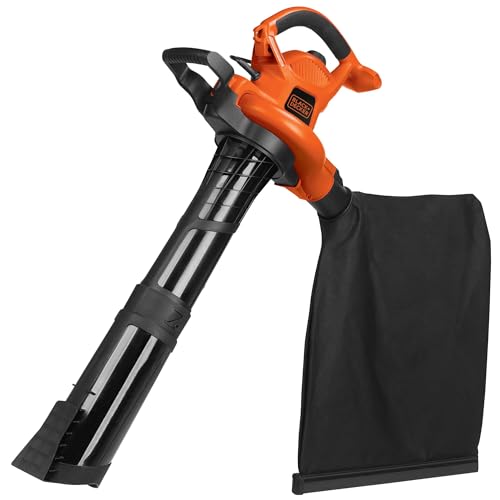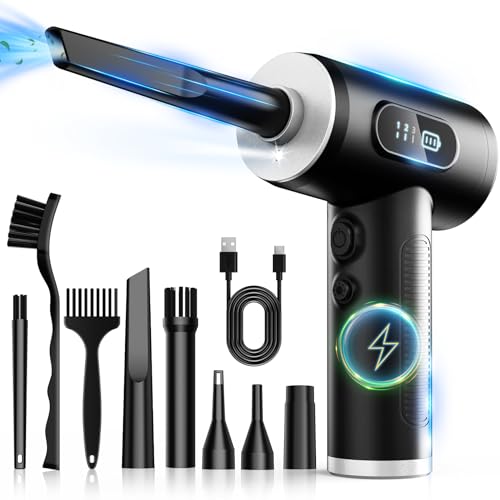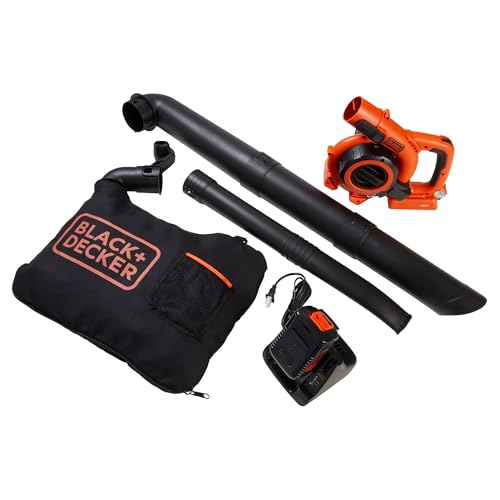
If you have a small patio near an electrical outlet, a corded blower provides continuous power without battery degradation, though your reach remains tethered to an extension cord. For clearing larger driveways or roaming across detached property lines, a dual-battery cordless unit offers unrestricted portability at the expense of finite operating time per charge.

Pros
- Lightweight 4 lb build minimizes arm fatigue
- Delivers up to 390 CFM airflow and 210 MPH speed
- Continuous corded power eliminates recharging pauses
- Two-speed switch toggles between light and full force
- Nested two-piece tube design for full assembly
Cons
- Requires an extension cord and nearby wall outlet
- Tubes ship nested and must be pulled apart before use

Pros
- Lightweight design at only 4.4 pounds
- 7-Amp motor rated up to 180 MPH and 180 CFM
- Built-in cord retention prevents unplugging
- Zero emissions with instant push-button start
- Simple, low-maintenance corded design
Cons
- Extension cord is not included
- Operating range is limited by cord reach
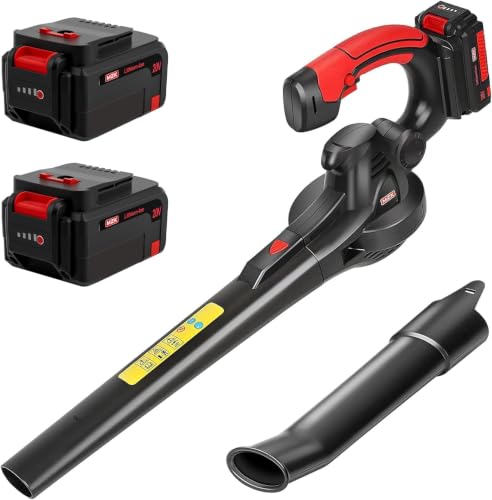
Pros
- Weighs only 3.9 pounds for light handling
- Rated airflow up to 450 CFM
- Cordless design allows unrestricted mobility
- Convenient one-hand trigger operation
- No gas mixing or cord management required
Cons
- Runtime varies significantly by power output
- Battery charging intervals required
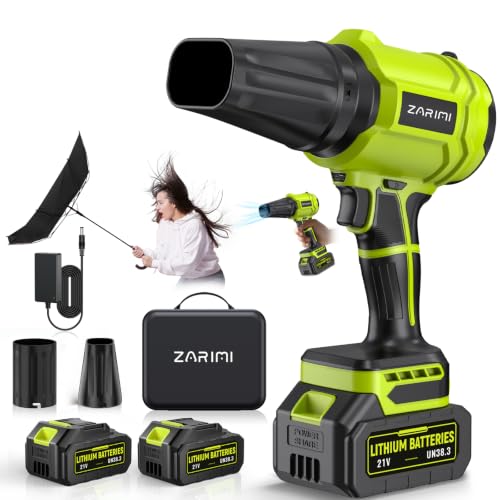
Pros
- Extremely lightweight at only 2.8 pounds for low-fatigue use
- Reaches stated air speeds over 50 m/s (110+ MPH)
- Comes with two batteries and charger for alternating use
- Includes a concentrated narrow nozzle for detailed edging
- Compact footprint stores easily in tight spaces or vehicle trunks
Cons
- Limited runtime of only about 13 minutes per battery
- Not designed for moving heavy or deep piles of wet leaves
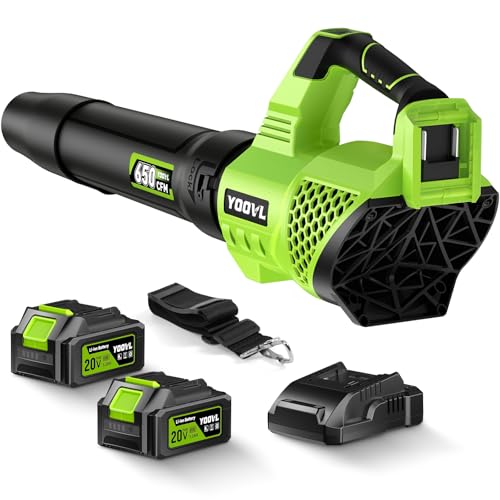
Pros
- Airflow rated up to 650 CFM using advanced turbo technology
- Comes with two high-capacity 20V 5.2Ah batteries and fast charger
- Three selectable speed modes for delicate to heavy-duty jobs
- Includes an adjustable shoulder strap to reduce arm fatigue
- Includes blower tube and extension nozzle attachments
Cons
- Maximum 150-minute runtime applies only to low-speed mode
- Heavier battery packs may add weight during prolonged handheld use

Pros
- Includes two 21V 4.0Ah batteries for extended runtime
- Delivers up to 420 CFM airflow and 150 MPH air speed
- Lightweight design weighs under 3 lbs bare tool for low fatigue
- Comes with both round and flat interchangeable nozzles
- Two adjustable speed settings for varying cleanup tasks
Cons
- Limited to two preset airflow speeds
- Best suited for dry leaves and light debris rather than heavy wet waste

Pros
- Brushless motor delivers rated airflow up to 650 CFM and 180 MPH
- Includes two 20V 4.0Ah batteries and a fast charger
- Six adjustable speed settings ranging from 80 to 180 MPH
- Comes with an ergonomic shoulder strap and two detachable nozzles
- Includes a storage bag to keep components organized
Cons
- Stated 30-minute runtime is restricted to low-speed operation
- High-speed settings will deplete battery charge more rapidly
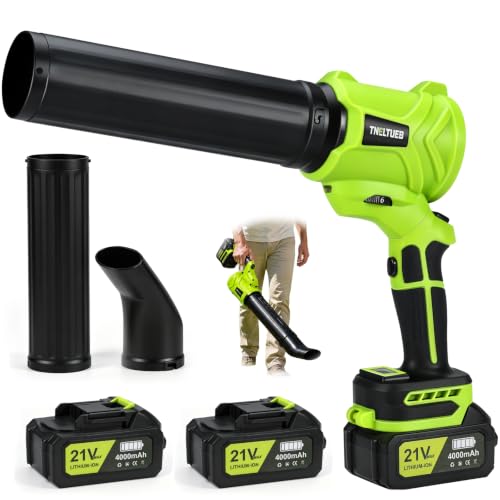
Pros
- Six selectable speed settings spanning 100 to 200 MPH
- 180-degree rotating handle facilitates versatile blowing angles
- Includes two 21V 4.0Ah rechargeable battery packs
- Comes equipped with two interchangeable nozzle attachments
- Ultralight 2-pound build allows easy one-handed maneuvering
Cons
- Battery runtime drops considerably when using higher speed modes
- Requires swapping batteries during large property cleanups
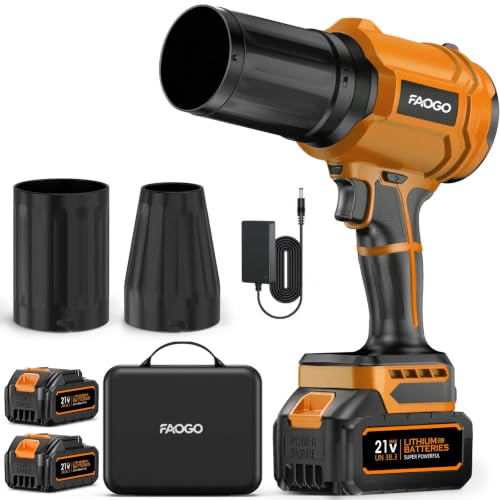
Pros
- Lightweight and compact design for comfortable one-handed use
- Includes two batteries and charger for uninterrupted swapping
- Comes with two extended interfaces for reach in tight spaces
- Storage bag included for convenient organization
Cons
- Total battery life is rated at roughly 26+ minutes across both packs

Pros
- Includes two 20V 2.0Ah batteries and a fast charger
- Extremely lightweight design at just 3.4 pounds
- Two selectable speed modes match light and heavier tasks
- Ergonomic non-slip grip allows comfortable one-handed use
- Comes with an extension nozzle for targeted airflow
Cons
- Runtime decreases significantly at the higher speed setting
- Best suited for light residential cleanup rather than dense debris
Corded vs. Cordless Power: Choosing Between Unlimited Runtime and Yard Mobility
Choosing between a corded electric model and a battery-powered blower comes down to the distance from your outdoor electrical outlets and how long your cleanup takes. Corded blowers like the Grasstigon Electric Leaf Blower Corded, 7-Amp and the BLACK+DECKER Electric Leaf Blower plug directly into standard household power. They provide continuous, fade-free motor output without concerns about depleted battery cells. However, their practical radius depends entirely on an outdoor extension cord, and maneuvering around landscaping obstacles or long fence lines can quickly become cumbersome.
In contrast, cordless models deliver total freedom of movement across large lawns, decks, and walkways. Options such as the MZK 20V Cordless Leaf Blower and the VIBOGEN Electric Leaf Blower Cordless eliminate cord tangles completely. The clear trade-off is runtime: battery-powered options require regular recharging, meaning your work session is strictly constrained by battery pack amp-hour ratings. For homeowners maintaining a driveway far from outdoor outlets, exploring a dedicated leaf blower for driveway setup highlights how cordless mobility simplifies expansive ground sweeping.
Airflow Volume Versus Airspeed: Evaluating CFM and MPH Ratings
CFM (cubic feet per minute) indicates the volume of air moved, whereas MPH measures the velocity of that air stream, and balancing both determines how effectively a tool shifts specific yard debris. High air velocity excels at dislodging wet leaves clinging to concrete, while higher volume sweeps wide swaths of loose debris across turf in fewer passes. Manufacturer specifications often highlight one metric over the other depending on nozzle design and motor tuning.
For example, the corded Grasstigon unit advertises 390 CFM alongside a high airspeed of 210 MPH from its 7-amp motor, offering balanced force for driveways and patios. The cordless YOOVL 650CFM Electric Leaf Blower advertises a substantial 650 CFM volume paired with three adjustable speeds to sweep broad piles quickly. When comparing equipment, it helps to understand that velocity breaks debris loose, while volume keeps large piles moving forward. Reviewing technical specifications on a blower para soplar hojas reveals how differing nozzle attachments alter focused airspeed versus broad sweeping efficiency.
Managing Battery Capacity and Swapping Dual Packs
Cordless blowers draw substantial power, making battery management and pack capacity critical when tackling yard maintenance without prolonged pauses. Single-battery tools require immediate downtime once the charge depletes, whereas kits supplied with dual batteries allow you to alternate between active blowing and charging.
The YOOVL kit includes two 20V 5.2Ah batteries, offering extended operating periods suited for medium to large yards. Other options like the laapee 650CFM cordless blower provide two 4.0Ah packs, while the RYAHT cordless blower includes two 2.0Ah batteries. Smaller 2.0Ah packs reduce hand-held weight significantly, but they deliver shorter runtime on higher speed settings compared to 4.0Ah or 5.2Ah alternatives. When shopping for a small rechargeable leaf blower, weighing battery pack capacity against total weight helps balance endurance with personal handling comfort.
Weight and Ergonomics for Single-Handed Yard Work
Tool weight and weight distribution determine how long you can comfortably operate a leaf blower before forearm and shoulder fatigue set in. Handheld units designed for residential use typically weigh under five pounds, making them accessible for one-handed operation across porches, patios, and outdoor steps.
The YUQUESEN Cordless Leaf Blower weighs an advertised 2.8 pounds, prioritizing low physical strain for quick cleanup jobs. Similarly, the VIBOGEN unit lists a bare-tool weight of 2.74 pounds. By comparison, heavier or higher-volume models often incorporate support accessories; the YOOVL and laapee blowers include adjustable shoulder straps to redistribute tool weight across your torso during prolonged yard sessions. If low-fatigue handling is your primary concern, checking models categorized under small blower cordless designs helps identify compact tools built for easy overhead or tight-corner work.
Frequently Asked Questions About Blower Para Hojas
Does a corded leaf blower include an extension cord?
Most corded models, such as the BLACK+DECKER LB700, do not include an outdoor extension cord. Buyers must provide their own grounded cord rated for the tool's amperage.
How do multi-speed settings help during yard cleanup?
Lower speed settings allow you to sweep dry leaves and dust gently from flower beds or garage corners without scattering mulch, while higher speeds provide maximum force for damp debris.
What is the benefit of a dual-battery cordless kit?
Dual-battery setups let you keep one battery charging while the other operates, or combine runtime across both packs so routine yard tasks can be finished without waiting for a recharge.
Finding the Right Blower Para Hojas for Your Yard
Matching the right leaf blower to your outdoor space requires weighing the convenience of unrestricted cordless movement against the constant power of corded electric tools. Yard size, available power outlets, and the physical weight you are comfortable carrying should guide your final selection.
For homeowners seeking a capable cordless package, the Leaf Blower Cordless, 650CFM Electric Leaf Blowers from YOOVL offers a generous dual 5.2Ah battery setup, multi-speed airflow control, and an included shoulder strap to assist with weight distribution. Its primary trade-off is the added bulk and longer recharge cycles inherent to high-capacity battery systems. For buyers working within reach of a patio outlet who prefer never worrying about battery degradation or charging, the Grasstigon Electric Leaf Blower Corded, 7-Amp provides continuous blowing force at a lower initial cost.