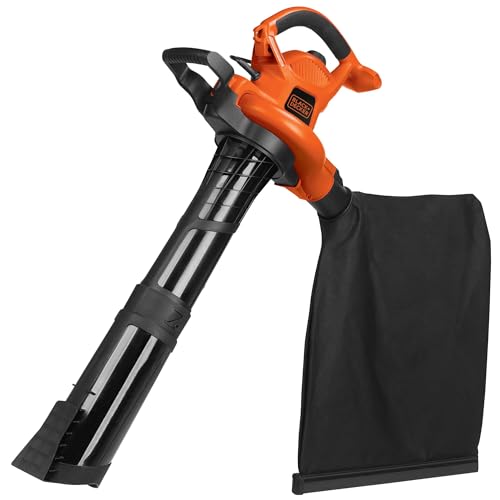
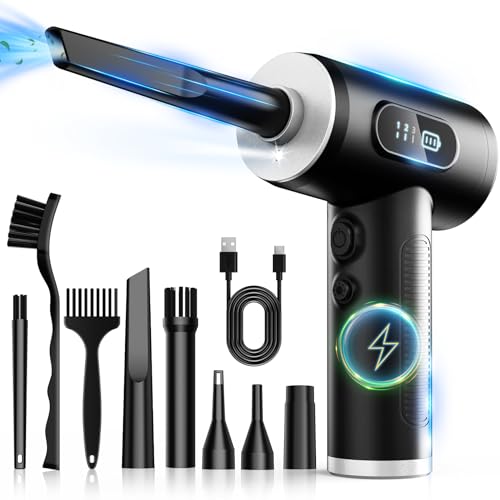
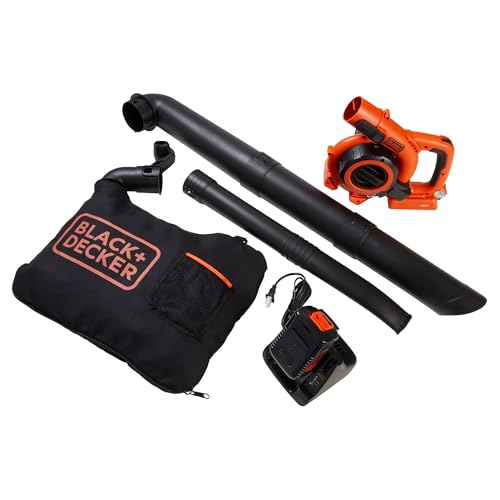
If you want lightweight maneuverability for quick cleanup, a compact handheld blower fits best, but gas backpack alternatives offer vastly superior clearing power for wet debris. Choosing between dedicated brand-name handhelds and heavy-duty backpacks requires trading effortless storage for raw volume.

Pros
- Delivers up to 550 CFM and 230 MPH for moving wet yard debris
- Lightweight 17-pound backpack design with cushioned straps
- Thumb throttle includes cruise control for steady blowing
- 33.8 fl oz fuel tank yields up to 45 minutes of run time
- Operating temperature range spans 14°F to 104°F
Cons
- Requires 2-cycle fuel mixing and engine maintenance
- 550 CFM is modest for a backpack-class gas blower

Pros
- Delivers up to 615 CFM and 170 MPH in turbo mode
- Variable speed dial with lock-on button from 200–480 CFM
- High-efficiency brushless motor reduces operating vibration
- Includes 56V 2.5Ah battery and standard 50-minute charger
- Fully compatible with all EGO 56V ARC Lithium batteries
Cons
- Turbo mode rapidly reduces the available battery runtime
- Weighs 7.5 pounds, which may feel heavy with larger batteries

Pros
- Includes two genuine Stihl AS2 batteries and an AL1 charger
- Delivers a rated 430 m³/h airflow using the round nozzle
- Ultra-lightweight 3.3-pound (1.5 kg) handheld construction
- Integrated LED light improves visibility in darker work spaces
Cons
- Battery runtime ranges from 0 to 25 minutes per charge
- Moderate airflow suited for light debris rather than heavy yard work

Pros
- Delivers up to 972 CFM and 236 MPH air output
- 66-cc 4-HP X-Torq 2-cycle engine
- Load-reducing backpack harness with wide shoulder straps
- Air purge system and cruise control for easier operation
Cons
- Heavier build weighs 24.5 pounds
- Requires 2-cycle gas and oil fuel mixing

Pros
- Compact handheld blower configuration
- Signature Stihl construction for yard care
- Bright orange design for high yard visibility
Cons
- Manufacturer airflow ratings are not specified
- Bare details provided on included accessories

Pros
- Delivers up to 230 MPH airspeed and 920 CFM air volume
- Powered by a 63.3 cc, 3.7 HP 2-stroke gas engine
- Large 65 oz (1.9L) fuel tank reduces frequent refills
- Padded shoulder harness and back support enhance user comfort
- Weighs 19.5 pounds for manageable backpack handling
Cons
- Requires 2-stroke gas-and-oil fuel mixing
- Heavier and louder than comparable cordless electric alternatives

Pros
- Claims up to 1,110 CFM airflow and 220 MPH air speed
- Generous 1.89-liter fuel tank allows 50 to 60 minutes of runtime
- Padded harness and shock-absorption system reduce vibration
- Cruise control locks throttle for continuous operation
- Includes earmuffs, maintenance tools, and fuel mixing bottle
Cons
- Heavy 26.46-pound total weight can fatigue operators
- Requires mixing 2-cycle gas and oil fuel

Pros
- 51cc 2-cycle engine produces up to 765 CFM and 270 MPH
- Padded harness and hip belt provide balanced load distribution
- Air purge system removes fuel line air for easier starting
- Variable speed throttle includes cruise control functionality
- Proven X-Torq engine technology maintains high clearing force
Cons
- Heavier 22-pound build can cause fatigue on extended jobs
- Requires routine 2-cycle gas and oil fuel maintenance

Pros
- Handheld design offers portable maneuverability
- Recognized Stihl BG 56 platform for property care
Cons
- Product specifications and airspeed ratings are not provided
- Gas engine requires fuel mixing and engine maintenance

Pros
- 28-cc engine delivers up to 470 CFM and 170 MPH
- Cruise control function enables comfortable sustained operation
- Air purge system removes air from carburetor for easier starting
- Auto-return stop switch automatically resets to the on position
- Adjustable soft-grip handle engineered to reduce strain
Cons
- Requires 2-cycle fuel and oil mixing
- Produces engine exhaust emissions and engine noise
Gas vs. Battery Power in Stihl and Handheld Blowers
Battery blowers eliminate fuel mixing and exhaust at the expense of continuous runtime, while gas blowers run indefinitely with refuels but demand scheduled engine upkeep.
Stihl offers both electric and gas configurations to address different maintenance needs. The cordless Stihl BGA 30 Cordless Electric Leaf Blower with 2 provides quiet operation and weighs an ultra-light 1.5 kg (about 3.3 pounds), but its advertised battery life tops out at 25 minutes per AS2 battery pack. For prolonged yard sweeping without waiting on a charger, traditional gas models burn two-stroke fuel mixes to deliver continuous power. Units like the Husqvarna 125B Gas Leaf Blower or the Stihl BG50 Lightweight Blower do not tether you to battery recharges, making them practical for extended tasks if you do not mind storing mixed fuel and pulling a starter cord. If your yard includes extensive paved surfaces, you can explore specialized tools in our guide to choosing a leaf blower for driveway cleaning. Meanwhile, battery alternatives such as the EGO POWER+ Cordless Electric Leaf Blower, 615 CFM offer up to an advertised 75 minutes of light-duty runtime on a 2.5Ah pack, though running turbo mode depletes charge significantly faster.
Stihl Handheld Blowers: Comparing BG50, BG56-D, and Cordless BGA 30
Selecting among Stihl blowers involves balancing cordless portability against classic gas performance, though official specifications for some entry-level gas listings remain sparse.
The Stihl BGA 30 Cordless Electric Leaf Blower with 2 is built around modern convenience, featuring a manufacturer-rated airflow of 430 m³/h (roughly 253 CFM) and an integrated LED work light for dark corners or seasonal dusk cleanups. It is targeted at light sweeping, porch clearing, and garage maintenance. In contrast, the brand’s traditional gas handhelds include the Stihl BG50 Lightweight Blower and the Stihl BG56-D hand held blower, white, orange. Because verified technical specifications for the BG50 and BG56-D listings provide limited factory metrics beyond their names and prices ($229.95 and $429.95, respectively), prospective buyers should note that the BG56-D sits at a premium gas price point, whereas the BG50 provides an entry-level gas alternative. Before buying, checking trusted vendors outlined in where can I buy A leaf blower ensures you obtain reliable support and authentic parts.
Backpack Blowers vs Handheld Blowers for Large Properties
Backpack blowers shift engine weight entirely to your shoulders and hips, enabling commercial-grade clearing force at the expense of higher overall weight and bulkier storage demands.
Handheld blowers like the Husqvarna 125B Gas Leaf Blower weigh very little and hang easily on a garage hook, but their 470 CFM output and 12.5 N blowing force can struggle against wet, heavy autumn leaves. Large yards demand greater sustained air volume. The Husqvarna 570BTS Backpack Leaf Blower features a 66-cc, 4-HP engine advertised at 972 CFM and 37 N blowing force, built specifically for heavy piles and demanding outdoor areas. Similarly, the Husqvarna 150BT Gas Backpack Leaf Blower supplies 765 CFM and 22 N of force from a 51-cc engine. For budget-conscious high output, the Schröder Backpack Leaf Blower – Backpack Blower delivers 920 CFM from a 63.3 cc engine with a generous 65 oz fuel tank, and the VEVOR 63CC Gas Backpack Leaf Blower claims up to 1110 CFM. While these backpacks relieve arm fatigue through padded harnesses and chest straps, they weigh roughly 17 to 20 pounds empty and occupy substantial shed space.
Airflow and Clearing Power: Understanding CFM and Airspeed
Airflow volume (CFM) determines how much ground debris a blower can sweep in a single pass, whereas air velocity (MPH) dictates its ability to lift wet, matted material off the ground.
A tool with high airspeed but low volume sweeps narrow corridors effectively, but it takes longer to clean wide lawns. For example, the Thalorus 52cc Gas Backpack Leaf Blower, 550 CFM produces an advertised 230 MPH to dislodge packed debris, though its 550 CFM rating sweeps less surface area per pass than larger professional blowers. In contrast, the EGO POWER+ Cordless Electric Leaf Blower, 615 CFM delivers up to 615 CFM and 170 MPH in turbo mode, moving wider leaf swathes quickly on open turf. Operating high-velocity gas engines also generates significant acoustic output, so understanding the sound of leaf blower machinery is essential if you live in a residential neighborhood with strict noise guidelines.
Frequently Asked Questions About Leaf Blowers
Is a cordless battery blower or a gas blower better for suburban homes?
Battery models like the EGO POWER+ 615 CFM or Stihl BGA 30 eliminate fuel storage, exhaust, and pull starts, making them ideal for quick suburban driveway and patio sweeps. However, gas models allow unlimited runtime through fast refuels, which is essential when clearing large yards or heavy, saturated leaf beds.
Why choose a backpack blower over a handheld gas model?
Backpack leaf blowers feature larger displacement engines that deliver significantly higher CFM and blowing force, often exceeding 750 CFM. Their padded harnesses distribute the 17 to 20-pound machine weight across your back and hips, reducing arm fatigue during multi-hour property cleanups.
Choosing the Right Leaf Blower for Your Yard
Match your blower choice directly to your property size, physical comfort preferences, and how frequently you tackle damp, compacted leaf piles.
For modest residential lawns, paved walkways, and light seasonal tidying, a cordless compact blower minimizes starting friction and storage hassle. The Stihl BGA 30 Cordless Electric Leaf Blower with 2 serves homeowners seeking lightweight simplicity and brand reliability, weighing just 1.5 kg with quiet electric operation, though its modest 430 m³/h airflow and 25-minute maximum battery life make it unsuitable for large acreage. If your property demands commercial-grade clearing capability for wet, heavy debris across expansive lawns, the Husqvarna 570BTS Backpack Leaf Blower provides the necessary clearing force with an advertised 972 CFM and 37 N of power, requiring you to accept the trade-offs of regular two-stroke fuel maintenance and a bulkier frame.