Finding the right combination among blowers and vacs depends on your property size and tolerance for power cords. Corded electric models deliver continuous high-velocity suction without battery limits, but they tether your work area strictly to an extension cord.
Pros
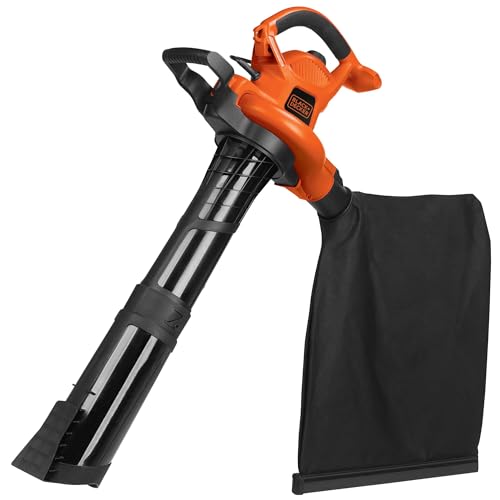
- 3-in-1 design switches between blower, vacuum, and mulcher
- Metal fan grinds up to 16 bags of leaves down to 1
- Rated air speeds reach up to 250 mph with variable speed
- Includes reusable EZ-Empty leaf collection bag
- Integrated cord retainer prevents accidental disconnection
Cons
- Requires a power extension cord, limiting portable reach
- Weighs 8.1 pounds, which may fatigue hands during long sessions
Pros
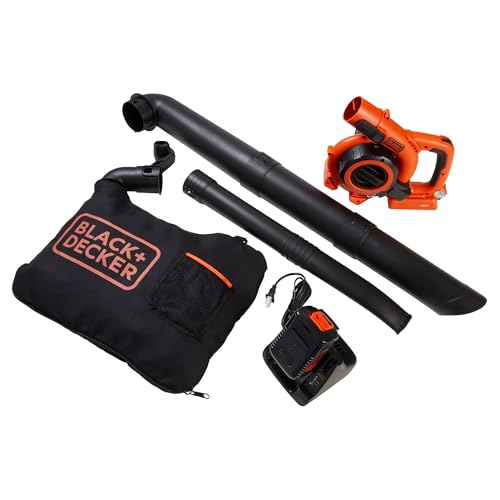
- Lightweight design at 5.4 lbs in blow mode and 6.9 lbs in vac mode
- 40V MAX battery with built-in state of charge indicator
- Mulching fan shreds up to 6 bags of leaves down to 1 bag
- Built-in scraper on the tube helps loosen stuck debris
- 6-speed Powercommand dial tailors airflow to the task
Cons
- Modest 120 mph maximum air velocity intended for hard surfaces
- Lower mulching ratio compared to larger yard units

Pros
- Detachable power head converts into a 190 MPH blower
- Compact 6-gallon size with on-board accessory storage
- Includes 10 accessories for vacuuming and blowing tasks
- Wide-stance casters and top handle ensure easy mobility
- Provides 16 feet of total cleaning reach
Cons
- Modest 70 CFM suction airflow
- Tethered operation limited by the power cord length

Pros
- Tool-free conversion among blow, vac, and mulch modes
- Air speeds up to 230 mph with 2-speed settings
- Vortex impeller grinds up to 10 bags down to 1
- Built-in cord retainer helps prevent accidental unplugging
- Includes concentrator, blow/vacuum tubes, and bag
Cons
- Requires constant extension cord tether
- Two fixed speeds offer less fine-tuned control

Pros
- Lightweight design at only 4.4 pounds
- 7-Amp motor rated up to 180 MPH and 180 CFM
- Built-in cord retention prevents unplugging
- Zero emissions with instant push-button start
- Simple, low-maintenance corded design
Cons
- Extension cord is not included
- Operating range is limited by cord reach

Pros
- 3-in-1 blower, vacuum, and mulcher design
- Delivers manufacturer-rated 520 CFM and 240 MPH airflow
- Includes two 6.0Ah batteries and a dual-cord fast charger
- 12:1 mulching ratio with a 45-liter collection bag
- Brushless motor with variable speed trigger and cruise control
Cons
- Weight reaches 10.25 pounds before debris collection
- Blow mode runtime is rated for up to 34 minutes

Pros
- 28-cc 2-cycle engine rated at 470 CFM and 170 MPH
- Includes vac kit with mulching knives and bag
- Cruise control feature simplifies extended use
- Auto-return stop switch automatically resets to on
Cons
- Weighs 9.6 pounds before fuel and collected debris
- Requires 2-cycle gas and oil fuel mixing

Pros
- Instant switch between blow and vacuum modes
- High 18:1 mulch ratio maximizes bag capacity
- Rated up to 350 CFM and 210 MPH air output
- Variable-speed control for different debris types
- Includes 42L debris collection bag
Cons
- Corded design limits overall yard reach
- Weighs 9.3 pounds before debris accumulates

Pros
- 3-in-1 design switches tool-free between modes
- Six-blade metal impeller with rated 16:1 mulching
- Delivers up to 500 CFM and 210 MPH airflow
- Includes 6.0Ah ARC Lithium battery and 320W charger
- Weather-resistant IPX5-rated housing
Cons
- Relatively heavy package at 28 pounds
- Maximum 90-minute runtime applies only to low setting
Pros
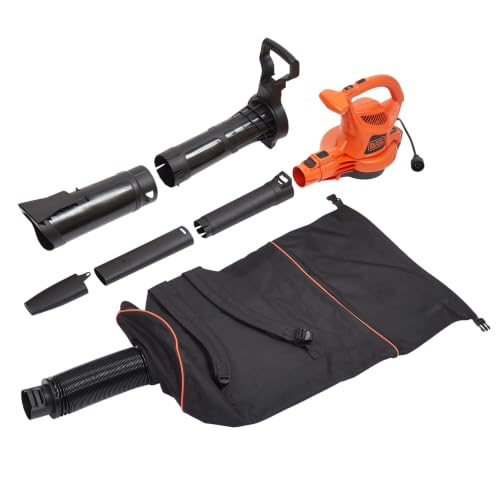
- High performance delivering up to 250 MPH and 400 CFM
- POWERBOOST button supplies extra power on demand
- Hands-free backpack collection bag doubles standard capacity
- Zipper-free bag design with wide opening for easy emptying
- Flexible tube improves maneuverability during vacuum mode
Cons
- Corded design requires an extension cord and limits total range
- Heavier build at 11.1 pounds before collecting leaves
Corded vs. Cordless Power: Range Against Continuous Runtime
Choosing between corded electric, battery, and gas power sources directly affects how far you can work and how long your cleanup can last. Corded units such as the BLACK+DECKER 3-in-1 Electric Leaf Blower and the WORX Trivac 3-in-1 Electric Leaf Blower/Leaf run on 12-amp motors that never lose power or require recharging. The trade-off is geographic restriction: corded machines require an outdoor-rated extension cord and generally keep you within 100 to 150 feet of an electrical outlet.
Cordless battery tools eliminate extension cords entirely, giving you open movement across walkways and boundary fences. The Greenworks 48V (24V x 2) 520CFM Leaf provides up to an advertised 34 minutes of runtime in blow mode using two 6.0Ah batteries, while the EGO Power+ LV5005 Leaf Vacuum and Mulcher with 500 pairs a 56V platform with up to 90 minutes on low settings. However, battery units carry higher purchase prices and stop working when the charge runs out, requiring planning around recharge times.
Mulching Ratios and Impeller Construction
The mulching fan or impeller is the core component that shreds vacuumed leaves before they enter the collection bag. High mulching ratios compress large piles into manageable bags of compost or waste, saving trips to the disposal bin. For example, the WORX Trivac advertises an 18:1 mulch ratio, meaning 18 bags of gathered leaves are compacted down to roughly one bag of fine mulch.
Impeller material determines long-term reliability against accidental debris ingestion. The BLACK+DECKER 3-in-1 Electric Leaf Blower incorporates a high-impact metal fan to resist chipping and reduce clogging down to a 16:1 ratio, whereas lighter models like the BLACK+DECKER Corded Leaf Blower Leaf Vacuum use an anti-clog vortex impeller rated for a 10:1 ratio. While metal blades handle heavier workloads and small dry twigs better than plastic components, hard objects like gravel can still damage any impeller assembly.
Handheld Versus Backpack Collection Ergonomics
How a blower vac carries debris dictates operator fatigue over longer cleanup sessions. Traditional handheld models attach the leaf collection bag underneath the tube or against the operator’s hip via a shoulder strap. The BLACK+DECKER Leaf Blower Cordless Leaf Vacuum weighs 6.9 pounds in vacuum mode, keeping weight low for clearing hard surfaces like driveways and patios, though the smaller mulching capacity (6:1) limits its use to lighter debris tasks.
For high-volume leaf collection, backpack configurations shift the payload entirely off the arms and wrists. The BLACK+DECKER Leaf Blower (BEBL7000) uses an easy-to-wear backpack bag with up to double the capacity of standard shoulder bags, connected to the motor by a flexible tube. While backpack systems allow users to vacuum larger yard sections without stopping to dump the bag every few minutes, carrying a filled bag on your back adds cumulative weight during warm weather cleanups. To learn more about general tool formats, review our guide on what leaf blower is the best.
Airflow Volume (CFM) Versus Air Speed (MPH) in Vacuum Mode
Air speed (MPH) and air volume (CFM) serve different functional purposes when clearing and collecting yard waste. High air speed helps peel wet leaves away from turf or asphalt, while high CFM creates the continuous suction volume needed to draw bulky piles into the vacuum tube quickly. For dedicated hardscape tasks, check our analysis of the leaf blower for driveway applications.
The Greenworks 48V (24V x 2) 520CFM Leaf leads cordless options in air moving capacity with 520 CFM and 240 MPH, giving it broad intake capability across thick ground cover. In contrast, the gas-powered Husqvarna 125BVx Gas Leaf Blower balances 470 CFM with a 170 MPH air stream powered by its 28-cc engine. While gas engines run indefinitely with fresh fuel, they produce 2-cycle exhaust emissions and demand routine mechanical upkeep such as fuel mixing and spark plug maintenance that electric blowers and vacs avoid entirely.
Frequently Asked Questions About Blowers and Vacs
Can leaf vacuums handle wet debris and twigs?
Combination blower vacs are engineered primarily for dry or lightly damp leaves. Vacuuming wet foliage tends to clog the intake tubes and stick to bag linings, while sticks and stones can damage plastic impellers and tear collection bags.
What is the difference between CFM and MPH in blower vacs?
MPH indicates air velocity, which helps break loose wet or stuck-on debris from hard surfaces. CFM measures total air volume, which dictates the pulling force when vacuuming leaves and the overall clearing width in blowing mode.
Choosing the Right Blower Vac for Your Property
Selecting the best tool requires matching the power source to your yard boundaries and physical preferences. Large suburban lots with mature trees benefit most from high-airflow cordless or gas units, while paved areas and modest lawns are easily maintained with compact electric machines.
For standard residential yards with nearby outdoor outlets, the BLACK+DECKER 3-in-1 Electric Leaf Blower is the recommended choice for its durable metal mulching fan, strong 250 MPH clearing speed, and steady corded power. Its primary limitation is the need for an extension cord, which caps operational reach. Homeowners with large properties or areas far from outdoor outlets should consider the Greenworks 48V (24V x 2) 520CFM Leaf, which provides complete cordless mobility and powerful 520 CFM suction despite its heavier 10.25-pound tool frame.