

For homeowners managing expansive properties without electrical outlets, a handheld unit like the Husqvarna 125BVx provides unrestricted mobility and dedicated vacuum shredding, but requires regular 2-stroke fuel mixing and maintenance.

Pros
- 2-stroke engine rated at 0.7kW output
- Delivers up to 424 CFM airflow
- Includes blowing, vacuuming, and mulching modes
- Supplied with straight and curved blow pipes
- Comes with a 30L leaf collection bag
Cons
- Requires 2-stroke gas and oil fuel mixing
- Gas engine demands regular maintenance
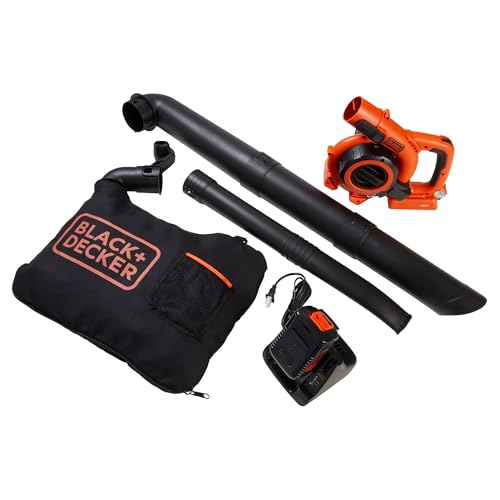
Pros
- Lightweight design at 5.4 lbs in blow mode and 6.9 lbs in vac mode
- 40V MAX battery with built-in state of charge indicator
- Mulching fan shreds up to 6 bags of leaves down to 1 bag
- Built-in scraper on the tube helps loosen stuck debris
- 6-speed Powercommand dial tailors airflow to the task
Cons
- Modest 120 mph maximum air velocity intended for hard surfaces
- Lower mulching ratio compared to larger yard units
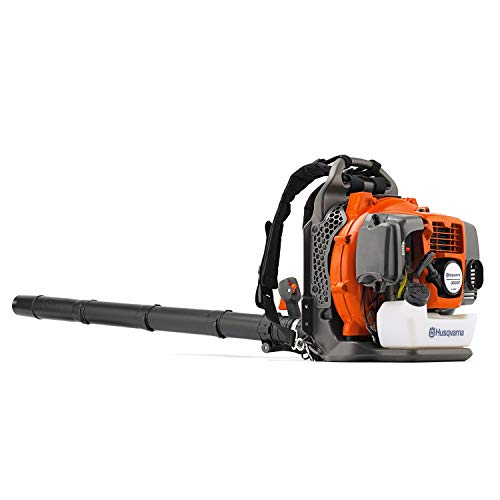
Pros
- 50.2-cc 2.1-HP X-Torq engine
- Rated blowing force of 692 CFM and 180 MPH
- LowVib technology dampens machine vibrations
- Air purge primer simplifies engine starts
- Ergonomic harness with offset control handle
Cons
- Weighs 22 pounds before fuel is added
- Requires ongoing two-stroke fuel mixing

Pros
- Tool-free conversion among blow, vac, and mulch modes
- Air speeds up to 230 mph with 2-speed settings
- Vortex impeller grinds up to 10 bags down to 1
- Built-in cord retainer helps prevent accidental unplugging
- Includes concentrator, blow/vacuum tubes, and bag
Cons
- Requires constant extension cord tether
- Two fixed speeds offer less fine-tuned control

Pros
- Lightweight design at only 4.4 pounds
- 7-Amp motor rated up to 180 MPH and 180 CFM
- Built-in cord retention prevents unplugging
- Zero emissions with instant push-button start
- Simple, low-maintenance corded design
Cons
- Extension cord is not included
- Operating range is limited by cord reach

Pros
- 3-in-1 functions: blowing, vacuuming, and mulching
- Generates up to 450 CFM and 200 MPH airflow
- Includes 45-liter zippered debris collection bag
- Comes with noise-canceling headphones and tools
- Relatively lightweight handheld build at 10.5 lbs
Cons
- Requires 2-cycle fuel mixing
- Tube swapping is necessary to switch modes

Pros
- 3-in-1 functionality for blowing, vacuuming, and mulching
- Delivers up to 180 MPH air speed and 450 CFM airflow
- Lightweight 9.9 lb handheld design
- Includes 5-piece tube set and shoulder strap
- Primer-assisted recoil start with CDI ignition
Cons
- Requires 25:1 gas-and-oil fuel mixing
- 0.5L fuel tank requires regular refilling

Pros
- 28-cc 2-cycle engine rated at 470 CFM and 170 MPH
- Includes vac kit with mulching knives and bag
- Cruise control feature simplifies extended use
- Auto-return stop switch automatically resets to on
Cons
- Weighs 9.6 pounds before fuel and collected debris
- Requires 2-cycle gas and oil fuel mixing

Pros
- Instant switch between blow and vacuum modes
- High 18:1 mulch ratio maximizes bag capacity
- Rated up to 350 CFM and 210 MPH air output
- Variable-speed control for different debris types
- Includes 42L debris collection bag
Cons
- Corded design limits overall yard reach
- Weighs 9.3 pounds before debris accumulates

Pros
- Powerful 12-amp motor generating up to 260 MPH and 450 CFM
- Hands-free 55-liter backpack collection bag for easy carrying
- Tool-free conversion between blower, vacuum, and mulcher
- Wide-mouth bag opening enables quick emptying
Cons
- Requires an extension cord for power, limiting yard reach
- Weighs 11.27 pounds without debris in the collection bag
Who Benefits Most From a Handheld Gas Blower Vacuum?
A gas powered leaf blower vacuum best suits property owners with mid-to-large yards who need to collect leaves away from wall outlets without being restricted by battery capacity. Unlike tethered corded machines, gas models provide completely untethered perimeter access.
Units like the EarthCraft 3-in-1 26CC Gas Leaf Blower and the DTNESS 26cc Gas Leaf Blower Vacuum operate with 2-cycle engines that rely on standard 2-stroke fuel mixtures, such as the 25:1 ratio specified by DTNESS. This design offers continuous run time as long as extra mixed fuel is on hand. The unavoidable trade-off is the physical labor of mixing fuel and oil, handling pull-starts, and managing heavier machine weights—for example, EarthCraft lists an 11.5 lb weight, while DTNESS lists a 9.9 lb tool weight—compared to lightweight electric sweepers.
Air Volume vs. Air Velocity: Which Metric Cleans Better?
Air volume (CFM) dictates how much leaf debris a vacuum can ingest at once, while air speed (MPH) determines the force available to lift stubborn, wet leaves off the ground.
When reviewing the specifications across gas models, the Husqvarna 125BVx delivers an advertised 470 CFM at 170 MPH from its 28-cc engine, whereas the EarthCraft 3-in-1 provides 450 CFM paired with a higher claimed speed of 200 MPH. A higher CFM rating creates broader sweeping and suction passes across dry lawns, but a higher MPH rating proves more effective at prying matted foliage off driveway edges. Buyers must balance raw airspeed against overall volume depending on whether their yard consists primarily of flat hardscaping or broad grassy lawns.
Husqvarna 125BVx vs. DTNESS 26cc: Comparing Two 2-Stroke Setups
The Husqvarna 125BVx offers a larger engine displacement and specialized mulching knives, while the DTNESS 26cc focuses on entry-level budget affordability with a lighter chassis.
The Husqvarna 125BVx features a 28-cc, 1.1-HP engine yielding 470 CFM and 170 MPH, engineered with an auto-return stop switch and integrated cruise control. It also incorporates dedicated mulching knives designed to shred debris into its vacuum collection bag. In contrast, the DTNESS 26cc features a 26cc engine putting out 0.75 kW, reaching 450 CFM and 180 MPH. While DTNESS delivers a lighter package at 9.9 lbs and includes a complete 5-piece tube kit with shoulder strap, Husqvarna brings an established dealer service footprint and vibration-dampening design, though at a significantly higher listed price.
Understanding the Trade-Offs Between Gas Engines and Electric Alternatives
Choosing a gas powered leaf blower vacuum gives you unlimited run-time range, but electric and corded alternatives eliminate engine maintenance and exhaust fumes.
Dedicated corded electric options like the WORX Trivac WG509 or the CRAFTSMAN CMEBL7000 deliver impressive advertised velocity—up to 210 MPH and 260 MPH respectively—without requiring spark plug maintenance, oil mixing, or pull cords. However, they tether the user to an extension cord, limiting cleaning range strictly to hard surfaces near a structure. Conversely, battery models like the BLACK+DECKER 40V cordless vacuum eliminate cords entirely, but are constrained by charge duration. Selecting gas power means trading quiet, plug-and-play simplicity for uninterrupted clearing across larger perimeters.
Gas Leaf Blower Vacuum FAQ
What type of fuel do gas leaf blower vacuums require?
Most handheld gas blower vacuums use 2-cycle (2-stroke) engines, requiring a precise blend of unleaded gasoline and 2-cycle engine oil (such as a 25:1 or 50:1 mix depending on manufacturer specifications) rather than straight gasoline.
Can every gas leaf blower also vacuum and mulch leaves?
No. While combo units like the Husqvarna 125BVx include vacuum tubes and mulching collection bags, dedicated blowers (such as backpack models like the Husqvarna 350BT) are engineered strictly for high-velocity blowing and do not support vacuum conversion.
Final Decision: Choosing the Best Gas Blower Vacuum for Your Yard
When selecting the ideal tool for outdoor property maintenance, weighing fuel management against yard size will pinpoint the best machine for your workflow.
For buyers needing a durable, full-featured cleanup tool with mulching knives and ergonomic balance, the Husqvarna 125BVx is our primary recommendation. Its primary limitation is the premium price point and ongoing maintenance required by its 2-cycle engine. If you only need to clean compact patios near the house and prefer to bypass fuel mixing entirely, a corded alternative such as the WORX Trivac WG509 provides high-speed shredding at a fraction of the cost, provided you have extension cord access.


