A good electric blower balances immediate airflow power against physical reach: corded models offer nonstop clearing at low prices, while battery-powered units trade indefinite runtime for unrestricted mobility. Choosing the right design depends on whether you have nearby outdoor outlets or large acreage where an extension cord becomes a frustrating barrier.

Pros
- Lightweight 4 lb build minimizes arm fatigue
- Delivers up to 390 CFM airflow and 210 MPH speed
- Continuous corded power eliminates recharging pauses
- Two-speed switch toggles between light and full force
- Nested two-piece tube design for full assembly
Cons
- Requires an extension cord and nearby wall outlet
- Tubes ship nested and must be pulled apart before use

Pros
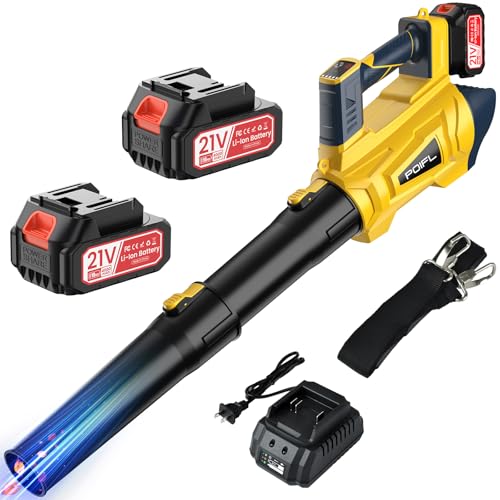
- Includes two 5.0Ah 21V batteries and a 2-hour fast charger
- 6 speed settings ranging from 80 MPH to 180 MPH Turbo
- High manufacturer-rated output up to 650 CFM
- Battery level indicators display charge in four stages
Cons
- Relatively heavy at 8.5 lbs during prolonged use
- Turbo mode drains battery life significantly faster

Pros
- Lightweight design at only 4.4 pounds
- 7-Amp motor rated up to 180 MPH and 180 CFM
- Built-in cord retention prevents unplugging
- Zero emissions with instant push-button start
- Simple, low-maintenance corded design
Cons
- Extension cord is not included
- Operating range is limited by cord reach
Pros
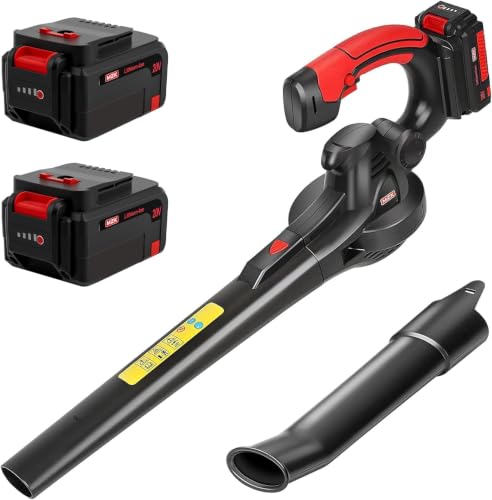
- Weighs only 3.9 pounds for light handling
- Rated airflow up to 450 CFM
- Cordless design allows unrestricted mobility
- Convenient one-hand trigger operation
- No gas mixing or cord management required
Cons
- Runtime varies significantly by power output
- Battery charging intervals required
Pros
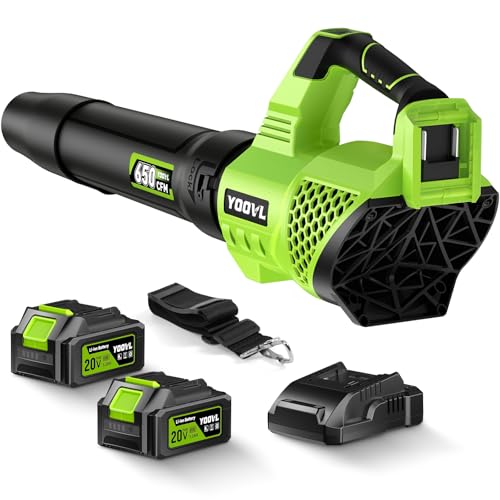
- Airflow rated up to 650 CFM using advanced turbo technology
- Comes with two high-capacity 20V 5.2Ah batteries and fast charger
- Three selectable speed modes for delicate to heavy-duty jobs
- Includes an adjustable shoulder strap to reduce arm fatigue
- Includes blower tube and extension nozzle attachments
Cons
- Maximum 150-minute runtime applies only to low-speed mode
- Heavier battery packs may add weight during prolonged handheld use

Pros
- Motor reaches up to 150,000 RPM with wind speeds up to 45 m/s
- Features 6 adjustable speed levels for customized cleaning
- Includes 6 nozzles, 2 brushes, and a storage bag
- Digital screen displays real-time battery percentage and speed
- Versatile for electronics dusting and small inflatables
Cons
- Wall charging adapter is not included with the USB-C cord
- Runtime is limited to 20 to 40 minutes per charge
- Recharge time takes between 2.5 and 4 hours

Pros
- Includes two 21V 4.0Ah batteries for extended runtime
- Delivers up to 420 CFM airflow and 150 MPH air speed
- Lightweight design weighs under 3 lbs bare tool for low fatigue
- Comes with both round and flat interchangeable nozzles
- Two adjustable speed settings for varying cleanup tasks
Cons
- Limited to two preset airflow speeds
- Best suited for dry leaves and light debris rather than heavy wet waste

Pros
- Lightweight build suitable for one-handed operation
- Operates at a relatively quiet 65 dB
- Rated up to 200 MPH and 600 CFM output
- Cordless battery platform allows flexible movement
- Versatile for dry debris, sawdust, and car drying
Cons
- Runtime decreases significantly at maximum output
- Single included battery limits extended sessions
- Not suited for heavy, wet leaf accumulations

Pros
- Brushless motor delivers rated airflow up to 650 CFM and 180 MPH
- Includes two 20V 4.0Ah batteries and a fast charger
- Six adjustable speed settings ranging from 80 to 180 MPH
- Comes with an ergonomic shoulder strap and two detachable nozzles
- Includes a storage bag to keep components organized
Cons
- Stated 30-minute runtime is restricted to low-speed operation
- High-speed settings will deplete battery charge more rapidly

Pros
- Instant switch between blow and vacuum modes
- High 18:1 mulch ratio maximizes bag capacity
- Rated up to 350 CFM and 210 MPH air output
- Variable-speed control for different debris types
- Includes 42L debris collection bag
Cons
- Corded design limits overall yard reach
- Weighs 9.3 pounds before debris accumulates
Corded Versus Cordless Power: Deciding Between Unlimited Runtime and Mobility
Corded blowers provide continuous, uninterrupted power without battery degradation, but their reach is strictly limited by the length of an extension cord. For small decks, patios, and driveways with easily accessible outdoor outlets, a plug-in unit eliminates charging downtime entirely.
For example, the Grasstigon Electric Leaf Blower Corded, 7-Amp operates on a steady 7-amp motor that plugs directly into a wall or heavy-duty cord, ensuring full blowing force for as long as you work. In contrast, cordless alternatives like the Leaf Blower Cordless, 650CFM Electric Leaf Blower free you from cords by providing two 5.0Ah 21V batteries, but your work window depends on battery charge levels rather than infinite line power. When choosing between power types, assess how far you need to travel from your nearest wall outlet.
Air Volume Versus Air Velocity: Matching CFM and MPH to Your Debris
A higher CFM rating moves larger volumes of dry leaves across broad grass lawns, while higher MPH is essential for dislodging wet, stubborn debris stuck to flat pavement.
Understanding this distinction helps prevent buying an underpowered tool for your specific cleanup needs. The Leaf Blower Cordless, 650CFM Electric Leaf Blowers generates up to 650 CFM, utilizing high air volume to herd broad swaths of leaves efficiently. Meanwhile, the corded BLACK+DECKER Electric Leaf Blower generates a high air speed of 180 MPH despite a modest 180 CFM rating, making it better suited for blasting tight driveways and sidewalks rather than sweeping expansive, dense turf.
Managing Weight and Fatigue During Extended Yard Care
Weight distribution, carrying straps, and low tool weight determine how long you can comfortably operate a blower before arm or shoulder strain sets in.
Handheld electric units vary noticeably in their physical impact during long cleanup sessions. The Electric Leaf Blower Cordless with Battery is remarkably compact, weighing just 2.74 lbs before its battery is attached, which reduces wrist strain for quick porch dusting. For heavier, higher-volume machines, supplemental support is essential; the Leaf Blower Cordless 650CFM with 2×4.0Ah Battery mitigates its larger frame by including an adjustable shoulder strap to transfer tool weight away from your arms during extended clearing sessions.
Multi-Function Capability: Blowing Versus Mulching and Dusting
Standard electric blowers only push debris into piles, whereas specialized multi-tools can shred waste or handle delicate electronics cleaning.
If your primary cleanup chore involves reducing lawn waste into compost or bags, blowing debris is only half the battle. The WORX Trivac 3-in-1 Electric Leaf Blower/Leaf incorporates a vacuum and an internal shredder with an advertised 18:1 mulch ratio, drawing leaves directly into a 42-liter collection bag. Conversely, micro-scale electric blowers like the Compressed Air Duster Electric 150000RPM serve an entirely different purpose: delivering precision airflow for delicate electronics, keyboards, and auto detailing rather than outdoor yard waste.
Battery Redundancy and Dual-Pack Configurations
Cordless blowers that include dual battery packs minimize mid-job delays by allowing one battery to recharge while the other powers the machine.
Because leaf blowers operate under continuous high load, their batteries deplete much faster than those in intermittent tools like drills. Systems like the Leaf Blower Cordless, 650CFM Electric Leaf Blower, which ships with two 5.0Ah batteries, and the Leaf Blower Cordless, 650CFM Electric Leaf Blowers, featuring dual 5.2Ah packs, provide practical insurance against stalled yard chores. Without a second pack or a very quick charger, running out of juice mid-lawn leaves your yard half-raked until you wait through a complete recharge cycle.
Electric Blower Selection: Frequently Asked Questions
What is the difference between CFM and MPH when choosing a blower?
CFM (cubic feet per minute) measures the volume of air flowing out of the tube, which dictates how wide of a debris pile you can move at once. MPH (miles per hour) measures air velocity, which indicates how well the stream can scour and loosen wet or stuck leaves from hard surfaces.
Do corded electric blowers include an extension cord in the box?
Most corded electric blowers, such as the BLACK+DECKER LB700, do not come with an extension cord. You will need to supply your own outdoor-rated extension cord with an appropriate gauge to match the blower's amp rating.
How should I plan for cordless blower battery life?
Manufacturer runtime figures are almost always measured at lower speeds. Because maximum speed or turbo settings consume power significantly faster, choosing a model that bundles two high-capacity batteries or keeping a spare on a fast charger is the best way to prevent interruptions.
Which Good Electric Blower Best Matches Your Property?
Selecting the right electric blower comes down to the layout of your property, your tolerance for dragging an extension cord, and whether you require debris mulching.
For versatile, open-yard clearing without cords, the Leaf Blower Cordless, 650CFM Electric Leaf Blower is recommended for homeowners with medium lawns who want strong 650 CFM volume and the flexibility of two included 5.0Ah battery packs. Its main limitation is that high-power settings drain battery reserves quickly, demanding disciplined speed management. For smaller suburban lots where outdoor outlets are readily accessible and you want all-in-one bagging and mulching capabilities, the corded WORX Trivac 3-in-1 Electric Leaf Blower/Leaf serves as a powerful alternative that eliminates battery runtime concerns entirely.