Quick Answer: Are Battery Powered Lawn Mowers Any Good?
Yes, battery-powered lawn mowers are a practical choice for most residential yards. They deliver adequate cutting power, low maintenance, and quiet operation, but runtime, charging time, and upfront cost create real tradeoffs that matter depending on your yard size, grass type, and mowing frequency.

Pros
- Peak Power dual-battery system delivers cutting torque that exceeds many 200cc gas mowers while remaining emission-free and quiet
- Wide 30-inch Super Composite deck and self-propelled Touch Drive make large-area mowing faster and less physically demanding
- Up to 75 minutes runtime from the two included 6.0Ah batteries plus dual-port charger supports efficient single-charge sessions
- True 3-in-1 functionality and nine cutting heights give flexible options for different lawn conditions and preferences
- Strong limited warranties cover the deck for 10 years tool for 5 years and batteries for 3 years providing long-term peace of mind
Cons
- Battery runtime tops out at 75 minutes so larger properties may require mid-session recharging or spare batteries
- Cordless dual-battery setup needs regular charging management unlike unlimited gas fuel availability
- Composite deck construction while durable and warranted may feel different from traditional steel decks preferred by some users
The EGO POWER+ LM3004SP-2 is a self-propelled cordless electric walk-behind lawn mower built around a lightweight yet durable 30-inch Super Composite deck. It ships with two 56V 6.0Ah ARC Lithium batteries and a dual-port charger creating an immediate ready-to-use package. The design emphasizes easy maneuverability and folds compactly for storage while the deck carries a 10-year limited warranty signaling confidence in build quality.
Peak Power technology merges the output of both batteries to generate up to 13.2 foot-pounds of cutting torque that exceeds many 200cc gas mowers without noise mess or fumes. Dual motors drive two independent blades and users can select ECO Normal or Turbo speeds plus activate LED headlights via simple push buttons. Touch Drive self-propel engages with palm pressure and a fingertip dial controls speed. The mower supports mulching bagging or side discharge with nine height positions ranging from 1 to 5 inches. Real-world runtime reaches up to 75 minutes on a full charge making it practical for most residential lots.
As a battery-powered machine the primary limitation is the finite 75-minute runtime which can require recharging or battery swaps on very large properties. Owners must also manage dual-battery charging cycles rather than simply refueling like a gas mower. These considerations are inherent to cordless designs and should factor into purchase decisions for extensive lawns.
Overall the EGO POWER+ LM3004SP-2 delivers strong value for homeowners who want powerful low-maintenance mowing free of gas-related upkeep and emissions. It is best suited to users with medium to large yards that fit within typical battery runtime who prioritize quiet operation convenience and long-term warranties.

Pros
- Two-year warranty, per listing
- Eight cutting heights from 0.75 to 4 inches
- Mulching plug and 2.1-bushel grass bag included
- Nationwide parts and service network, manufacturer-stated
Cons
- Runtime of up to 45 minutes per charge is manufacturer-stated
- Second 12Ah battery is sold separately

Pros
- Includes 56V 10.0Ah battery and 700W charger
- Lifetime warranty on the 22-inch cast aluminum deck
- Select Cut system with bagging and high-lift lower blades
- Touch Drive self-propelled control with speed dial
Cons
- Listed weight of 132 pounds makes it hard to move
- Up to 70 minutes runtime is manufacturer-stated
How Battery Mowers Actually Perform
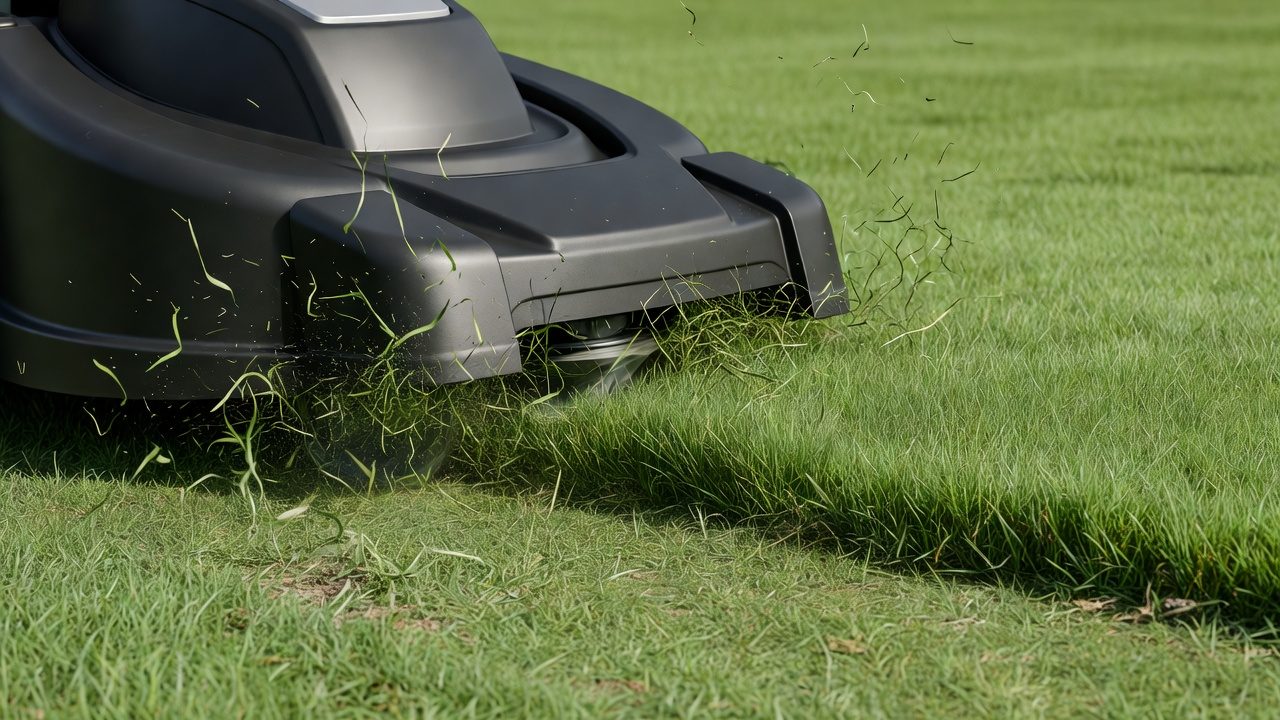
The core question is whether battery mowers can cut grass as effectively as gas or corded models. The answer is generally yes for typical residential use. Battery mowers use rotary blades identical to those on gas mowers, and their cutting performance depends on blade sharpness and speed, not the power source.
Battery models generally give clean cuts on moderate grass heights and regular growth. They handle well-maintained lawns with ease. However, power becomes a limiting factor in specific conditions. Very thick, wet grass, dense weeds, or heavily overgrown areas can challenge battery mowers more than gas alternatives. The power delivery is consistent without throttle variation, but under heavy load, the motor may slow down to protect the battery.
For the average homeowner mowing a standard lawn every week or two, battery mowers perform reliably. The key is matching the mower’s power rating to your grass conditions rather than expecting one model to handle all scenarios equally.
Runtime and Battery Life: What You Actually Get
Runtime varies significantly based on battery capacity, grass density, terrain, and how you use the mower. Lithium-ion batteries degrade gradually over years of use, but this happens predictably and batteries are replaceable components.
Most residential yards under half an acre can be mowed on a single charge under normal conditions. However, wet grass, slopes, and thick growth reduce runtime noticeably. Battery capacity, measured in amp-hours (Ah), is the real variable determining how long you can mow. Higher Ah ratings mean longer runtime but also add weight and cost.
Expect runtime to decrease as batteries age, typically after several years of regular use. This degradation is normal for lithium-ion chemistry. When runtime becomes insufficient for your yard, battery replacement restores performance. Checking the manufacturer’s specifications for your yard size before purchasing helps set realistic expectations.
Charging Time and Practicality
Charging logistics are a practical consideration that affects the mowing workflow. Charging time varies by manufacturer and battery capacity, ranging from roughly 30 minutes to several hours depending on the charger and battery size. Fast chargers are available but typically cost extra.
For most homeowners, charging overnight or between mowing sessions works fine. Having a second battery eliminates mid-mow charging waits entirely, though it adds upfront cost. This option is worth considering for larger yards or frequent mowing needs. For complementary field maintenance guidelines, examine our breakdown of marshall stanmore iii vs harman kardon onyx studio 8.
The charging setup requires access to an outlet near your storage area, which most homes provide easily. Unlike gas mowers, there’s no need to transport fuel or deal with storage of flammable liquids. The practical workflow is straightforward: mow, charge, repeat. For yards that take under an hour to mow, a single battery with overnight charging is usually sufficient.
Power: Can They Handle Your Yard?
Battery mowers have consistent power delivery without the throttle variation of gas engines. Heavier mowers and dual-motor designs offer more cutting force, making them better suited for demanding conditions. Power under load is the limiting factor, not peak power. To evaluate matched hardware tolerances, consult our detailed overview of dyson v8 cyclone vs bissell featherweight stick.
For typical residential lawns with regular maintenance, battery mowers handle the job reliably. On slopes, very dense growth, or overgrown yards, a gas mower may be more resilient, but this depends on the specific model and grass conditions. The comparison isn’t straightforward because power delivery differs between fuel types.
Consider your specific conditions: flat terrain with moderate grass growth is ideal for battery mowers. Steep slopes, thick St. Augustine grass, or yards that haven’t been mowed in weeks will push battery models harder. Matching the mower’s power rating to your conditions ensures better results. When planning workspace deployment, consider the engineering criteria outlined in our bissell crosswave hydrosteam vs shark stainforce guide.
Maintenance and Durability
One of the strongest arguments for battery mowers is reduced maintenance. They have no spark plugs, air filters, or oil changes required. This eliminates several seasonal maintenance tasks that gas mowers demand. The simpler mechanical design means fewer things can go wrong.
Battery mowers are simpler to store since there’s no fuel to stabilize or drain. Decks and blades still require cleaning and sharpening, but the overall upkeep is lighter.
Durability varies by model and build quality, but the reduced mechanical complexity generally means fewer repair issues over time. The tradeoff is that battery replacement becomes a cost after several years of use, depending on usage patterns and battery quality. This is a predictable expense rather than an unexpected failure.
Cost Comparison: Upfront and Long-Term
Battery mowers typically have higher upfront purchase prices than comparable gas models. This initial investment is the primary financial barrier for many buyers. However, the operating costs shift the equation over time.
Battery mowers save on spark plugs, oil, air filters, and gas purchases. These savings accumulate over years of ownership, though the exact amount depends on gas prices, mowing frequency, and how well you maintain a gas mower. The reduced maintenance also saves time and effort.
Battery replacement will be a one-time or occasional expense depending on usage and durability. This cost varies by battery capacity and brand. When evaluating total cost of ownership, consider both the upfront price difference and the ongoing maintenance savings over several years.
When a Gas Mower Is Still the Better Choice
Battery mowers have limitations that make gas mowers preferable in certain scenarios. Gas mowers have unlimited runtime without recharging, making them better for large properties or commercial use. They perform reliably in wet or cold conditions where battery performance diminishes.
If you have more than an acre, mow weekly on a dense lawn, or live in a very wet climate, a gas mower may be more practical. Battery mowers work best on yards under approximately three-quarters of an acre, though this depends on battery capacity and grass density. Larger properties may require multiple batteries or frequent charging breaks.
Cold weather affects lithium-ion battery performance, reducing runtime and power. If you mow in early spring or late fall when temperatures are low, gas mowers maintain consistent performance. For properties with challenging terrain or demanding grass conditions, gas power provides more resilience.
Environmental and Noise Considerations
Battery mowers are significantly quieter than gas mowers, typically producing around 60 to 75 decibels compared to 85 to 95 decibels for gas models. This noise reduction benefits both the operator and neighbors, making early morning or evening mowing less disruptive.
They produce zero direct emissions during operation, improving air quality in residential areas. This is a meaningful advantage for neighborhoods with close-set homes or for users concerned about exhaust fumes. The quieter operation also reduces noise pollution in residential areas.
These environmental benefits matter to many homeowners, though they’re secondary to performance and practicality for most buyers. The combination of quiet operation and zero emissions makes battery mowers a cleaner option for residential neighborhoods.
How to Choose: Key Questions for Your Situation
Several factors determine whether a battery mower fits your needs. Yard size is the primary consideration, battery mowers excel on properties under three-quarters of an acre. Grass type and thickness affect runtime and power requirements. Mowing frequency influences how much runtime you need per session.
Climate matters too. Battery performance diminishes in cold weather, so consider your typical mowing season temperatures. Storage and charging setup should be convenient for your workflow. Having easy access to an outlet near your storage area simplifies the charging process.
Before purchasing, check battery capacity specifications and compare them to your yard size. Consider whether a second battery makes sense for your situation. Evaluate the total cost of ownership, including potential battery replacement, against gas alternatives. The decision framework should center on your specific conditions rather than general claims about which type is better.
Wrap-Up: Are Battery Mowers Worth It?
Battery-powered lawn mowers are genuinely good for most residential use cases. They deliver adequate cutting power, require less maintenance, operate quietly, and produce no direct emissions. The tradeoffs in runtime, charging time, and upfront cost are real but manageable for typical homeowners.
The decision comes down to matching the mower to your specific conditions. For small to medium yards with regular maintenance, battery mowers are a practical, convenient choice. For large properties, demanding grass conditions, or extreme weather, gas mowers may still be more suitable. Understanding these tradeoffs helps you make an informed decision based on your priorities rather than marketing claims.
Related Maintenance and Operating Guides
To keep your equipment running at peak operating efficiency, explore our related technical walkthroughs and maintenance tutorials:
- Consult our detailed breakdown on residential zero-turn lawn mower guide.
- Consult our detailed breakdown on heavy-duty chainsaw buyer guide.
Battery Mower Safety Background
Battery mowers remove exhaust and fuel handling from the equation, yet blades still spin fast and batteries need proper charging habits. Store packs at moderate temperatures and inspect cables often. General safety information for cordless lawn equipment is offered by American National Standards Institute (ANSI).