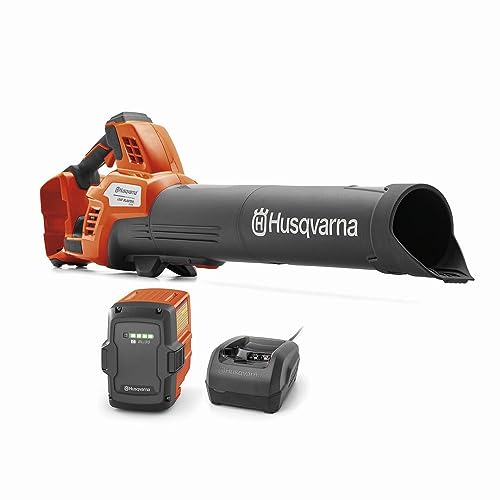
For homeowners managing large properties, a high-CFM gas unit delivers sustained clearing force, but you must accept the added weight, noise, and routine fuel mixing that come with two-stroke engines. Cordless alternatives eliminate fumes and pull-starts, though they demand higher upfront investment and battery management.

Pros
- Delivers up to 550 CFM and 230 MPH for moving wet yard debris
- Lightweight 17-pound backpack design with cushioned straps
- Thumb throttle includes cruise control for steady blowing
- 33.8 fl oz fuel tank yields up to 45 minutes of run time
- Operating temperature range spans 14°F to 104°F
Cons
- Requires 2-cycle fuel mixing and engine maintenance
- 550 CFM is modest for a backpack-class gas blower
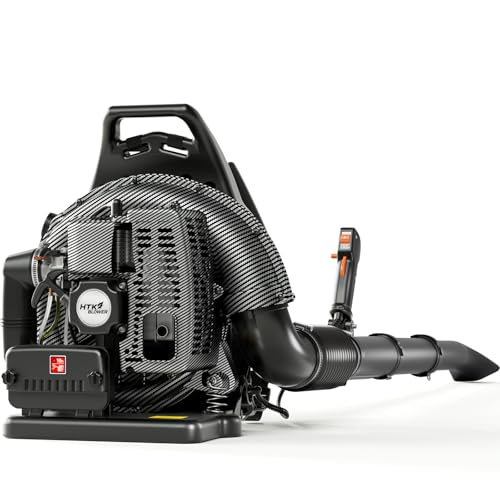
Pros
- 63CC 2-stroke engine provides up to 665 CFM and 205 MPH
- Fully padded ergonomic backpack harness
- Variable-speed throttle with built-in cruise control
- Generous 1.7 L fuel tank for extended yard sessions
Cons
- Requires 2-stroke fuel mixing and gas engine maintenance

Pros
- Engine rated at 63cc delivering up to 665 CFM and 205 MPH
- Generous 1.7-liter fuel tank extends running time between refills
- Cruise control and variable speed dial enable hands-free throttle
- Tool-free two-stage air filter simplifies routine maintenance
- Padded backpack harness evenly distributes weight during operation
Cons
- Weighs 22 pounds before adding fuel
- Requires mixing 2-cycle oil and gasoline

Pros
- Delivers up to a rated 750 CFM for heavy debris
- Brushless motor provides efficient operation
- Backpack design distributes weight for easier carrying
- Variable speed control allows adjustable airflow
- Includes 4.0Ah battery and charger
Cons
- Total weight of 9.48 lbs plus battery may tire users over time

Pros
- 2.7kW 63cc two-stroke engine delivers up to 6,800 RPM
- Multi-directional air outlet adjusts vertically and horizontally
- 0.47-gallon fuel tank enables long runs between top-offs
- Constant speed switch holds chosen throttle effortlessly
- Backpack harness features heat-insulating back padding
Cons
- Substantial 22-pound dry weight adds strain on long sessions
- Requires manual two-stroke oil and gasoline mixing

Pros
- 65cc engine delivers a high-volume 850 CFM at 205 MPH
- Includes both fan and concentrator nozzle attachments
- 1.7-liter fuel tank reduces frequent stopping for refills
- Backpack harness features ventilated backrest for comfort
- Variable throttle with cruise control simplifies steady operation
Cons
- Requires 2-stroke fuel mixing and routine engine upkeep
- At 70.8 inches long assembled, storage requires ample space
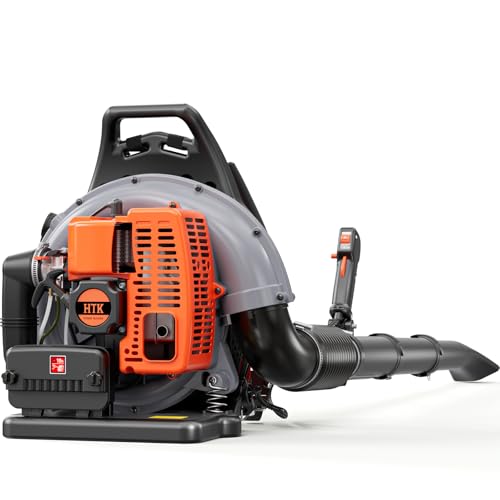
Pros
- 63cc 2-stroke engine delivers 665 CFM and 205 MPH airspeed
- Padded ergonomic backpack harness balances weight across shoulders
- Cruise control locks throttle to relieve trigger finger strain
- Generous 1.7L fuel tank supports extended property maintenance
- Manufacturer-rated sound level of 71 dB for quieter operation
Cons
- Requires ongoing two-cycle oil-to-gasoline fuel mixing
- Bulkier footprint demands sufficient garage or shed storage

Pros
- Delivers up to 230 MPH airspeed and 920 CFM air volume
- Powered by a 63.3 cc, 3.7 HP 2-stroke gas engine
- Large 65 oz (1.9L) fuel tank reduces frequent refills
- Padded shoulder harness and back support enhance user comfort
- Weighs 19.5 pounds for manageable backpack handling
Cons
- Requires 2-stroke gas-and-oil fuel mixing
- Heavier and louder than comparable cordless electric alternatives

Pros
- Claims up to 1,110 CFM airflow and 220 MPH air speed
- Generous 1.89-liter fuel tank allows 50 to 60 minutes of runtime
- Padded harness and shock-absorption system reduce vibration
- Cruise control locks throttle for continuous operation
- Includes earmuffs, maintenance tools, and fuel mixing bottle
Cons
- Heavy 26.46-pound total weight can fatigue operators
- Requires mixing 2-cycle gas and oil fuel

Pros
- 51cc 2-cycle engine produces up to 765 CFM and 270 MPH
- Padded harness and hip belt provide balanced load distribution
- Air purge system removes fuel line air for easier starting
- Variable speed throttle includes cruise control functionality
- Proven X-Torq engine technology maintains high clearing force
Cons
- Heavier 22-pound build can cause fatigue on extended jobs
- Requires routine 2-cycle gas and oil fuel maintenance
Matching Engine Power and CFM to Your Property Size
Cubic feet per minute (CFM) dictates how much debris you can shift in a single sweep, making it the primary metric for sizing a blower to your acreage. Handheld units often struggle with broad lawns, whereas back leaf blowers leverage larger engine displacements—typically between 51cc and 65cc—to generate between 550 and over 900 CFM.
For quarter-acre lots or standard suburban driveways, an entry displacement model like the Thalorus 52cc Gas Backpack Leaf Blower, 550 CFM provides ample force for dry grass clippings and seasonal fall leaves. However, if your property features dense mature trees, wet pine needles, or packed autumn mats, higher output becomes essential. Units such as the Schröder Backpack Leaf Blower – Backpack Blower advertise up to 920 CFM and 230 MPH from a 63.3cc engine, providing the scouring power needed to clear stubborn yard debris without requiring repetitive passes over the same patch of lawn.
Gas vs. Battery Backpack Models: Noise, Weight, and Convenience
Choosing between gas and battery power comes down to balancing maintenance requirements against work duration. Two-stroke gas engines run as long as you have mixed fuel on hand, but they require proper fuel stabilization, spark plug upkeep, and air filter maintenance.
The Greenworks 80V Backpack Leaf Blower, 750 CFM represents the electric alternative, powered by a 4.0 Ah battery and a brushless motor. It eliminates engine exhaust, pull cords, and seasonal carburetor gumming entirely. However, the trade-off is upfront cost: at $339.99, it sits near the premium price tier of this roundup. Gas models like the HTK Gas Backpack Leaf Blower, 63CC 2-Stroke offer 665 CFM at roughly half the retail price ($152.99–$159.96) and a 1.7-liter fuel tank for uninterrupted work, though you must contend with two-stroke engine sound levels, advertised around 71 dB.
Comparing the Husqvarna 150BT and Schröder SR-6400L
Premium gas blowers diverge noticeably in their engineering focus: the Husqvarna 150BT prioritizes brand heritage and refined ergonomics, whereas the Schröder SR-6400L focuses on raw advertised air volume.
The Husqvarna 150BT Gas Backpack Leaf Blower operates with a 51cc, 2.16-HP X-Torq engine generating an advertised 765 CFM and 270 MPH. It features an integrated hip belt and a weight-leveling load harness engineered specifically to counter fatigue on demanding residential jobs. In contrast, the Schröder SR-6400L features a larger 63.3cc, 3.7-HP engine delivering 920 CFM and 230 MPH, supported by a generous 65 oz fuel tank for extended coverage. While the Schröder provides higher CFM to push wider piles across large open fields, the Husqvarna offers higher air velocity (270 MPH) to peel wet, stuck leaves off paved driveways and damp grass.
Harness Comfort and Vibration Management for Long Sessions
Even the most powerful leaf blower becomes inefficient if excessive vibration and poor weight distribution force you to take frequent breaks. Because backpack blowers concentrate engine mass onto the operator’s torso, harness build quality is a major deciding factor.
Units like the VEVOR 63CC Gas Backpack Leaf Blower incorporate high-strength nylon straps, shock absorption systems, and thick back cushions to dampen engine vibration during its 50- to 60-minute advertised runtime. Similarly, the Getell 65CC Backpack Leaf Blower, Gas Powered weighs in at 17.5 pounds and uses a ventilated backrest with adjustable straps to keep airflow moving across your back. If you are prone to lower back strain, look for models featuring both wide shoulder pads and waist support to keep the center of gravity stable as fuel levels change inside the tank.
Budget vs. Commercial Backpack Blowers: What Changes Under $170
Budget-friendly backpack blowers under $170 offer substantial paper specifications, but they typically substitute high-volume output for the refined dealer support and extensive warranty backing of established commercial brands.
For example, the HASANEN Backpack Gas Powered Leaf Blower is priced at an accessible $85.99 while claiming an impressive 850 CFM from its 63cc engine. Similarly, options from Thalorus, Getell, and VEVOR cluster between $149 and $170, providing features like dual-stage air filters, tool-free access, and cruise-control throttles. While these units provide budget-conscious property owners with powerful yard-clearing capability, long-term parts availability and localized repair service are generally more limited compared to established names like Husqvarna.
Frequently Asked Questions About Back Leaf Blowers
What does CFM mean when choosing a backpack leaf blower?
CFM stands for cubic feet per minute, measuring the total volume of air the blower pushes out. A higher CFM rating helps move larger piles of leaves and wider debris fields in a single pass, whereas MPH measures the speed of that air to dislodge wet or heavy material.
Are gas backpack blowers louder than battery-powered models?
Generally, gas two-stroke engines generate more noise and exhaust emissions than cordless models. While some gas units advertise sound ratings around 71 to 75 dB, the Greenworks 80V model provides an emission-free, lower-noise alternative without needing fuel mixing.
How heavy are typical backpack leaf blowers?
Most gas units in this category weigh between 17 and 20 pounds before adding fuel. Proper padded harnesses and load-leveling straps are essential to distribute that weight evenly across the shoulders and hips during extended cleanups.
How to Choose the Right Back Leaf Blower for Your Yard
Selecting the best model depends on whether you value zero-maintenance cordless operation, sheer volume for large open properties, or an ergonomic build designed for multi-hour sessions. For homeowners seeking clean operation without handling gas and oil, check out options in our guide on what leaf blower is the best.
For most property owners who need heavy-duty clearing at a reasonable price, the HTK Gas Backpack Leaf Blower, 63CC 2-Stroke delivers the best overall balance of power and value, combining 665 CFM, cruise control, and a padded harness. Its primary trade-off is the recurring maintenance required by a two-stroke gas engine. If you prefer to eliminate gas mixing and pull starts entirely, consider the Greenworks 80V Backpack Leaf Blower, 750 CFM, which offers battery convenience and quiet operation at a higher initial price point.