Choosing Best Dual Channel RAM is primarily a compatibility decision, not simply a search for the highest advertised memory speed. A matched kit must work with the processor, motherboard chipset, BIOS, memory generation, supported capacity, and physical form factor of the computer. DDR4 and DDR5 modules are not interchangeable, desktop UDIMMs do not fit laptop SODIMM slots, and an unsupported XMP profile may run at a slower default speed. Capacity also matters: insufficient memory can cause application slowdowns and storage paging, while excessive capacity may add cost without improving the workloads you actually run. For this July 2026 review, we compared 15 listings across capacities, memory generations, frequencies, latency ratings, voltage requirements, module configurations, and intended platforms. Readers planning a new build can also use our RAM reviews and compatibility resources to compare memory categories before selecting a kit.
The best Dual Channel RAM in July 2026 should be a factory-matched two-module kit with the correct DDR generation and form factor, enough capacity for the intended workload, and a speed that the motherboard and processor officially support. Prioritize total capacity first, then compare transfer rate, CAS latency, voltage, XMP support, heat-spreader clearance, and platform compatibility; for example, DDR4-3200 CL16 has an approximate first-word CAS latency of 10 nanoseconds, while DDR4-2666 CL19 is about 14.3 nanoseconds using the calculation CL divided by data rate multiplied by 2,000.
Pros
- Fast DDR5-6000 transfer rate for modern desktop systems.
- 32GB dual-channel configuration is practical for gaming and multitasking.
- Includes RGB lighting for users who want a showpiece build.
- Black aluminum heat spreader gives the kit a premium, understated appearance.
Cons
- Requires a compatible DDR5 motherboard, so older DDR4 systems cannot use it.
- RGB lighting adds style but does not improve raw memory performance.
- Specific motherboard compatibility and BIOS support are not listed in the source data, so buyers should verify fit before purchase.
Overview: The Corsair Vengeance RGB CMH32GX5M2M6000Z36 is a 32GB DDR5 desktop memory kit built as 2 x 16GB modules. It uses a black aluminum heat spreader for a clean look and adds RGB LED lighting for builders who want visible system lighting.
Performance and Features: With DDR5-6000 speeds, CL36 timings, and a 1.35V rating, this kit is positioned as a strong everyday and gaming memory upgrade for compatible modern PCs. The dual-channel layout helps support balanced memory performance, while the 36-44-44-96 timings reflect a tuned, performance-focused profile.
Drawbacks and Considerations: This is a DDR5 kit, so it is only suitable for platforms that support DDR5 memory. The RGB lighting is a cosmetic feature rather than a performance boost, and the source data does not list platform compatibility details, so motherboard support should be confirmed before buying.
Verdict: This Corsair kit is a good fit for users who want 32GB of fast DDR5 memory with a polished visual design. It makes the most sense for gamers, desktop builders, and multitaskers who value both speed and aesthetics in a supported DDR5 system.
Pros
- Matched 2x16GB kit supports dual-channel memory performance.
- 32GB capacity is well suited for multitasking and creator workloads.
- Standard DDR4 2666MHz, CL19, 1.2V desktop specifications improve broad compatibility.
- Non-ECC unbuffered UDIMM design is appropriate for typical consumer desktop PCs.
Cons
- This memory is for desktop systems only and will not fit laptops or mini PCs.
- 2666MHz is a modest speed compared with faster DDR4 options for performance-focused builds.
- No heatsink, RGB lighting, or advanced tuning features are listed in the product data.
Overview: The PUSKILL 32GB Kit (2x16GB) DDR4 2666MHz is a desktop memory upgrade built around standard 288-pin UDIMM modules. It is non-ECC, unbuffered, and runs at 1.2V, which makes it a straightforward option for users upgrading a compatible Intel or AMD desktop.
Performance: With 32GB of total capacity and dual-channel support, this kit is aimed at heavier everyday use such as gaming, photo and video work, virtual machines, and multitasking with many open tabs. The 2666MHz speed and CL19 timing are stable and easy to use, especially for buyers who want a simple install instead of manual tuning.
Drawbacks: The main limitation is compatibility. These modules are designed strictly for desktop computers, so they will not work in laptops or mini PCs. The 2666MHz speed is also functional rather than high-end, and the listing does not mention heatsinks or RGB lighting.
Verdict: This kit makes the most sense for desktop users who want more capacity and reliable dual-channel performance without overclocking. It is a practical upgrade for general productivity, multitasking, and casual gaming, but enthusiasts chasing top-tier memory speeds may want a faster DDR4 kit.
Pros
- Dual-channel 32GB capacity is useful for gaming, editing, and heavy multitasking.
- Rated 3200MHz speed with CL16 timing offers a practical performance upgrade for DDR4 systems.
- XMP 2.0 support simplifies setup on compatible motherboards.
- Aluminum heat spreader should help with thermal management under load.
Cons
- This is DDR4 desktop memory only, so it will not work in DDR3 systems or laptop SO-DIMM slots.
- To reach 3200MHz, the system likely needs a compatible motherboard and XMP enabled in BIOS.
- The product data does not provide detailed warranty, latency sub-timings, or exact dimensions.
Overview: The Netac Shadow S DDR4 DRAM kit is a 32GB desktop memory upgrade made up of two 16GB modules. It uses a 288-pin DDR4 design with an updated aluminum heat spreader, giving it a straightforward, practical look for standard gaming and productivity PCs.
Performance & Features: With a 3200MHz rated speed, CL16 timing, dual-channel operation, and XMP 2.0 support, this kit is built to improve responsiveness in everyday use, gaming, video playback, and editing workloads. The 1.35V rating and 8-layer PCB are aimed at stable operation, while the heat spreader and hollow-top design help with heat dissipation.
Drawbacks & Considerations: This memory is limited to DDR4 desktop platforms, so it is not suitable for laptops or older DDR3 systems. Users may also need to enable XMP in the BIOS to get the full rated speed, and the product data does not include all technical details such as exact sub-timings or warranty terms.
Verdict: The Netac Shadow S is best for PC builders and upgraders who want a simple 32GB DDR4 kit with balanced speed, dual-channel performance, and basic thermal support. It is a sensible choice for gaming and general creative work on compatible DDR4 desktops.
Pros
- Large 32GB capacity is well suited to modern gaming and heavier multitasking workloads.
- Dual-channel 2x16GB configuration can improve bandwidth over a single-module setup.
- Rated 3200MHz speed and CL16 timing are a strong mainstream DDR4 specification.
- Aluminum heat spreader adds a practical thermal-management benefit.
Cons
- Requires a compatible DDR4 desktop motherboard with 288-pin memory slots.
- XMP-rated speeds usually depend on BIOS support and correct profile activation.
- White heatsink styling may not match every PC build preference.
Overview: The Netac Shadow III DDR4 32GB kit is a desktop memory upgrade made up of two 16GB modules. It uses a white aluminum heat sink and a 288-pin DDR4 format, giving it a straightforward fit for compatible gaming and general-purpose PC builds.
Performance: With a rated 3200MHz speed, CL16 timing, and XMP 2.0 support, this kit is built to deliver responsive everyday use and better multitasking headroom. The dual-channel design can help bandwidth in supported systems, while the 1.35V specification keeps it aligned with mainstream DDR4 desktop platforms.
Considerations: This is not a universal memory upgrade. It requires a compatible DDR4 motherboard, and rated speeds may depend on enabling XMP in BIOS. The white finish is also a style choice, so it may not suit every build.
Verdict: The Netac Shadow III is a practical option for users who want a 32GB DDR4 kit with solid mainstream specs and a clean heat-spreader design. It is best for desktop owners upgrading from lower-capacity memory and looking for a balanced mix of capacity, speed, and thermal support.
Pros
- High 32GB capacity in a 2x16GB dual-channel kit.
- Fast 3200MHz DDR4 performance for a laptop SODIMM kit.
- XMP 2.0 support simplifies performance tuning on compatible systems.
- Low 1.2V power requirement fits standard DDR4 laptop memory specs.
Cons
- Requires a laptop or notebook with DDR4 SODIMM support; it is not for desktop DIMM slots.
- Full 3200MHz operation depends on system support for XMP 2.0, otherwise it may run at lower speeds.
- CL20 timing is solid but not the lowest latency available in high-end memory kits.
Overview: The PNY XLR8 Gaming MN32GK2D43200X is a 32GB DDR4 notebook memory kit made up of two 16GB SODIMMs. It is designed for laptops and gaming notebooks that support DDR4 memory, and its dual-channel configuration can help systems handle demanding apps more efficiently.
Performance and features: With a rated speed of 3200MHz, CL20 latency, and 1.2V operation, this kit is aimed at users who want a responsive upgrade for gaming, multitasking, and general performance use. XMP 2.0 support makes overclocking simpler on compatible systems, while the kit remains backwards compatible with lower memory frequencies if the laptop does not support XMP.
Drawbacks and considerations: This memory is limited to DDR4 SODIMM laptops, so it is not suitable for desktop PCs. Also, the full 3200MHz profile depends on motherboard and BIOS support for XMP 2.0, which means some systems may run it at reduced speeds.
Verdict: This is a strong option for users upgrading a compatible laptop who want more capacity and fast DDR4 performance in a dual-channel kit. It makes the most sense for gamers, power users, and anyone with a DDR4 notebook that can benefit from 32GB of memory.
Pros
- Matched 2x16GB kit supports dual-channel operation.
- Includes an aluminum heatsink for thermal management.
- Standard 288-pin DDR4 UDIMM format for desktop PCs.
- Runs at 1.2V, which is common for DDR4 desktop memory.
Cons
- Not compatible with laptops, mini PCs, or non-UDIMM systems.
- 2666MHz is modest compared with faster DDR4 memory kits.
- No RGB lighting or premium aesthetic features are listed.
Overview & Design: The PUSKILL 32GB Kit (2x16GB) is a DDR4 desktop memory upgrade built for standard 288-pin UDIMM slots. It uses an aluminum heatsink for improved heat dissipation and is aimed at Intel and AMD desktop systems.
Performance & Key Features: With 32GB of total capacity, 2666MHz speed, CL19 timings, and 1.2V operation, this kit is designed for stable everyday performance, multitasking, and dual-channel memory bandwidth. It is a practical choice for users who want a straightforward RAM upgrade without dealing with overclocking.
Drawbacks & Considerations: This memory is limited to desktop computers and will not work in laptops or mini PCs. Its 2666MHz rating is dependable, but it is not a high-speed option compared with newer or faster DDR4 kits.
Verdict: The PUSKILL 32GB DDR4 kit makes the most sense for desktop users who need a reliable capacity boost for gaming, productivity, or mixed workloads. It is best suited to buyers who value stability, dual-channel operation, and simple installation over extra features.
Pros
- Dual 8GB modules support dual-channel operation on compatible systems.
- Standard DDR4 UDIMM format fits many mainstream desktop builds.
- Low 1.2V voltage is efficient for a desktop memory kit.
- Limited lifetime warranty improves buyer confidence.
Cons
- 2666MHz speed is modest compared with faster DDR4 memory kits on the market.
- 16GB total capacity may feel limiting for heavy content creation, virtual machines, or large multitasking workloads.
- It is not suitable for laptops or systems that require ECC or registered memory.
Overview: The Patriot Memory Signature Line PSD416G2666K is a straightforward 16GB desktop memory kit made up of two 8GB DDR4 UDIMM modules. It uses a standard 288-pin design and is aimed at mainstream PCs that need a simple capacity boost.
Performance and Features: Running at 2666MHz with timings of 19-19-19-43 and 1.2V, this kit is built for dependable everyday use rather than extreme tuning. The dual-module layout supports dual-channel operation on compatible motherboards, which can help improve responsiveness in common tasks.
Drawbacks and Considerations: This is a basic, non-ECC memory kit, so it is not intended for servers or specialized workstation platforms. The 2666MHz speed is also modest by modern DDR4 standards, and 16GB may be insufficient for users with demanding creative or multitasking needs.
Verdict: This Patriot Memory kit makes the most sense for users who want a reliable, no-frills DDR4 upgrade for a compatible desktop system. If you need a standard 16GB boost with simple installation and long-term warranty coverage, it is a practical choice.
Pros
- 2x16GB dual-channel configuration supports better bandwidth than a single-module setup.
- DDR4 3200MHz CL16 is a solid mainstream spec for gaming and productivity upgrades.
- Aluminum heat spreader and 8-layer PCB suggest a focus on thermal control and stability.
- Works for a wide range of uses, including gaming, video editing, design, and office tasks.
Cons
- This is a DDR4 kit, so it will not work in DDR5-only systems.
- Reaching the 3200MHz rated speed depends on motherboard and CPU support for XMP 2.0.
- The product data does not provide dimensions, RGB lighting, or low-profile clearance details.
Overview: The Netac DDR4 DRAM Shadow III Series is a 32GB kit made up of 2x16GB modules in a black aluminum heat-sink design. It is aimed at desktop users who want a straightforward memory upgrade for gaming, work, and everyday multitasking.
Performance: With a 3200MHz rating, CL16 timing, XMP 2.0 support, and 1.35V operation, this kit is positioned for faster data transfer and smoother responsiveness on compatible systems. The dual-channel layout can help improve memory bandwidth in games and heavier applications.
Considerations: It is a DDR4 kit, so it will not work in DDR5-only systems. Reaching the advertised speed depends on motherboard and processor support for DDR4 and XMP, and the provided data does not include size, clearance, or RGB details.
Verdict: This memory kit makes sense for users upgrading an older DDR4 desktop who want stable 32GB capacity with a clean, performance-focused design. It offers solid specs, but buyers should confirm compatibility before purchase.
Pros
- Fast DDR4 3200MHz speed for gaming and everyday multitasking.
- XMP 2.0 support simplifies setup for users who want an easy performance boost.
- Aluminum heat sink and 8-layer PCB are aimed at better stability and cooling.
- Standard 288-pin desktop form factor for compatible DDR4 systems.
Cons
- Only 8GB capacity is listed, which may be limiting for heavier modern games or creative workloads.
- It is DDR4-only, so it will not work in DDR3 or DDR5 systems.
- The listing does not provide detailed benchmark results or full timing subtimings beyond CL16.
Overview: Netac Shadow III White is a DDR4 desktop memory module in a 288-pin form factor, rated at 3200MHz and 1.35V. The aluminum heat spreader gives it a cleaner look while helping with thermal management during regular use.
Performance: With CL16 latency, XMP 2.0 support, and PC4-25600 bandwidth, it is aimed at users who want an easy upgrade for gaming, media work, and general multitasking. The 8-layer PCB and heat dissipation design are intended to support stable operation under load.
Considerations: The listing specifies 8GB, so users running modern games, creative apps, or many open programs may need additional memory capacity. It also requires a compatible DDR4 motherboard and processor, so it will not fit every system.
Verdict: This is a practical choice for buyers upgrading an existing DDR4 desktop who want solid speed, XMP convenience, and basic thermal support. It is best suited to mainstream gaming and everyday PC use rather than heavier memory-intensive workloads.
Pros
- Dual-channel 2x8GB configuration is well suited to modern desktop performance needs.
- DDR4 3200MHz CL16 is a strong mainstream spec for gaming and general productivity.
- Aluminum heat spreader and 8-layer PCB suggest a stability-focused design.
- XMP 2.0 support simplifies setup on compatible systems.
Cons
- Requires a compatible DDR4 desktop motherboard and CPU support to run at the advertised speed.
- 16GB capacity may be limiting for very heavy workloads such as large-scale video editing or advanced 3D projects.
- No RGB lighting or premium aesthetic extras are listed in the provided specifications.
Overview & Design: The Netac Shadow III is a 16GB DDR4 desktop memory kit made up of two 8GB modules. It uses a black heat spreader design and an upgraded aluminum heatsink to support stable operation in everyday PC builds and upgrades.
Performance & Key Features: With a 3200MHz rated speed, CL16 timing, 1.35V operation, and XMP 2.0 support, this kit is aimed at users who want dependable mainstream performance. The dual-channel layout can improve memory bandwidth, which is useful for gaming, multitasking, and general responsiveness.
Drawbacks & Considerations: This is a DDR4-only kit, so it must be paired with a compatible motherboard and system that supports DDR4 memory. Also, 16GB is enough for many users, but heavier creative workloads may benefit from a larger capacity.
Verdict: The Netac Shadow III is a practical choice for desktop users looking for a stable DDR4 upgrade with solid gaming-ready specs. It offers the most value for buyers who want a straightforward 16GB dual-channel kit without needing advanced extras.
Pros
- 2x16GB dual-channel configuration is ideal for balanced desktop performance.
- 3600MHz is a strong speed tier for DDR4 gaming and enthusiast systems.
- Wide RGB software compatibility suits custom lighting builds.
- Intel XMP 2.0 support can simplify setup on compatible platforms.
Cons
- This is DDR4 memory, so it will not work in DDR5-only systems.
- Full 3600MHz performance depends on motherboard and CPU support for XMP.
- RGB features add value only if the build supports and uses motherboard lighting control.
Overview: The PNY XLR8 Gaming MD32GK2D4360018XRGB is a 32GB DDR4 desktop memory kit made up of 2x16GB DIMMs. It is built for gaming and enthusiast PCs that need a capacity upgrade with a more premium RGB look.
Performance: With a rated speed of 3600MHz, CL18 timing, and 1.35V, this kit is positioned for responsive everyday use, gaming, and multitasking. Intel XMP 2.0 support can make it easier to reach the advertised settings on a compatible motherboard.
Lighting and compatibility: The module supports RGB control through Asus Aura Sync, Gigabyte RGB Fusion, MSI Mystic Light Sync, and ASRock Polychrome Sync. It is also backwards compatible with several lower DDR4 speed grades, which can help with broader system support.
Drawbacks and verdict: The main limitations are that it is DDR4 only and its full rated speed depends on platform support. Buyers who want a DDR4 gaming upgrade with RGB customization and strong dual-channel capacity should find the most value here, while DDR5 users will need a different kit.
Pros
- Includes a matched 2x8GB dual-channel kit for balanced desktop memory expansion.
- Rated DDR4 3200MHz with CL16 timings for solid mainstream performance.
- Supports XMP 2.0 for easier profile-based setup on compatible systems.
Cons
- Requires a compatible DDR4 motherboard, so it is not suitable for DDR3 or DDR5 systems.
- Non-ECC, unbuffered design means it is not intended for server or workstation use.
- XMP performance depends on motherboard and BIOS support.
Overview & Design: The Timetec Pinnacle Konduit 16GB Kit is a desktop DDR4 memory upgrade built as a 2x8GB set. It uses a black aluminum heat spreader, giving it a simple gaming-ready look while helping with heat management in normal desktop use.
Performance & Key Features: This kit is rated for 3200MHz with CL16-18-18-38 timings and supports XMP 2.0 one-click overclocking. In compatible AMD and Intel systems, that can make setup easier and help users reach the intended memory profile without manual tuning.
Drawbacks & Considerations: It is limited to DDR4 desktop motherboards, so compatibility must be checked before buying. It is also non-ECC and unbuffered, which makes it a consumer desktop part rather than a fit for servers or workstation platforms.
Verdict: This RAM kit is best for users who want a straightforward DDR4 upgrade for a gaming or everyday PC. If your motherboard supports DDR4 3200MHz and XMP, it offers a practical balance of capacity, speed, and easy installation.
Pros
- Works with a wide range of DDR3 desktop platforms, including supported Intel and AMD systems.
- Four-module kit provides a full 16GB configuration for dual-channel systems.
- XMP support helps users reach the rated profile more easily on compatible boards.
- Standard 1.5V DDR3 specification improves compatibility with many older motherboards.
Cons
- DDR3 memory is an older standard and will not work in DDR4 or DDR5 systems.
- The 4 x 4GB layout uses all modules in the kit, which can reduce easy upgrade flexibility on boards with limited slots.
- 1600MHz CL9 performance is solid for DDR3, but it is not a high-end spec by modern standards.
Overview & Design: The Corsair CMZ16GX3M4A1600C9B is a 16GB DDR3 desktop memory kit made up of four 4GB modules. It is designed for compatible Sandy Bridge and AMD platforms, giving it a clear focus on older desktop systems that still use DDR3.
Performance & Key Features: With a rated speed of 1600MHz and timings of 9-9-9-24, this kit offers stable mainstream performance for everyday computing, multitasking, and general productivity. Intel XMP support can make setup easier on supported motherboards, while the 1.5V rating aligns with standard DDR3 requirements.
Drawbacks & Considerations: This is not a universal memory upgrade, since it only fits systems that support DDR3 and 240-pin desktop modules. The four-stick configuration also fills all kit slots, which may leave less room for future expansion on some boards.
Verdict: This Corsair memory kit is best suited to users upgrading a compatible older desktop who want a reliable 16GB DDR3 solution with standard-speed performance and broad legacy compatibility.
Pros
- Dual-channel 2x4GB layout is ideal for balanced desktop memory performance.
- Broad compatibility with Intel and AMD DDR3 systems.
- 1.5V design supports many standard desktop motherboards, especially Sandy Bridge-era builds.
- Heat spreader design adds some thermal and visual value.
Cons
- DDR3 is an older memory standard, so it is not suitable for DDR4 or DDR5 platforms.
- 8GB total capacity may feel limited for heavier modern workloads or content creation.
- 1.5V specification is less energy-efficient than many newer low-voltage memory kits.
Overview & Design: The Corsair Vengeance CMZ8GX3M2A1600C9 is an 8GB DDR3 desktop memory kit made up of two 4GB modules. It uses a standard 240-pin form factor, runs at 1600MHz, and includes Corsair's Vengeance heat spreader design for a clean, performance-focused look.
Performance & Key Features: This kit is built for dual-channel operation, which can help improve memory bandwidth on compatible systems. Its 9-9-9-24 timings and 1.5V VDIMM specification make it a straightforward fit for many Intel and AMD DDR3 desktops, including 2nd generation Intel Core platforms.
- 8GB total capacity in a 2 x 4GB dual-channel kit
- 1600MHz operating speed with 1333MHz SPD speed
- 1.5V standard voltage for broad DDR3 compatibility
Drawbacks & Considerations: Because this is DDR3 memory, it is only useful for older compatible systems and will not work in newer DDR4 or DDR5 machines. The 8GB capacity is adequate for basic computing and everyday multitasking, but it may be limiting for demanding modern applications.
Verdict: This Corsair Vengeance kit is best suited for users upgrading or refreshing a legacy desktop that still relies on DDR3. If you need dependable mainstream memory for a compatible Intel or AMD system, it offers a sensible balance of speed, compatibility, and simple dual-channel performance.
Pros
- Compatible with a wide range of DDR3 desktop systems using a standard 240-pin layout.
- Dual-channel kit format is ideal for users upgrading from a single stick or lower-capacity setup.
- Intel XMP support adds convenience for supported systems.
- Corsair is a well-known memory brand with a strong reputation in PC components.
Cons
- Only works with DDR3-compatible motherboards, so it is not suitable for DDR4 or DDR5 systems.
- 8GB total capacity may be limiting for heavier modern workloads or multitasking.
- It is a legacy memory type, which may reduce future upgrade flexibility.
Overview: Corsair CMZ8GX3M2A1600C9B Vengeance Blue is an 8GB DDR3 memory kit made up of two 4GB modules for compatible desktop systems. It uses a standard 240-pin design and is intended for Sandy Bridge era Intel systems as well as supported AMD platforms.
Performance: With a 1600MHz speed rating, 9-9-9-24 timings, and 1.5V operation, this kit is built for dependable everyday performance rather than cutting-edge speeds. Intel XMP support can make setup easier on supported motherboards by applying a recognized memory profile.
Considerations: This is a DDR3 solution, so compatibility is the main factor to check before buying. Its 8GB total capacity is still usable for basic computing and lighter multitasking, but users with more demanding modern workloads may need a larger kit.
Verdict: This Corsair kit makes the most sense for owners of older compatible desktops who want a straightforward dual-channel upgrade from a trusted brand. It is best for users who value stable DDR3 performance and confirmed motherboard compatibility.
How to Choose Best Dual Channel RAM
Confirm DDR Generation and Platform Compatibility
The correct DDR generation is the first requirement because DDR4 and DDR5 use different electrical standards and key positions. A DDR5-6000 kit such as the Corsair Vengeance RGB model requires a DDR5-compatible desktop motherboard, while the listed Netac, PUSKILL, Patriot Memory, and PNY kits use DDR4. Even when a module physically matches the slot, the motherboard manual and processor memory specification should be checked for supported speeds and maximum capacity.
For a complete system upgrade, check the motherboard model inside your computer or review the platform requirements associated with comparable desktop PC configurations. A motherboard may accept a fast kit but operate it at a lower JEDEC speed until XMP is enabled, and prebuilt systems may restrict memory tuning in the BIOS.
Select Capacity for the Workload
Capacity affects multitasking consistency more directly than small differences in memory frequency. A 16GB kit configured as 2 x 8GB is a practical baseline for general computing and many gaming systems, while a 32GB kit configured as 2 x 16GB provides more headroom for modern games, content creation, large browser sessions, software development, and simultaneous applications. Professional rendering, scientific datasets, virtual machines, and high-resolution media projects may require more, subject to motherboard limits.
Use Task Manager or the operating system’s memory monitor during a demanding workload. If committed memory repeatedly approaches the installed capacity or the system frequently pages data to storage, a higher-capacity kit is likely to provide more benefit than a modest frequency increase. A matched two-module kit is preferable to combining unrelated modules because its speed, capacity, timings, and voltage are specified together.
Compare Frequency, Bandwidth, and CAS Latency
Memory frequency indicates transfer rate, while CAS latency describes the number of clock cycles associated with a specific access operation. Higher frequency can increase theoretical bandwidth, but latency should be evaluated at the same time. DDR4-3200 provides about 25.6GB/s of theoretical bandwidth per 64-bit channel, or about 51.2GB/s across a conventional dual-channel configuration. DDR5-6000 reaches about 48GB/s per 64-bit channel equivalent, although actual application gains depend on the processor, memory controller, motherboard, and workload.
Approximate CAS latency in nanoseconds can be calculated as CL divided by the transfer rate, multiplied by 2,000. DDR4-3200 CL16 is approximately 10ns, DDR4-3200 CL20 is approximately 12.5ns, and DDR5-6000 CL36 is approximately 12ns. This calculation does not represent total system memory latency, but it provides a useful way to compare the stated primary timing of different kits.
| Core Product | Capacity and Configuration | Memory Specification | CAS Latency | Form Factor |
|---|---|---|---|---|
| Corsair Vengeance RGB CMH32GX5M2M6000Z36 | 32GB, 2 x 16GB | DDR5-6000, PC5-48000 | CL36 | Desktop memory kit |
| Netac Shadow S | 32GB, 2 x 16GB | DDR4-3200, PC4-25600 | CL16 | 288-pin desktop memory |
| PNY XLR8 Gaming MN32GK2D43200X | 32GB, 2 x 16GB | DDR4-3200, PC4-25600 | CL20 | Laptop SODIMM |
| Patriot Memory Signature Line PSD416G2666K | 16GB, 2 x 8GB | DDR4-2666, PC4-21300 | Not Specified | Desktop UDIMM |
Choose the Correct UDIMM or SODIMM Form Factor
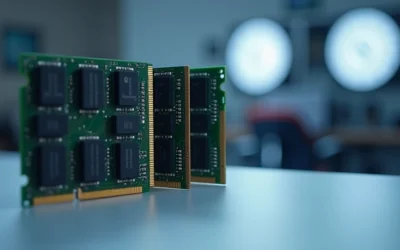
Desktop and notebook memory modules are physically different. The PNY XLR8 Gaming kit in this comparison is a notebook SODIMM kit, while the Corsair desktop kit and the listed 288-pin DDR4 products are intended for desktop-class systems. A SODIMM should not be selected for a standard desktop UDIMM slot, and a full-size UDIMM cannot be installed in a normal laptop memory socket.
Before buying, confirm whether the memory is replaceable. Some thin laptops use soldered memory and provide no upgrade slots, while others have one soldered bank and one SODIMM socket. Desktop buyers should also inspect CPU cooler clearance because tall heat spreaders or RGB housings can conflict with large air coolers. Additional guidance is available in our broader computer memory comparison section.
Evaluate Voltage, XMP Profiles, and Thermal Design
Voltage and profile support indicate how a kit reaches its advertised specification. The Netac DDR4-3200 CL16 kits are listed at 1.35V with XMP 2.0, while the PNY DDR4-3200 CL20 SODIMM and the PUSKILL DDR4-2666 CL19 kits are specified at 1.2V. An XMP-rated kit may boot at a conservative default speed until its profile is selected in the BIOS. Enabling a profile is still a form of memory overclocking, so stability depends on the processor’s memory controller and the motherboard BIOS.
Aluminum heat spreaders can protect components and distribute heat, but they should not be treated as proof of higher performance. Netac lists upgraded aluminum heat sinks on several Shadow-series models, and one PUSKILL kit includes an aluminum heatsink. For standard-voltage memory, airflow and case conditions are usually more important than heat-spreader size. RGB lighting is primarily an aesthetic feature and should be considered only after compatibility, capacity, speed, and latency.
Testing and Selection Methodology
We compared 15 catalog models using the supplied product records and manufacturer-stated specifications rather than claiming physical benchmark testing. The analysis weighted DDR generation, total capacity, matched-module configuration, transfer rate, CAS latency, voltage, XMP support, desktop or laptop form factor, heat-spreader design, and the clarity of compatibility information. We also calculated approximate CAS latency where both frequency and CL values were available.
Warranty terms, long-term failure rates, and verified user satisfaction were considered only when usable data was present. The current feed reports 0 reviews, and individual rating values were not supplied for the detailed products, so we did not assign quality claims based on missing review scores. Models with incomplete warranty or feature data were not given invented specifications. Brand reliability was treated as a supporting factor, while documented compatibility and measurable memory specifications received greater weight.
Best Picks and Final Verdict
Best Overall Best Dual Channel RAM: Netac Shadow S 32GB DDR4-3200 CL16. This kit offers a balanced specification for compatible DDR4 desktops: 32GB in a matched 2 x 16GB configuration, DDR4-3200 transfer speed, CL16 timing, XMP 2.0 support, 1.35V operation, and an aluminum heat sink. Its approximate 10ns CAS calculation is stronger than the listed DDR4-3200 CL20 laptop kit and DDR4-2666 CL19 desktop options. Buyers should still confirm that their motherboard supports DDR4-3200 and XMP.
Best Value or Budget Choice: Patriot Memory Signature Line 16GB DDR4-2666 Dual Kit. The Patriot kit is the practical choice for a compatible desktop that needs a straightforward 2 x 8GB capacity upgrade without paying for specifications the platform may not use. Its 2666MHz rating is lower than the Netac DDR4-3200 models, and its CAS latency was not specified in the supplied data, but the matched UDIMM configuration is suitable for basic productivity, general multitasking, and older DDR4 platforms. Compare the system’s full configuration with our desktop computer buying resources before upgrading a prebuilt machine.
Best for Laptop Upgrades: PNY XLR8 Gaming 32GB DDR4-3200 SODIMM Kit. PNY is the clearly identified notebook option in the detailed product data, combining 32GB capacity, a matched 2 x 16GB layout, DDR4-3200 speed, CL20 timing, and 1.2V operation. It is appropriate only for laptops that accept replaceable DDR4 SODIMMs and support the required capacity. For a new DDR5 desktop, the Corsair Vengeance RGB 32GB DDR5-6000 CL36 kit is the relevant alternative, but it requires a DDR5-compatible platform.
Frequently Asked Questions
Does dual-channel RAM double computer performance?
No, dual-channel memory can substantially increase theoretical memory bandwidth, but it does not double overall computer performance. The real improvement depends on whether the workload is limited by memory bandwidth, with integrated graphics and some gaming or content-production tasks often benefiting more than basic office applications.
How much dual-channel RAM do I need?
A 16GB matched kit is a reasonable baseline for general computing, while 32GB provides better headroom for demanding games, creative applications, development tools, and heavy multitasking. Workstations running virtual machines, large datasets, or high-resolution production software may need more, provided the processor and motherboard support it.
Can I mix different RAM brands or capacities?
You can sometimes mix modules, but a factory-matched kit is more predictable because both modules share specified capacity, speed, timings, and voltage. Mixed memory commonly operates at the settings of the slowest module and may require manual tuning, so consult the motherboard documentation and our RAM selection guides before combining kits.
Is higher MHz always better than lower CAS latency?
No, frequency and latency should be evaluated together because a higher transfer rate can be paired with a larger CL number. Use the approximate formula CL divided by transfer rate multiplied by 2,000 to compare first-word CAS latency, then consider bandwidth, application behavior, platform limits, and stability.
Can laptop SODIMM RAM be installed in a desktop PC?
No, standard laptop SODIMMs and desktop UDIMMs have different dimensions and slot designs. The PNY XLR8 Gaming kit listed here is intended for compatible notebooks, while the 288-pin Netac, PUSKILL, and Patriot Memory modules are desktop products.