For property owners who need continuous clearing power for stubborn lawn debris without waiting on recharge cycles, the Husqvarna 125B Gas Leaf Blower offers proven balance and control, though it requires routine 2-cycle fuel mixing and pull-start maintenance.

Pros
- Lightweight 9.4-pound design offers easy handheld maneuvering
- Reduced-resistance recoil system eases engine pull starts
- Translucent fuel tank allows quick monitoring of gas levels
- Cushioned anti-vibration handle helps dampen arm strain
- Capable of up to 380 CFM and 180 MPH airflow
Cons
- Requires mixing 2-cycle gas and oil at a 50:1 ratio
- Modest 380 CFM output is best suited for lighter debris
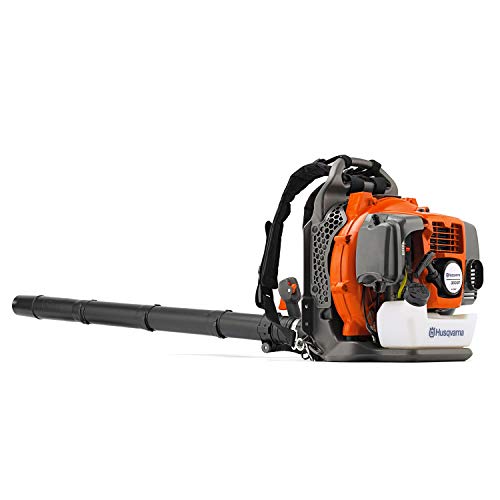
Pros
- 50.2-cc 2.1-HP X-Torq engine
- Rated blowing force of 692 CFM and 180 MPH
- LowVib technology dampens machine vibrations
- Air purge primer simplifies engine starts
- Ergonomic harness with offset control handle
Cons
- Weighs 22 pounds before fuel is added
- Requires ongoing two-stroke fuel mixing

Pros
- Lightweight design at only 4.4 pounds
- 7-Amp motor rated up to 180 MPH and 180 CFM
- Built-in cord retention prevents unplugging
- Zero emissions with instant push-button start
- Simple, low-maintenance corded design
Cons
- Extension cord is not included
- Operating range is limited by cord reach

Pros
- Boost button provides up to 410 CFM and 110 MPH
- Brushless motor extends runtime and performance
- Includes a 5.0Ah V20 battery and charger
- Integrated hook fits VERSATRACK storage systems
- Weatherguard technology helps protect tool from dust/moisture
Cons
- Rated runtime is up to 24 minutes per charge
- Boost mode will deplete the battery more quickly

Pros
- 28cc 1.1-HP 2-stroke gas engine
- Rated up to 280 MPH and 490 CFM
- Quick-start ignition mechanism
- 0.65-liter translucent fuel tank
- Lightweight 9.5-pound bare tool weight
Cons
- Requires 2-cycle gas and oil mixing
- Produces engine noise and emissions

Pros
- 28cc 2-stroke engine up to 200 MPH
- Rated air volume up to 475 CFM
- Weighs under 10 pounds for one-hand use
- Variable speed trigger provides adjustable output
- Durable plastic and metal construction
Cons
- Requires ongoing gas and oil mixing
- Produces standard small-engine emissions

Pros
- 51cc 2-cycle engine produces up to 765 CFM and 270 MPH
- Padded harness and hip belt provide balanced load distribution
- Air purge system removes fuel line air for easier starting
- Variable speed throttle includes cruise control functionality
- Proven X-Torq engine technology maintains high clearing force
Cons
- Heavier 22-pound build can cause fatigue on extended jobs
- Requires routine 2-cycle gas and oil fuel maintenance

Pros
- 28-cc engine delivers up to 470 CFM and 170 MPH
- Cruise control function enables comfortable sustained operation
- Air purge system removes air from carburetor for easier starting
- Auto-return stop switch automatically resets to the on position
- Adjustable soft-grip handle engineered to reduce strain
Cons
- Requires 2-cycle fuel and oil mixing
- Produces engine exhaust emissions and engine noise
Pros
- Weighs under 10 pounds for single-hand use
- Rated up to 200 MPH and 475 CFM airflow
- Powered by a 28cc two-stroke engine
- Variable speed control for different surfaces
- Engineered plastics and metal construction
Cons
- Requires 2-stroke fuel and oil pre-mixing
- Gas engine produces exhaust and noise

Pros
- 26cc engine rated at up to 180 MPH and 380 CFM
- Recoil system designed to reduce pull resistance by 50%
- Lightweight 7.7 lb dry weight for handheld maneuverability
- Soft-grip handle designed to mitigate vibration at 5.6 m/s
- Continuous gas operation eliminates battery recharging delays
Cons
- Requires 2-cycle gas and oil fuel mixing
- Routine engine and fuel maintenance required
Handheld vs. Backpack Gas Blowers: Which Design Fits Your Yard?
Handheld gas blowers provide immediate directional control and easy storage for small- to medium-sized yards, whereas backpack models distribute heavy engine weight across your shoulders for multi-acre cleanup. A compact handheld blower lets you quickly clear driveways, patios, and garden borders without strapping into an elaborate harness system.
While models like the Husqvarna 150BT Gas Backpack Leaf Blower generate an advertised 765 CFM and 270 MPH using a 51-cc engine, they add bulk and cost substantially more. In contrast, handheld options like the Getell 26cc Gas Leaf Blower or the Husqvarna 125B Gas Leaf Blower weigh significantly less and maneuver easily around tight flower beds. The major trade-off is fatigue: carrying the entire tool weight in one hand can tire your arm during cleanup sessions exceeding 30 to 45 minutes. For broader perspective on clearing options, browse our guide to leaf blowers.
Evaluating Airflow and Speed: When 470 CFM Outperforms High Velocity
Cubic feet per minute (CFM) determines the volume of leaves a blower can push at once, while miles per hour (MPH) indicates how effectively the air stream dislodges wet, compacted material. Buyers frequently overemphasize MPH ratings, but higher CFM creates a wider swath that clears large lawns faster.
For example, the Husqvarna 125B Gas Leaf Blower advertises 470 CFM alongside a 170 MPH stream, delivering a balanced 12.5 N of clearing force suited for sweeping broad lawns. Meanwhile, budget models like the Relxxon Gas Leaf Blower 26cc, 2-Cycle, Handheld generate an advertised 180 MPH but only 380 CFM. A narrow, high-velocity stream can blast out packed mud or wet pine needles, but lower total volume requires more passes over open turf. If you need maximum push for heavy debris, explore our breakdown of high-powered leaf blowers.
Engine Displacement and Weight: Managing Arm Strain During Long Cleanups
Engine displacement directly influences both blowing capability and the physical burden on your wrist and shoulder. Handheld 2-stroke engines typically range from 26cc to 28cc, balancing manageable weight with sufficient output.
The Relxxon Gas Leaf Blower 26cc features an advertised dry weight of just 7.7 pounds, making it one of the lightest handheld fuel-powered tools available for tight corners and steps. Stepping up to 28cc units, such as the 28 CC Gas Leaf Blower, 490 CFM 280 MPH by Elementool or the DOWILIN 28CC Gas Leaf Blower, provides higher advertised output (up to 490–495 CFM) but brings the tool weight closer to 9.5 to 10 pounds before adding fuel. For users with joint sensitivity, even two pounds makes a notable difference over an hour of yard work, so prioritize lower dry weights if physical comfort outweighs top-end power.
Gas vs. Battery Handheld Blowers: Fuel Mixing Against Battery Limits
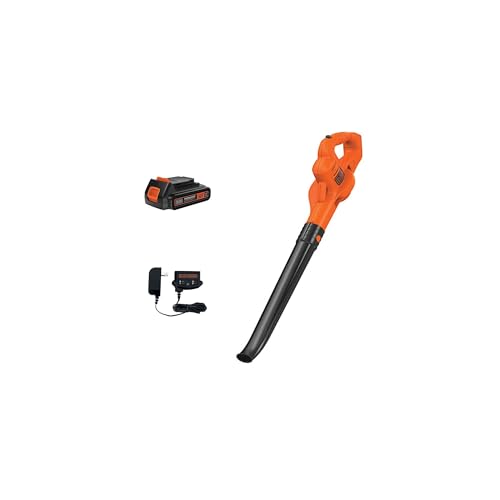
Gas blowers provide sustained, fade-free runtimes simply by refilling the fuel tank, making them superior for larger lots, but they demand ongoing engine maintenance that electric tools eliminate. Electric models, such as the BLACK+DECKER Electric Leaf Blower or CRAFTSMAN Leaf Blower Cordless with Battery, start instantly with a switch and emit no local exhaust.
However, electric alternatives present distinct operational hurdles. Corded units like the BLACK+DECKER require extension cords that tether your working radius, while cordless platforms like the CRAFTSMAN V20 deliver an advertised runtime of up to 24 minutes per battery pack. A gas blower like the Getell 26cc Gas Leaf Blower or Husqvarna 125B allows you to work indefinitely across an acre without power interruptions, provided you mix unleaded fuel with 2-cycle oil at the specified ratio and maintain spark plugs and fuel filters. You can read more about cordless advantages in our cordless battery leaf blower guide.
Frequently Asked Questions About Handheld Gas Blowers
What fuel mixture is required for a handheld 2-cycle gas leaf blower?
Most 2-cycle handheld gas engines, including models from Getell and Husqvarna, specify a 50:1 ratio of fresh unleaded gasoline to quality 2-stroke engine oil. Always check your specific model's manual before filling, as running pure gasoline without oil will quickly seize the engine.
Why would someone choose a handheld gas blower over a cordless electric model?
A handheld gas blower offers continuous run capability: when the tank is empty, you simply refill the fuel mix rather than pausing for a battery recharge. Gas units also tend to maintain consistent blowing force across the entire run, whereas battery models may taper off or require expensive spare packs for large yards.
How heavy is a typical handheld gas leaf blower?
Most handheld gas models range between 7.7 and 10 pounds dry weight, depending on the engine displacement and housing. Adding a full tank of fuel slightly increases the overall operating weight, which is important to consider if single-arm fatigue is a concern.
Choosing the Right Gas Handheld Blower for Your Property
Selecting the best tool requires aligning yard size, physical handling tolerance, and maintenance expectations. If you maintain a typical suburban lot with mixed hardscapes, garden beds, and turf, a dedicated 26cc to 28cc handheld blower strikes the sweet spot between clearing speed and single-handed agility.
For general residential lawn maintenance, the Husqvarna 125B Gas Leaf Blower is the recommended choice, delivering dependable 28cc clearing performance, an air purge primer for straightforward starts, and cruise control to reduce hand strain. Its primary limitation is an advertised air speed of 170 MPH, which falls behind higher-velocity units when dislodging deeply matted wet leaves. If your property spans over an acre with dozens of mature deciduous trees, the backpack-mounted Husqvarna 350BT Gas Leaf Blower offers a superior heavy-duty alternative by shifting the 50.2-cc engine’s weight onto your shoulders.