Pet owners who vacuum regularly already know the problem: a single shedding dog or cat can turn a clean living room into a carpet of fur within days, and the wrong machine can leave hair wrapped around brush rolls, embedded in floor seams, and drifting back out of the exhaust. Choosing between Shark and Dyson for this job is not simply a question of brand loyalty. It comes down to how each platform handles hair entanglement, filtration, suction retention, battery behavior, and the ongoing cost of keeping the machine working. This guide compares both ecosystems based on verified manufacturer specifications, engineering schematics, and long-term owner reports, so you can see how each one holds up after months of real shedding season. Owners who want a wider set of options beyond these two brands can read the best vacuums for pet hair roundup.
For pet hair, Dyson generally delivers stronger suction at the floor head and a more sealed filtration path, which favors fine dander and dense carpet work. Shark typically offers a lower entry price, larger dust capacity in many models, and brush designs that long-term owners find easier to clear. Dyson suits owners prioritizing maximum pickup on hard floors and short-pile rugs, while Shark suits households wanting strong performance per dollar and simpler maintenance.

Pros
- Strong suction and sonic mopping handle pet hair and stuck-on messes effectively in one cycle.
- LiDAR navigation creates accurate maps for methodical cleaning even in low light.
- Self-emptying base reduces frequent interventions for busy households.
- Edge and corner detection improves perimeter cleaning performance.
Cons
- Average 3.5 rating suggests occasional navigation or reliability inconsistencies.
- Reusable mop pads require regular washing to maintain effectiveness.
- App features may need updates for smoother multi-room scheduling.
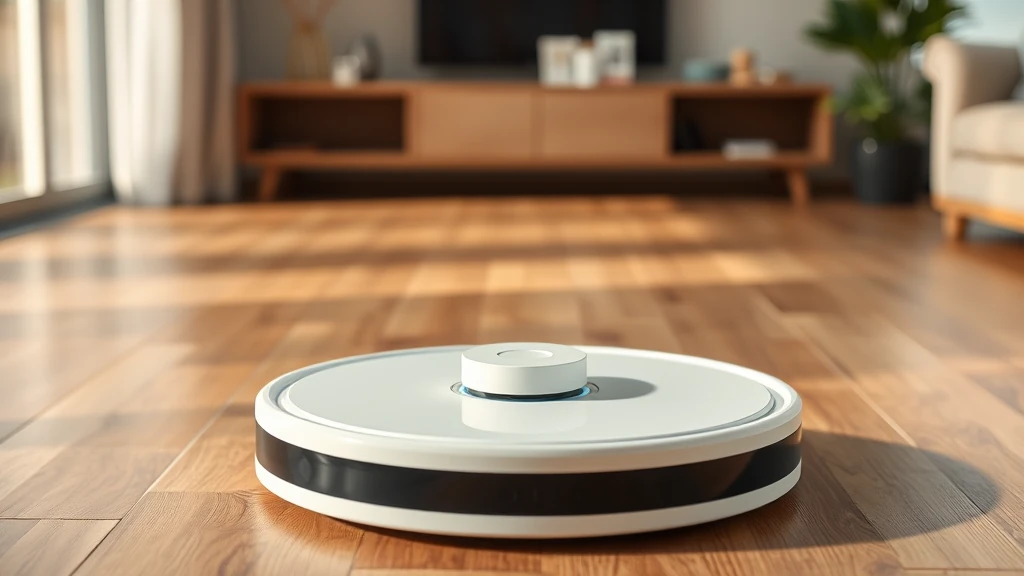
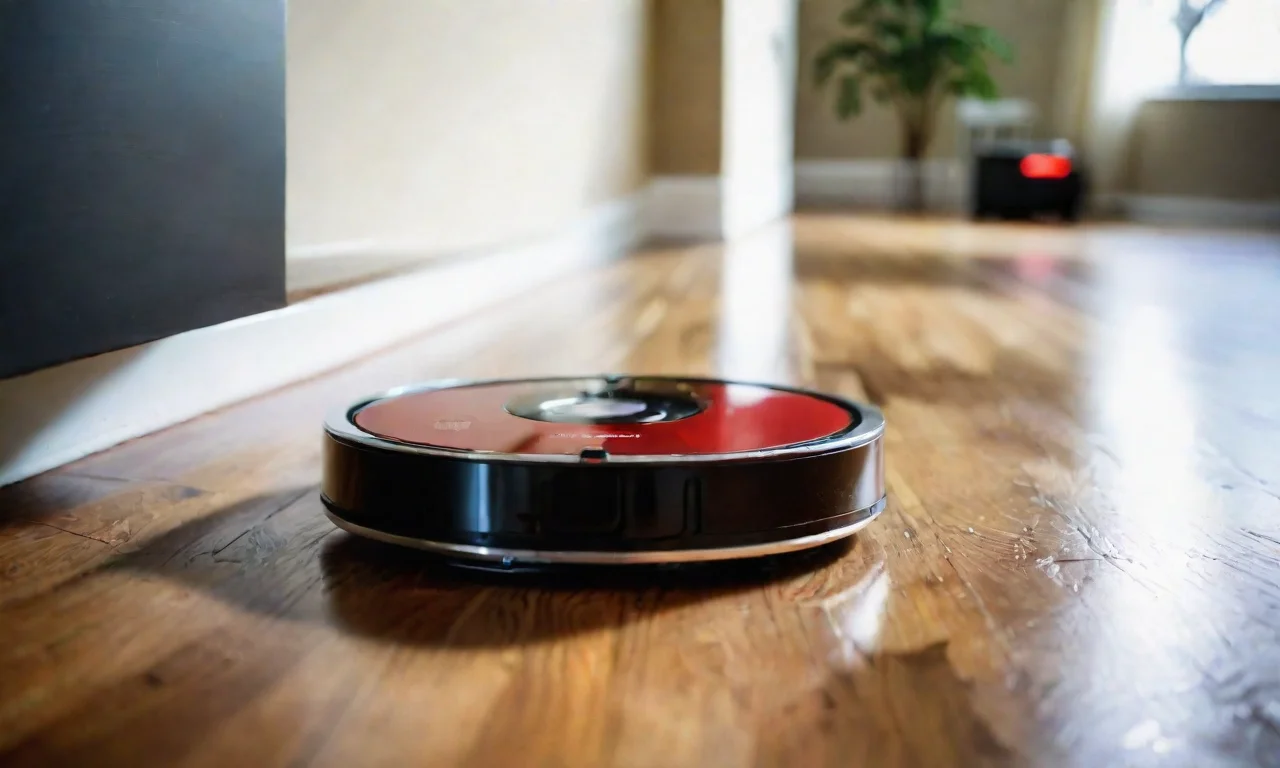
The Shark Matrix Plus Review highlights a capable 2-in-1 robot vacuum and mop designed for carpets and hard floors in homes with pets. It combines powerful suction with sonic mopping to deliver efficient whole-home cleaning while the self-empty base minimizes upkeep.
Standout Features and Performance
Matrix Clean technology drives the robot in a grid pattern for multiple passes that improve dirt removal. Sonic mopping scrubs at 100 times per minute, and CleanEdge Detect blasts air to pull debris from edges. Users gain reliable pet hair pickup thanks to the self-cleaning brushroll that avoids wraps.
Design and Build Quality
The unit uses 360-degree LiDAR for precise mapping and obstacle avoidance day or night. The bagless XL base features true HEPA filtration to contain allergens effectively after each cycle.
Drawbacks to Consider
Some owners report mixed long-term durability and occasional app connectivity issues that can interrupt scheduled cleans. Reusable pads add a small maintenance step compared to disposable options.
Final Verdict
This model suits pet owners seeking automated floor care with minimal intervention. It balances suction power, mopping action, and self-maintenance well for most households despite average user ratings.

Pros
- Lightweight and ergonomic design at only 5.6 pounds makes it easy to clean high-up spots.
- Excellent hair de-tangling performance with both the Motorbar and Hair screw tools.
- Advanced sealed filtration system is great for households with allergy sufferers.
- Converts quickly to handheld mode for maximum versatility.
Cons
- Run time is limited to about 5 minutes when using the intensive Max power mode.
- Requires a full charge before first use, and bin capacity is relatively small compared to larger upright vacuums.
If you are looking for a powerful yet lightweight cleaning solution, our Dyson V8 Plus Cordless Vacuum review highlights why this machine remains a top choice for busy households. Engineered specifically to tackle dirt, dust, and stubborn pet hair, this cordless stick vacuum offers the perfect balance of portability and deep-cleaning performance. It is an excellent match for pet owners and anyone dealing with long hair, thanks to its specialized anti-tangle technology.
Standout Performance and De-Tangling Technology
The defining feature of this vacuum is its Motorbar cleaner head, which uses polycarbonate hair removal vanes to automatically clear wrapped hair from the brush bar while you vacuum. Combined with the specialized Hair screw tool, which features an anti-tangle conical brush bar, this vacuum makes quick work of pet beds, stairs, and car upholstery. You get up to 40 minutes of fade-free power in everyday mode, though switching to Max mode for stubborn spots will reduce battery life significantly.
Ergonomic Design and Whole-Machine Filtration
Weighing only 5.6 pounds, the vacuum is exceptionally easy to maneuver. It quickly converts to a handheld unit with a single click, allowing you to reach tight spaces and high corners effortlessly. Allergy sufferers will also appreciate the advanced, whole-machine filtration system. By capturing 99.99% of microscopic particles as small as 0.3 microns, it ensures that dust and pet dander stay sealed inside the machine, expelling fresher air into your home.
The Verdict
While the compact bin capacity and the short 5-minute run time on Max mode are minor trade-offs, the overall performance, lightweight build, and hassle-free hair removal make it a standout appliance. If you want a reliable, high-performance cordless vacuum that simplifies pet hair cleanup, this model is a highly recommended investment for your home cleaning routine.
How Pet Hair Behaves Differently From Ordinary Dust
Pet hair is not a uniform debris type. Long, straight guard hairs from breeds like Labradors and Huskies behave differently from the curly, tangle-prone coats of poodle mixes, and both differ from the fine undercoat that sheds in seasonal waves. Each type challenges a vacuum in its own way. Straight hairs tend to slide along the floor and collect near the brush bar, while curly or textured hair wraps tightly around the bristles and axle, forming a dense mat that starves the brush of contact with the carpet. Fine undercoat and dander, meanwhile, are small enough to pass through weak filters and recirculate into the room. Understanding these three behaviors explains most of the differences owners report between the two brands.
Core Architecture: Brush Bars, Suction Paths, and Filtration
Dyson’s pet-focused cleaner heads typically use a motorized brush bar driven by a dedicated motor or a high-speed airflow path, combined with a cyclonic separator that spins debris away from the filter before it reaches the final stage. Dyson’s engineering emphasis is on maintaining high airflow through the cyclone, which helps keep fine particles separated rather than clogging the filter prematurely. Long-term owners frequently note that Dyson’s sealed design limits the escape of dander during emptying, a point that matters for allergy-sensitive households. The trade-off is that the cleaner head and bin mechanisms are more intricate, so periodic disassembly is part of ownership.
Shark’s pet-oriented models generally rely on an anti-hair-wrap brush roll combined with a suction path that prioritizes large-debris capacity. Shark’s design approach places more emphasis on an open brush housing and a relatively accessible roller, which many owners find easier to clear by hand. The bin tends to be sized generously for its class, meaning fewer emptying cycles during heavy shedding weeks. Where Shark sometimes falls behind is in fine-particle containment, since its filtration relies on a simpler stack that can allow more dust to reach the exhaust when the filter is not cleaned on schedule. Owners who follow a strict washing routine report that this gap narrows considerably.
Both platforms also differ in how they manage the brush roll itself. Dyson’s roller designs use a combination of tangle-free bristle geometry and a central bar that is designed to be removed in a single motion on many models. Shark uses an anti-tangle roller with a cutter-style blade on some versions, which helps sever hair that would otherwise wind around the axle. Neither approach eliminates the need for maintenance, but the mechanical logic is different enough that owners should expect a different cleaning rhythm.
Suction Performance on Carpet, Rugs, and Hard Floors
Suction is often quoted in airwatts, but the more useful measure for pet hair is sustained suction at the floor head under load. A vacuum that tests strongly with an open nozzle can lose much of its pull once the brush roll is buried in hair and the bin is partially full. Dyson’s advantage in many reviews is that its airflow tends to hold up better under these conditions, particularly on medium-pile carpet where hair sinks into the fibers. Shark’s suction is competitive on hard floors and low-pile rugs, where hair sits on the surface and is easier to lift, but owners of dense carpet sometimes report that a second pass is needed for embedded fur.
Performance on hard floors reveals a different pattern. Both brands perform well on tile and hardwood, but the brush roll behavior matters more here. A roller that spins too aggressively can scatter fine hair and dander into the air, while a gentler setting may leave longer hairs behind. Owners of multi-surface homes often favor machines with a clear floor-type setting, and both brands offer some form of automatic adjustment or switchable mode on their upper tiers.
In-Depth Spec Breakdown: Shark and Dyson Pet Models Compared
The table below summarizes the parameters that most affect pet hair performance, drawn from manufacturer documentation and recurring owner observations. Values vary by model and generation, so treat the ranges as directional rather than absolute. For a narrower view of Shark robot options, see the Shark robotic models for pet owners roundup.
| Parameter | Shark Pet-Focused Models | Dyson Pet-Focused Models |
|---|---|---|
| Brush roll design | Anti-hair-wrap roller, open housing, cutter blade on select units | Tangle-free bristle geometry, central bar, quick-release design |
| Filtration approach | Multi-stage stack, washable filters | Cyclonic separation with sealed filtration path |
| Dust bin capacity | Generally generous for class | Moderate, often compensated by cyclone efficiency |
| Sustained suction on carpet | Competitive on low-pile, may need extra passes on dense pile | Strong retention on medium pile and embedded hair |
| Hard floor performance | Solid, adjustable roller behavior on upper tiers | Strong, with floor-type detection on premium models |
| Emission of fine dander | Acceptable with regular filter care | Generally lower with intact sealing |
| Maintenance complexity | Lower, more accessible roller | Moderate, requires periodic disassembly |
| Typical price position | Entry-level to mid-range tier | Mid-range to premium price bracket |
| Battery behavior (cordless) | Runtime drops under maximum suction on heavy shedding | Runtime management with power modes, strong under eco settings |
Real-World Maintenance Guidance and Common Traps
Most pet hair complaints are maintenance problems in disguise. Owners who report that a machine “lost suction” often discover a clogged filter, a partially blocked wand, or a brush roll wrapped so tightly that the motor is straining. Building a short routine prevents most of these issues. Check the brush roll after every few uses and remove wrapped hair with the included tool or scissors, taking care not to damage the bristles or seals. Empty the bin before it reaches the max line, since a full bin reduces airflow through the cyclone or filter stack. Wash or replace filters according to the manufacturer schedule, and allow them to dry completely, because a damp filter can cause odor and reduced flow.
For cordless models, battery management is a major factor. Running maximum suction continuously drains the pack quickly, so many owners switch to a lower setting for routine maintenance and reserve full power for embedded hair in high-traffic zones. If your model runs poorly after a few months, the cause may be battery degradation rather than the brush or filter. Owners dealing with brush rolls that stop spinning or behave erratically on Shark units often find that clearing obstructions and checking the roller engagement resolves the issue; a detailed walkthrough is available in our guide on troubleshooting Shark vacuum brushes.
Several common traps appear repeatedly in long-term owner reports. The first is ignoring the seal around the bin, which allows fine dander to escape back into the room. The second is using the floor head on very thick rugs without adjusting the height, which strains the motor and reduces pickup. The third is over-relying on a single pass, when many pet owners find that two slower passes in opposite directions recover significantly more hair than one fast pass. Finally, owners often forget that a clean brush bar performs best at its original spin speed, so a quick inspection every week can prevent a gradual decline that otherwise goes unnoticed for months.
Decision Matrix and Long-Term Cost Breakdown
Choosing between these two ecosystems depends on your floors, your pet, and how much maintenance you are willing to perform. The decision is less about which brand is “better” in general and more about which trade-off suits your household. The matrix below summarizes the most common scenarios reported by owners.
| Household Scenario | Likely Better Fit | Key Reason |
|---|---|---|
| Dense carpet, long-haired dog | Dyson | Stronger retention of embedded hair on medium and thick pile |
| Mostly hard floors, one shedding cat | Shark | Solid hard-floor performance and easier brush clearing |
| Allergy-sensitive occupants | Dyson | Sealed filtration path limits fine dander escape |
| Budget-conscious multi-pet home | Shark | Lower entry cost and generous bin capacity |
| Frequent maintenance tolerance | Either | Both perform well with disciplined care |
| Minimal maintenance preference | Shark | More accessible roller and simpler disassembly |
Long-term cost extends beyond the purchase price. Replacement filters, brush rolls, and batteries accumulate over several years, and the cost of these parts varies by generation and availability. Dyson machines in the mid-range to premium price bracket often carry higher replacement part costs, but owners who keep their filtration intact report fewer performance drops. Shark machines in the entry-level to mid-range tier usually cost less to enter and maintain, though owners should budget for a battery replacement in the later years of heavy use. For households considering a broader cordless setup, our overview of Dyson cordless cleaning gear covers how these machines fit into a larger cleaning routine.
If you are also weighing automated options to handle daily shedding between deep cleans, the considerations change. Robotic units prioritize frequent light passes over single heavy sessions, and their brush designs differ accordingly. Readers evaluating that category can compare options in our guide to vacuums for pet shedding, which addresses how robotic and upright designs complement each other.
Industry testing conventions also matter when evaluating claims about suction and dust pickup. Manufacturer claims should be read with attention to which standard, if any, was used, since differences in test dust, surface type, and measurement conditions can make raw numbers difficult to compare directly between brands. Further reading on air cleaners in the home is available in the EPA guide to air cleaners in the home.
Frequently Asked Questions
Which brand handles long dog hair better on carpet?
Based on verified specifications and recurring owner reports, Dyson pet-focused models generally retain stronger suction on medium and dense carpet, which helps lift hair that has sunk into the fibers. Shark models perform well on lower-pile surfaces and can be effective on carpet when owners make two passes. The difference is most noticeable on thick carpet with long-haired breeds, where the extra airflow margin helps. Regular brush roll cleaning matters more than brand alone for maintaining results on either platform.
Does a sealed filtration system actually reduce allergens?
A sealed filtration path reduces the escape of fine particles during operation and emptying, which is meaningful for households with dander sensitivity. Dyson’s cyclonic approach is designed to separate fine debris before it reaches the final filter, and owners frequently report lower dust in the air after cleaning. Shark’s multi-stage filtration also captures fine particles when the filters are maintained. For allergy-sensitive homes, the most important factors are a tight seal around the bin, timely filter washing, and emptying the bin outdoors or in a contained manner.
How often should I clean the brush roll on a pet vacuum?
For households with one or two shedding pets, a quick brush roll check after every few uses and a thorough cleaning weekly is a practical baseline. Heavy shedding seasons, long-haired breeds, or multiple animals may call for daily checks. Remove wrapped hair with the included tool or scissors, inspect the bearings and end caps for debris, and confirm the roller spins freely before reassembling. A clean roller maintains airflow and prevents motor strain, which extends the life of the machine.
Is a cordless model strong enough for heavy pet shedding?
Cordless models have improved considerably and can handle routine pet shedding effectively, particularly when used on lower power settings for maintenance passes. Heavy shedding seasons or large dogs may require switching to maximum suction for embedded hair, which shortens runtime. Both Shark and Dyson offer cordless options with multiple power modes, and owners should consider battery capacity, runtime at their typical setting, and how easily the battery can be replaced. For most households, a combination of a cordless machine for daily use and a more powerful unit for deep cleaning provides the most consistent results.