Quick Answer: Snowblower Price Ranges
Snowblower prices vary widely based on type, power, and fuel source. Single-stage models typically cost $300-$800, two-stage models range from $800-$2,500, and three-stage commercial units exceed $3,000. Cordless electric models fall between $400-$1,500, while gas-powered machines dominate the mid to premium ranges. Used snowblowers cost 30 to 50% less than new equipment but may require maintenance.

Pros
- 24-inch clearing path covers large areas quickly
- Self-propelled drive reduces manual pushing effort
- Equipped with 13-inch snow tires for traction
- Electric start enables fast ignition in cold weather
- Manufacturer-rated snow throwing distance up to 40 feet
Cons
- Heavy 142-pound build requires significant effort to store
- Listing title notes recoil start while features state electric

Pros
- 20-inch clearing width and 10-inch intake depth per pass
- 180-degree rotating chute with adjustable deflector
- Throws snow up to a manufacturer-stated 35 feet
- Uses two 20V 6.0Ah PowerShare Pro batteries
- Battery platform works across compatible Worx tools
Cons
- Limited to 10 inches of snow intake height per pass
- Performance and battery life decrease in dense, wet snow

Pros
- Wide 23-inch clearing path and 12-inch depth
- 15A 2200W motor throws snow up to 25 feet
- 180-degree directional chute adjustment
- Dual LED headlights for low-light snow removal
- Dual safety switch helps prevent accidental starts
Cons
- Tethered operation requires an extension cord
- Cord management can be awkward in deep snow
Snowblower Price Ranges by Type
Single-Stage Snowblowers: $300-$800
Single-stage snowblowers are the most affordable option and ideal for light to moderate snowfall on driveways and small properties. These compact machines use a single auger to both scoop snow and propel it forward in one motion.
- Budget models ($300-$500): Basic push-style units with small engines (typically 3 to 5 horsepower), clearing widths of 18 to 21 inches, and manual controls. Best for occasional use and minimal snow accumulation.
- Mid-range single-stage ($500-$800): Self-propelled options with slightly larger engines (5 to 7 HP), wider clearing paths (20 to 24 inches), and improved throw distance. These are reliable for homeowners in regions with regular but not extreme snowfall.
Two-Stage Snowblowers: $800-$2,500
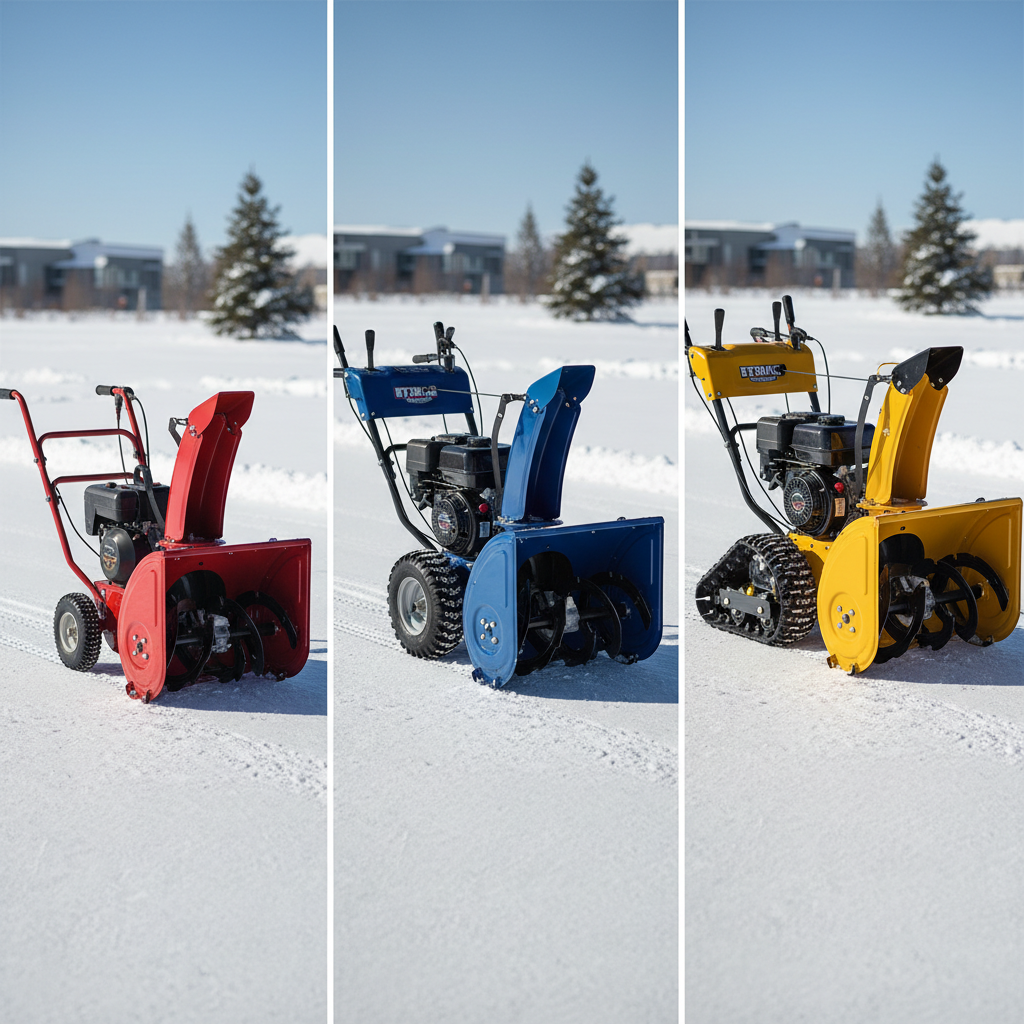
Two-stage snowblowers represent the largest segment of the residential market. They use an auger to collect snow and a separate impeller to discharge it with force, allowing for longer throw distances and handling of heavier, wet snow.
- Entry-level two-stage ($800-$1,200): Compact self-propelled units with 7 to 10 HP engines, 22 to 26 inch clearing widths, and throw distances of 25 to 35 feet. Suitable for average residential properties in moderate climates.
- Mid-range two-stage ($1,200-$1,800): Larger machines with 10 to 14 HP engines, 26 to 30 inch clearing paths, power steering, and heated handles. These handle wet, heavy snow and larger driveways effectively.
- Premium two-stage ($1,800-$2,500): Heavy-duty models with 14+ HP engines, 28 to 32 inch widths, electric start, heated cabins on some models, and advanced controls. Built for frequent use and challenging snow conditions.
Three-Stage Snowblowers: $3,000-$6,000+
Three-stage snowblowers add a third accelerator stage for maximum throwing power and are designed for heavy commercial use, large properties, or extreme climate conditions. These machines feature massive clearing widths (32+ inches), powerful engines (18+ HP), and can handle packed snow and ice.
Cordless Electric Snowblowers: $400-$1,500
Battery-powered snowblowers have gained popularity due to quiet operation, low maintenance, and zero emissions. However, battery runtime and power limitations mean they work best for small to medium properties with regular maintenance.
- Compact cordless models ($400-$700): Single-stage battery units clearing 18 to 20 inches, with 30 to 45 minute runtimes. Ideal for townhomes, small lots, and light snow.
- Mid-range cordless ($700-$1,200): Two-stage battery-powered machines with dual batteries for extended runtime, 22 to 26 inch clearing widths, and improved throw distance.
- Premium cordless ($1,200-$1,500): High-capacity systems with multiple battery slots, heating features, and clearing widths comparable to gas two-stage models.
Key Factors That Affect Snowblower Cost
Clearing Width
Clearing width directly impacts price. A 20-inch model costs less than a 28-inch model because it covers less ground per pass and requires smaller components. For a 50-foot driveway, a wider machine reduces the number of passes needed, justifying the extra investment for larger properties. For broader ecosystem context, read through our operational guide on z890 vs x870e motherboard.
Engine Power and Displacement
Horsepower and engine displacement (measured in cubic centimeters) determine snow-moving capacity and price. A 5 HP engine costs significantly less than a 14 HP engine. More power handles heavier, wetter snow and allows for longer throw distances, critical factors in regions with substantial annual snowfall.
Fuel Type: Gas vs. Electric vs. Cordless
Gas snowblowers dominate the market but require fuel, oil changes, spark plug maintenance, and seasonal storage prep. Electric corded models cost less upfront but limit mobility with a power cord. Cordless electric machines offer flexibility and lower maintenance but include battery and charger costs. Battery replacement alone can run $200, $400. For troubleshooting and reliability insights, consult our in-depth marshall stanmore iii vs harman kardon onyx studio 8 report.
Self-Propelled vs. Push Models
Self-propelled snowblowers add $200-$600 to the base price but reduce operator fatigue and improve maneuverability on steep or wide driveways. For users with physical limitations or large properties, the added cost often justifies itself.
Brand Reputation and Warranty
Established brands (Toro, Honda, Craftsman, Troy-Bilt, Ariens) command higher prices than generic manufacturers due to reliability, warranty coverage, and parts availability. Premium brands often include 2, 5 year warranties, while budget options may offer only 1, 2 years. Parts availability in your region affects true ownership cost. Readers comparing setup options can review our technical analysis on dyson v8 cyclone vs bissell featherweight stick.
Budget Tiers: What You Get at Each Price Point
Under $500: Basic Residential Tools
At this price, expect a lightweight push-style single-stage snowblower with a small engine (3 to 5 HP) and 18 to 20 inch clearing width. These machines handle light, fluffy snow on small driveways and require significant operator effort. Best for occasional use in mild climates or as a backup machine.
$500-$1,000: Standard Residential Single-Stage and Entry Two-Stage
This tier offers reliable self-propelled single-stage models or entry-level two-stage snowblowers. Most include electric start, adequate power for average snow conditions, and clearing widths of 22, 26 inches. This is the sweet spot for homeowners in regions with predictable, moderate snowfall. For complementary field maintenance guidelines, examine our breakdown of bissell crosswave hydrosteam vs shark stainforce.
$1,000-$1,800: Solid Two-Stage Machines
Proven, mid-range two-stage models with 10 to 14 HP engines dominate this category. Machines typically feature heated handles, power steering, reliable throw distance of 30 to 40 feet, and excellent durability. This range suits most residential properties and heavier snow climates.
$1,800-$2,500: Premium Two-Stage and Commercial Crossover
Heavy-duty two-stage snowblowers with advanced controls, larger clearing widths (28 to 32 inches), and engines capable of handling consistently heavy snow. Some models include cab enclosures (snowblower operator shelters) and hydrostatic transmissions for smoother operation.
$2,500+: Commercial and Heavy-Duty Residential
Three-stage machines, professional-grade equipment, and specialized units for contractors, municipalities, and properties in extreme climates. These machines prioritize durability and performance over cost and include comprehensive warranties and dealer support.
New vs. Used: Cost Considerations
Used Snowblower Savings
A used snowblower typically costs 30 to 50% less than the new equivalent. A $1,600 two-stage model might sell used for $800-$1,100 after 3 to 5 seasons. For budget-conscious buyers, this represents significant savings, particularly if the machine shows minimal use.
Risks and Hidden Costs of Used Equipment
Purchasing used requires caution. Machines may have undisclosed mechanical issues, worn augers or impellers requiring replacement ($100-$300), or engine problems. A pre-purchase inspection ($50-$100) by a certified small-engine technician is wise. Budget an additional $100-$300 for immediate repairs or component replacement.
Where to Find Used Snowblowers
Used equipment appears on Facebook Marketplace, Craigslist, local equipment dealerships, pawn shops, and seasonal rental companies selling off inventory in spring. Spring (March-May) typically offers the best selection and prices as owners clear inventory post-season.
Additional Costs Beyond Purchase Price
Annual Maintenance and Fuel
Annual gas for a snowblower runs $30-$80 depending on usage and local fuel prices. Maintenance costs include oil changes ($15-$30), spark plug replacement ($10-$20), and belt maintenance ($50-$150 annually). Budget $100-$250 annually for a gas-powered machine in active use.
Storage and Seasonal Preparation
Proper off-season storage involves fuel stabilizer ($5-$10), spark plug cleaning or replacement, and garage or shed space. Some homeowners pay $20-$50 monthly for seasonal storage if space is unavailable at home.
Parts and Repairs
Shear bolts (designed to break to protect the machine) cost $5-$15 each and may need replacement multiple times per season in heavy use. Auger or impeller blade replacement runs $100-$300. Electric start repair typically costs $100-$200.
Cordless Electric Operating Costs
Charging a cordless snowblower adds minimal to your electric bill (typically under $1 per charge). However, battery degradation means replacement every 5 to 7 years at $200-$400, effectively adding $30-$60 annually to operating costs.
How to Choose a Snowblower Within Your Budget
Match Equipment to Your Climate
Regions receiving 10+ inches annually or with frequent heavy, wet snow justify investing in a two-stage machine ($1,200+). Areas with light, infrequent snowfall can use a single-stage model ($300-$800). Extreme climates (20+ inches annually) warrant serious consideration of three-stage equipment or commercial-grade machines.
Size Your Machine to Your Property
Calculate your driveway and walkway area in square feet. As a rule, a snowblower should clear your primary surfaces in 30 to 45 minutes. Wider machines (28 to 32 inches) reduce time but cost more. If you maintain multiple properties or have very large driveways, the time savings justify premium pricing.
Evaluate Your Physical Capability
Push-style snowblowers are cheaper but demanding physically. Self-propelled models ($200-$600 more) significantly reduce fatigue and suit older users or those with joint concerns. Premium cordless or electric models eliminate pull-cord starting, which is important for users unable to perform this task.
Consider Long-Term Value
A $1,600 two-stage machine used for 10 seasons costs $160 per season. A $600 single-stage machine lasting 5 seasons costs $120 per season, but if you need reliable performance in heavy snow, the two-stage’s superior capability justifies the higher cost-per-season. Factor in trade-in value; some dealers offer $100-$300 credits for used machines.
Seasonal Pricing Trends
Snowblower prices fluctuate seasonally. Fall (August-October) offers peak selection and regular pricing. Winter (November-January) sees prices increase slightly due to demand. Spring (March-May) brings clearance discounts (10 to 25% off) as retailers prepare for summer inventory. For best pricing, shop in fall or wait for spring sales if you can plan ahead.
Frequently Asked Questions About How Much Is A Snowblower
What’s the cheapest reliable snowblower I can buy?
A quality single-stage snowblower from a reputable brand (Toro, Craftsman, Honda) typically costs $400-$600 and delivers reliable performance for light to moderate snow. Models in this range include electric start, adequate power for driveways up to 50 feet, and 3 to 5 year warranties. Avoid extremely cheap models under $300, as they often lack durability and support.
Is it worth spending $2,000 on a snowblower?
If you experience regular heavy snowfall, maintain a large driveway (100+ feet), or remove snow multiple times per season, a premium two-stage machine ($1,800-$2,500) justifies the investment through superior capability, comfort (heated handles, wider clearing), and durability. Over a 10-year lifespan, the cost-per-use becomes reasonable for frequent operators. Occasional users rarely need to spend this much.
How much can I save by buying a used snowblower?
Used snowblowers typically sell for 30 to 50% of new prices. A $1,600 new two-stage model might cost $800-$1,100 used. However, budget an additional $100-$300 for potential repairs and a $50-$100 pre-purchase inspection. True savings average 25 to 40% after accounting for repairs.
Should I buy cordless electric or gas?
Cordless electric snowblowers are ideal for small properties (under 5,000 sq. ft.), light to moderate snow, and users prioritizing low maintenance and quiet operation. Gas machines are more powerful, handle heavier snow, and offer unlimited runtime, essential for larger properties or commercial use. Gas costs $100-$200 more upfront but remains the better choice for most residential users in snow-heavy regions.
Related Maintenance and Operating Guides
To keep your equipment running at peak operating efficiency, explore our related technical walkthroughs and maintenance tutorials:
- Consult our detailed breakdown on residential zero-turn lawn mower guide.
Snow Blower Price Ranges
Prices rise with engine size, clearing width, and whether the machine uses a single-stage or two-stage design. Used units and seasonal sales can bring the total down, but inspect any used machine carefully first. For general safety guidance on snow removal equipment, consider American National Standards Institute (ANSI).