
Direct Answer: How to Use an Edger
To use an edger safely and effectively, first identify your edger type: manual (muscle-powered with a half-moon blade), electric (corded or cordless), or gas-powered. Prepare your lawn by clearing debris and marking obstacles. Wear appropriate safety gear, position the blade at the turf edge, and move at a steady pace while letting the tool do the work. After use, disconnect power, clean the blade, and store it dry. The specific technique varies by edger type, which we cover in detail below.
Understanding Your Edger Type
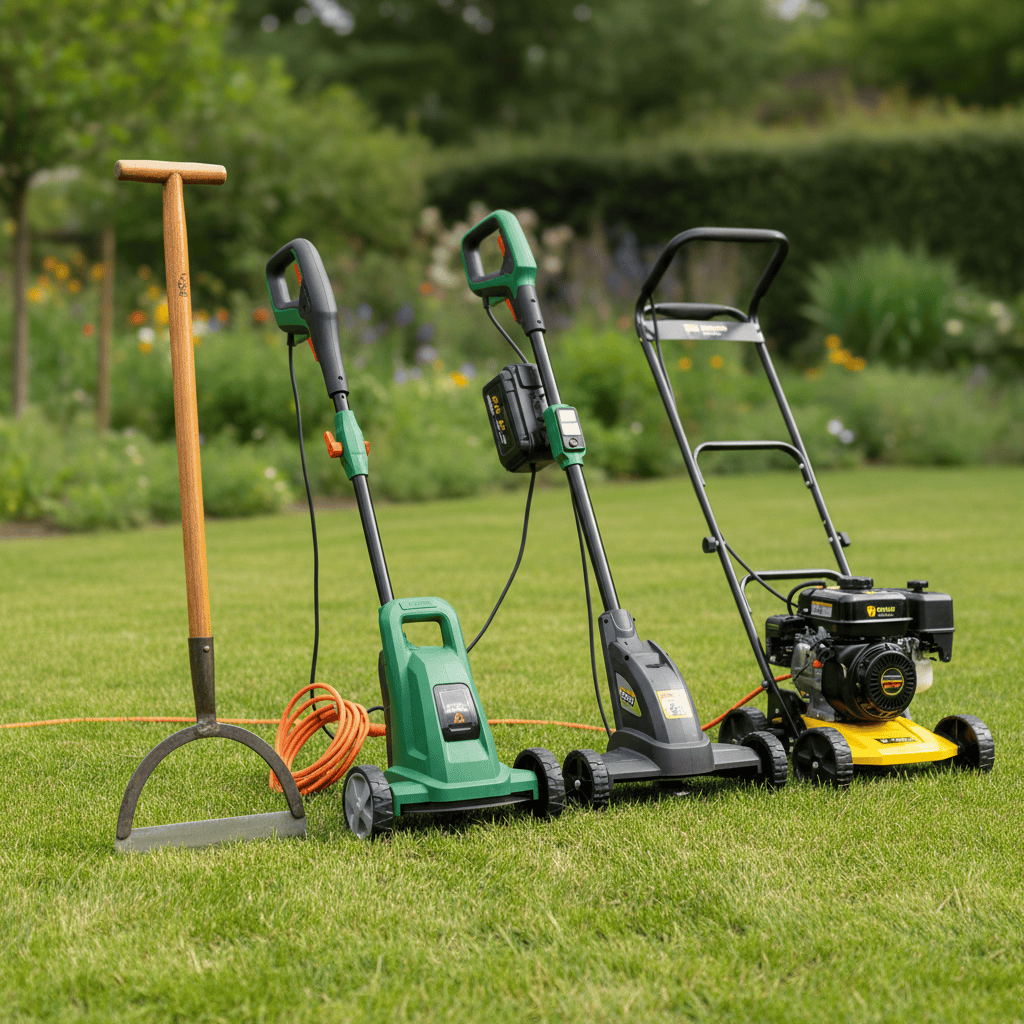
The term “edger” primarily refers to a lawn maintenance tool, but clarity on the specific type ensures you follow the correct operating procedure.
- Manual Edger: A half-moon or wheled cutting tool operated by foot pressure and hand control. Requires physical effort but no fuel or electricity.
- Electric Edger (Corded): Powered by a cord connected to a standard outdoor outlet. Lightweight, quieter, and low-maintenance.
- Electric Edger (Cordless/Battery): Powered by rechargeable batteries. Offers mobility without a cord and minimal noise.
- Gas-Powered Edger: Engine-driven tool offering maximum power for thick or hard-packed soil. Requires fuel management and more maintenance.
Key Factors Before You Start
Safety Gear Requirements
Protect yourself before operating any edger:
- Safety glasses or face shield
- Long pants or protective leg wear
- Closed-toe shoes with good traction
- Hearing protection (essential for gas and power models)
- Work gloves (optional but recommended for manual edgers)
Site Preparation
Clear your work area to prevent accidents and damage:
- Remove rocks, sticks, and debris from the edge line
- Mark sprinkler heads and underground utilities with flags or tape
- Identify hardscape boundaries (sidewalks, driveways, garden beds)
- Mow the lawn first so the grass height is even
- Water the lawn lightly if the soil is very dry or hard-packed
How to Use a Manual Edger
Manual edgers offer simplicity and control for smaller lawn areas or precision work.
Setup and Positioning
- Stand with feet shoulder-width apart, facing the edge line
- Hold the edger handle with both hands, keeping your arms relaxed
- Position the blade perpendicular to the ground and aligned with the turf edge
- Place your dominant foot on the blade’s step (if equipped) or the tool frame
Cutting Technique
- Use a controlled stomping motion to press the blade into the soil
- Drive the blade 3 to 4 inches deep into the ground along the edge line
- Rock the handle backward slightly to cut a clean trench without pulling the blade sideways
- Move forward in steady, overlapping increments
- Maintain consistent depth and angle for a uniform edge
Finishing the Edge
- Remove loose soil from the trench with a shovel or broom
- Step back and inspect the edge for straightness
- Make touch-up passes where needed for a crisp, clean line
How to Use an Electric Edger (Corded)
Corded electric edgers are ideal for residential lawns and offer convenience with minimal maintenance.
Pre-Start Checks
- Inspect the power cord for cuts, cracks, or exposed wires
- Use a GFCI (Ground Fault Circuit Interrupter) outlet rated for outdoor use
- Ensure the outlet is within safe cord distance; use an outdoor extension cord rated for the tool’s amperage if needed
- Verify the blade or line is clean and free from debris
Starting and Operating
- Connect the cord to the GFCI outlet before pluging in the edger
- Press the safety switch or trigger to start the motor (some models require a release button held during operation)
- Allow the blade to reach full speed before touching the lawn
- Position the blade at the turf-to-hardscape boundary with the blade perpendicular to the ground
- Walk at a steady pace (approximately 3 to 4 feet per second) along the edge line
- Let the spinning blade do the cutting; do not force or push the tool
- Maintain slight downward pressure to keep the blade engaged
Depth Control
- Most electric edgers have an adjustable depth wheel or guide
- Set the cutting depth to 3 to 4 inches for standard lawn edges
- Adjust the depth before starting if the tool offers a quick-change feature
Shutdown and Cleanup
- Release the trigger to stop the blade immediately
- Allow the blade to come to a complete stop before setting the tool down
- Unplug the cord from the outlet first, then disconnect from the tool
- Wipe the blade clean with a damp cloth and dry it thoroughly
- Coil the cord carefully to prevent damage and store in a dry location
How to Use an Electric Edger (Cordless/Battery)
Cordless electric edgers offer freedom of movement without a tethering cord.
Battery Preparation
- Charge the battery fully using the manufacturer’s charger before first use
- Confirm the battery clicks securely into the tool’s connection port
- Check that battery and tool indicators show a full charge
Operation
- Follow the same operating technique as a corded edger: position the blade at the edge, maintain steady pace, and let the tool do the work
- Monitor battery life during use; most cordless models run30 to 45 minutes per charge on average
- Avoid overdriving the tool into hard soil, which drains the battery faster
Battery Care
- Remove the battery after each use and store it in a cool, dry place
- Recharge before the battery is completely depleted to extend its lifespan
- Store batteries indoors during winter or prolonged non-use
How to Use a Gas-Powered Edger
Gas-powered edgers deliver maximum cutting power for demanding conditions and larger properties.
Pre-Start Checks
- Check the fuel level and ad the correct fuel blend (usually regular gasoline; check the manual for oil-to-gas ratio if the engine is two-stroke)
- Inspect the oil level on four-stroke engines and top off if needed
- Verify the spark plug wire is connected securely
- Inspect the air filter and clean or replace it if clogged
Starting Procedure
- Place the edger on a level, flat surface
- Set the choke to the “closed” or “on” position (if the engine is cold)
- Prime the fuel system by pressing the primer bulb 3 to 5 times (if equipped)
- Place one foot on the tool frame to stabilize it
- Pull the starter cord with a smooth, quick motion;do not jerk it
- Once the engine fires, move the choke to “open” or “run” position
- Allow the engine to warm up for 30 seconds before operating at full throttle
Operating the Edger
- Grip the handle with both hands and maintain firm control
- Position the blade at the turf edge, perpendicular to the ground
- Squeeze the throttle trigger to increase engine speed gradually
- Walk at a steady pace along the edge line;do not force the tool
- Maintain consistent throttle to avoid stalling or creating an uneven edge
- Keep the blade depth steady at 3 to 4 inches
Shutdown and Post-Operation
- Release the throttle to return the engine to idle
- Allow the blade to stop completely before setting the tool down
- Turn off the engine using the on/off switch or by moving the choke to “off”
- Let the engine cool for a few minutes before handling
- Clean the blade and housing with a brush to remove grass clippings and debris
- Wipe away any fuel spills with a dry cloth
Gas Engine Maintenance
- Change the oil after every 50hours of use (check the manual for your specific model)
- Replace the air filter annually or when visibly clogged
- Clean or replace the spark plug if starting becomes difficult
- Drain the fuel tank and run the carburetor dry before storing for the winter to prevent fuel degradation and varnish buildup
Common Mistakes to Avoid
- Pushing too hard: Edgers are designed to cut; excessive force does not speed up the work and can damage the tool or cause injury.
- Irregular walking pace: Uneven speed creates wavy or inconsistent edges. Maintain a steady, deliberate rhythm.
- Ignoring safety gear: Edgers spin sharp blades at high speeds. Always wear eye and hearing protection.
- Edging when soil is bone-dry: Lightly water very compacted areas beforehand for easier cutting without forcing the tool.
- Skipping maintenance: Dull blades require more effort, battery-powered tools lose runtime with poor care, and gas engines fail without proper servicing.
Blade Maintenance and Replacement
Keep your edger blade in optimal condition for safe, efficient operation:
- Inspection: Check the blade before each use for dullness, cracks, or debris buildup.
- Cleaning: Remove grass and soil residue after every use with a dry brush; do not soak the blade in water.
- Sharpening: Sharpen the blade when it no longer cuts cleanly through turf. Use a metal file and maintain the original blade angle.
- Replacement: Replace the blade if it is cracked, severely bent, or cannot be sharpened effectively. Follow the manufacturer’s instructions for safe blade removal and installation.
- Cutting line (for line edgers): Replace worn or broken cutting line regularly; most models use standard replacement spools available at garden centers.
Storage Tips
- Store the edger in a dry, sheltered location (garage, shed, or storage bin) to prevent rust and weather damage
- Keep cordless batteries stored indoors at room temperature when not in use for extended periods
- For gas-powered edgers, drain or stabilize fuel before off-season storage to prevent carburetor clogging
- Cover the edger with a canvas or tarp if stored outdoors to protect it from rain and direct sun
Frequently Asked Questions
Q: When is the best time to edge a lawn?
Edge your lawn whenever grass has grown over the hardscape boundary or when you want to refresh and define lawn edges. Spring and early summer are ideal, as active grass growth makes edges more pronounced. You can edge in fall as well, but avoid edging in late autumn or winter when grass growth slows significantly.
Q: How deep should I edge my lawn?
A standard lawn edge is 3 to 4 inches deep. This depth is sufficient to create a clean separation between turf and hardscape without damaging tree or shrub roots. Adjust to2 inches if working around shallow-rooted plantings.
Q: Can I use an electric edger on wet grass?
For corded electric edgers, wet conditions increase shock risk. Always use a GFCI outlet and check the cord for damage before operation indamp conditions. Cordless edgers are safer on wet grass since they use low-voltage batteries. Manual and gas edgers can operate on damp grass without electrical hazard, though wet soil may clog the blade.
Q: How often should I replace the edger blade?
Replace the blade when it becomes too dull to sharpen effectively or if it develops cracks or deep bends. For most homeowners, a blade lasts one to three seasons depending on use frequency and soil conditions. Inspect the blade monthly and replace it as needed rather than on a strict schedule.