What Are the Best Leaf Blowers? (Direct Answer)
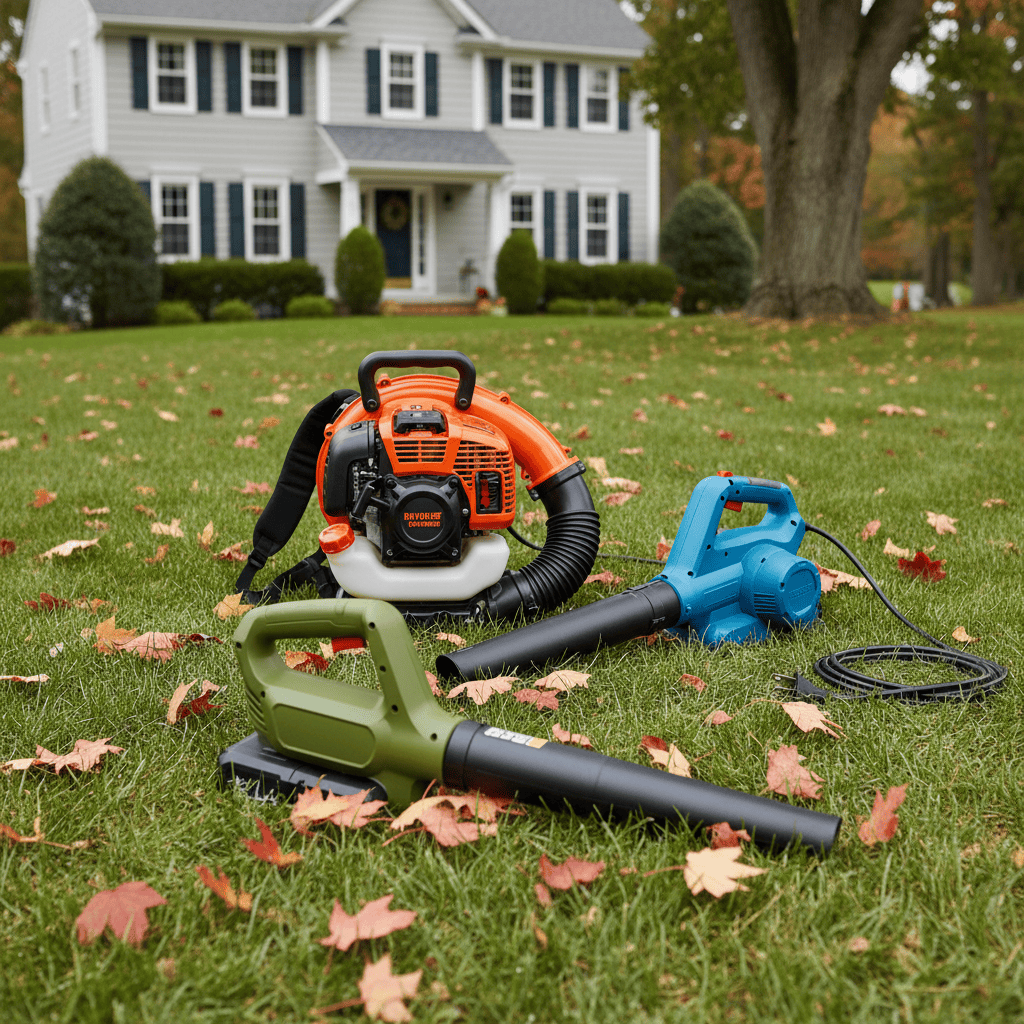
The ‘best’ leaf blower is not a single model but the one that perfectly matches your specific needs. For most residential users, a battery-powered model from a brand like EGO, Ryobi, or Greenworks offers the best balance of power, convenience, and low maintenance. For heavy-duty or commercial tasks, gas-powered models from Husqvarna, Stihl, or Echo provide superior runtime and raw power. Corded electric models are a budget-friendly, lightweight option for small, manageable yards.
Understanding the Main Types of Leaf Blowers
Before comparing models, it’s crucial to understand the fundamental categories of leaf blowers. Each power source has distinct advantages and trade-offs that determine its ideal use case.
Gas-Powered Leaf Blowers
Gas blowers are the traditional workhorses, powered by a small gasoline engine. They are typically categorized as either 2-stroke or 4-stroke engines.
- Pros: Highest power output and airspeed (MPH), unlimited runtime as long as you have fuel, and no cords or batteries to limit mobility. They are the standard for commercial landscapers and large properties.
- Cons: Heaviest and loudest type, require regular maintenance (oil changes, spark plug replacement, carburetor cleaning), produce exhaust emissions, and involve the hassle of mixing fuel and oil (for 2-stroke models).
Battery-Powered (Cordless) Leaf Blowers
Battery-powered blowers have seen massive improvements in power and runtime, making them the top choice for many homeowners. They run on rechargeable lithium-ion batteries.
- Pros: Excellent balance of power and convenience. They are quieter than gas models, require minimal maintenance (no oil changes), produce zero emissions, and are ready to use with the push of a button. The ecosystem of interchangeable batteries across tools from the same brand is a major plus.
- Cons: Runtime is limited by battery capacity (typically 20-60 minutes on a charge). High-performance models and extra batteries can be expensive. Power, while sufficient for most tasks, generally doesn’t match the top-end output of gas models.
Corded Electric Leaf Blowers
These are the simplest and most affordable blowers, drawing power directly from an electrical outlet via an extension cord.
- Pros: Very lightweight, quiet operation, virtually maintenance-free, and the lowest upfront cost. They provide consistent power without worrying about battery life.
- Cons: Severely limited by the length of your extension cord, making them impractical for anything but small yards or patios. The cord can be a tripping hazard and inconvenient to manage.
Key Factors to Consider When Choosing a Leaf Blower
The ‘best’ blower for you is determined by matching its specifications to your specific yard and needs. Here are the critical factors to evaluate.
Power: CFM vs. MPH
Two numbers define a blower’s power: Cubic Feet per Minute (CFM) and Miles Per Hour (MPH).
- CFM measures the volume of air the blower moves. Higher CFM means it can move more leaves and debris at once. This is the most important metric for moving large piles of wet, heavy leaves.
- MPH measures the speed of the air. Higher MPH is better for dislodging stuck-on debris or moving light, dry material quickly.
Expert Advice: For most residential tasks, prioritize a higher CFM (400+). A blower with high CFM and moderate MPH will be more effective than one with very high MPH but low CFM.
Weight and Ergonomics
You will be holding and maneuvering this tool, often for extended periods. Weight is a critical comfort factor.
- Handheld Models: Typically weigh between 5-12 lbs. Look for padded handles, balanced weight distribution, and intuitive controls.
- Backpack Models: These distribute weight across your shoulders and back, reducing arm fatigue. They are essential for large properties or commercial use, even though the total unit weight is higher (15-25 lbs).
Noise Level and Local Regulations
Leaf blowers are notoriously loud. Gas models can exceed 100 decibels (dB), which is harmful with prolonged exposure and often violates local noise ordinances. Battery and corded models are significantly quieter, typically in the 60-80 dB range. Always check your local community’s noise regulations before purchasing a gas model.
Runtime and Cost
Consider the total cost of ownership and practicality.
- Gas Models: Have a higher upfront cost and ongoing fuel and maintenance expenses.
- Battery Models: The initial kit (blower + battery + charger) can be pricey. However, if you already own other tools from the same brand, you can save money by using existing batteries. The long-term operating cost is very low.
- Corded Models: The lowest upfront cost, but you must factor in the cost of a heavy-duty extension cord if you don’t own one.
Step-by-Step Guide to Selecting Your Ideal Leaf Blower
Follow this process to move from your general needs to a specific, informed choice.
Step 1: Assess Your Primary Needs
Be honest about your typical use case:
- Yard Size: Small (under 1/4 acre), Medium (1/4 to 1/2 acre), Large (over 1/2 acre).
- Debris Type: Mostly dry leaves, wet leaves, grass clippings, or mixed debris.
- Frequency of Use: Weekly during fall, occasional touch-ups, or daily for commercial work.
Step 2: Compare Models Within Your Chosen Category
Based on your assessment, you’ll likely narrow it down to one type (e.g., battery-powered). Now, compare specific models by looking at:
- The actual CFM and MPH ratings (not just marketing terms like “powerful”).
- Battery voltage and amp-hour (Ah) rating for runtime estimates.
- Weight and included attachments (e.g., concentrator nozzles, vacuum kits).
- Warranty terms for the tool and battery.
Step 3: Find Reliable, Hands-On Reviews
Look for reviews from reputable sources that conduct standardized testing. Good reviews will provide real-world runtime tests, measured noise levels, and comparisons against competing models. Avoid purely promotional content.
Direct Answer: Which Type Is Best for Common Scenarios?
Here is a synthesis of the above factors into clear, scenario-based recommendations.
For Small, Urban Yards or Patios
A corded electric blower or a lightweight battery-powered model is ideal. They are quiet, easy to store, and sufficient for clearing sidewalks, decks, and small grass areas without disturbing neighbors.
For the Typical Suburban Homeowner
A mid-range battery-powered blower (40V or 56V platform) is the best all-around choice. It offers enough power for weekly leaf clearing, is quiet enough for weekend use, and requires almost no maintenance. Ensure the battery runtime covers your typical cleanup session.
For Large Properties or Commercial Landscaping
A gas-powered backpack blower is the professional standard. The extended runtime, high CFM, and ergonomic design allow for all-day use without fatigue or recharging. Models from Husqvarna, Stihl, and Echo are industry leaders.
For Users Prioritizing Low Noise and Minimal Maintenance
A battery-powered blower is the undisputed winner. It eliminates engine noise, exhaust fumes, and the need for oil changes and fuel mixing. It’s the most neighbor-friendly and hassle-free option.
Frequently Asked Questions
What is more important for a leaf blower, CFM or MPH?
For most residential leaf-clearing tasks, CFM (air volume) is more important than MPH (air speed). A higher CFM means the blower can move a larger quantity of leaves and debris in a single pass, making the job faster and more efficient. High MPH is beneficial for dislodging stuck debris or moving light, dry material, but a high-CFM blower with moderate MPH will generally be more effective for typical yard work.
How long does a battery-powered leaf blower last on a single charge?
Runtime varies significantly based on the battery’s voltage and amp-hour (Ah) rating, as well as the blower’s power setting. On a standard setting, a typical 40V battery might last 20-40 minutes. Higher-capacity 56V or 80V batteries can run for 45-60 minutes. Most manufacturers provide runtime estimates for both low and high power settings. For large yards, consider purchasing a spare battery.
Are gas leaf blowers being banned?
Yes, in some regions. Several cities and states in the U.S. (like California) and countries have enacted or are considering regulations to restrict or ban the use of gas-powered leaf blowers due to noise and air pollution concerns. These rules often target commercial use first but can affect residential users. It’s important to check your local ordinances before investing in a gas model.
Can I use a leaf blower to vacuum leaves?
Many blowers, especially battery and corded models, come with a vacuum kit attachment. This allows you to switch the tool into a vacuum mode that mulches and collects leaves into a bag. While convenient for small to medium yards, these vacuum functions are generally less powerful than a dedicated leaf vacuum and the collection bags fill up quickly. For large amounts of leaves, raking or using a dedicated mulching mower is often more efficient.