
How to Clean a Lawn Mower Air Filter: The Quick Answer
To clean a lawn mower air filter, first turn off the mower and disconnect the spark plug wire for safety. Open the air filter cover, remove the filter, and identify if it’s foam or paper. For a foam filter, wash it in soapy water, rinse, dry completely, and apply filter oil before reinstalling. For a paper filter, do not wash it—gently tap or brush off debris, or replace it if heavily soiled. Reassemble the cover and reconnect the spark plug.
Why Cleaning the Lawn Mower Air Filter Matters
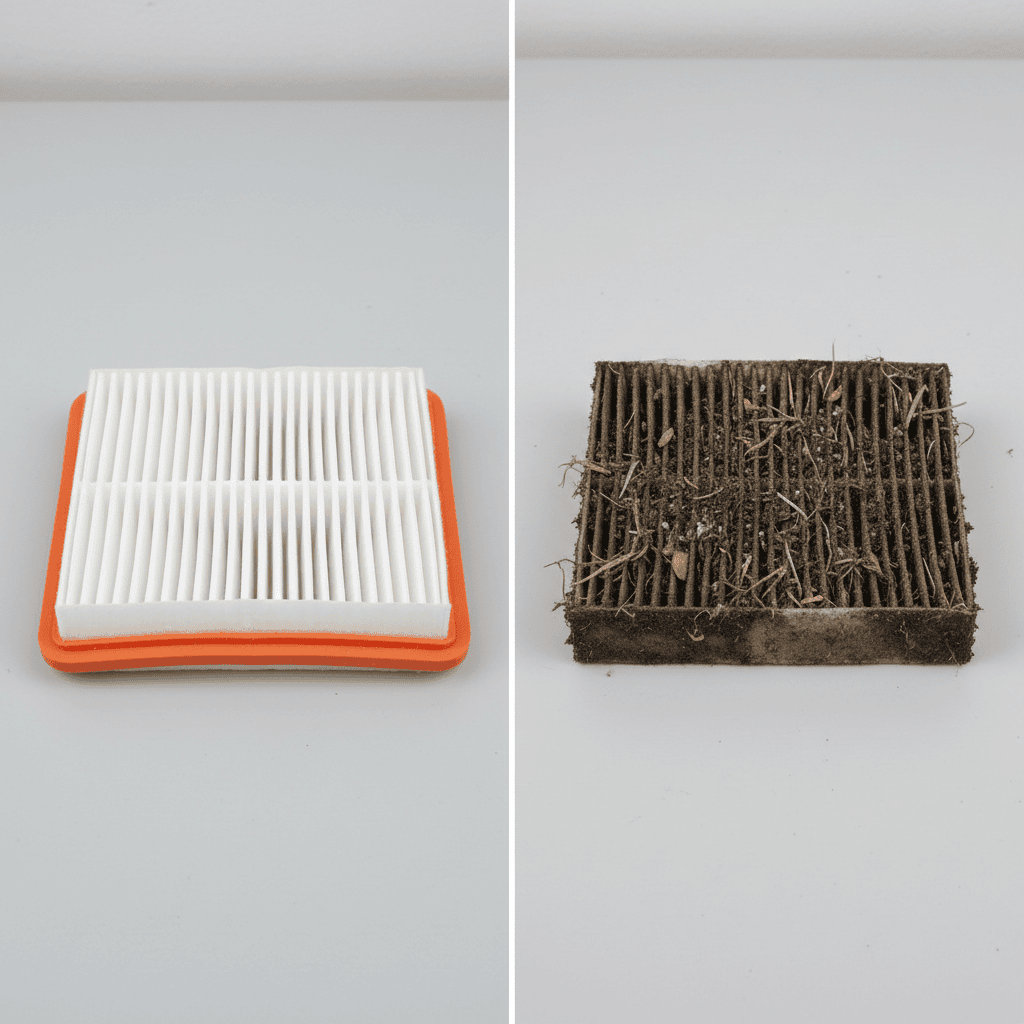
The air filter is a critical component of your lawn mower’s engine. Its primary job is to trap dust, dirt, grass clippings, and other debris from the air before it enters the engine’s combustion chamber. A clean air filter ensures the engine receives the proper mixture of air and fuel, which is essential for optimal performance, fuel efficiency, and engine longevity.
A dirty or clogged air filter restricts airflow, forcing the engine to work harder. This can lead to reduced power, uneven cutting, increased fuel consumption, and even potential engine damage over time. Regular maintenance, including cleaning or replacing the air filter, is a simple and cost-effective way to keep your mower running smoothly.
The recommended cleaning interval varies significantly based on the manufacturer, the specific mower model, and your operating conditions. Mowing in dusty or very dry environments will clog the filter much faster than mowing a clean, well-watered lawn. Always consult your owner’s manual for the specific maintenance schedule for your mower. As a general rule, checking the air filter at the beginning of each mowing season and after every 25 hours of use is a good practice.
Foam vs. Paper Filters: Identify What You’re Cleaning
Before you begin cleaning, you must correctly identify the type of air filter your mower uses. The cleaning procedure is completely different for foam and paper filters, and using the wrong method can damage the filter or reduce its effectiveness.
How to Identify Your Filter Type
- Foam Filter: This filter is made of a soft, porous, sponge-like material. It is often oiled and may be a single piece or housed within a plastic frame. It feels flexible and is typically gray, black, or yellowish when clean.
- Paper Filter: This filter is made of a thick, pleated paper material, often with a rubber or plastic seal around the edges. It feels rigid and dry to the touch. The paper is usually white, off-white, or light gray when new.
Can a paper filter be cleaned? Generally, no. Paper filters are designed to be replaced, not washed. Attempting to wash a paper filter will cause the paper to swell, warp, and lose its filtering capability. The only acceptable cleaning method for a paper filter is to gently remove loose surface debris.
Step-by-Step: How to Clean a Lawn Mower Air Filter
This guide provides a safe, sequenced process. Always prioritize safety and refer to your owner’s manual for model-specific instructions.
Safety First: Preparation Steps
- Turn Off the Engine: Ensure the lawn mower is turned off and the engine is completely stopped.
- Disconnect the Spark Plug Wire: This is the most critical safety step. Locate the spark plug (usually on the front or side of the engine) and firmly pull the rubber boot off the spark plug terminal. This prevents the engine from accidentally starting while you are working on it.
- Let the Engine Cool: If the mower has been running, allow the engine and surrounding components to cool down to avoid burns.
Accessing and Removing the Filter
- Locate the Air Filter Housing: The air filter is housed in a plastic or metal cover, typically on the side of the engine. It may be secured with clips, screws, or knobs.
- Open the Cover: Release the clips or remove the screws to open the air filter cover. Be careful not to drop any debris into the air intake.
- Remove the Filter: Carefully take out the air filter. Note its orientation so you can reinstall it correctly.
Cleaning a Foam Air Filter
- Wash in Soapy Water: In a container, mix a mild detergent (like dish soap) with warm water. Submerge the foam filter and gently agitate it to work the soapy water through the material, dislodging trapped dirt and oil.
- Rinse Thoroughly: Rinse the filter under clean, running water until all soap suds are gone. Squeeze it gently to help rinse, but do not twist or wring it aggressively.
- Dry Completely: This is crucial. Allow the filter to air dry completely in a warm, well-ventilated area away from direct sunlight or heat sources. This may take several hours. Do not reinstall a damp filter.
- Apply Filter Oil: Once bone dry, apply a light, even coat of foam filter oil. This oil helps the foam trap finer dust particles. You can use a dedicated air filter oil or clean motor oil. Work the oil into the foam with your fingers, then gently squeeze out any excess. The filter should be evenly damp, not dripping.
Cleaning a Paper Air Filter
- Do Not Wash: Never use water, solvents, or compressed air on a paper filter.
- Tap Off Loose Debris: Hold the filter over a trash can and gently tap the rigid side against your hand or a soft surface. This will dislodge loose dirt and grass from the pleats.
- Brush Gently (If Needed): For stubborn debris, you can use a soft-bristled brush (like a paintbrush) to gently sweep dirt out of the pleats. Be careful not to tear the paper.
- Inspect: Hold the filter up to a light source. If you cannot see light through the paper material, it is too clogged and must be replaced.
Reassembly
- Reinstall the Filter: Place the clean, dry (and oiled, if foam) filter back into the housing in its original orientation.
- Close the Cover: Secure the air filter cover, making sure it is properly sealed and latched.
- Reconnect the Spark Plug: Firmly push the spark plug wire boot back onto the spark plug terminal until it clicks into place.
Cleaning vs. Replacing: When to Install a New Filter
While cleaning extends the life of a foam filter, there comes a point when replacement is necessary for both filter types.
When to Replace Instead of Clean
- Paper Filter: Replace the paper filter if it is heavily soiled, torn, saturated with oil or fuel, or if you cannot see light through it after tapping. Paper filters are consumable items and are relatively inexpensive.
- Foam Filter: Replace the foam filter if it is torn, has holes, is permanently deformed, or has become so saturated with dirt and oil that it cannot be cleaned effectively. Even with cleaning, foam filters degrade over time and should be replaced periodically.
Consult your owner’s manual for the recommended replacement interval. It is also wise to have a spare filter on hand so you can replace a dirty one immediately without interrupting your mowing schedule.
Common Mistakes to Avoid When Cleaning the Air Filter
- Washing a Paper Filter: This is the most common and damaging mistake. Water destroys the paper’s filtering ability.
- Over-Oiling a Foam Filter: Applying too much oil can clog the filter, restrict airflow, and even cause the excess oil to be sucked into the engine, potentially fouling the spark plug. The filter should be evenly damp, not saturated.
- Using Compressed Air on a Paper Filter: The high pressure can tear the delicate paper pleats and create holes, rendering the filter useless.
- Reinstalling a Wet Filter: A damp foam filter can restrict airflow and may introduce moisture into the engine. A wet paper filter is completely ineffective.
- Ignoring the Spark Plug Safety Step: Always disconnect the spark plug wire to prevent accidental engine startup.
Frequently Asked Questions
Can I use compressed air to clean a paper air filter?
No, it is not recommended. While it might seem like a quick way to blow out dust, the high-pressure air can easily tear the paper material or create tiny holes that allow dirt to pass through into the engine. The safest method for a paper filter is to gently tap it to dislodge loose debris. If it’s heavily clogged, replacement is the best option.
What happens if I over-oil a foam filter?
Over-oiling a foam filter can cause several problems. Excess oil can restrict airflow to the engine, leading to poor performance and a rich fuel mixture. In severe cases, the excess oil can be drawn into the engine, potentially fouling the spark plug and causing the engine to run poorly or stall. Always apply a light coat and squeeze out any excess.
How often should I clean or check the air filter?
The frequency depends on your mower’s manufacturer and your mowing conditions. Check your owner’s manual for the specific interval. As a general guideline, inspect the filter at the start of each mowing season and after every 25 hours of operation. If you mow in very dusty conditions, you may need to check it more frequently.
Is it okay to use a garden hose to rinse a foam filter?
Using a garden hose is acceptable as long as you use a gentle spray and ensure the filter is rinsed thoroughly of all soap. The key is to then let it air dry completely before applying oil and reinstalling it. Avoid using a high-pressure nozzle, which could damage the foam material.