How to Remove a Lawn Mower Spark Plug: A Safe, Step-by-Step Guide
To remove the spark plug from a lawn mower, always start with a cool engine and disconnect the spark plug wire from the plug itself. Clear any debris from around the plug area, then use a properly sized spark plug socket on a ratchet wrench (with an extension if needed) to turn the plug counterclockwise until loose. Finish unscrewing it by hand to avoid damaging the threads.
Why Remove the Spark Plug from a Lawn Mower?
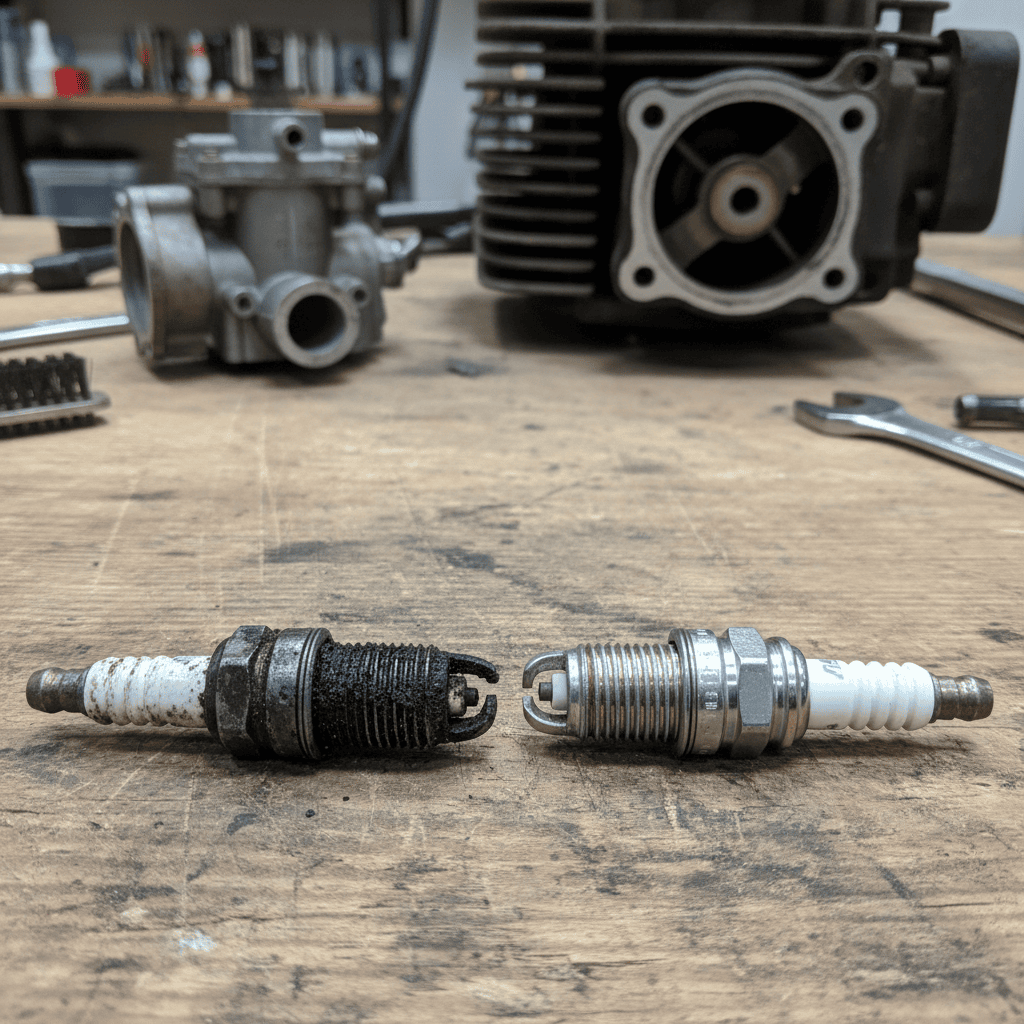
Removing the spark plug is a fundamental part of lawn mower maintenance and troubleshooting. You may need to remove it for several reasons:
- Inspection: To check the plug’s condition for signs of wear, fouling, or damage.
- Cleaning: To clean carbon deposits or oil residue that can impair performance.
- Replacement: To install a new plug as part of regular maintenance or to fix engine problems.
- Safety: Disconnecting the spark plug wire is a critical first step before performing any work on the mower’s engine to prevent accidental starting.
A worn or fouled spark plug can cause hard starting, misfiring, reduced power, and poor fuel efficiency. Always work with a cool engine to prevent burns and to avoid damaging the soft aluminum threads in the cylinder head, which are more vulnerable when hot.
Tools and Preparation: What You Need Before Removing the Plug
Gather the correct tools before you begin. Using the wrong size socket can strip the plug’s hex nut, making removal much more difficult.
- Spark Plug Socket: This is a specialized socket with a rubber insert to grip and protect the plug. Common sizes for lawn mowers are 13/16-inch or 3/4-inch, but check your owner’s manual or the old plug for the exact size.
- Ratchet Wrench: A standard 3/8-inch or 1/2-inch drive ratchet.
- Extension Bar: Often necessary to reach plugs recessed in deep wells, especially on riding mowers or overhead valve (OHV) engines.
- Penetrating Oil (Optional): For seized or corroded plugs.
- Compressed Air or a Brush: To clear debris from around the plug before removal.
Push Mowers vs. Riding Mowers: On a push mower, the spark plug is usually easily accessible on the front or side of the engine. On a riding mower, it may be located under a cover or in a tighter space, making an extension bar more essential.
Step-by-Step: How to Remove a Lawn Mower Spark Plug
Follow these steps carefully to remove the spark plug safely and without causing damage.
Step 1: Ensure the Engine is Cool and Safe
Let the mower engine cool completely after use. Working on a hot engine increases the risk of burns and can lead to stripped threads in the cylinder head.
Step 2: Disconnect the Spark Plug Wire
Locate the thick, insulated wire leading to the spark plug. Grasp the rubber boot at the end of the wire—do not pull on the cable itself, as this can damage the internal conductor. Pull the boot firmly to disconnect it from the spark plug terminal. Tuck the wire aside so it cannot accidentally contact the plug.
Step 3: Clear Debris from the Plug Area
Use a brush, compressed air, or a rag to remove grass clippings, dirt, and debris from around the base of the spark plug. This prevents contaminants from falling into the cylinder when the plug is removed.
Step 4: Fit the Spark Plug Socket
Select the correct size spark plug socket. If the plug is recessed, attach the socket to an extension bar, then connect that to your ratchet. Fit the socket squarely onto the spark plug’s hex nut.
Step 5: Loosen the Spark Plug
Turn the ratchet counterclockwise to loosen the plug. Apply steady, even pressure. You may feel initial resistance as the seal breaks free. Once it is loose, you can typically unscrew it the rest of the way by hand using just the socket and extension.
Step 6: Remove and Handle the Plug
Carefully lift the spark plug out of the cylinder head. Inspect the electrode end for signs of wear, carbon buildup, or oil fouling. Set the plug on a clean surface.
Troubleshooting: Seized, Stuck, or Stripped Spark Plugs
If the spark plug will not turn, do not force it with excessive leverage, as this can strip the threads or crack the cylinder head.
- Seized Plug: Apply a few drops of penetrating oil (like PB Blaster or Liquid Wrench) around the base of the plug where it enters the cylinder head. Let it sit for 15-30 minutes to penetrate and dissolve corrosion. Try loosening again.
- Stripped Hex Nut: If the socket slips, the nut may be rounded. Try a six-point socket or a specialized bolt extractor socket.
- Stripped Threads: If you feel the threads grinding or stripping during removal, stop immediately. This may require a thread repair kit (Helicoil) or professional service.
- Debris in Cylinder: If dirt falls into the spark plug hole, try to vacuum or blow it out carefully before inserting the new plug. Avoid pushing it further in.
After Removal: Inspection, Replacement, and Next Steps
Once the plug is out, examine it:
- Normal Wear: A light tan or gray deposit on the electrode is normal.
- Carbon Fouling: Black, sooty deposits indicate a rich fuel mixture or weak ignition.
- Oil Fouling: Wet, oily deposits may signal internal engine wear.
- Worn Electrode: A large gap or rounded electrode means the plug should be replaced.
When installing a new plug, check the spark plug gap (the distance between the center and ground electrodes) against your mower’s specifications. Apply a small amount of anti-seize compound to the threads to make future removal easier, but do not get any on the electrode. Hand-thread the new plug first to avoid cross-threading, then tighten with the ratchet—typically about 1/8 to 1/4 turn past snug for a new plug with a crush washer.
Frequently Asked Questions
What should I do if the spark plug is seized and won’t turn?
If the spark plug is seized, apply penetrating oil around the base and let it soak for at least 30 minutes. Gently try to loosen it with a ratchet. If it still won’t budge, you may need to use a breaker bar for more leverage or consult a small engine repair professional to avoid damaging the cylinder head.
Can I use any socket to remove a spark plug?
No. You should use a dedicated spark plug socket. These sockets have a rubber or magnetic insert that grips the porcelain insulator, preventing damage to the plug and making it easier to lift out of deep wells. A standard deep-well socket can crack the porcelain.
How do I know the correct spark plug size for my mower?
Check your lawn mower’s owner’s manual for the specified spark plug model and size. You can also remove the old plug and read the size stamped on its hex nut. Common sizes are 13/16-inch and 3/4-inch.
Why must the engine be cool before removing the spark plug?
A hot engine has expanded metal components. Removing a spark plug from a hot cylinder head can damage the soft aluminum threads, leading to costly repairs. A cool engine also eliminates the risk of burns from hot metal surfaces.