How to Mow Stripes in Your Lawn: A Step-by-Step Guide
To create visible light-and-dark stripes in your lawn, use a mower with a rear roller (or a reel mower) to bend the grass blades in alternating directions. Mow when the grass is dry and at an even height, cut in straight, parallel lines, and turn off the mower or lift the deck at the end of each pass to avoid scuffing. Mow the next pass in the opposite direction. The stripe illusion comes from light reflecting off grass blades bent toward or away from the viewer, not from different cutting heights.
What Causes the Stripe Pattern in a Lawn?
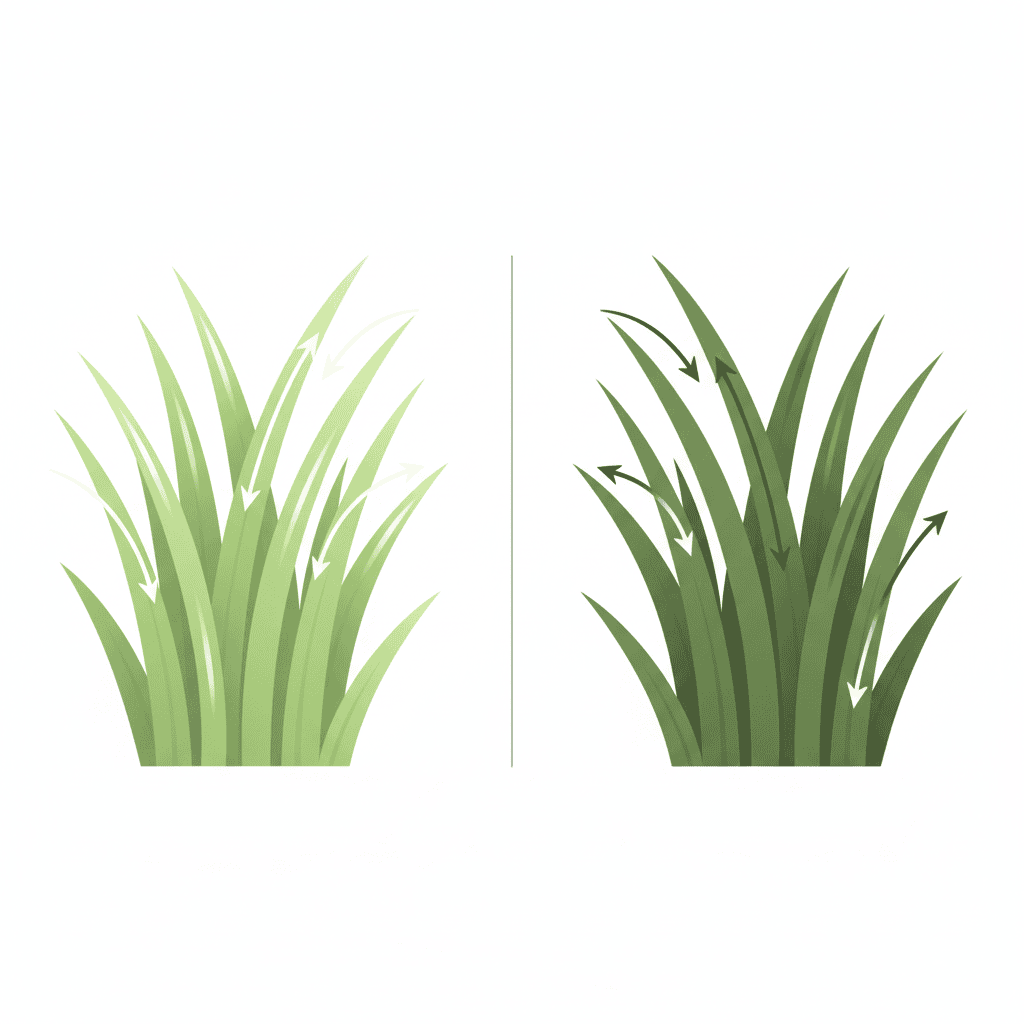
The stripe pattern you see on professional sports fields and well-manicured lawns is an optical illusion created by light reflection, not by cutting the grass at different heights. When you mow in one direction, the grass blades are bent and pressed down by the mower’s roller. The side of the bent blade facing the viewer reflects more light, appearing lighter. The adjacent pass, mowed in the opposite direction, bends the grass blades the other way. This side reflects less light to the viewer, creating a darker stripe. The alternating pattern of light and dark stripes is simply the result of grass blades leaning toward and away from you.
What Equipment Do You Need to Stripe a Lawn?
You don’t need a professional-grade machine to start striping your lawn. The key piece of equipment is something to bend the grass blades consistently after they are cut.
- Lawn Mower with a Built-in Roller: Many rotary mowers, especially those designed for striping, come with a rear roller. This is the most common and convenient option. The roller follows behind the cutting deck, pressing the grass down in the direction of travel.
- Bolt-on Roller Kit: If your standard rotary mower doesn’t have a roller, you can purchase an aftermarket roller attachment kit. These kits typically attach to the rear of the mower and function similarly to a built-in roller.
- Reel Mower: Manual reel mowers are excellent for creating stripes, especially on smaller lawns. Their design naturally presses the grass as they cut, and their lightweight build makes it easier to maintain straight lines.
- Standalone Lawn Roller: While not necessary if you have a roller-equipped mower, a separate lawn roller can be used to enhance existing stripes or create a pattern on a lawn that has already been mowed. You simply roll over the mowed lawn in your desired pattern.
How to Mow Stripes: A Step-by-Step Technique
Follow these steps for a clean, professional-looking stripe pattern.
- Prepare the Lawn: Mow when the grass is dry. Wet grass tends to clump and doesn’t bend as cleanly, resulting in less defined stripes. Ensure your lawn is at a relatively even height before you begin your striping pattern.
- Establish a Straight Guideline: Start by mowing one straight pass down the center of the lawn or along a prominent edge, like a driveway or sidewalk. This first line will serve as your guide for all subsequent passes.
- Mow in Parallel Lines: Turn your mower around at the end of the first pass. For the next pass, mow in the opposite direction, parallel to your first line. Leave a small overlap (about 1-2 inches) to avoid missing any grass.
- Handle the Turns Carefully: At the end of each pass, turn off the mower blades and lift the mower deck (if possible) as you make your turn. This prevents the mower from scuffing or flattening the grass at the edges of your stripes, which keeps the lines crisp.
- Alternate Directions Weekly: For the best lawn health and to maintain the stripe pattern, alternate the direction you mow each week. If you mowed north-south this week, mow east-west the next. This prevents the grass from developing a permanent lean in one direction.
Tips for Enhancing Your Lawn Stripe Pattern
- Mow When Grass is Dry: As mentioned, dry grass bends more uniformly and reflects light more consistently, making stripes more visible.
- Maintain an Even Grass Height: An even, healthy lawn provides a better canvas. Scalping the lawn or having uneven growth will make stripes look messy.
- Use a Lawn Roller for Definition: After mowing your pattern, you can go over the stripes with a standalone lawn roller filled with water or sand to press the grass down further and enhance the contrast.
- Creative Patterns: Once you master straight lines, you can experiment with diagonal passes, checkerboard patterns, or even curved lines by carefully guiding your mower.
Frequently Asked Questions
What is the difference between ‘mowing stripes’ and ‘stripping’ (removing strips of turf)?
Mowing stripes is a cosmetic technique that bends grass blades to create a visual pattern. It does not remove or damage the turf. Stripping typically refers to the process of removing long, narrow sections of sod, which is a destructive action used in lawn renovation or repair, not for creating a pattern.
Are lawn stripe kits universal for all mowers?
No, lawn stripe kits are not universal. They are designed to fit specific mower models or types (e.g., certain brands of rotary mowers). Always check the kit’s compatibility with your mower’s make and model before purchasing.
Can mowing in stripes damage my lawn or cause disease?
No, the technique of mowing stripes does not inherently damage your lawn or cause disease. In fact, alternating your mowing direction each week, as recommended for striping, promotes healthier, more upright grass growth and prevents soil compaction in a single direction. The key is to use sharp mower blades and not to cut more than one-third of the grass blade at a time.
Do I need a special mower to stripe my lawn?
You don’t necessarily need a brand-new mower, but you do need a mower that can bend the grass. A mower with a rear roller is ideal. If you have a standard rotary mower without a roller, you can often purchase and install an aftermarket roller kit to add this functionality.