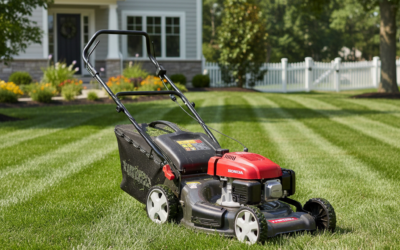
Direct Answer: What Is a Push Mower?
A push mower is a lawn mower powered entirely by human pushing force, without fuel or electricity. It uses rotating blades—either a reel (cylindrical) or rotary (flat spinning blade)—to cut grass at a preset height. The operator propels the mower forward by pushing the handle, making it one of the most affordable and environmentally friendly lawn care options.
How Push Mowers Work
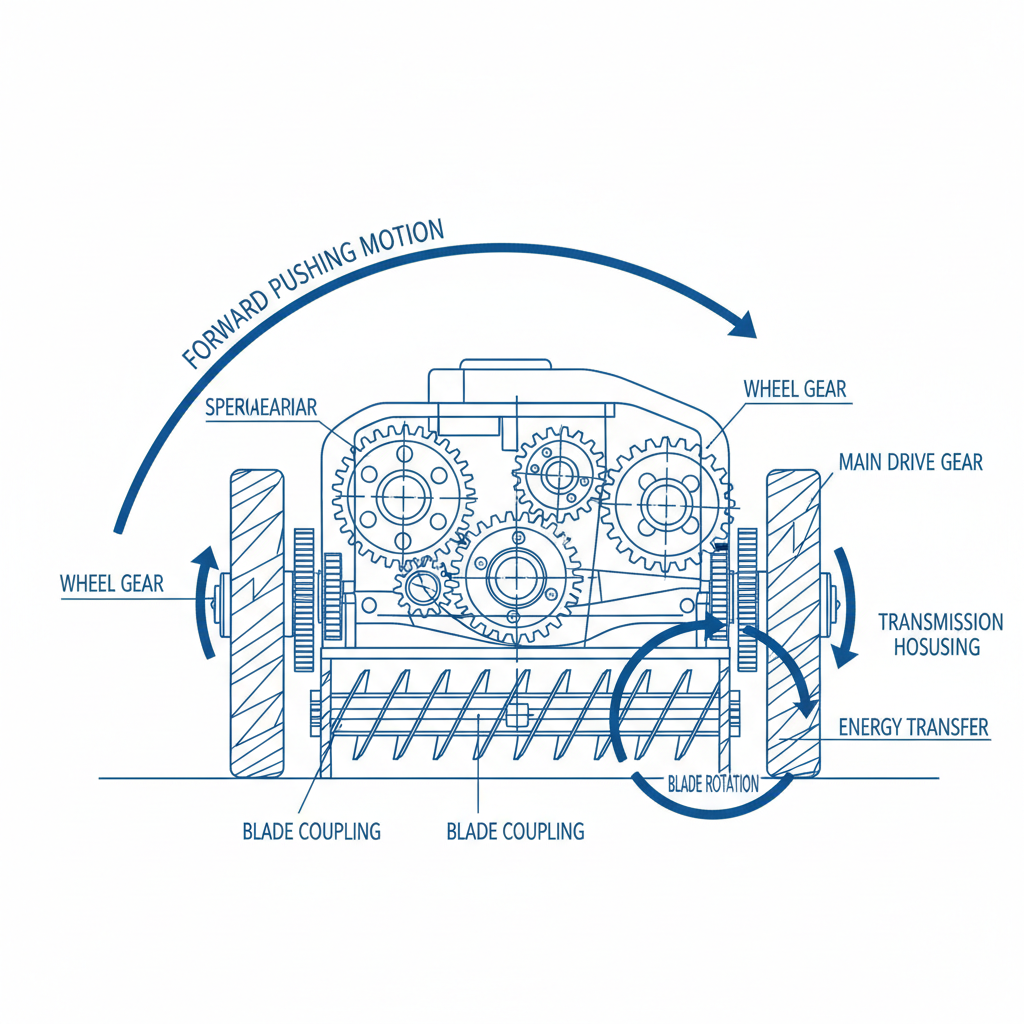
Push mowers operate on a simple mechanical principle: your forward motion powers the cutting mechanism. Unlike powered mowers that use an engine to spin the blades independently, push mowers transfer energy directly from your pushing force to the blade system through the wheels.
The Two Main Blade Types
Reel Mowers (also called cylinder mowers) use a rotating cylinder with helical blades that spin against a fixed cutting bar, similar to scissors. As you push the mower forward, the wheels turn a shaft that spins the reel. This design creates a precise, clean cut—ideal for fine turf and low-maintenance lawns. Reel mowers work best on well-maintained grass and require sharper blades to function effectively.
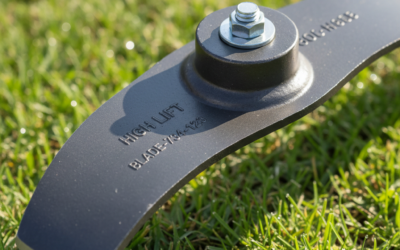
Rotary Mowers use a flat blade that spins horizontally at high speed, creating a cutting action similar to a helicopter blade. These are more forgiving of rough grass, weeds, and uneven terrain. Rotary push mowers are more common in consumer markets and handle tougher cutting conditions better than reel mowers.
Mechanical Power Transfer
When you push a mower forward, the wheels engage gears connected to the blade system. Each forward motion of the mower causes the blades to rotate multiple times, multiplying the cutting action. The speed at which blades spin depends on your pushing pace and the mower’s gear ratio—faster pushing typically means faster blade rotation.
Push Mowers vs. Other Lawn Mowers
Understanding how push mowers compare to other types helps you choose the right tool for your situation.
Push Mower vs. Self-Propelled Mower
The key difference is power source. A push mower requires your physical effort to move forward, while a self-propelled mower has an engine (gas or electric) that powers the wheels, meaning you only guide it. Self-propelled mowers are easier on larger lawns or for people with limited strength, but they cost more and require fuel or charging. Push mowers offer a genuine no-power alternative.
Push Mower vs. Gas or Electric Powered Mowers
Gas and electric mowers use motors to power both the wheels and blades, making them suitable for larger properties (typically 1+ acre). They require fuel, maintenance, or battery charging. Push mowers excel for small to medium lawns (under half an acre) where human power is practical and environmental impact matters.
Advantages of Push Mowers
- Zero Emissions: No fuel consumption or electricity use means no carbon footprint from operation. This is especially appealing for environmentally conscious homeowners.
- Low Cost: Push mowers are significantly cheaper than powered alternatives, often ranging from $100–$400, compared to $300–$2,000+ for gas mowers.
- Minimal Maintenance: Without an engine, spark plugs, or batteries, push mowers require far less maintenance. Occasional blade sharpening and wheel lubrication are usually sufficient.
- Quiet Operation: No engine noise means you can mow early morning or late evening without disturbing neighbors.
- Exercise Benefit: Push mowing provides genuine cardiovascular activity and muscle engagement, making lawn care a form of exercise.
- No Fuel Storage: Eliminates the need to store gasoline, which can degrade or create safety hazards.
- Simplicity: Fewer moving parts mean fewer things can break. Starting a push mower requires no priming, choke adjustment, or pull cord wrestling.
Limitations of Push Mowers
- Physical Effort Required: Pushing takes more energy than operating a powered mower, which can be tiring on larger lawns or for people with limited mobility.
- Lawn Size Constraints: Most effective for lawns under 5,000 square feet (roughly half an acre). Larger properties become impractical.
- Grass Type Limitations: Reel mowers struggle with thick, coarse, or poorly maintained grass. Rotary push mowers handle this better but still work best on regularly mowed lawns.
- Uneven Terrain Challenges: Push mowers perform poorly on very hilly or rocky lawns where you’d need to exert extra force.
- Blade Sharpness Dependency: Reel mowers especially require sharp blades; dull blades tear grass instead of cutting cleanly, stressing your effort.
- Speed: Mowing takes longer than with powered equipment, though this depends on lawn size and your fitness level.
What Lawn Size and Grass Type Work Best?
Push mowers are most practical for lawns under 5,000 square feet, though dedicated users successfully maintain larger properties. The ideal scenario combines three factors:
- Regular mowing schedule (weekly or every 10 days)
- Healthy, well-established turf without heavy weeds
- Relatively level terrain
For fine ornamental grasses (bentgrass, fescue), reel mowers deliver superior results. For typical residential lawns (Kentucky bluegrass, perennial ryegrass), rotary push mowers work well. If your lawn is thick, weedy, or poorly maintained, a rotary mower handles it better than a reel.
Key Features to Consider When Choosing a Push Mower
Cutting Width
Push mowers range from 14 to 21 inches wide. Wider cutting swaths (18–21 inches) cover lawns faster but are heavier and harder to maneuver. Narrower decks (14–16 inches) are lighter and easier to control but require more passes. For small lawns or tight spaces, narrower is better. For larger lawns, wider decks reduce mowing time.
Cutting Height Adjustment
Most push mowers offer 4–6 cutting height settings, typically ranging from 1 to 4 inches. Look for easy-to-use adjustment mechanisms—single-lever systems are faster than adjusting each wheel individually. Proper cutting height depends on grass type; most residential lawns should be kept 2.5–3.5 inches tall.
Weight and Handle Design
Push mowers typically weigh 40–80 pounds. Lighter mowers are easier to push but may be less durable. Handle height and grip comfort matter significantly for extended use. Adjustable handles accommodate different user heights and reduce strain.
Wheel Size and Type
Larger wheels (8–10 inches) roll over obstacles more easily than smaller wheels (4–6 inches). Pneumatic (air-filled) wheels provide better shock absorption on uneven terrain, while solid wheels require no maintenance but transmit more vibration.
Grass Bag vs. Mulching
Most push mowers include a rear grass bag for collection. Some designs allow mulching (cutting clippings finely and leaving them on the lawn). Mulching adds nutrients back to soil but requires more mowing power. Bag collection is simpler for push mowers.
Maintenance and Care
Blade Sharpening
For reel mowers, sharp blades are critical. Blades should be sharpened 2–4 times per mowing season, or whenever you notice grass being torn instead of cleanly cut. Rotary mower blades typically last a full season before sharpening is necessary. Professional sharpening services cost $15–$40 per blade or set.
Cleaning and Storage
After each mowing, wipe down the mower deck to prevent grass buildup and corrosion. During off-season storage, clean thoroughly, check for rust, and apply light machine oil to metal parts. Store in a dry location.
Wheel and Bearing Maintenance
Periodically check wheels for debris and lubricate axles and bearings with general-purpose machine oil. Inspect wheels for damage or uneven wear, which can affect cutting evenness.
Seasonal Prep
Before each mowing season, inspect the mower for damage, verify all adjustment mechanisms work smoothly, and ensure blades are sharp. This takes 10–15 minutes and prevents issues mid-season.
Frequently Asked Questions
Are push mowers good for thick or overgrown grass?
Rotary push mowers handle thick or overgrown grass better than reel mowers, but they still work best on regularly maintained lawns. If your grass is regularly over 4 inches tall or heavily weeded, a powered mower is more practical. However, for normal residential lawns that receive weekly or bi-weekly mowing, push mowers perform well.
How much physical effort does pushing a mower require?
Effort depends on lawn size, grass condition, and mower design. A 1,000 square foot lawn on level terrain typically takes 20–30 minutes of moderate physical exertion. Compared to walking briskly, it’s similar effort. For people with mobility limitations or large lawns, the effort may be impractical; in those cases, self-propelled or powered mowers are better choices.
Can you use a push mower on hilly terrain?
Push mowers work on gentle slopes but struggle on steep hills. Pushing uphill requires significant effort, and mowing downhill risks losing control. If your lawn has significant elevation changes, a self-propelled or powered mower is safer and more practical.
How long do push mowers last?
With proper maintenance, a quality push mower lasts 15–20 years or longer. Because they have no engine, wear is primarily mechanical (blades, wheels, bearings). Regular blade sharpening, cleaning, and light lubrication keep them functioning for decades. Some push mowers built 30+ years ago still operate effectively.
Is a Push Mower Right for You?
Choose a push mower if you have a small to medium lawn (under half an acre), mow regularly, value simplicity and low cost, and don’t mind the physical effort. Push mowers excel for environmentally conscious homeowners, those on tight budgets, and people who want a quiet, low-maintenance solution. If you have a large property, hills, poorly maintained turf, or mobility constraints, a self-propelled or powered mower is more practical. For most suburban residential lawns under 5,000 square feet, a quality push mower offers an effective, affordable, and satisfying lawn care option.