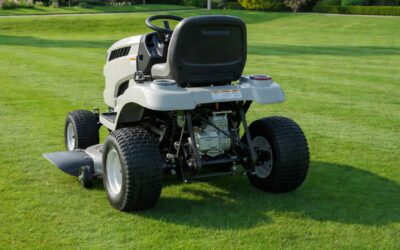
Changing the oil on your Craftsman lawn mower is a fundamental maintenance task that helps keep the engine running smoothly and extends the life of your equipment. The process involves warming the engine briefly, turning it off and disconnecting the spark plug, locating the oil drain plug or tipping the mower to drain old oil into a suitable pan, replacing the drain plug, adding the recommended oil type and amount via the dipstick or fill tube, checking the oil level, and properly disposing of the used oil. This guide walks you through each step to ensure a safe and effective oil change for both push and riding mowers.
Understanding Your Craftsman Mower Type and Engine
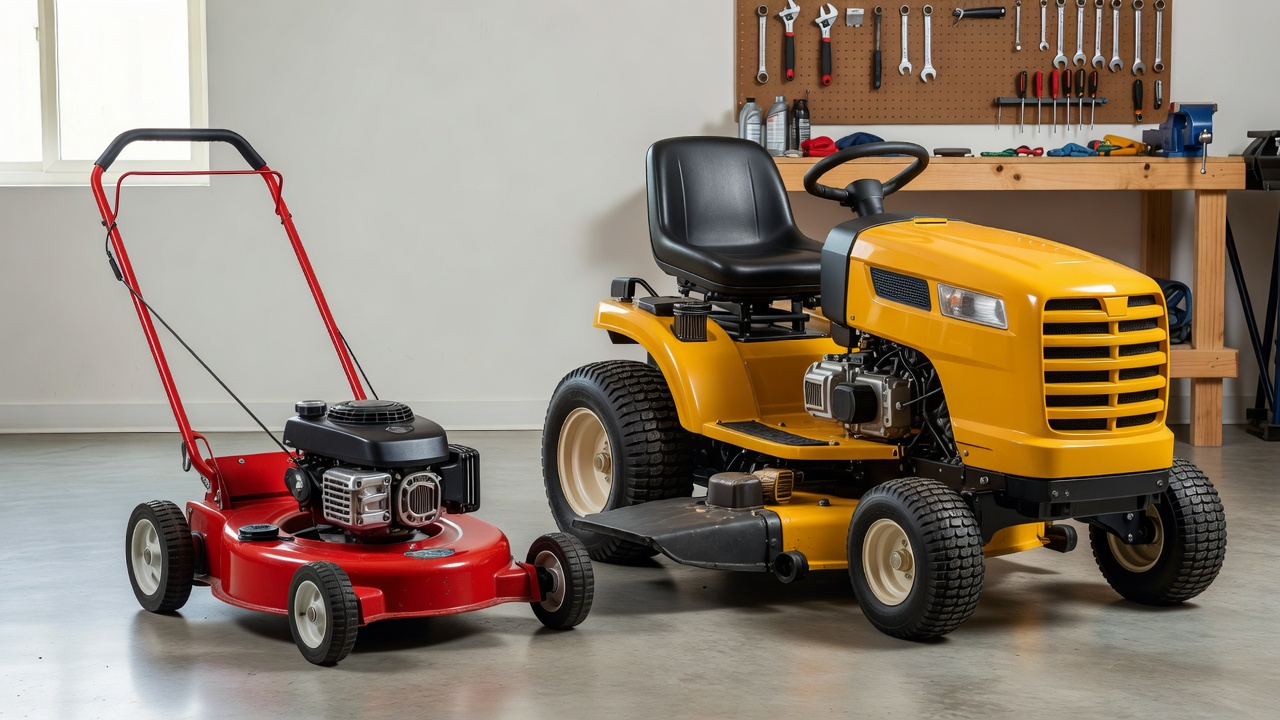
Before beginning any maintenance on your Craftsman lawn mower, it is essential to identify the specific type and engine model you own. Craftsman manufactures both push mowers and riding mowers, and the oil change procedure can vary between these categories. Knowing your exact model helps you gather the correct tools, determine the appropriate oil type, and follow the right steps for your equipment.
To identify your mower type, examine the overall design. Push mowers require the operator to walk behind and propel the machine forward manually. Riding mowers, including lawn tractors and zero-turn models, allow the operator to sit and steer while the mower moves under its own power. Each type may have different access points for oil draining and filling, as well as varying oil capacities.
The engine manufacturer is equally important because different engines have different maintenance requirements. Many Craftsman lawn mowers are equipped with engines from Briggs & Stratton, Honda, or Kohler. You can typically find the engine model number on a sticker or plate attached to the engine housing. Consult your owner’s manual or the manufacturer’s website using this model number to determine the recommended oil type, viscosity, and oil capacity for your specific engine.
Locating the identification information early in the process prevents mistakes such as using the wrong oil viscosity or overfilling the crankcase, both of which can affect engine performance and longevity.
Tools and Materials Needed for the Oil Change
Gathering the correct tools and materials before starting ensures the oil change proceeds smoothly and safely. Having everything on hand eliminates interruptions and reduces the likelihood of spills or errors during the procedure.
The essential tools and materials include a set of wrenches or sockets appropriate for removing the oil drain plug, an oil drain pan or container capable of holding the volume of oil your engine holds, a funnel for adding new oil, and fresh engine oil that meets the manufacturer’s specifications. You will also need a clean rag or shop towels for wiping surfaces and a pair of disposable gloves to protect your hands from used oil.
Depending on your specific mower model, you may also need a socket wrench set for removing the oil filter if your engine is equipped with one. Some engines have an oil filter that requires replacement during the oil change, while others do not. Check your owner’s manual to determine whether your engine includes an oil filter and, if so, identify the correct replacement part number.
Using the proper oil type is critical for engine health. Most small lawn mower engines operate satisfactorily with conventional motor oil, though some newer models may recommend synthetic oil. The viscosity grade, such as SAE 30 or 10W-30, depends on the ambient temperature range in which you typically operate the mower. SAE 30 is generally suitable for warmer temperatures above 50°F (10°C), while 10W-30 offers better cold-weather starting protection. Always verify the recommended viscosity for your specific engine before purchasing oil.
Step-by-Step Oil Change Procedure
With your mower identified and tools assembled, you are ready to begin the oil change procedure. Following these steps in order helps ensure safety and completeness throughout the process.
Preparing the Mower
Start by warming the engine for a few minutes. Running the mower briefly helps the oil flow more freely, which makes draining easier and more complete. After warming, turn off the engine and allow it to cool for a minute or two. This cooling period makes the mower safer to work with while the oil remains warm enough to drain easily.
Safety is paramount during any engine maintenance. Begin by disconnecting the spark plug wire from the spark plug. This prevents accidental engine startup while you are working near moving parts or while the mower is in an unusual position. Pull the boot firmly away from the spark plug and set it aside where it cannot accidentally reconnect.
Draining the Old Oil
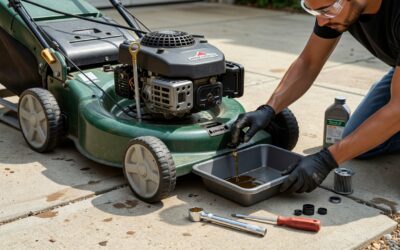
Position the mower so you can access the oil drain plug or oil fill area. For mowers with a drain plug, place the oil drain pan directly beneath the plug. Using the appropriate wrench, carefully loosen the drain plug by turning it counterclockwise. Support the plug with one hand as you remove it completely to avoid dropping it into the oil or losing it in the pan.
Allow the old oil to drain completely into the pan. This may take several minutes depending on the oil temperature and the viscosity. While the oil drains, avoid tipping the mower excessively, as this can cause oil to spill or make removal of the drain plug difficult.
For mowers without a drain plug, you will need to tip the mower to drain the oil through the fill tube. To do this safely, first disconnect the spark plug wire as described above. Then, position the drain pan to catch the oil and tip the mower carefully onto its side, ensuring that the air filter and carburetor face upward. This orientation prevents oil from entering these sensitive components. Allow the oil to drain fully before returning the mower to its normal operating position.
Replacing the Drain Plug and Filter
Once the oil has drained completely, inspect the drain plug and its gasket or washer. Replace any worn or damaged gaskets to ensure a proper seal when reinstalling. Hand-tighten the drain plug into the drain hole, then use the wrench to secure it firmly but avoid overtightening, which can strip threads or damage the plug.
If your engine has an oil filter, this is the appropriate time to replace it. Locate the oil filter, which is typically mounted on the side of the engine block. Use an oil filter wrench or your hand to remove the old filter by turning it counterclockwise. Before installing the new filter, apply a thin coat of fresh oil to the rubber gasket on the top of the new filter. This ensures a proper seal and makes removal easier during the next oil change. Screw the new filter into place by hand, tightening it until the gasket contacts the mounting surface, then give it an additional half to three-quarter turn.
Adding Fresh Oil
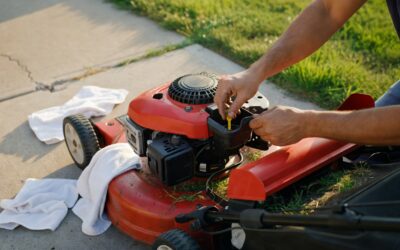
Locate the oil fill cap or dipstick on your mower. Remove the cap or pull out the dipstick to open the fill tube. Using a funnel, pour the recommended amount of fresh oil into the engine. Consult your owner’s manual for the exact oil capacity of your engine, as this varies by model. It is better to add oil gradually and check the level frequently than to overfill.
After adding oil, wait a moment for it to settle, then check the level using the dipstick. Pull the dipstick out, wipe it clean, reinsert it fully, and pull it out again to read the oil level. The oil should fall between the minimum and maximum marks or within the crosshatched area of the dipstick. If the level is low, add small amounts of oil and recheck until you reach the correct level. Avoid overfilling, as excess oil can cause seal leaks and engine damage.
Oil Specifications and Disposal
Understanding oil specifications helps you maintain your engine correctly and avoid damage from using the wrong type or viscosity. Lawn mower engines operate under demanding conditions, and using the appropriate oil ensures proper lubrication, cooling, and protection of internal components.
Most manufacturers recommend conventional motor oil with a viscosity suited to the operating temperature range. In moderate climates with temperatures between 40°F and 100°F (4°C and 38°C), SAE 30 is commonly used. For regions with colder temperatures or significant seasonal variation, 10W-30 provides easier starting and adequate protection. Some newer engines may specify 5W-30 or synthetic blends for enhanced performance, particularly in extreme temperatures.
Consult your specific owner’s manual for the manufacturer’s recommended oil type and capacity. If the manual is unavailable, the sticker or plate on the engine often lists the recommended viscosity grade. When in doubt, err on the side of the manufacturer recommendation rather than selecting oil based on general assumptions.
Proper Disposal of Used Oil
Used motor oil requires proper disposal to protect the environment and comply with local regulations. Do not pour used oil onto the ground, into storm drains, or into regular trash containers. These practices contaminate soil and water supplies and may be illegal in your area.
Instead, transport the used oil to an authorized recycling center or collection site. Many auto parts stores, service stations, and municipal waste facilities accept used motor oil for recycling at no charge. Place the oil in a sealed, leak-proof container such as the original oil bottle or a dedicated oil drain pan for transport. Some areas offer curbside pickup services for used oil; check with your local waste management authority for options in your community.
Frequently Asked Questions
How often should I change the oil on my Craftsman lawn mower?
Most manufacturers recommend changing the oil at the beginning of each mowing season or after every 50 hours of operation, whichever comes first. If you mow frequently or operate in dusty conditions, more frequent changes may be beneficial. Always follow the interval specified in your owner’s manual.
Can I use automotive motor oil in my lawn mower?
Automotive motor oils meeting the viscosity grade recommended for your engine are generally acceptable for use in lawn mower engines. However, avoid using oils labeled specifically for diesel engines or those containing diesel-specific additives unless your manufacturer approves them. Always verify compatibility with your owner’s manual.
What happens if I overfill the oil on my mower?
Overfilling the crankcase can cause oil to leak past seals and gaskets, create excessive pressure that damages seals, and lead to foaming that reduces lubrication effectiveness. If you accidentally overfill, drain the excess oil or remove the drain plug to let out the extra amount until the level is correct.
Is it necessary to replace the oil filter every time I change the oil?
If your engine has an oil filter, replacing it during each oil change is generally recommended. A clogged or degraded filter can restrict oil flow and reduce engine protection. Consult your owner’s manual to confirm whether your specific engine includes an oil filter and the recommended replacement schedule.
Conclusion
Regular oil changes keep your Craftsman lawn mower running reliably season after season. By identifying your mower type and engine model, gathering the appropriate tools and materials, following the step-by-step procedure carefully, and disposing of used oil responsibly, you can perform this maintenance task safely and effectively. When in doubt about any aspect of the procedure, consult your owner’s manual or seek assistance from a qualified small engine technician.