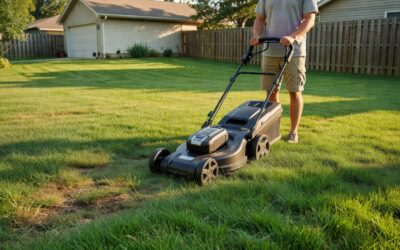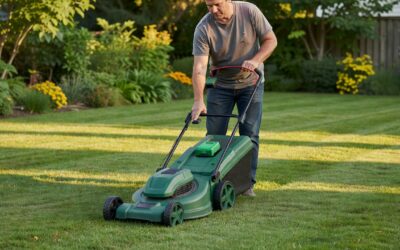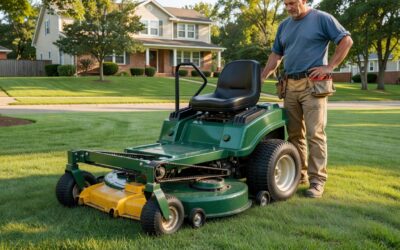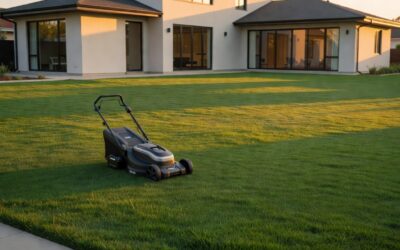
Most U.S. municipalities allow lawn mowing until sunset or dusk, though many restrict noise-generating equipment between 7–10 PM on weekdays and earlier on weekends. Specific cutoff times vary significantly by jurisdiction and are governed by local noise ordinances. The safest general practice is to avoid mowing after 9 PM on any day and to verify your city or county’s specific regulations before evening yard work.
Understanding Local Noise Ordinances
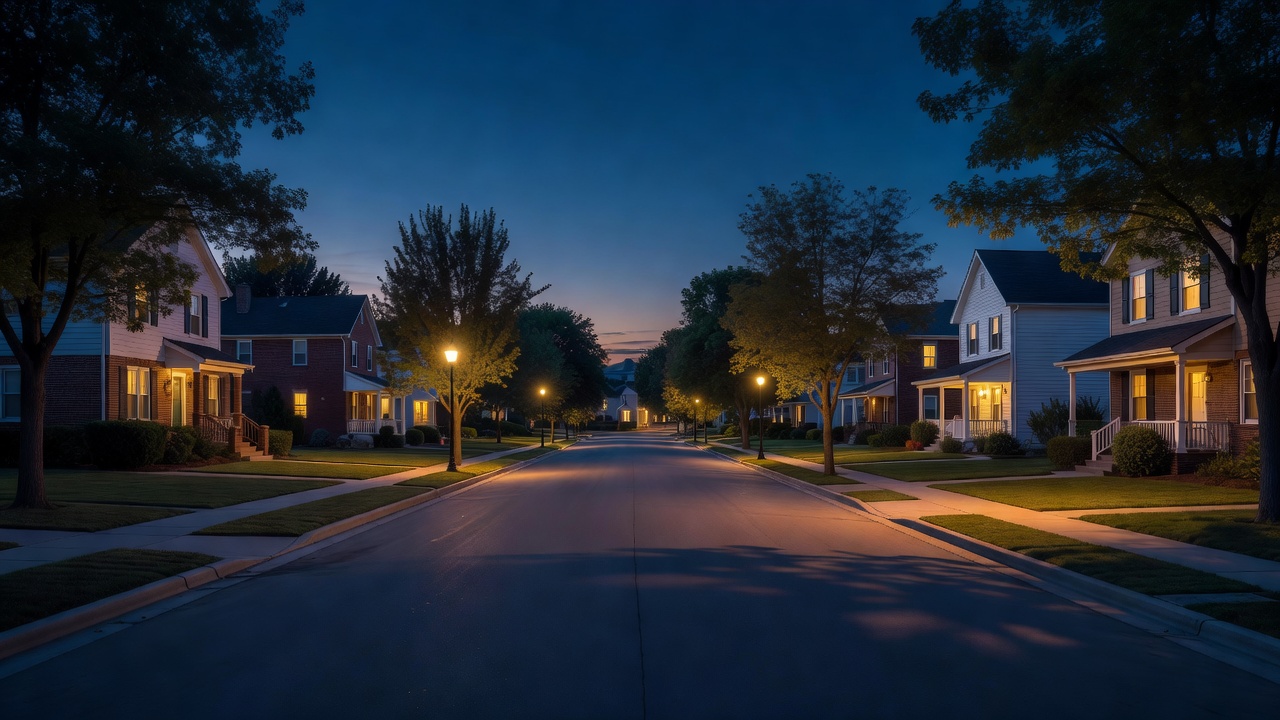
Lawn mowing time restrictions exist as part of broader municipal noise ordinances designed to protect residential quality of life. These rules typically define “quiet hours”—periods during which noise-generating activities are prohibited or restricted. The underlying principle is that loud equipment during evening and early morning hours disrupts sleep and interferes with neighbors’ reasonable use of their property.
Why do regulations vary so widely? Each municipality sets its own noise standards based on local priorities, population density, and existing ordinances. A rural county may have more lenient restrictions than a densely populated city. Some jurisdictions focus on specific decibel limits (the loudness threshold), while others simply prohibit “unreasonable noise” without specifying exact measurements. Residential zones typically have stricter rules than commercial or industrial areas.
Most noise ordinances distinguish between weekday and weekend quiet hours, and some account for seasonal daylight changes. Mowing restrictions may be tied to sunset times, which shift throughout the year, meaning your allowable mowing window expands in summer and contracts in winter.
Typical Mowing Hour Windows by Region
While rules vary, common patterns emerge across U.S. municipalities:
- Weekday restrictions: Many cities prohibit lawn mowing equipment between 7 or 8 PM and 7 or 8 AM. Some allow mowing until sunset and then impose a quiet hour afterward.
- Weekend restrictions: Saturday and Sunday quiet hours often begin earlier—sometimes 8 or 9 AM instead of the weekday start time—to protect sleep. Evening restrictions may be similar to weekdays or start an hour earlier.
- Seasonal variation: Ordinances may specify different windows for summer and winter months to reflect changing daylight. In northern regions, winter sunset can occur as early as 4:30 PM, potentially making evening mowing impossible without violating quiet hours.
A typical scenario: weekday quiet hours from 7 PM to 7 AM, weekend quiet hours from 8 AM to 6 PM (afternoon restriction) and 7 PM to 8 AM. This means you could mow until 7 PM on a weekday evening or until sunset if that occurs before 7 PM. However, these are illustrative examples; your actual rules may differ.
How to Find Your Local Mowing Regulations
The only reliable way to know your lawn mowing deadline is to consult your municipality’s noise ordinance directly. Here’s how:
- Search online: Visit your city or county government website and look for “noise ordinance,” “noise code,” or “municipal code” sections. Most municipalities post ordinances publicly.
- Contact local authorities: Call your city or county clerk’s office, non-emergency police line, or code enforcement department. They can provide specific quiet hours and explain any exceptions.
- Check your lease or HOA rules: If you rent or live in a homeowners association, those agreements may impose stricter limits than municipal ordinances.
- Ask neighbors: Long-time residents often know local enforcement practices and informal community expectations.
When searching, look for terminology like “noise ordinance,” “sound level restrictions,” “decibel limits,” and “quiet hours.” Some ordinances specify equipment types explicitly (e.g., “gas-powered lawn equipment” or “motorized yard equipment”), while others use broader language about noise sources.
Equipment Type and Noise Considerations
The type of mower you use affects whether late evening mowing is even practical. Gas-powered mowers are significantly louder than electric alternatives, typically operating in the 85–95 decibel range depending on model and distance. Electric mowers, by contrast, generally produce 75–85 decibels. For comparison, normal conversation is around 60 decibels, and sound sensitivity typically increases in the evening when ambient noise decreases.
Many noise ordinances don’t explicitly ban equipment based on type but instead enforce decibel limits or define “unreasonable noise.” A quieter electric mower may allow you to mow slightly later without violation, though local regulations still apply. Battery-powered equipment is increasingly popular for this reason—it’s quieter, cleaner, and less disruptive during sensitive hours.
If you have a gas mower and evening mowing is important to you, consider the noise impact. Even if technically legal, operating a loud mower in the early evening damages neighborhood relationships and may invite complaints or code enforcement attention.
Best Practices for Evening Lawn Mowing
Beyond legal requirements, practical considerations apply when mowing late:
- Aim for early evening: Mow between 5 PM and 7 PM on weekdays when possible. This is early enough to avoid most quiet hours yet late enough to avoid the hottest part of the day.
- Respect sunset timing: Even if local rules permit mowing until 9 or 10 PM, mowing at dusk or after dark introduces safety hazards. Visibility decreases, making it harder to spot obstacles, and operating equipment in low light increases injury risk.
- Communicate with neighbors: If evening mowing is your only option, let neighbors know in advance. A brief conversation prevents frustration and misunderstandings.
- Use quieter equipment: If you have a choice, choose electric or battery-powered mowers to minimize noise impact, especially for evening use.
- Mow less frequently in summer: Slower summer growth means you may not need to mow as often. Plan your schedule so evening mowing isn’t necessary every week.
Visibility and safety should be your primary concern. Most lawn mower injuries occur during evening hours when light is poor. Mowing in daylight, when possible, is always the safer option.
Penalties and Enforcement for Violating Quiet Hours
Consequences for violating noise ordinances vary by jurisdiction. Enforcement typically begins with a warning or citation issued by code enforcement or police. First-time violations may result in a warning or modest fine. Repeat violations can escalate to higher fines, and some municipalities pursue escalating penalties for persistent offenders.
Complaints are usually reported by neighbors or discovered during routine enforcement. Violations can also occur if your equipment is excessively loud due to poor maintenance—a damaged muffler, for example, may push noise levels above legal thresholds even during permitted hours.
To avoid enforcement issues, mow within your local quiet hours and maintain your equipment properly. A well-maintained mower is quieter and safer than one in poor condition.
Special Considerations for Seasonal Changes
Daylight length significantly affects your mowing window, especially in northern climates. Summer evenings offer extended daylight, making evening mowing feasible. Winter sunset can occur by 4:30 or 5 PM in some regions, making evening yard work impossible without violating quiet hours or creating safety hazards from low visibility.
If you live in a region with short winter days, plan your mowing schedule accordingly. Aim to complete mowing during daylight hours, or focus lawn maintenance on seasons when evening mowing is safe and legal.
Some homeowners shift to spring and fall as primary mowing seasons, reducing summer and winter workload when time constraints are tightest.
Key Takeaways
- Check your local city or county noise ordinance to determine exact quiet hours in your area.
- Most municipalities restrict mowing between 7–10 PM on weekdays; weekend restrictions often start earlier.
- Sunset times vary seasonally and geographically, affecting your actual allowable window.
- Electric mowers are quieter than gas mowers and may be less disruptive for evening use.
- Always prioritize safety: mow during daylight when possible to ensure visibility and reduce injury risk.
- Communicate with neighbors and maintain equipment to minimize noise impact and enforcement issues.