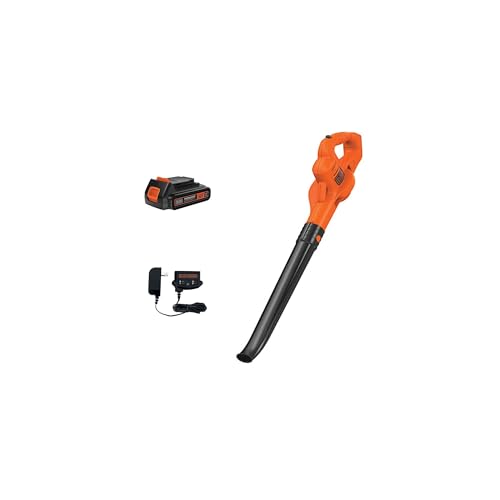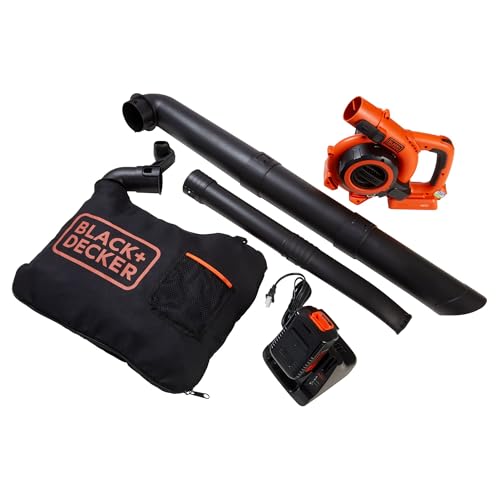
A high-volume cordless wind blower suits homeowners who prioritize unrestricted mobility across large lawns, though it requires managing limited battery runtimes. Conversely, a corded blower provides continuous clearing power for small driveways at the cost of tethering you to an extension cord.

Pros
- High-speed motor reaches up to 130,000 RPM
- Includes 5 interchangeable cleaning nozzles
- Built-in LED light for illuminating dark crevices
- Up to 240 minutes runtime on the lowest setting
Cons
- Maximum speed runtime is limited to 25 minutes
- Audible operation reaches up to 82.5 dB
- Requires a 10-minute cooldown period before charging

Pros
- Lightweight design at only 4.4 pounds
- 7-Amp motor rated up to 180 MPH and 180 CFM
- Built-in cord retention prevents unplugging
- Zero emissions with instant push-button start
- Simple, low-maintenance corded design
Cons
- Extension cord is not included
- Operating range is limited by cord reach
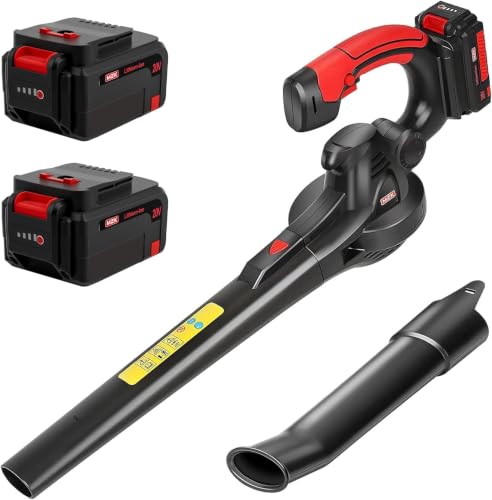
Pros
- Weighs only 3.9 pounds for light handling
- Rated airflow up to 450 CFM
- Cordless design allows unrestricted mobility
- Convenient one-hand trigger operation
- No gas mixing or cord management required
Cons
- Runtime varies significantly by power output
- Battery charging intervals required
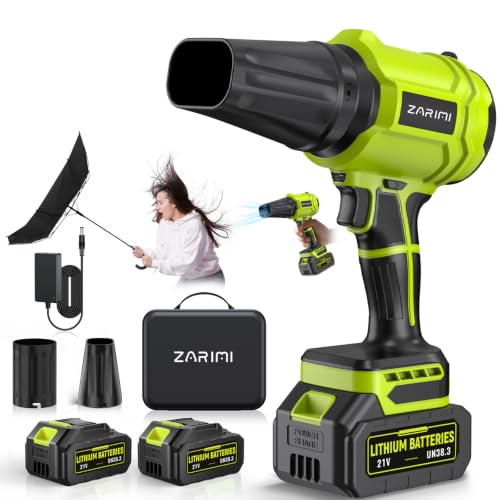
Pros
- Extremely lightweight at only 2.8 pounds for low-fatigue use
- Reaches stated air speeds over 50 m/s (110+ MPH)
- Comes with two batteries and charger for alternating use
- Includes a concentrated narrow nozzle for detailed edging
- Compact footprint stores easily in tight spaces or vehicle trunks
Cons
- Limited runtime of only about 13 minutes per battery
- Not designed for moving heavy or deep piles of wet leaves
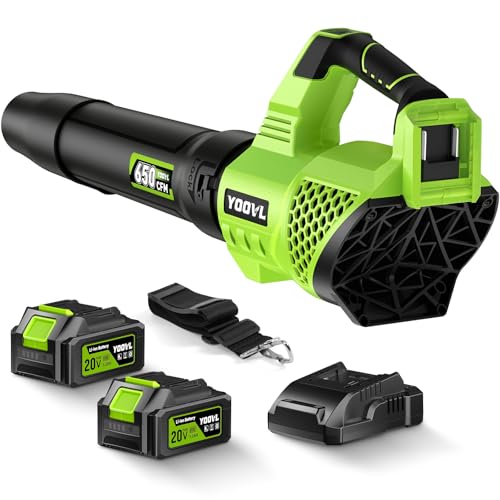
Pros
- Airflow rated up to 650 CFM using advanced turbo technology
- Comes with two high-capacity 20V 5.2Ah batteries and fast charger
- Three selectable speed modes for delicate to heavy-duty jobs
- Includes an adjustable shoulder strap to reduce arm fatigue
- Includes blower tube and extension nozzle attachments
Cons
- Maximum 150-minute runtime applies only to low-speed mode
- Heavier battery packs may add weight during prolonged handheld use

Pros
- Includes two 21V 4.0Ah batteries for extended runtime
- Delivers up to 420 CFM airflow and 150 MPH air speed
- Lightweight design weighs under 3 lbs bare tool for low fatigue
- Comes with both round and flat interchangeable nozzles
- Two adjustable speed settings for varying cleanup tasks
Cons
- Limited to two preset airflow speeds
- Best suited for dry leaves and light debris rather than heavy wet waste

Pros
- Includes two 20V 2.0Ah batteries and a fast charger
- Extremely lightweight design at just 3.4 pounds
- Two selectable speed modes match light and heavier tasks
- Ergonomic non-slip grip allows comfortable one-handed use
- Comes with an extension nozzle for targeted airflow
Cons
- Runtime decreases significantly at the higher speed setting
- Best suited for light residential cleanup rather than dense debris

Pros
- Claims up to 450 CFM and 150 MPH for efficient debris clearing
- Lightweight 3.8-pound body reduces arm fatigue
- Includes two batteries and a charger for extended sessions
- Two selectable speed modes match different cleaning tasks
- Simple assembly requiring only nozzle and battery attachment
Cons
- Runtime reaches up to 30 minutes per battery only on low speed
- High-speed battery consumption significantly shortens run times

Pros
- Lightweight, maneuverable design at just 4.6 pounds
- Reaches up to a rated 500 CFM and 200 MPH
- Includes two 2.0Ah batteries and a charger
- Dual air duct design with quick-release latch
Cons
- Reaching 80 minutes requires swapping both batteries
- Two preset speed levels provide limited fine adjustments

Pros
- Produces up to 600 CFM and 200 MPH air output
- Includes two 21V 6.0Ah batteries and rapid charger
- Extremely lightweight build at 2.77 pounds
- Features six adjustable speed settings
- Ergonomic handle with upgraded rubber grip
Cons
- Stated runtime is roughly 30 minutes on low speed
Cordless Battery Freedom vs. Unlimited Corded Power
Choosing between corded and cordless tools comes down to property size and how long you need to blow debris without stopping. Cordless options eliminate tripping hazards and extension cord tangles, allowing you to walk freely along perimeter fences, outbuildings, and sidewalks. However, cordless power depends entirely on battery reserves, meaning your work session pauses when the cells run dry.
For properties where outlets are easily accessible, corded models like the BLACK+DECKER Electric Leaf Blower provide continuous, uninterrupted output. Powered by a 7-amp electric motor, it never experiences power tapering or dead batteries midway through a job. The clear trade-off is distance: you must supply an exterior-grade extension cord and navigate obstacles without catching the cord on garden beds or patio furniture. For larger areas or remote fence lines, cordless options like those covered in our cordless battery leaf blower overview offer superior physical mobility.
Evaluating Airflow: Understanding CFM and Airspeed Ratings
Airflow volume (CFM) measures the amount of air displaced, while airspeed (MPH) indicates how fast that air exits the nozzle. High MPH helps dislodge stubborn, wet debris from textured concrete, but a high CFM rating is what actually herds large mounds of dry leaves across open turf.
The Leaf Blower Cordless, 650CFM Electric Leaf Blowers advertises an airflow rating of up to 650 CFM, tailored for wide sweeping sweeps across open grass. In contrast, the BLACK+DECKER Electric Leaf Blower advertises an airflow rating of 180 CFM alongside a 180 MPH exit velocity, which concentrates force in a tighter stream. If you are comparing air delivery against dedicated heavy-duty platforms, review the metrics in our high-powered leaf blower guide. When comparing models, note that manufacturer-advertised CFM figures are often calculated under ideal test setups rather than real-world outdoor wind resistance.
Battery Capacity and Multi-Battery Power Management
Dual-battery kits solve the primary drawback of cordless yard maintenance by allowing you to rotate packs or finish larger jobs without an immediate recharge stop. Battery capacity is measured in ampere-hours (Ah), with higher ratings generally providing extended working periods per charge under comparable motor loads.
The Leaf Blower Cordless, 650CFM Electric Leaf Blowers includes two 20V 5.2Ah batteries, providing high-capacity reserves designed to support its multi-speed motor. The Electric Leaf Blower Cordless with Battery includes two 21V 4.0Ah batteries, balancing charge capacity with a lighter handheld configuration. More budget-conscious alternatives, such as the Leaf Blower Cordless, Leaf Blower with Battery, include dual 2.0Ah packs. While two smaller batteries allow quick pack swaps, they exhaust their charge significantly faster when running on high-speed turbo modes.
Weight and Ergonomic Handling for Extended Yard Work
A wind blower’s overall weight and weight distribution determine whether you can comfortably clear an entire property in a single session without shoulder or wrist strain. Handheld tools that concentrate weight away from the grip tire forearm muscles quickly, especially when clearing leaves along ground edges.
The YUQUESEN Cordless Leaf Blower is built for fatigue reduction, weighing an advertised 2.8 pounds to facilitate single-handed overhead clearing on decks and gutters. The Electric Leaf Blower Cordless with Battery lists an ultra-light bare tool weight of 2.74 pounds before adding the battery pack. For heavier models, like the Leaf Blower Cordless, 650CFM Electric Leaf Blowers, an included adjustable shoulder strap distributes motor and battery weight across your torso, mitigating arm fatigue during prolonged seasonal cleanups.
Wind Blower Frequently Asked Questions
What is the difference between CFM and MPH on a wind blower?
CFM (cubic feet per minute) indicates the volume of air exiting the tube, which dictates how large a pile of leaves the tool can push. MPH (miles per hour) measures the air speed, which determines the tool's ability to lift wet, stuck leaves and stubborn debris from pavement.
Why do many cordless wind blowers come with two batteries?
High-powered electric blowers draw substantial current, especially at top speed. Manufacturers bundle dual batteries so you can complete standard yard cleanups by swapping in a fresh pack or alternating them to avoid mid-task charging interruptions.
Can electric leaf blowers clear wet leaves and light snow?
Electric blowers with higher airflow and targeted nozzles can push light, fluffy snow and damp foliage off smooth surfaces like driveways and decks. However, dense, waterlogged leaf piles require substantially more power and may require raking.
Choosing the Right Wind Blower for Your Yard
Selecting the most effective wind blower requires balancing your yard size, typical debris density, and physical comfort. Cordless models with dual high-capacity batteries excel at tackling broad properties, while compact corded models deliver reliable, maintenance-free power for compact suburban lots.
For buyers needing robust clearing performance across lawns and driveways, the Leaf Blower Cordless, 650CFM Electric Leaf Blowers is the recommended choice due to its generous 650 CFM maximum output and two bundled 5.2Ah batteries. Its main limitation is its higher purchase price and overall weight compared to ultra-compact designs. If you have a smaller budget and accessible outdoor electrical outlets, the corded BLACK+DECKER Electric Leaf Blower provides dependable continuous blowing force without the worry of battery life.