For sprawling lawns with heavy leaf cover, a balanced backpack model like the Husqvarna 350BT Gas Leaf Blower delivers sustained clearing force, though you must accept two-stroke fuel mixing and a higher purchase price. Smaller properties often benefit from compact handheld blowers that trade brute volume for nimble handling and simpler storage.

Pros
- Lightweight 9.4-pound design offers easy handheld maneuvering
- Reduced-resistance recoil system eases engine pull starts
- Translucent fuel tank allows quick monitoring of gas levels
- Cushioned anti-vibration handle helps dampen arm strain
- Capable of up to 380 CFM and 180 MPH airflow
Cons
- Requires mixing 2-cycle gas and oil at a 50:1 ratio
- Modest 380 CFM output is best suited for lighter debris
Pros
- Delivers up to 550 CFM and 230 MPH for moving wet yard debris
- Lightweight 17-pound backpack design with cushioned straps
- Thumb throttle includes cruise control for steady blowing
- 33.8 fl oz fuel tank yields up to 45 minutes of run time
- Operating temperature range spans 14°F to 104°F
Cons
- Requires 2-cycle fuel mixing and engine maintenance
- 550 CFM is modest for a backpack-class gas blower
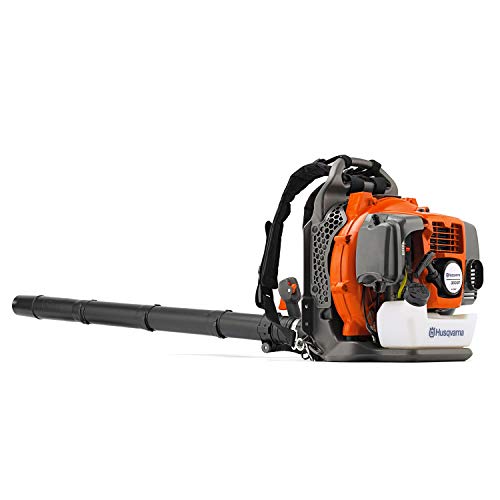
Pros
- 50.2-cc 2.1-HP X-Torq engine
- Rated blowing force of 692 CFM and 180 MPH
- LowVib technology dampens machine vibrations
- Air purge primer simplifies engine starts
- Ergonomic harness with offset control handle
Cons
- Weighs 22 pounds before fuel is added
- Requires ongoing two-stroke fuel mixing

Pros
- 4-cycle engine eliminates fuel and oil mixing
- Delivers up to 410 CFM and 125 MPH clearing power
- Automatic compression release for easier pull starts
- Lubricates in all directions without stalling or leaks
Cons
- Not available for purchase or delivery in California
- Requires routine gas engine maintenance and oil checks
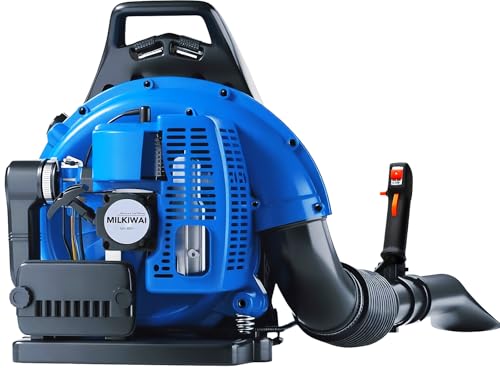
Pros
- Rated output reaches up to 665 CFM and 205 MPH wind speed
- Padded backpack harness with 3-point spring stabilization system
- Variable speed throttle includes cruise control for steady operation
- Manufacturer claims up to 50 minutes of runtime at full throttle
Cons
- Substantial 19-pound unit weight can tire users during prolonged work
- Requires manual 2-stroke gas and oil mixing for engine operation

Pros
- 63cc 2-cycle engine produces 665 CFM and 205 MPH
- 1.7-liter fuel tank enables extended sessions between refills
- Cruise control locks in throttle to reduce hand strain
- Padded harness and vibration reduction improve carry comfort
- Tool-free access simplifies two-stage air filter maintenance
Cons
- Substantial 21-pound dry weight requires physical stamina
- Requires ongoing 2-stroke oil and gasoline mixing

Pros
- 28-cc 2-cycle engine rated at 470 CFM and 170 MPH
- Includes vac kit with mulching knives and bag
- Cruise control feature simplifies extended use
- Auto-return stop switch automatically resets to on
Cons
- Weighs 9.6 pounds before fuel and collected debris
- Requires 2-cycle gas and oil fuel mixing

Pros
- 2.7kW 63cc two-stroke engine delivers up to 6,800 RPM
- Multi-directional air outlet adjusts vertically and horizontally
- 0.47-gallon fuel tank enables long runs between top-offs
- Constant speed switch holds chosen throttle effortlessly
- Backpack harness features heat-insulating back padding
Cons
- Substantial 22-pound dry weight adds strain on long sessions
- Requires manual two-stroke oil and gasoline mixing
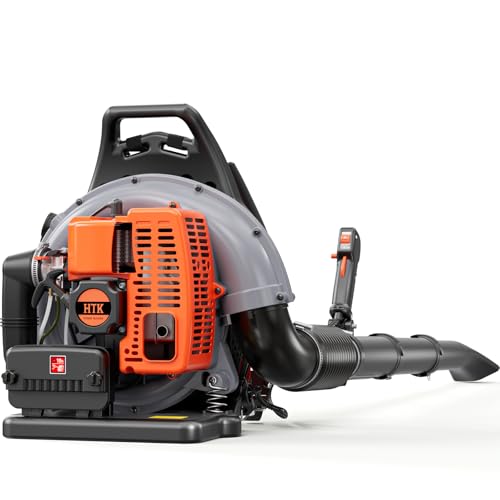
Pros
- 63cc 2-stroke engine delivers 665 CFM and 205 MPH airspeed
- Padded ergonomic backpack harness balances weight across shoulders
- Cruise control locks throttle to relieve trigger finger strain
- Generous 1.7L fuel tank supports extended property maintenance
- Manufacturer-rated sound level of 71 dB for quieter operation
Cons
- Requires ongoing two-cycle oil-to-gasoline fuel mixing
- Bulkier footprint demands sufficient garage or shed storage

Pros
- 51cc 2-cycle engine produces up to 765 CFM and 270 MPH
- Padded harness and hip belt provide balanced load distribution
- Air purge system removes fuel line air for easier starting
- Variable speed throttle includes cruise control functionality
- Proven X-Torq engine technology maintains high clearing force
Cons
- Heavier 22-pound build can cause fatigue on extended jobs
- Requires routine 2-cycle gas and oil fuel maintenance
Handheld vs. Backpack Blowers: Matching Size to Yard Demands
Backpack blowers excel at clearing substantial properties because they transfer the engine’s mass to your shoulders and hips, whereas handheld blowers offer quick grab-and-go convenience for localized tasks. If your property features long driveways or mature trees that drop dense seasonal piles, carrying a tool by hand can quickly lead to forearm and shoulder fatigue.
Units like the Thalorus 52cc Gas Backpack Leaf Blower, 550 CFM weigh roughly 17 pounds, using padded straps to distribute that weight evenly during prolonged sweeps. In contrast, handheld options like the Getell 26cc Gas Leaf Blower focus on lower overall weight and easier maneuverability around garden beds and porch furniture. However, handheld engines are smaller, delivering lower air volume that requires more passes across wide turf areas. Those needing raw endurance across acreage generally prefer backpack frames, while suburban patio clearing is faster with a compact unit.
Fuel Mixing Trade-Offs: 2-Cycle Versus 4-Cycle Engines
Choosing between two-cycle and four-cycle engines comes down to a balance between raw power-to-weight ratio and fuel-handling convenience. Two-stroke engines require a precise gasoline-and-oil blend, whereas four-stroke models draw straight fuel directly from a standard gas can.
The SENIX 4QL 26.5cc 4-Cycle Handheld Gas Leaf Blower eliminates fuel mixing entirely and is advertised with an automatic compression release for lower pulling resistance. The trade-off is a lower stated airspeed of 125 MPH and regional shipping restrictions, such as unavailability in California. Meanwhile, two-cycle alternatives like the Getell 26cc Gas Leaf Blower rely on a standard 50:1 mix to produce an advertised 180 MPH. While two-cycle motors deliver snappy throttle response and lightweight construction, failing to mix the oil properly will permanently damage the powerhead.
CFM Versus Air Speed for Heavy and Wet Yard Debris
Air volume (CFM) determines the width and weight of the pile you can push, while air velocity (MPH) dictates how effectively the nozzle can break loose stubborn, wet debris from the soil. A machine with high airspeed but low volume will blow narrow holes through leaf drifts, whereas balanced output rolls whole piles forward smoothly.
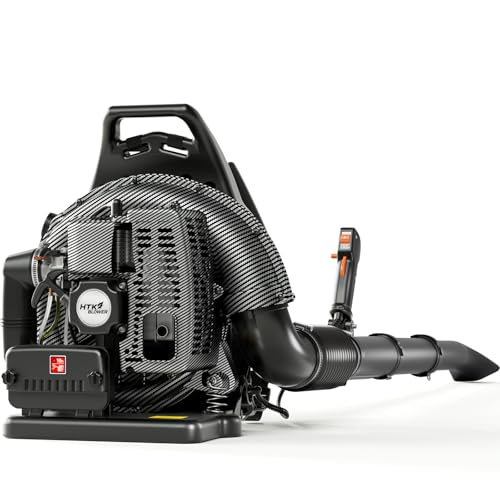
For demanding jobs, the Husqvarna 150BT Gas Backpack Leaf Blower lists 765 CFM paired with an advertised 270 MPH, providing the sheer force required to scour soaked leaves from turf. On budget-focused platforms, the 63CC Gas Backpack Leaf Blower, 2-Stroke Engine claims 665 CFM at 205 MPH. For readers evaluating raw output versus battery alternatives, examining a dedicated high-powered leaf blower comparison shows where gas still retains a continuous-runtime advantage over cordless packs.
Husqvarna 350BT vs. Getell 63CC: Refined Ergonomics vs. Budget Power
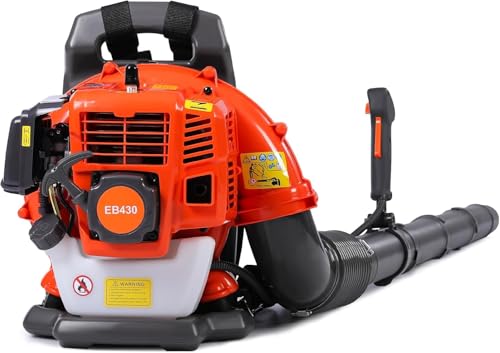
Comparing the Husqvarna 350BT Gas Leaf Blower to the Getell 63CC Gas Backpack Leaf Blower illustrates the distinction between commercial-grade dampening systems and high-displacement value options. The Husqvarna relies on a 50.2cc X-Torq engine generating an advertised 692 CFM and 180 MPH, whereas the Getell features a larger 63cc engine claiming 665 CFM and 205 MPH at a significantly lower initial price point.
The trade-off lies in ergonomic refinement and mechanical vibration isolation. Husqvarna integrates its LowVib technology and an adjustable offset handle to counteract rotational arm strain, along with an air purge system for consistent starting. The Getell 63CC unit delivers strong advertised blowing specs and a generous 1.7-liter fuel tank for extended sessions, but at 21 pounds it is heavier, and budget-tier components generally lack the dealer support networks common to legacy brands. Buyers prioritizing all-day comfort often justify the investment in Husqvarna, while budget-conscious operators may favor the lower upfront cost of the Getell.
Multi-Use Cleanup: Why Vacuum and Mulching Capabilities Matter
Standard gas yard blowers only push debris into piles, which leaves you with the secondary chore of bagging or hauling waste. Combination units solve this by converting airflow into suction to shred material directly into an attached collection bag.
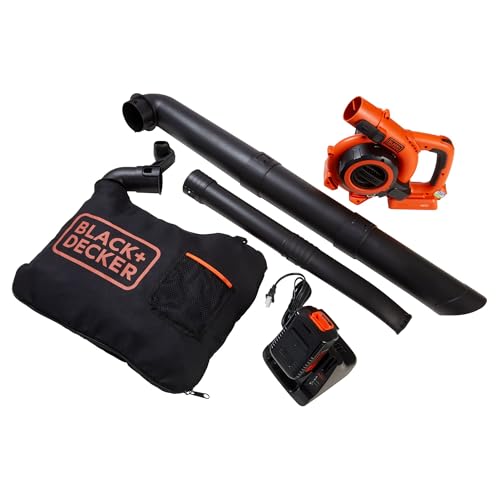
The Husqvarna 125BVx Gas Leaf Blower incorporates a dedicated vacuum kit and mulching knives driven by its 28cc engine. While it advertises 470 CFM and 170 MPH in blower mode, its standout benefit is condensing volume so you handle fewer yard-waste bags. The practical trade-off is the added bulk of the collection bag and tube assembly, as well as a lower maximum blowing force compared to dedicated backpack blowers. Property owners with modest leaf volume find the mulching feature invaluable, whereas those facing deep woods fall-off will quickly overwhelm a handheld collection bag.
Gas Yard Blower FAQ: Fuel, Weight, and Usability
What is the primary benefit of choosing a 4-cycle gas yard blower over a 2-cycle model?
A 4-cycle blower, such as the SENIX 4QL 26.5cc 4-Cycle Handheld Gas Leaf Blower, runs on regular gasoline without requiring you to pre-mix oil and fuel. The trade-off is typically lower maximum air output compared to large-displacement 2-stroke engines.
How do CFM and MPH differ when clearing yard debris?
CFM (cubic feet per minute) measures the volume of air exiting the tube, which dictates how wide an area you can clear in a single pass. MPH (miles per hour) measures the velocity of that air, which is critical for dislodging wet leaves or heavy gravel stuck to grass and pavement.
Are backpack blowers always better than handheld models for routine maintenance?
Backpack models shift engine weight onto your shoulders, making them better for extended sessions across larger yards. However, handheld units are lighter, easier to store, and more agile for quick porch or driveway sweeps.
How to Choose the Right Gas Yard Blower for Your Lawn
Selecting the best gas yard blower requires evaluating your yard’s acreage, your tolerance for fuel mixing, and how long you can comfortably wear the machine. Handheld blowers suit half-acre lots with routine grass clipping cleanups, while backpack platforms are essential once fallen leaves blanket broad expanses of grass. Buyers curious about alternatives can also explore how modern units compare to a cordless battery leaf blower for quieter, maintenance-free suburban use.
For homeowners managing medium-to-large properties with heavy seasonal debris, our primary recommendation is the Husqvarna 350BT Gas Leaf Blower. It offers an ergonomic harness, proven vibration dampening, and sustained blowing force, though it demands a higher investment and regular two-stroke fuel maintenance. If you manage a smaller suburban parcel and prefer to avoid mixing oil with gas altogether, the SENIX 4QL 26.5cc 4-Cycle Handheld Gas Leaf Blower serves as an affordable, user-friendly alternative.