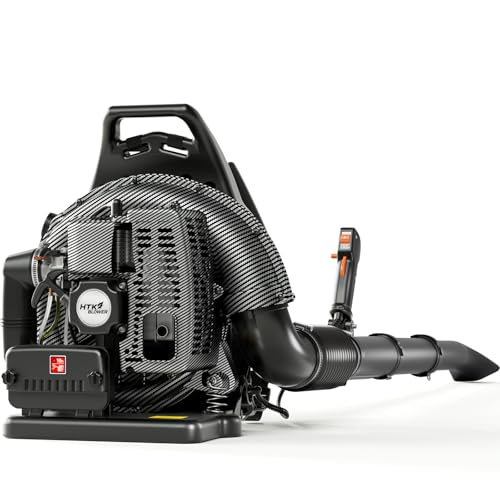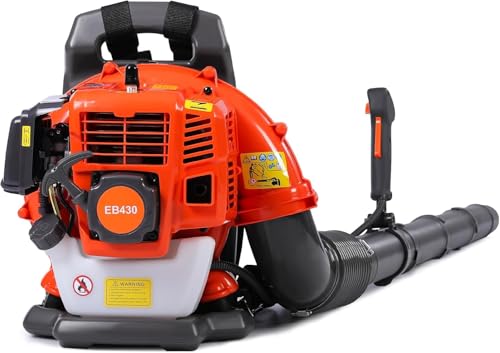
For homeowners clearing dense leaf piles within reach of an exterior electrical outlet, a corded model provides uninterrupted motor power without battery depletion, though your working area remains constrained by an extension cord. Buyers who need to clean perimeter fence lines and larger acreage will benefit from cordless battery models, trading unlimited run-time for complete yard freedom.
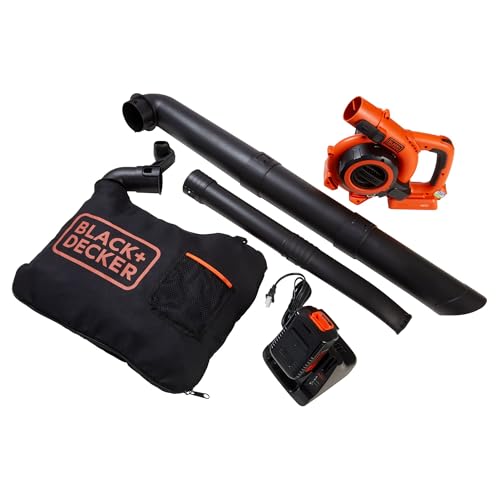
Pros
- Lightweight design at 5.4 lbs in blow mode and 6.9 lbs in vac mode
- 40V MAX battery with built-in state of charge indicator
- Mulching fan shreds up to 6 bags of leaves down to 1 bag
- Built-in scraper on the tube helps loosen stuck debris
- 6-speed Powercommand dial tailors airflow to the task
Cons
- Modest 120 mph maximum air velocity intended for hard surfaces
- Lower mulching ratio compared to larger yard units
Pros
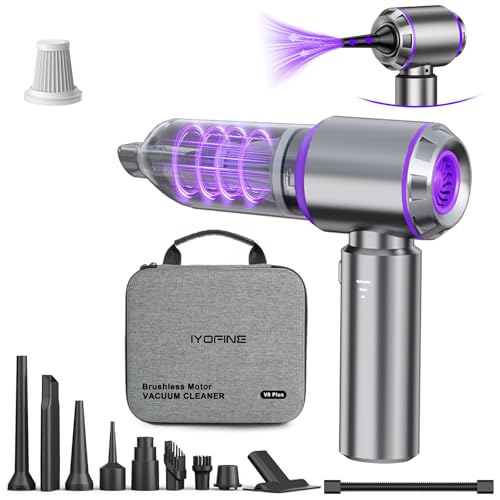
- Combines vacuuming, blowing, inflating, and bag deflation
- Brushless motor rated up to 80,000 RPM and 21,000 Pa suction
- Includes 6 attachment tips and a dedicated storage case
- 6000mAh battery recharges in approximately 2 hours via USB-C
Cons
- Compact dust reservoir needs frequent emptying during extended cleanups

Pros
- Tool-free conversion among blow, vac, and mulch modes
- Air speeds up to 230 mph with 2-speed settings
- Vortex impeller grinds up to 10 bags down to 1
- Built-in cord retainer helps prevent accidental unplugging
- Includes concentrator, blow/vacuum tubes, and bag
Cons
- Requires constant extension cord tether
- Two fixed speeds offer less fine-tuned control

Pros
- Instant switch between blow and vacuum modes
- High 18:1 mulch ratio maximizes bag capacity
- Rated up to 350 CFM and 210 MPH air output
- Variable-speed control for different debris types
- Includes 42L debris collection bag
Cons
- Corded design limits overall yard reach
- Weighs 9.3 pounds before debris accumulates

Pros
- High-output airflow rated up to 600 CFM and 160 MPH
- Includes two 4.0Ah batteries for cordless runtime
- Efficient 15:1 mulching ratio reduces disposal volume
- Tool-free easy-clean access gate for clearing clogs
- Height-adjustable wheels and anti-static handle for user comfort
Cons
- Turbo Boost and top speeds will deplete battery runtimes quickly
- Weighs 10 pounds, which may tire some users during extended sessions

Pros
- Brushless motor delivers up to 700 CFM and 180 MPH
- 3-in-1 tool-free blowing, vacuuming, and mulching
- Stated 15:1 mulch ratio with a 40L collection bag
- Adjustable support wheels help carry the tool's weight
- Includes two 4.0Ah batteries and a quick-access clean gate
Cons
- Total runtime is limited to up to 30 minutes
- Turbo blast mode is restricted to 10-second bursts

Pros
- Brushless motor delivers rated airflow up to 505 CFM
- Variable speed dial with on-demand turbo boost button
- Includes a 40V 5.0Ah lithium-ion battery and charger
- Works with over 75 tools in the Greenworks 40V platform
Cons
- Heavy overall build weighing 13.42 pounds
- Mulch collection bag details are unspecified in data

Pros
- 3-in-1 design switches tool-free between modes
- Six-blade metal impeller with rated 16:1 mulching
- Delivers up to 500 CFM and 210 MPH airflow
- Includes 6.0Ah ARC Lithium battery and 320W charger
- Weather-resistant IPX5-rated housing
Cons
- Relatively heavy package at 28 pounds
- Maximum 90-minute runtime applies only to low setting
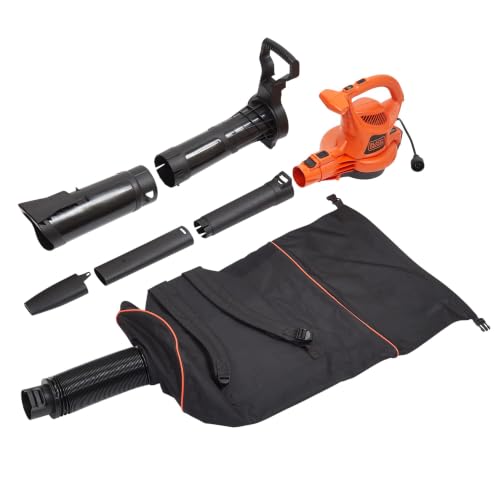
Pros
- High performance delivering up to 250 MPH and 400 CFM
- POWERBOOST button supplies extra power on demand
- Hands-free backpack collection bag doubles standard capacity
- Zipper-free bag design with wide opening for easy emptying
- Flexible tube improves maneuverability during vacuum mode
Cons
- Corded design requires an extension cord and limits total range
- Heavier build at 11.1 pounds before collecting leaves

Pros
- Powerful 12-amp motor generating up to 260 MPH and 450 CFM
- Hands-free 55-liter backpack collection bag for easy carrying
- Tool-free conversion between blower, vacuum, and mulcher
- Wide-mouth bag opening enables quick emptying
Cons
- Requires an extension cord for power, limiting yard reach
- Weighs 11.27 pounds without debris in the collection bag
Corded vs. Cordless Power: Deciding Between Continuous Run-Time and Unrestricted Range
Corded electric models supply steady, continuous power for properties with easily accessible exterior outlets, whereas cordless options eliminate tripping hazards and distance limits at the expense of finite battery life.
If you have an average suburban yard and do not mind managing a heavy-duty cord, corded tools like the WORX Trivac 3-in-1 Electric Leaf Blower/Leaf or the CRAFTSMAN 3-in-1 Leaf Blower, Vacuum and Mulcher rely on standard 12-amp motors. They run as long as you work, making them well suited for marathon weekend leaf-raking sessions where stopping to recharge would cause delays. CRAFTSMAN advertises airflow reaching up to 450 CFM and 260 MPH, providing substantial clearing capability near the home.
Conversely, cordless models provide total mobility around outbuildings, long driveways, and garden perimeters. A dedicated cordless battery leaf blower and vacuum like the MZK 40V Leaf Vacuum Mulcher provides an advertised 700 CFM and 180 MPH using two 4.0Ah battery packs, though the manufacturer states continuous runtime is limited to approximately 30 minutes. Higher-end platforms like the EGO Power+ LV5005 Leaf Vacuum and Mulcher with 500 CFM Blower feature a 56V ARC Lithium system with an included 6.0Ah battery, which the manufacturer states can run for up to 90 minutes on its lowest setting. Cordless power demands careful scheduling or extra batteries, but it spares you the hassle of untangling cords around shrubs and trees.
Mulching Ratios and Impeller Construction: How Waste Reduction Affects Cleanup Frequency
Higher mulching ratios compact shredded leaves into fewer bags to minimize trips to the compost bin, but processing twigs and dense foliage requires resilient impeller materials to avoid internal jamming.
The mulching ratio reflects how effectively the internal shredding fan reduces debris volume. For example, the WORX Trivac 3-in-1 Electric Leaf Blower/Leaf advertises an 18:1 mulching ratio, reducing 18 bags of whole leaves down to a single bag of fine mulch. The EGO Power+ LV5005 advertises a 16:1 ratio and pairs it with a six-blade metal impeller, which offers greater durability against accidental acorns and small sticks than common plastic blades. The MZK 40V Leaf Vacuum Mulcher and HEYWORK 40V Yard Blower Vacuum both advertise a 15:1 ratio, turning 15 bags into one, supported by accessible cleaning gates that allow quick debris clearing if a clog occurs.
By contrast, lighter sweepers such as the BLACK+DECKER Leaf Blower Cordless Leaf Vacuum specify a modest 6:1 mulching reduction. While adequate for tidying dry clippings and stray leaves on driveways and patios, smaller reduction ratios mean the collection bag fills much faster during heavy autumn cleanups. When dealing with thick deciduous coverage, choosing a higher mulch ratio and sturdy impeller components keeps your work moving smoothly.
Switching Modes: Lever Shifts vs. Physical Tube Conversions
Single-tube lever systems allow instant switching between blowing and vacuuming without carrying extra parts, whereas multi-tube systems require manual disassembly and storage for alternate attachments.
If you prefer sweeping debris into piles and immediately collecting it, tool-free lever conversion simplifies your workflow. The WORX Trivac 3-in-1 Electric Leaf Blower/Leaf lets you switch between blow and vac modes simply by flipping a mechanical switch, requiring zero tube swaps or detached components. This allows you to herd leaves off a porch and instantly vacuum them up without walking back to the garage for parts.
Other designs, such as the BLACK+DECKER Corded Leaf Blower Leaf Vacuum, the CRAFTSMAN 3-in-1 Leaf Blower, Vacuum and Mulcher, and the EGO Power+ LV5005, utilize dedicated separate tubes for blowing and vacuuming. While converting requires detaching the narrow blower nozzle and securing the larger vacuum tube and bag, dedicated tubes optimize airflow for each specific task. A wider vacuum tube opening reduces bottlenecks when inhaling broad leaves, making a high-powered leaf blower conversion effective for deep piles even if the physical changeover takes an extra minute.
Managing Weight and Debris Collection: Handheld Bags vs. Backpack Systems
Backpack collection bags distribute the expanding weight of mulched leaves across your torso, whereas lower handheld bags place cumulative strain on your arms and shoulders.
A full leaf collection bag can quickly add noticeable weight to a handheld tool. Models such as the CRAFTSMAN 3-in-1 Leaf Blower, Vacuum and Mulcher and the BLACK+DECKER Leaf Blower utilize wearable backpack collection bags (holding 55 liters on the Craftsman model). By resting the weight on your back and connecting the vacuum wand via a flexible tube, these designs keep the handheld nozzle agile and reduce forearm fatigue during prolonged use.
In contrast, standard handheld configurations hang the collection bag directly from the machine’s body or off a single shoulder strap, as seen on the WORX Trivac (42L bag) and the EGO Power+ LV5005 (40L bag). To offset handheld weight on cordless models, the MZK 40V Leaf Vacuum Mulcher and HEYWORK 40V Yard Blower Vacuum incorporate adjustable-height guide wheels at the base of the suction tube. These wheels allow the ground to support the machine’s mass as you sweep across flat turf and walkways, offering ergonomic relief without requiring a backpack harness.
Frequently Asked Questions About Blower Vacuum Combos
Can a blower vacuum combo pick up wet leaves and twigs without clogging?
Most models can collect damp foliage, but wet leaves significantly increase the likelihood of clogs. Units like the EGO Power+ LV5005 feature a six-blade metal impeller to handle tougher debris, while tools like the MZK 40V and HEYWORK 40V include clean-out access gates. However, consistently vacuuming wet or muddy material can bog down the motor and stick to the tube walls.
How does airspeed (MPH) differ from airflow volume (CFM) on combo tools?
Airspeed (MPH) indicates how rapidly air exits the nozzle, which determines the force available to loosen stuck, wet, or matted debris. Airflow volume (CFM) measures the overall cubic feet of air moved per minute, which dictates how wide of a debris swath the tool can blow or vacuum at once. High CFM clears broad piles faster, while high MPH dislodges stubborn waste.
What is the primary trade-off between corded and battery-powered combo tools?
Corded models deliver continuous electrical power without battery degradation or recharging pauses, but your cleaning area is strictly tethered to the reach of an extension cord. Battery-powered cordless tools provide complete range across large yards, but they add battery weight and are restricted by finite runtimes per charge.
Choosing the Right Blower Vacuum Combo for Your Yard
Selecting the ideal combination yard tool comes down to balancing your property size, access to power outlets, and tolerance for carrying collection weight. Homeowners with compact yards and routine leaf drops often benefit most from corded efficiency, avoiding battery shelf-life concerns and continuous recharging cycles. If you have extensive tree cover or perimeter fencing far from the house, cordless battery power is essential, provided you balance airflow output against battery capacity.
For property owners with modest yards who want effortless transitions between blowing and shredding, the WORX Trivac 3-in-1 Electric Leaf Blower/Leaf is our top overall recommendation thanks to its instant lever-action mode change and high 18:1 mulching ratio. Its primary limitation is the corded power requirement, which caps your operating radius to your extension cord’s reach. If you require unrestricted mobility across a larger landscape and superior motor strength, the EGO Power+ LV5005 Leaf Vacuum and Mulcher with 500 CFM Blower is the premier cordless alternative, though it comes at a substantially higher price point and requires managing battery recharge cycles.