A plug in leaf blower suits homeowners with small to medium properties who want unlimited runtime without charging batteries or mixing gasoline. The main trade-off is the physical tether of an outdoor extension cord, which limits your working radius and requires careful cord management around obstacles.

Pros
- Lightweight 4 lb build minimizes arm fatigue
- Delivers up to 390 CFM airflow and 210 MPH speed
- Continuous corded power eliminates recharging pauses
- Two-speed switch toggles between light and full force
- Nested two-piece tube design for full assembly
Cons
- Requires an extension cord and nearby wall outlet
- Tubes ship nested and must be pulled apart before use

Pros
- Lightweight design at approximately 4.5 lbs
- Motor delivers up to 155 MPH and 350 CFM
- Includes both flat and round nozzle attachments
- Simple push-button instant electric start
Cons
- Requires an extension cord for outdoor range
- Single-speed operation lacks variable control

Pros
- Lightweight design at only 4.4 pounds
- 7-Amp motor rated up to 180 MPH and 180 CFM
- Built-in cord retention prevents unplugging
- Zero emissions with instant push-button start
- Simple, low-maintenance corded design
Cons
- Extension cord is not included
- Operating range is limited by cord reach

Pros
- 9-amp axial motor produces up to 450 CFM and 140 MPH
- Built-in nozzle scraper helps loosen stuck debris
- 2-speed switch accommodates delicate and tough areas
- Compatible with VERSATRACK wall storage system
Cons
- Weighs 6.7 pounds, heavier than standard 7A blowers
- Requires an extension cord for yard operation

Pros
- Delivers up to 600 CFM and 110 MPH airflow
- Continuous corded power eliminates recharging and gas mixing
- Variable-speed control adjusts airflow to the task
- Lightweight design weighs just 6.4 pounds
Cons
- Operating range is tethered to an electrical outlet

Pros
- Weighs only 4 lbs for low user fatigue
- Generates up to 210 MPH airspeed and 390 CFM
- Dual speed modes for sweeping or heavy blowing
- Continuous corded power without battery limits
Cons
- Requires an outdoor extension cord
- Tubes are nested upon arrival and require manual assembly

Pros
- Airflow reaches up to 450 CFM and 140 MPH
- Built-in scraper helps loosen wet, stuck debris
- Two-speed switch allows quick airflow adjustment
- Cord retention hook helps prevent accidental unplugging
- Compact axial fan design weighs approximately 7 pounds
Cons
- Tethered by an electrical cord, limiting reach
- Requires a suitable outdoor extension cord (not included)

Pros
- Very lightweight frame at only 3.7 pounds
- Generates up to 260 CFM and 155 MPH
- Zero direct emissions and low operational vibration
- Backed by a 3-year limited warranty
Cons
- Requires an outdoor extension cord
- Moderate 260 CFM output is best for lighter debris

Pros
- Delivers up to 350 CFM airflow and 155 MPH speed
- Lightweight 4.6-pound body allows one-handed use
- Integrated cord holder prevents snagging
- Adjustable blowpipe fits various user heights
Cons
- Extension cord must be supplied separately
- Tethered design limits free yard roaming

Pros
- Rated airflow up to 600 CFM and 250 MPH
- Lightweight design at approximately 5.5 pounds
- Two selectable speed modes for varied yard tasks
- Continuous corded power without battery downtime
Cons
- Requires an extension cord and nearby power outlet
- Lacks vacuum or mulching capability
CFM vs. Airspeed: Which Spec Matters More for Clearing Debris?
Cubic feet per minute (CFM) measures the overall volume of air moving through the tube, whereas miles per hour (MPH) measures the velocity of that air. Volume moves broad piles of dry leaves across open ground, while high velocity dislodges wet, matted debris stuck to driveway surfaces.
The WORX 12 Amp Turbine Electric Leaf Blower for Daily emphasizes volume, offering a manufacturer-advertised 600 CFM alongside a moderate 110 MPH airspeed. In contrast, the BLACK+DECKER Electric Leaf Blower generates an advertised 180 MPH velocity but tops out at 180 CFM. A blower with lower CFM requires more passes over a lawn because the narrow air column pushes fewer leaves at once, even though its higher MPH works well for blasting dust and clippings off paved walks.
Motor Amperage and What Higher Amps Deliver in Yard Work
Motor amperage indicates the electrical current the motor draws under load, directly influencing how much power the unit can sustain when pushing heavy yard debris. Higher amperage allows manufacturers to drive larger fan impellers without stalling.
Standard light-duty models, such as the SENIX 6 AMP Corded Electric Leaf Blower (260 CFM) or the MAXLANDER 7-Amp Electric Leaf Blower (350 CFM), draw lower current and handle everyday porch sweeping and dry leaf management easily. When stepping up to heavy-duty cleanup, units like the Grasstigon 13A Electric Leaf Blower Corded utilize a 13-amp motor to claim up to 600 CFM and 250 MPH. The trade-off with high-amp motors is electrical demand: a 12-amp or 13-amp motor requires a heavier 14-gauge or 12-gauge extension cord over long distances to prevent voltage drop and overheating.
Weight and Ergonomics: Maneuvering Handheld Blowers Comfortably
Lighter corded blowers significantly reduce wrist and shoulder fatigue during extended yard sessions, though they often trade off heavy-duty air moving capacity. Operating a blower with one hand becomes tiring if the unit tips forward or exceeds five to six pounds.
The Grasstigon Electric Leaf Blower Corded, 7-Amp and the MAXLANDER 7-Amp model both weigh just 4 pounds, making them very easy to sweep across steps, patios, and decks. Heavier units like the WORX WG520 weigh 6.4 pounds, while the Grasstigon 13A weighs 5.9 pounds. While the added two pounds provide substantial airflow gains, users with joint sensitivity or large driveways may find extended single-handed clearing more strenuous.
Nozzle Attachments and Speed Controls for Delicate Landscaping
Multi-speed triggers and specialized nozzle shapes let you modulate airflow so you do not blow mulch out of garden beds or damage tender plants. Single-speed blowers run at full throttle, which limits their usefulness in delicate spaces.
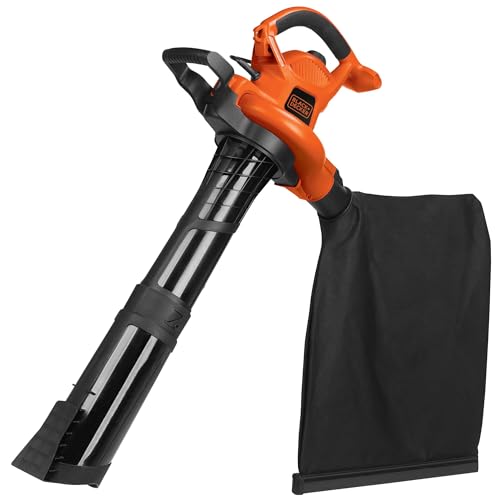
The CRAFTSMAN Corded Leaf Blower features a 2-speed switch and an integrated nozzle scraper to unstick wet leaves from walkways. Similarly, the MAXLANDER 7-Amp blower includes both a flat nozzle for targeted sweeping and a round nozzle for wider piles. By comparison, entry-level options like the BLACK+DECKER LB700 provide a single operating speed, meaning you cannot dial back the force when working near delicate decorative gravel or borders.
Frequently Asked Questions About Plug In Leaf Blowers
Do corded electric leaf blowers come with an extension cord?
No, verified models like the BLACK+DECKER LB700 and Jenixy 7-Amp do not include an extension cord. You will need to purchase an outdoor-rated extension cord rated for the specific amperage of your blower.
Can a plug-in leaf blower move wet leaves and light snow?
High-capacity blowers with advertised ratings near 600 CFM, such as the Grasstigon 13A or WORX WG520, have the force to dislodge damp leaves and light powder snow. Compact 6-amp to 7-amp blowers are better suited for dry leaves, dust, and grass clippings.
How to Choose the Right Plug In Leaf Blower for Your Property
Choosing the best corded leaf blower comes down to balancing your property’s surface types against the physical weight you are comfortable carrying. When evaluating your yard needs, resources such as where to buy a leaf blower can help orient your tool shopping, but your power requirements should dictate the exact tool you pick.
For broad lawn coverage and clearing thick fall accumulation, the WORX 12 Amp Turbine Electric Leaf Blower for Daily is our primary recommendation for homeowners who need maximum sweeping volume, despite its heavier 6.4-pound frame and single-outlet tether. If your chores are limited to clearing light clippings off a porch, patio, or tight driveway, the 4-pound Grasstigon Electric Leaf Blower Corded, 7-Amp serves as a nimble, lighter alternative that minimizes arm fatigue.