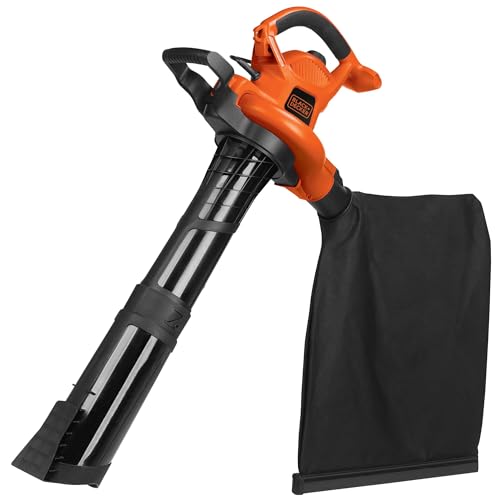
For large properties with dense, wet leaf layers, a heavy-duty backpack model like the Husqvarna 150BT delivers commercial-grade blowing force but requires wearing a substantial 51cc machine. Homeowners tackling basic driveway sweeping who prefer to avoid mixing gas and oil may favor a handheld 4-cycle option like the SENIX 4QL, trading maximum air velocity for straightforward fueling.

Pros
- Lightweight 9.4-pound design offers easy handheld maneuvering
- Reduced-resistance recoil system eases engine pull starts
- Translucent fuel tank allows quick monitoring of gas levels
- Cushioned anti-vibration handle helps dampen arm strain
- Capable of up to 380 CFM and 180 MPH airflow
Cons
- Requires mixing 2-cycle gas and oil at a 50:1 ratio
- Modest 380 CFM output is best suited for lighter debris
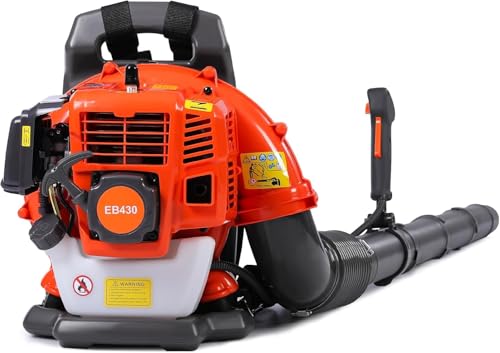
Pros
- Delivers up to 550 CFM and 230 MPH for moving wet yard debris
- Lightweight 17-pound backpack design with cushioned straps
- Thumb throttle includes cruise control for steady blowing
- 33.8 fl oz fuel tank yields up to 45 minutes of run time
- Operating temperature range spans 14°F to 104°F
Cons
- Requires 2-cycle fuel mixing and engine maintenance
- 550 CFM is modest for a backpack-class gas blower
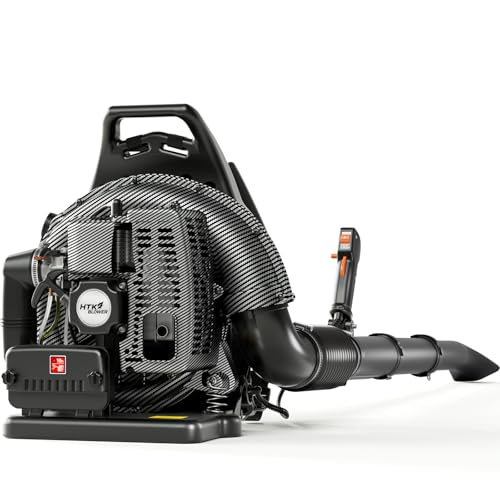
Pros
- 63CC 2-stroke engine provides up to 665 CFM and 205 MPH
- Fully padded ergonomic backpack harness
- Variable-speed throttle with built-in cruise control
- Generous 1.7 L fuel tank for extended yard sessions
Cons
- Requires 2-stroke fuel mixing and gas engine maintenance

Pros
- High-volume airflow rated up to 680 CFM
- Includes two 21V batteries and a charger
- 5-speed variable control for delicate or heavy debris
- Lightweight build at just 3.6 pounds
- Ergonomic handle with anti-slip grip
Cons
- Battery life drops faster at maximum speed
- Requires swapping and charging batteries

Pros
- 4-cycle engine eliminates fuel and oil mixing
- Delivers up to 410 CFM and 125 MPH clearing power
- Automatic compression release for easier pull starts
- Lubricates in all directions without stalling or leaks
Cons
- Not available for purchase or delivery in California
- Requires routine gas engine maintenance and oil checks

Pros
- 63cc 2-cycle engine produces 665 CFM and 205 MPH
- 1.7-liter fuel tank enables extended sessions between refills
- Cruise control locks in throttle to reduce hand strain
- Padded harness and vibration reduction improve carry comfort
- Tool-free access simplifies two-stage air filter maintenance
Cons
- Substantial 21-pound dry weight requires physical stamina
- Requires ongoing 2-stroke oil and gasoline mixing

Pros
- 2.7kW 63cc two-stroke engine delivers up to 6,800 RPM
- Multi-directional air outlet adjusts vertically and horizontally
- 0.47-gallon fuel tank enables long runs between top-offs
- Constant speed switch holds chosen throttle effortlessly
- Backpack harness features heat-insulating back padding
Cons
- Substantial 22-pound dry weight adds strain on long sessions
- Requires manual two-stroke oil and gasoline mixing
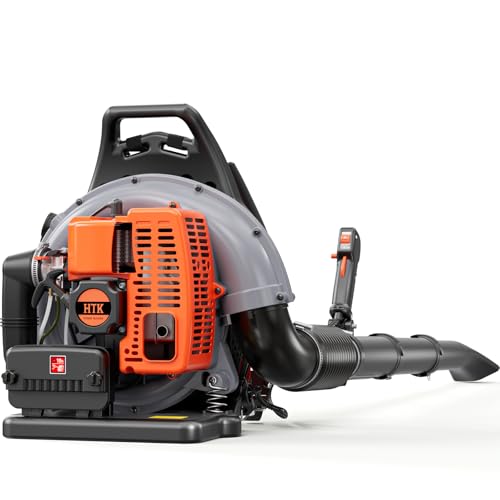
Pros
- 63cc 2-stroke engine delivers 665 CFM and 205 MPH airspeed
- Padded ergonomic backpack harness balances weight across shoulders
- Cruise control locks throttle to relieve trigger finger strain
- Generous 1.7L fuel tank supports extended property maintenance
- Manufacturer-rated sound level of 71 dB for quieter operation
Cons
- Requires ongoing two-cycle oil-to-gasoline fuel mixing
- Bulkier footprint demands sufficient garage or shed storage

Pros
- 51cc 2-cycle engine produces up to 765 CFM and 270 MPH
- Padded harness and hip belt provide balanced load distribution
- Air purge system removes fuel line air for easier starting
- Variable speed throttle includes cruise control functionality
- Proven X-Torq engine technology maintains high clearing force
Cons
- Heavier 22-pound build can cause fatigue on extended jobs
- Requires routine 2-cycle gas and oil fuel maintenance

Pros
- 28-cc engine delivers up to 470 CFM and 170 MPH
- Cruise control function enables comfortable sustained operation
- Air purge system removes air from carburetor for easier starting
- Auto-return stop switch automatically resets to the on position
- Adjustable soft-grip handle engineered to reduce strain
Cons
- Requires 2-cycle fuel and oil mixing
- Produces engine exhaust emissions and engine noise
Backpack vs. Handheld Blowers: Balancing Clearing Force Against Tool Weight
Backpack blowers shift heavy engine weight onto an operator’s shoulders and hips, allowing larger displacement motors that clear wide areas faster, whereas handheld blowers offer quick maneuverability for lighter suburban chores at the expense of continuous arm strain.
The choice between formats largely dictates how long you can comfortably work. Handheld models like the Husqvarna 125B (28cc) and the Getell 26cc Gas Leaf Blower keep the entire tool in one hand. This setup allows fast deployment when blowing off a patio or sidewalk, but carrying 10 or more pounds exclusively with your forearm causes fatigue during prolonged jobs. In contrast, backpack units such as the Thalorus 52cc Gas Backpack Leaf Blower (17 lb) and the Getell 63CC Gas Backpack Leaf Blower (21 lb) utilize padded harness straps to distribute engine mass across the torso. This backpack configuration accommodates engines over 50cc, yielding higher clearing output for expansive lawns, though maneuvering around tight porch steps or storage sheds feels noticeably more cumbersome.
2-Cycle vs. 4-Cycle Engines: Fuel Mixing and Maintenance Differences
Standard 2-cycle blowers require mixing exact proportions of gasoline and 2-stroke oil to ensure engine lubrication, while 4-cycle engines take straight pump gasoline but require checking a dedicated oil reservoir.
Most commercial and residential gas leaf blowers rely on 2-cycle engines to maximize power-to-weight ratios. The Getell 26cc handheld and the HTK Gas Backpack Leaf Blower both mandate a 50:1 gas-to-oil mixture. Skipping or miscalculating this mixture risks catastrophic engine seizure, and storing mixed fuel over winter can clog carburetors. Conversely, the SENIX 4QL 26.5cc Handheld Gas Leaf Blower features a 4-cycle full-crank engine that uses separate oil and straight gasoline, eliminating measuring cans entirely. However, the 4-cycle SENIX produces an advertised top airspeed of 125 MPH—substantially lower than the 180 to 205 MPH velocities reported on 2-cycle alternatives—and the manufacturer notes it cannot be sold in California due to regional emissions rules.
Airflow Volume vs. Velocity: Deciphering CFM and MPH Ratings
Cubic feet per minute (CFM) measures the total volume of air moving through the blower tube to sweep broad piles, while miles per hour (MPH) measures the velocity needed to scour heavy, wet debris stuck to turf.
Evaluating raw specifications reveals distinct performance envelopes across models:
- Husqvarna 150BT: Advertised at 765 CFM and 270 MPH with 22 N of blowing force, designed to dislodge wet, matting foliage.
- HASANEN Backpack Gas Powered Leaf Blower: Advertised at 850 CFM and a 6800 RPM engine speed from its 63cc engine, prioritizing wide-volume air movement.
- Thalorus 52cc Backpack: Lists 550 CFM and 230 MPH, favoring high-velocity air scouring over sheer volume.
- Husqvarna 125B Handheld: Generates 470 CFM and 170 MPH (12.5 N force), suited for routine dry debris and clipping removal.
Keep in mind that these figures represent manufacturer-advertised maximums rather than third-party benchmark test results. A unit with high MPH but modest CFM, like the Thalorus, is effective at lifting embedded dirt from asphalt crevices, while higher CFM units move larger piles across wide grass surfaces in fewer passes.
Operator Ergonomics: Managing Weight, Vibration, and Sound Levels
Operating comfort during extensive yard cleanup depends on vibration isolation, cruise-control throttle locks, and manageable decibel profiles rather than engine power alone.
Continuous vibration from single-cylinder gas engines can cause hand numbness within minutes. To address this, the HTK Gas Backpack Leaf Blower integrates low-vibration dampers into its harness frame and advertises a sound level of 71 dB, paired with an air-purge primer and cruise-control lever to relieve trigger finger pressure. Similarly, the Husqvarna 150BT includes an ergonomic harness with a hip belt and load-leveling frame to stabilize its 51cc engine. Fuel tank capacity directly impacts continuous run duration; the HTK and Getell 63cc backpacks feature 1.7 L fuel tanks for extensive coverage, while the Thalorus provides a 33.8 fl oz tank rated by the manufacturer for up to 45 minutes of operation. Balancing run time against added fuel weight is essential, as a full 1.7-liter fuel load adds roughly 3 pounds to your back.
Frequently Asked Questions About Gas Powered Yard Blowers
What fuel mixture is required for 2-cycle gas yard blowers?
Most 2-cycle gas blowers, including models from Husqvarna and Getell, require a 50:1 ratio of fresh unleaded gasoline to 2-cycle engine oil. Using straight gas without oil will destroy a 2-stroke engine. In contrast, 4-cycle blowers like the SENIX 4QL use unmixed gasoline and maintain motor oil in a separate reservoir.
How loud are gas powered leaf blowers during yard operation?
Gas leaf blowers generate considerable engine and air-rush sound. While certain models like the HTK 63cc state a low-noise profile of 71 dB, actual volume can vary depending on throttle position and operator distance. Standard safety guidelines always recommend wearing hearing protection when operating any gas blower.
Can gas powered yard blowers move snow and wet leaves?
Yes, several manufacturers, including Thalorus and HASANEN, cite wet yard debris and light powder snow clearing in their specifications. Clearing wet debris requires high air velocity (MPH) and forceful airflow, which increases fuel consumption compared to blowing dry autumn leaves.
Choosing the Right Gas Powered Yard Blower for Your Property
Matching a gas yard blower to your property requires weighing your yard’s acreage, foliage density, and physical comfort tolerances against long-term maintenance tasks like fuel preparation. If you are exploring regional retail options, reviewing where to buy a leaf blower can help pinpoint local equipment stock and warranty fulfillment paths.
For rural or heavily wooded properties requiring robust clearing performance, the Husqvarna 150BT Gas Backpack Leaf Blower is the top recommendation due to its advertised 765 CFM volume, 270 MPH velocity, and integrated load-reducing harness. Its primary trade-off is a premium price tag of nearly $400 and the ongoing need for 50:1 two-cycle fuel blending. Buyers with standard suburban driveways who want to bypass oil mixing entirely should consider the SENIX 4QL 26.5cc Handheld Gas Leaf Blower as a cost-conscious alternative, accepting lower overall airspeed and regional shipping limitations in exchange for simple 4-cycle operation.