For electronics cleaning and desk maintenance, a compact electric air blower machine provides reusable, high-velocity airflow to dislodge debris without canned air, though running at maximum motor output drains battery charge quickly.
Pros
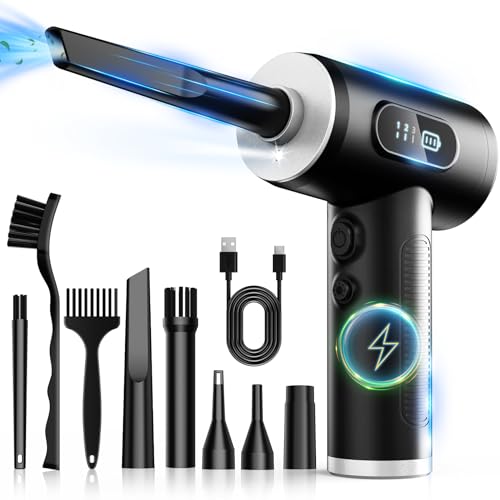
- Reusable design replaces disposable compressed air cans
- Three adjustable speed modes with up to 100,000 RPM motor
- Smart LED screen displays active speed and battery status
- Includes 5 interchangeable nozzles and 3 detailing brushes
- Built-in LED light helps illuminate dark crevices
Cons
- Not built for heavy-duty outdoor debris clearing
- Dimensions and runtime details are limited in manufacturer listing

Pros
- High-speed motor reaches up to 130,000 RPM
- Includes 5 interchangeable cleaning nozzles
- Built-in LED light for illuminating dark crevices
- Up to 240 minutes runtime on the lowest setting
Cons
- Maximum speed runtime is limited to 25 minutes
- Audible operation reaches up to 82.5 dB
- Requires a 10-minute cooldown period before charging

Pros
- Generates up to 150,000 RPM and 45 m/s wind speed
- Ultra-lightweight design at approximately 0.66 lbs
- Recharges in 2.5 hours via standard Type-C port
- Includes 5 nozzles, 2 brushes, and a lanyard
- Reusable design rated for over 500 charging cycles
Cons
- Longest battery life is restricted to the lowest speed

Pros
- Motor reaches up to 150,000 RPM with wind speeds up to 45 m/s
- Features 6 adjustable speed levels for customized cleaning
- Includes 6 nozzles, 2 brushes, and a storage bag
- Digital screen displays real-time battery percentage and speed
- Versatile for electronics dusting and small inflatables
Cons
- Wall charging adapter is not included with the USB-C cord
- Runtime is limited to 20 to 40 minutes per charge
- Recharge time takes between 2.5 and 4 hours

Pros
- 130,000 RPM brushless motor delivers focused high-velocity air
- Includes 4 specialized nozzles, a brush, and a storage bag
- Three speed settings adapt to delicate electronics or heavy dirt
- Ultra-lightweight design weighs only 0.47 pounds
- Provides up to 3.5 hours of runtime on low speed
Cons
- Turbo speed drains the battery in approximately 19 minutes
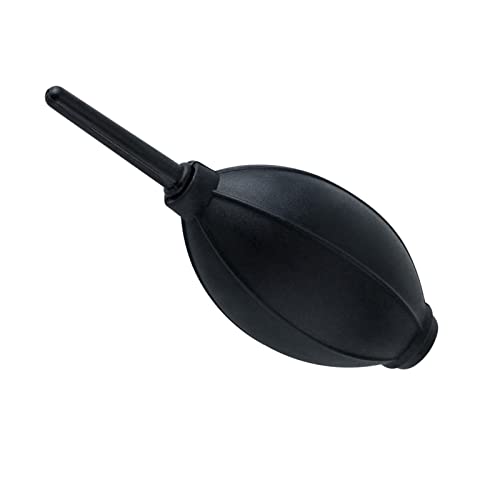
Pros
- Soft, comfortable silicone bulb with anti-scratch tip
- Includes a dedicated microfiber cleaning cloth
- Long narrow nozzle targets recessed crevices
- Extremely lightweight at just 0.09 pounds
- Safe for delicate camera sensors and lenses
Cons
- Manual pump provides only brief bursts of air
- Not suited for broad outdoor debris clearing

Pros
- Brushless motor reaches up to 280,000 RPM
- Smart LCD screen shows battery level and speed mode
- Includes 4 precision nozzles and 2 cleaning brushes
- Built-in LED light illuminates dark hardware areas
- Provides 90 to 150 minutes of runtime per charge
Cons
- Recharging takes between 2.5 and 3 hours
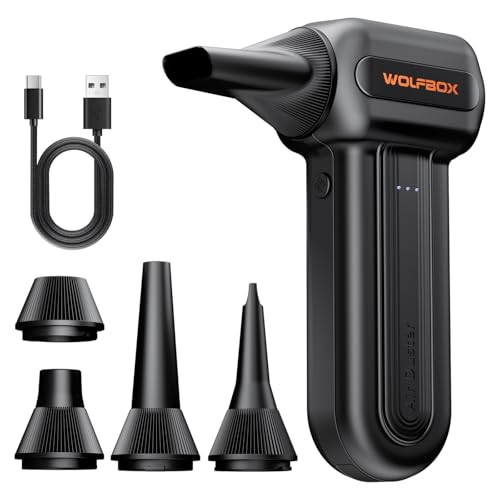
Pros
- Reaches up to 110,000 RPM on high gear
- Weighs just 0.5 lbs for portable everyday carry
- Includes 5 specialized nozzles for versatile tasks
- Dual 2500mAh batteries run up to 240 mins on low
Cons
- Requires up to 3.5 hours for a full charge
- Top speed runtime is considerably shorter than low gear
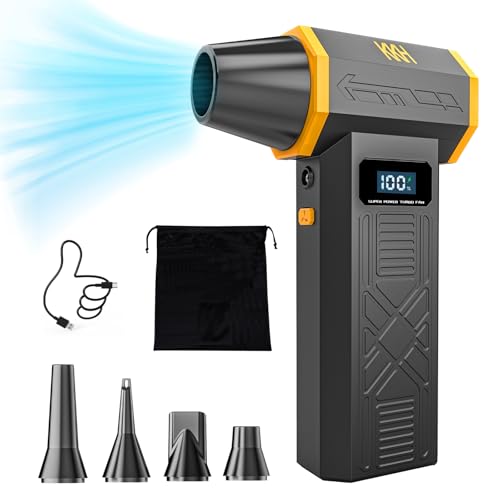
Pros
- Compact, pocket-sized build weighing around 0.5 pounds
- Four speed settings reaching up to a claimed 120,000 RPM
- Digital LED display shows battery level and current speed gear
- Comes with 5 nozzles and an integrated LED work light
Cons
- Small airflow footprint is not suited for broad outdoor clearing

Pros
- Reaches up to 110,000 RPM for efficient dust removal
- Ultra-compact, lightweight body weighs just 0.45 lbs
- Includes four specialized nozzles and a lanyard
- Recharges in roughly 3.5 hours via USB Type-C
- Sustainable alternative to disposable canned air
Cons
- Max speed runtime is significantly shorter than low gear
- Recharge time takes roughly 3.5 hours
Motor Velocity and RPM Claims Across Mini Blowers
Advertised motor speeds on handheld air blowers range from 100,000 RPM up to 280,000 RPM, but manufacturer RPM figures reflect rotational motor speed rather than independently measured air pressure. A higher rotational number indicates how fast the internal turbine spins, yet effective cleaning relies heavily on nozzle design and air channeling.
For example, the MiaEpic Compressed Air Duster-280000 RPM Electric advertises a 280,000 RPM brushless motor with 4 speed settings, representing the highest claimed rotational speed among the compared units. In contrast, the WOLFBOX MF100 Compressed Air Duster pairs an advertised 150,000 RPM motor with a stated maximum wind speed of 45 m/s. The budget-tier Compressed Air Duster Electric 150000RPM also advertises 150,000 RPM and 45 m/s airflow across 6 adjustable speed settings.
The primary trade-off with high motor speeds is operating noise and thermal buildup. The Compressed Air Duster,130000RPM Super Power specifies normal operational noise levels ranging from 73.2 dB on gear one to 82.5 dB on gear three. Compact high-speed turbines produce an audible, high-pitched whine that can be disruptive in quiet office environments, and their motors generate heat that requires cool-down intervals between heavy sessions.
Battery Life Versus Cleaning Output in Cordless Blowers
Cordless electric blowers offer extended runtime on low settings for routine dusting, but demanding high-power modes deplete compact lithium batteries in under 30 minutes. Runtime specifications provided by manufacturers almost always highlight lowest-gear longevity rather than real-world deep cleaning bursts.
The HolyPoint Compressed Air Duster illustrates this operational gap: it advertises up to 3.5 hours (210 minutes) of runtime on its gentle 25,000 RPM low mode, but drops to 45 minutes on medium (60,000 RPM) and just 19 minutes on maximum turbo (130,000 RPM). Similarly, the WOLFBOX MF60 Compressed Air Duster and WOLFBOX MegaFlow 50 Compressed Air Duster claim up to 240 minutes on low from their dual-cell battery configurations, but require roughly 3.5 hours to fully recharge via USB-C.
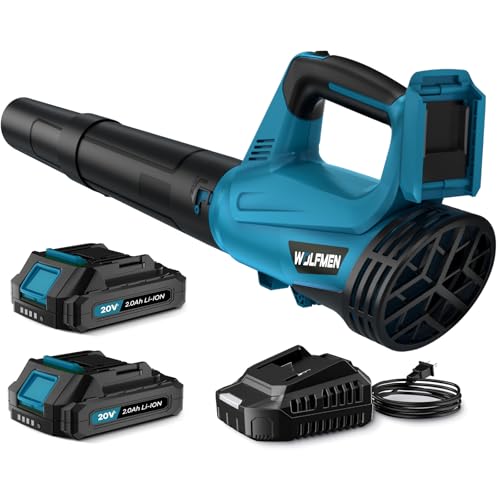
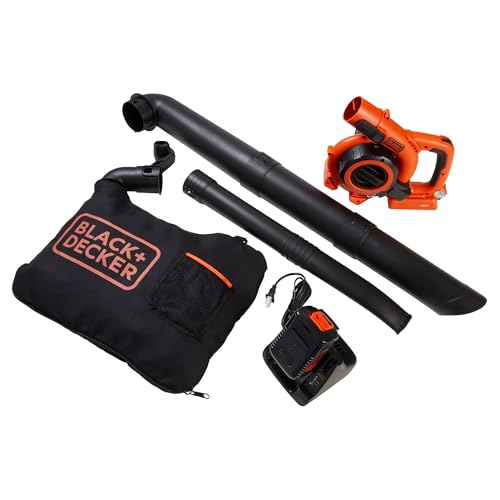
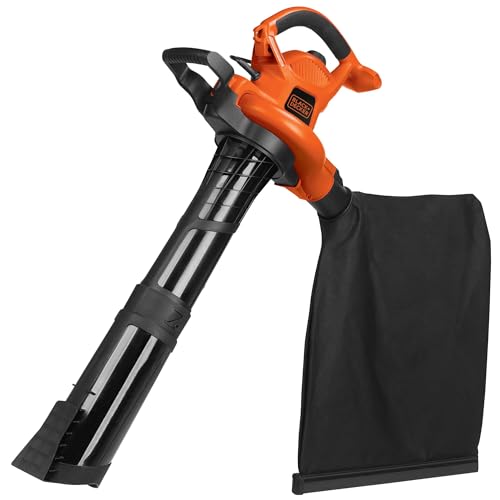
Buyers who only need short 30-second bursts to blow crumbs from a mechanical keyboard can go weeks between charges. However, if you are detailing entire vehicle interiors or blowing out multiple desktop towers, the battery will drain rapidly on high speed. If your tasks require continuous, high-volume outdoor clearing rather than localized electronics dusting, a dedicated small blower cordless tool from the broader leaf blowers category provides the sustained air movement needed for larger spaces.
Electric Air Dusters Versus Manual Bulb Blowers
Electric air blowers supply sustained mechanical airflow for heavy debris, whereas manual bulb pumps offer zero-risk, unpowered precision specifically designed for scratch-sensitive optical equipment. Choosing between them comes down to whether your workload involves deep hardware maintenance or delicate surface cleaning.
The Soft Tip Silicone Super Air Blower Blaster Pump operates entirely by hand pressure. Because it uses no motor, it produces zero operational noise, carries no lithium battery degradation risks, and features a soft silicone tip designed to prevent scratching camera lenses, optical filters, and digital camera sensors. However, a manual squeeze bulb cannot generate the continuous, sustained velocity required to blow caked dust out of computer heatsinks or vehicle ventilation grilles.
Conversely, motorized units like the FRESMOL Compressed Air Duster (100,000 RPM) and KKH Portable Electric Air Duster with Led Light (120,000 RPM) deliver continuous streams that dislodge compacted grime in seconds. The trade-off is mechanical intensity: electric blowers can produce static or blow small loose components if used carelessly around sensitive sensor glass, making them ideal for chassis maintenance rather than exposed optical elements.
Nozzle Attachments and Detail Accessories for Tight Spaces
An air blower machine relies heavily on its nozzle configuration to focus air velocity into tight crevices or expand it for surface dusting. Without the appropriate nozzle, high motor RPM dissipates into broad, unfocused airflow that struggles to lift stubborn debris.
Attachment variety differs noticeably among models:
- Precision Bristle Kits: The FRESMOL Compressed Air Duster includes 5 specialized nozzles and 3 separate detail brushes, allowing users to physically dislodge sticky residue from fan blades while blowing away loose particles.
- High-Count Accessory Sets: The Compressed Air Duster Electric 150000RPM provides 6 interchangeable nozzles, 2 brushes, and an integrated digital display that tracks exact battery percentage alongside speed levels.
- Inflatable Adapters: Units like the WOLFBOX MF100 Compressed Air Duster and WOLFBOX MF60 Compressed Air Duster supply tapered nozzles designed to inflate air mattresses and swim rings, expanding their utility into camping gear.
The practical trade-off is component management. Multiple loose plastic attachments clutter workspaces unless stored properly. Kits such as the HolyPoint Compressed Air Duster and Compressed Air Duster Electric 150000RPM include custom storage bags, whereas models lacking dedicated cases leave small nozzles prone to being misplaced.
Frequently Asked Questions About Air Blower Machines
Can an electric air blower machine damage delicate computer components?
High-velocity airflow can cause unpowered cooling fans to over-spin beyond their bearing limits or dislodge fragile surface-mount components if held too close. To prevent damage, hold fan blades steady with a finger while cleaning, start on the lowest speed mode (such as 25,000 RPM), and maintain a distance of several inches from bare circuit boards.
Why do electric air dusters require a cooling pause before recharging?
Miniature high-RPM electric motors and dual lithium-ion battery cells generate significant internal heat during operation. Manufacturers like CAGIWIRU specifically advise waiting roughly ten minutes after use before plugging in a USB-C charging cable, allowing the battery pack temperature to drop so thermal protection circuits do not block the charge.
Are advertised RPM numbers verified by standard industry tests?
No. The rotational figures stated by manufacturers—ranging from 100,000 to 280,000 RPM—represent internal motor rotation under zero load rather than standardized cubic-feet-per-minute (CFM) air volume or measured static pressure. Nozzle shape, air channel design, and battery voltage under load all influence actual cleaning power.
Choosing the Right Air Blower Machine for Your Workspace
Selecting the right air blower machine requires matching airflow characteristics and form factor to your primary cleaning environment. Desk workers tackling occasional keyboard crumbs need simple speed controls, while field technicians and car detailers require clear battery indicators and durable carrying cases to avoid unexpected mid-job shutdowns.
Models featuring integrated digital displays, such as the FRESMOL Compressed Air Duster, eliminate power uncertainty by showing real-time battery percentage rather than vague indicator LEDs. For mobile outdoor use, ultra-compact blowers like the 0.45-pound WOLFBOX MegaFlow 50 Compressed Air Duster and the 0.47-pound HolyPoint Compressed Air Duster provide pocket-sized portability at the expense of smaller battery capacities on turbo mode.
For general electronics, workspace maintenance, and car detailing, the FRESMOL Compressed Air Duster offers a balanced choice for desktop PC owners thanks to its 100,000 RPM motor, 3 adjustable speeds, smart LED display, and comprehensive 8-piece attachment set. Its main limitation is a lower peak rotational rating compared to 150,000 RPM alternatives. Buyers requiring maximum claimed airflow for outdoor equipment or stubborn debris should consider the WOLFBOX MF100 Compressed Air Duster, while photographers needing zero-risk, unpowered cleaning for delicate camera sensors will find the Soft Tip Silicone Super Air Blower Blaster Pump a safer, battery-free alternative.