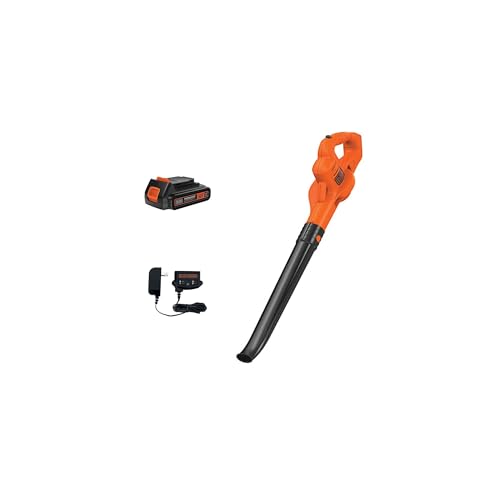
For clearing lawns and tight landscaping beds, a corded 3-in-1 leaf blower vacuum delivers reliable, uninterrupted mulching power at an accessible price, though it limits your reach to the length of an extension cord. Cordless and gas models provide complete property mobility, but they force you to manage battery runtime limits or fuel mixing and engine maintenance.
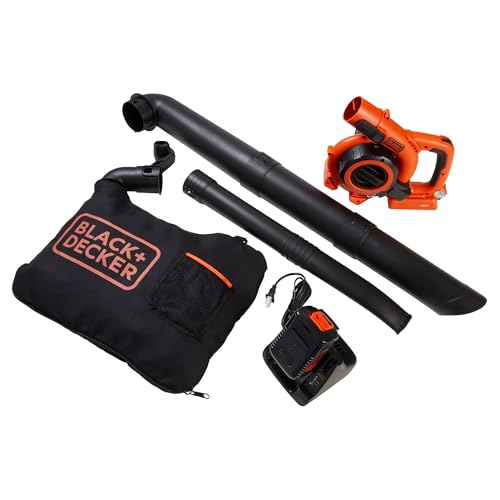
Pros
- Lightweight design at 5.4 lbs in blow mode and 6.9 lbs in vac mode
- 40V MAX battery with built-in state of charge indicator
- Mulching fan shreds up to 6 bags of leaves down to 1 bag
- Built-in scraper on the tube helps loosen stuck debris
- 6-speed Powercommand dial tailors airflow to the task
Cons
- Modest 120 mph maximum air velocity intended for hard surfaces
- Lower mulching ratio compared to larger yard units

Pros
- Tool-free conversion among blow, vac, and mulch modes
- Air speeds up to 230 mph with 2-speed settings
- Vortex impeller grinds up to 10 bags down to 1
- Built-in cord retainer helps prevent accidental unplugging
- Includes concentrator, blow/vacuum tubes, and bag
Cons
- Requires constant extension cord tether
- Two fixed speeds offer less fine-tuned control

Pros
- Lightweight design at only 4.4 pounds
- 7-Amp motor rated up to 180 MPH and 180 CFM
- Built-in cord retention prevents unplugging
- Zero emissions with instant push-button start
- Simple, low-maintenance corded design
Cons
- Extension cord is not included
- Operating range is limited by cord reach

Pros
- Tool-free switching among 3 modes
- Delivers up to 167 MPH and 460 CFM
- Power boost button for stubborn debris
- 15:1 mulching ratio with 40L bag
- Continuous corded electric power
Cons
- Requires an outdoor extension cord
- Tethered cord limits reach in large yards

Pros
- 28-cc 2-cycle engine rated at 470 CFM and 170 MPH
- Includes vac kit with mulching knives and bag
- Cruise control feature simplifies extended use
- Auto-return stop switch automatically resets to on
Cons
- Weighs 9.6 pounds before fuel and collected debris
- Requires 2-cycle gas and oil fuel mixing

Pros
- Brushless motor delivers rated airflow up to 650 CFM and 180 MPH
- Includes two 20V 4.0Ah batteries and a fast charger
- Six adjustable speed settings ranging from 80 to 180 MPH
- Comes with an ergonomic shoulder strap and two detachable nozzles
- Includes a storage bag to keep components organized
Cons
- Stated 30-minute runtime is restricted to low-speed operation
- High-speed settings will deplete battery charge more rapidly

Pros
- Instant switch between blow and vacuum modes
- High 18:1 mulch ratio maximizes bag capacity
- Rated up to 350 CFM and 210 MPH air output
- Variable-speed control for different debris types
- Includes 42L debris collection bag
Cons
- Corded design limits overall yard reach
- Weighs 9.3 pounds before debris accumulates

Pros
- High-output airflow rated up to 600 CFM and 160 MPH
- Includes two 4.0Ah batteries for cordless runtime
- Efficient 15:1 mulching ratio reduces disposal volume
- Tool-free easy-clean access gate for clearing clogs
- Height-adjustable wheels and anti-static handle for user comfort
Cons
- Turbo Boost and top speeds will deplete battery runtimes quickly
- Weighs 10 pounds, which may tire some users during extended sessions

Pros
- Brushless motor delivers up to 700 CFM and 180 MPH
- 3-in-1 tool-free blowing, vacuuming, and mulching
- Stated 15:1 mulch ratio with a 40L collection bag
- Adjustable support wheels help carry the tool's weight
- Includes two 4.0Ah batteries and a quick-access clean gate
Cons
- Total runtime is limited to up to 30 minutes
- Turbo blast mode is restricted to 10-second bursts

Pros
- 3-in-1 design switches tool-free between modes
- Six-blade metal impeller with rated 16:1 mulching
- Delivers up to 500 CFM and 210 MPH airflow
- Includes 6.0Ah ARC Lithium battery and 320W charger
- Weather-resistant IPX5-rated housing
Cons
- Relatively heavy package at 28 pounds
- Maximum 90-minute runtime applies only to low setting
Corded Vs. Cordless Power Trade-Offs
Corded electric leaf blower vacuums provide continuous power without the worry of battery drain, while cordless battery options offer total mobility at the cost of limited working time. When clearing expansive yards, a corded tool requires heavy-duty extension cords and careful routing around trees, fences, and outdoor furniture. However, corded models like the WORX Trivac 3-in-1 Electric Leaf Blower/Leaf (12 Amp) and the BLACK+DECKER Corded Leaf Blower Leaf Vacuum (12 Amp) maintain consistent suction through large leaf piles without power drops.
In contrast, cordless models such as the MZK 40V Leaf Vacuum Mulcher and the HEYWORK 40V Yard Blower Vacuum rely on rechargeable lithium-ion battery packs. The MZK unit advertises up to 30 minutes of runtime with its two included 4.0Ah batteries, which is sufficient for small to medium suburban lawns but may require recharging pauses during heavy autumn leaf drops. When determining your cleanup approach, consider whether continuous power or cable-free freedom matters more, and consult guides on where to buy a leaf blower to evaluate available power platforms.
Mulch Ratios And Impeller Design Differences
A higher advertised mulching ratio significantly reduces the volume of yard waste, but the durability of the internal shredding components determines how well the tool handles stray twigs and dense debris. Standard consumer units frequently feature composite or hardened plastic impellers, whereas heavy-duty models utilize metal components to shred leaves cleanly and resist premature wear.
For example, the EGO Power+ LV5005 Leaf Vacuum and Mulcher with 500 CFM blower features an advertised 16:1 mulching ratio powered by a six-blade metal impeller. This design is engineered to grind leaves down finely while offering greater resistance against unexpected garden debris. On the corded side, the WORX Trivac advertises an 18:1 reduction ratio, turning 18 bags of whole leaves into a single bag of fine mulch. Entry-level cordless options, like the BLACK+DECKER Leaf Blower Cordless Leaf Vacuum, advertise a more modest 6:1 reduction ratio. If composting or minimizing bag disposal trips is your primary objective, verifying the advertised reduction ratio and impeller construction is a crucial step.
Gas Clearing Force Versus Electric Maintenance
Gasoline-powered leaf blower vacuums offer robust clearing force and unlimited operational range away from outlets, but they demand ongoing engine maintenance, fuel mixing, and generate elevated noise. Electric options eliminate spark plug checks, air filter replacements, and exhaust fumes, starting instantly with a trigger pull.
The Husqvarna 125BVx Gas Leaf Blower showcases this balance, utilizing a 28-cc, 1.1-HP 2-cycle engine that delivers an advertised 470 CFM and 170 MPH clearing force. It incorporates mulching knives in its vacuum attachment to shred debris on the go. However, 2-cycle engines require a precise gasoline-and-oil fuel mix and contribute to higher neighborhood sound levels, making the sound of leaf blower engines a genuine consideration in dense residential neighborhoods. By comparison, budget corded options like the YDblac 3-in-1 Corded Electric Leaf Blower Vacuum offer comparable advertised air movement (up to 460 CFM) with simple plug-in operation, making them far easier to store and service between seasons.
Maneuverability And Support Wheels During Vacuum Mode
Vacuum mode places extra strain on your arms and back because the tool continually gains weight as the collection bag fills with shredded leaves. Handheld units require you to support the full weight of the motor, suction tube, and collection bag simultaneously, which can cause fatigue during extended cleanup sessions.
To combat this, units such as the MZK 40V Leaf Vacuum Mulcher and the HEYWORK 40V Yard Blower Vacuum feature integrated, adjustable-height guide wheels at the base of the suction tube. These wheels allow you to roll the machine across driveways, patios, and flat turf, shifting the weight off your arms. Conversely, handheld models like the BLACK+DECKER Leaf Blower Cordless Leaf Vacuum weigh 6.9 pounds in vacuum mode and rely solely on an ergonomic handle. Premium handhelds like the EGO Power+ LV5005 include a dedicated shoulder strap to help balance the 40-liter collection bag as it fills. If you have a large driveway or long walkways, support wheels provide noticeable physical relief.
Frequently Asked Questions About Leaf Blower Vacuums
Can a leaf blower vacuum handle wet leaves and twigs?
While models featuring metal impellers or mulching knives can shred tougher debris, vacuuming soaking-wet leaf piles often clogs suction tubes and collection bags. Dry or slightly crisp leaves mulch much faster without bogging down the motor.
What does the advertised mulching ratio mean in practice?
The mulching ratio represents how many bags of uncompressed leaves the tool can shred into a single bag of mulch. For example, an advertised 15:1 ratio compresses 15 bags down to one, though real-world reduction varies with leaf moisture, thickness, and debris size.
Which Leaf Blower Vacuum Fits Your Yard Work?
Selecting the best leaf blower vacuum requires matching the machine’s power source, mulching capacity, and ergonomic design to the physical layout of your property. Small yards with nearby exterior outlets benefit most from affordable, continuous corded power, while larger lots demand the unrestricted movement of cordless battery systems or gas engines. Reviewing broad comparisons on what leaf blower is the best can further clarify how different power formats perform in seasonal cleanups.
For most homeowners with medium suburban properties, the MZK 40V Leaf Vacuum Mulcher offers the best overall balance of mobility and ergonomics, featuring two 4.0Ah batteries, tool-free mode switching, and adjustable ground wheels to reduce physical strain. However, its primary trade-off is an advertised runtime of roughly 30 minutes, which limits uninterrupted runtime on large properties. If you manage an expansive lot and need continuous clearing power without pausing to recharge batteries, the gas-powered Husqvarna 125BVx Gas Leaf Blower is a dependable alternative despite its fuel-mixing requirements.