For clearing multiple acres or long fence lines, a dedicated tow-behind model like the SuperHandy Tow-Behind Leaf Blower lets you clear large lawns from an ATV or tractor, though its 291-pound frame and $1,535.94 price require significant storage space and budget.

Pros
- Produces up to 515 CFM and 130 MPH
- Efficient brushless motor with turbo mode boost
- Variable speed trigger includes cruise control
- Lightweight bare tool weight of approximately 4.2 lbs
- Quiet operation rated at 61 dB
Cons
- Battery and charger are not included
- Requires Greenworks 24V battery platform

Pros
- Powerful 7HP 212cc 4-stroke OHV gas engine
- Heavy-duty 13.5-inch metal impeller
- 360° front swivel wheel and 10-inch rear wheels
- 90° adjustable airflow output angle
- Rust-resistant powder-coated steel frame
Cons
- Engine oil is not included upon unboxing
- Manual push operation requires physical effort
- Gasoline and oil maintenance required

Pros
- Lightweight design at only 4.4 pounds
- 7-Amp motor rated up to 180 MPH and 180 CFM
- Built-in cord retention prevents unplugging
- Zero emissions with instant push-button start
- Simple, low-maintenance corded design
Cons
- Extension cord is not included
- Operating range is limited by cord reach
Pros
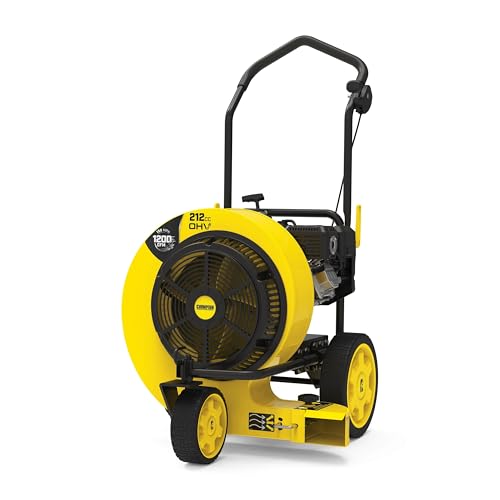
- Rated for up to 1200 CFM of air volume
- 3-position wind vane plus forward air attachment
- Large 12-inch never-flat rear wheels
- Lockable 360-degree front swivel wheel
- Ergonomic handle features height adjustment
Cons
- Weighs 104 pounds without power propulsion
- Gas engine requires fuel and oil upkeep
- Bulky frame requires ample storage space

Pros
- High-volume clearing with a rated 3000 CFM and 207 MPH
- Electric start eliminates manual pulling effort
- Standard clevis pin hitch connects easily to ATVs and tractors
- Adjustable vertical airflow discharge for directed blowing
- Durable steel frame construction with large wheels
Cons
- Requires a towing vehicle like an ATV or lawn tractor
- Weighs 291 pounds and demands significant storage space

Pros
- Airflow reaches up to 450 CFM and 140 MPH
- Built-in scraper helps loosen wet, stuck debris
- Two-speed switch allows quick airflow adjustment
- Cord retention hook helps prevent accidental unplugging
- Compact axial fan design weighs approximately 7 pounds
Cons
- Tethered by an electrical cord, limiting reach
- Requires a suitable outdoor extension cord (not included)

Pros
- High-efficiency brushless motor delivers up to 780 CFM and 190 MPH
- Low 57 dB noise rating suitable for residential neighborhoods
- Variable-speed control adjusts for delicate or heavy clearing
- Works with the expandable WORX PowerShare battery system
- Includes two batteries, a dual charger, and an air tube
Cons
- Total weight of 8.94 lbs may be heavy for some users
- Running at maximum airflow reduces overall battery runtime

Pros
- Turbo mode delivers up to 530 CFM and 110 MPH
- Up to 75 minutes of stated runtime per charge
- Brushless motor reduces vibration and tool wear
- Fast 50-minute battery recharge with included charger
- Variable speed dial with a lock-on trigger button
Cons
- High turbo output significantly reduces battery runtime
- Requires extra batteries for prolonged high-power jobs

Pros
- Produces up to 1270 CFM airflow and 150 MPH wind speed
- Runs on standard unleaded 87-octane gasoline with no oil mixing
- 360-degree front swivel wheel and 12-inch rear wheels for steering
- 90-degree adjustable flow angle directs debris where needed
- Convenient handle-mounted controls for speed adjustment
Cons
- Manual push design requires physical effort on uneven ground
- Bulky footprint requires dedicated garage or shed storage

Pros
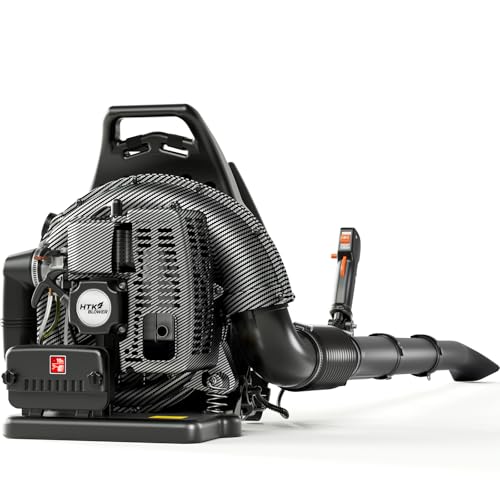
- 28-cc engine delivers up to 470 CFM and 170 MPH
- Cruise control function enables comfortable sustained operation
- Air purge system removes air from carburetor for easier starting
- Auto-return stop switch automatically resets to the on position
- Adjustable soft-grip handle engineered to reduce strain
Cons
- Requires 2-cycle fuel and oil mixing
- Produces engine exhaust emissions and engine noise
True Tow-Behind Versatility vs. Walk-Behind Manpower
A true towable blower eliminates the physical fatigue of walking large properties, but manual wheeled blowers offer tighter directional control in smaller yards. If you manage acreage, hitching equipment behind a vehicle is the most practical way to clear heavy ground cover without physical exhaustion.
The SuperHandy Tow-Behind Leaf Blower is built specifically for this role, featuring a standard clevis pin hitch that connects directly to ATVs, lawn tractors, or utility carts. In contrast, units like the Landworks Leaf Blower Wheeled Walk Behind Jet and the SuperHandy Walk Behind Leaf Blower are manually propelled push units. While walk-behind designs require manual effort over turf, they can access narrow gated areas and tight landscaping beds where towing vehicles cannot easily navigate.
Engine Displacement and Airflow Capabilities on Big Lots
Tow-behind and wheeled units provide dramatically higher airflow volume than residential blowers, which is necessary for moving deep layers of wet leaves across open fields. Comparing the advertised output numbers shows a clear divide between tractor-towed models and standard push machines.
The tow-behind model leads the category with a 15HP electric-start engine and an 18-inch metal impeller, advertised to produce up to 3,000 CFM at 207 MPH. Wheeled push alternatives—such as the Champion Power Equipment 212cc 1200 CFM and the 7HP 212cc Landworks unit—generate between 1,200 and 1,270 CFM at 150 MPH. While walk-behind blowers provide more than enough volume for typical suburban acreage, the 15HP towable platform moves more than double the air volume to displace thick drifts in fewer passes.
Maneuverability Across Fences, Curbs, and Uneven Ground
Directing airflow where debris collects is critical along tree lines, fences, and driveway curbs. Towable units must offer vertical angle adjustment to overcome their fixed travel paths behind a tractor.
The tow-behind SuperHandy model includes vertical tilt adjustment on its discharge chute, letting operators blow leaves away from ditches and fence rows from the vehicle seat. On foot, the Champion Power Equipment model uses a 3-position adjustable wind vane (directing air 15 degrees up or down) alongside a forward-flow air attachment and large 12-inch rear wheels. Similarly, the Landworks unit features an 8-inch 360-degree swivel front wheel and a 90-degree adjustable discharge flow. While a walk-behind allows quick adjustments around individual trees, tow-behind setups rely on broad passes along wide, unobstructed terrain.
Fuel-Powered Blowers Compared to Handheld Electric Alternatives
Handheld electric and battery blowers are ideal for spot-clearing patios and steps, but they cannot replace heavy gas engines for continuous pasture or perimeter maintenance. Understanding the scope of your property determines whether a heavy towable unit is justified over an agile handheld model.
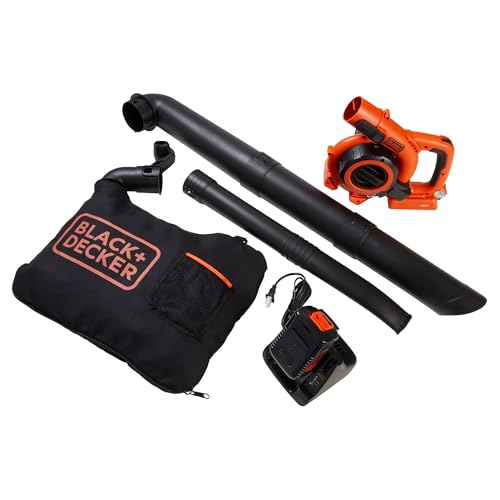
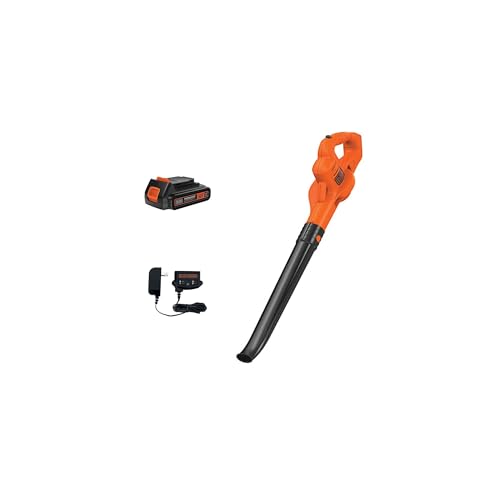
Lightweight options like the WORX Cordless Leaf Blower (delivering an advertised 780 CFM at 57 dB) or the corded BLACK + DECKER Electric Leaf Blower (450 CFM) excel at quick patio sweeps and sidewalk cleanups. However, battery runtimes and cord restrictions limit their use on properties larger than a standard suburban lot. The heavy 4-stroke gas engines found on pull-behind and walk-behind machines consume standard 87-octane fuel to provide uninterrupted run-time across large zones, trading lower noise and zero emissions for sheer clearing endurance.
Frequently Asked Questions About Pull-Behind Blowers
What vehicle do I need to tow a pull-behind leaf blower?
The SuperHandy Tow-Behind Leaf Blower features a standard clevis pin hitch design, making it compatible with lawn tractors, ATVs, and utility carts capable of pulling its 291-pound weight.
Are walk-behind blowers considered pull-behind equipment?
No. Models like the Landworks Leaf Blower Wheeled Walk Behind Jet and Champion Power Equipment 212cc 1200 CFM are manual-push units designed to be operated on foot, though they deliver similar high-output gas engine power.
What type of maintenance do these large gas blowers require?
Both tow-behind and walk-behind units run on 4-stroke engines using unleaded gasoline (recommended at 87+ octane with 10% or less ethanol). Note that units such as the Landworks blower ship without engine oil, which must be added before initial use.
Choosing the Best Blower for Your Acreage and Budget
Selecting the right leaf-clearing setup comes down to your property size, available towing equipment, and willingness to operate a heavy gas-powered machine. Towing equipment saves hours of walking, while push machines maximize close-range precision.
For expansive properties, long driveways, and commercial grounds, the recommended match is the SuperHandy Tow-Behind Leaf Blower. It is intended for property owners with a lawn tractor or ATV who need to move massive leaf piles without walking miles. Its primary limitation is its substantial 291-pound footprint and high initial cost. If your budget is smaller or your yard has gated perimeters that an ATV cannot enter, the Champion Power Equipment 212cc 1200 CFM offers a capable walk-behind alternative with excellent terrain wheels and versatile airflow directing for under $600. For further guidance on matching equipment to specific driveways, check our leaf blower for driveway guide.