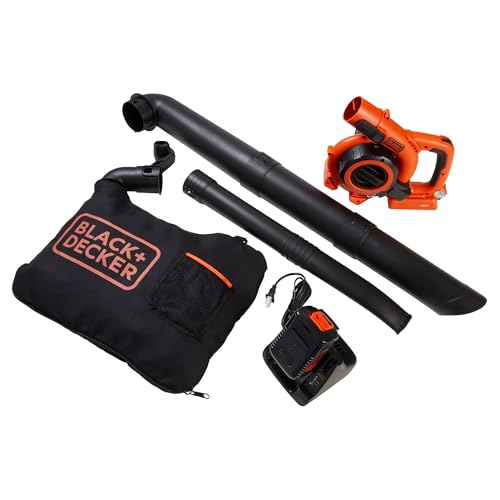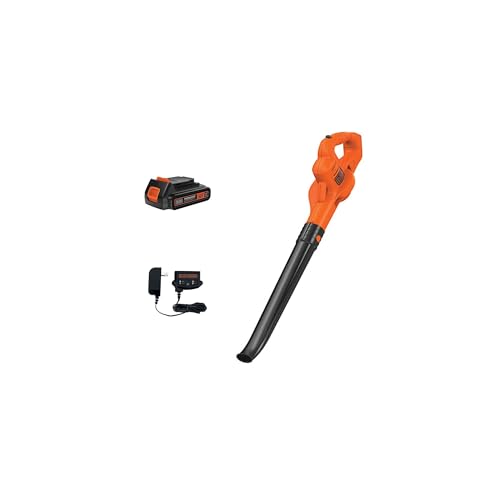
For homeowners and professionals facing heavy piles of wet debris, the PRORUN 75.6cc gas backpack blower offers the highest raw output on paper with 1,020 CFM and 240 MPH, though its 75.6cc engine naturally commands a steeper investment and added bulk over entry-level units.

Pros
- Delivers up to 550 CFM and 230 MPH for moving wet yard debris
- Lightweight 17-pound backpack design with cushioned straps
- Thumb throttle includes cruise control for steady blowing
- 33.8 fl oz fuel tank yields up to 45 minutes of run time
- Operating temperature range spans 14°F to 104°F
Cons
- Requires 2-cycle fuel mixing and engine maintenance
- 550 CFM is modest for a backpack-class gas blower
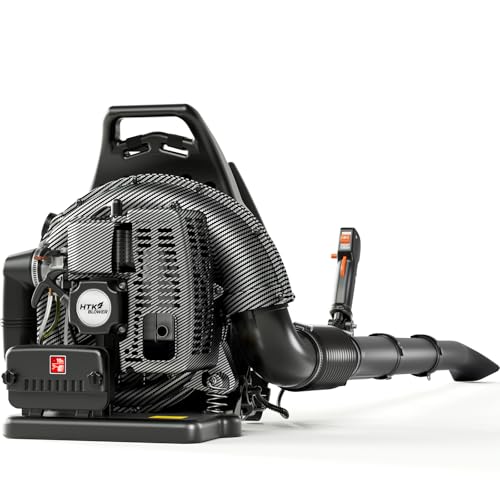
Pros
- 63CC 2-stroke engine provides up to 665 CFM and 205 MPH
- Fully padded ergonomic backpack harness
- Variable-speed throttle with built-in cruise control
- Generous 1.7 L fuel tank for extended yard sessions
Cons
- Requires 2-stroke fuel mixing and gas engine maintenance

Pros
- Engine rated at 63cc delivering up to 665 CFM and 205 MPH
- Generous 1.7-liter fuel tank extends running time between refills
- Cruise control and variable speed dial enable hands-free throttle
- Tool-free two-stage air filter simplifies routine maintenance
- Padded backpack harness evenly distributes weight during operation
Cons
- Weighs 22 pounds before adding fuel
- Requires mixing 2-cycle oil and gasoline
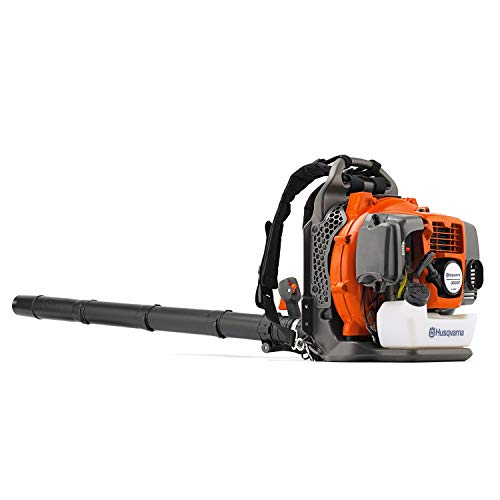
Pros
- 50.2-cc 2.1-HP X-Torq engine
- Rated blowing force of 692 CFM and 180 MPH
- LowVib technology dampens machine vibrations
- Air purge primer simplifies engine starts
- Ergonomic harness with offset control handle
Cons
- Weighs 22 pounds before fuel is added
- Requires ongoing two-stroke fuel mixing

Pros
- Delivers up to 972 CFM and 236 MPH air output
- 66-cc 4-HP X-Torq 2-cycle engine
- Load-reducing backpack harness with wide shoulder straps
- Air purge system and cruise control for easier operation
Cons
- Heavier build weighs 24.5 pounds
- Requires 2-cycle gas and oil fuel mixing

Pros
- High manufacturer-rated output up to 1020 CFM and 240 MPH
- Powerful 75.6cc 2-cycle gas engine for large properties
- Padded backpack harness designed to lessen operator fatigue
Cons
- Heavy 32.8 lb weight requires more effort to mount and carry
- Gas 2-cycle engine requires standard fuel and oil mixing

Pros
- Turbo mode pushes up to 765 CFM and 200 MPH
- Cruise control dial for speeds from 260 to 580 CFM
- Includes a 5.0Ah 56V battery and fast charger
- High-efficiency brushless motor for smooth performance
- Comes with both tapered and spread nozzles
Cons
- Turbo output significantly reduces total operating runtime
- Total tool weight reaches 9.5 pounds

Pros
- 65cc engine delivers a high-volume 850 CFM at 205 MPH
- Includes both fan and concentrator nozzle attachments
- 1.7-liter fuel tank reduces frequent stopping for refills
- Backpack harness features ventilated backrest for comfort
- Variable throttle with cruise control simplifies steady operation
Cons
- Requires 2-stroke fuel mixing and routine engine upkeep
- At 70.8 inches long assembled, storage requires ample space
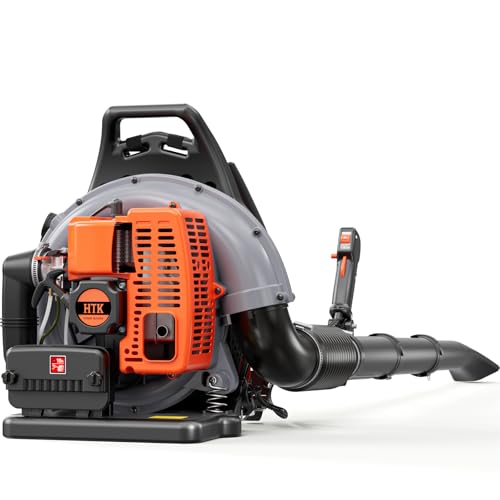
Pros
- 63cc 2-stroke engine delivers 665 CFM and 205 MPH airspeed
- Padded ergonomic backpack harness balances weight across shoulders
- Cruise control locks throttle to relieve trigger finger strain
- Generous 1.7L fuel tank supports extended property maintenance
- Manufacturer-rated sound level of 71 dB for quieter operation
Cons
- Requires ongoing two-cycle oil-to-gasoline fuel mixing
- Bulkier footprint demands sufficient garage or shed storage

Pros
- Delivers up to 230 MPH airspeed and 920 CFM air volume
- Powered by a 63.3 cc, 3.7 HP 2-stroke gas engine
- Large 65 oz (1.9L) fuel tank reduces frequent refills
- Padded shoulder harness and back support enhance user comfort
- Weighs 19.5 pounds for manageable backpack handling
Cons
- Requires 2-stroke gas-and-oil fuel mixing
- Heavier and louder than comparable cordless electric alternatives
Which Backpack Blower Generates the Highest Clearing Power?
The PRORUN 75.6cc 1020 CFM 240 MPH Gas-Powered 2-Cycle blower leads the group in peak advertised output, producing 1,020 CFM at up to 240 MPH from its 75.6cc two-stroke engine.
Raw blowing force stems directly from the combination of high air volume (CFM) and velocity (MPH). Right behind the PRORUN is the Husqvarna 570BTS Backpack Leaf Blower, which pairs a 66-cc, 4-HP X-Torq engine with an advertised 972 CFM, 236 MPH, and a measured blowing force rating of 37 Newtons. The Schröder Backpack Leaf Blower – Backpack Blower follows closely with 920 CFM and 230 MPH from a 63.3 cc engine. If lifting thick, matted leaf layers across large properties is your primary goal, blowers topping 900 CFM significantly outpace smaller mid-range yard equipment.
High CFM vs. High Airspeed: How Clearing Force Really Works
Air volume (CFM) controls how much leaf litter you can move per sweep, while air velocity (MPH) determines whether you can break loose stubborn, wet debris stuck to your lawn or pavement.
When selecting among the most powerful backpack leaf blowers, looking at only one specification can be misleading:
- Volume-focused clearing: The Getell 65CC Backpack Leaf Blower delivers a broad 850 CFM at 205 MPH, making it suitable for moving wide swaths of loose dry leaves quickly across open ground.
- High-velocity scouring: The Thalorus 52cc Gas Backpack Leaf Blower delivers 230 MPH at a lower 550 CFM. Its focused stream excels at breaking wet debris loose from hard surfaces, but sweeps a narrower path.
- Balanced high-force: Commercial models like the Husqvarna 570BTS (972 CFM, 236 MPH) and PRORUN 75.6cc (1020 CFM, 240 MPH) maintain high levels across both metrics, ensuring heavy debris moves forward without narrowing your clearing line.
For more advice on pairing equipment with hard surfaces, see our guide on choosing a leaf blower for driveway cleaning.
Commercial Power vs. Mid-Range Budget Blowers
Commercial-grade backpack blowers feature heavy-duty engine assemblies, pro-grade filtration, and specialized vibration dampening, while budget-conscious models prioritize raw displacement at lower price points.
The premium tier is represented by the Husqvarna 570BTS ($529.99) and the Husqvarna 350BT Gas Leaf Blower ($429.99). Husqvarna incorporates proprietary X-Torq engine engineering, multi-stage commercial air filtration, and LowVib vibration dampening. In contrast, value-focused brands like HTK, Thalorus, and Getell offer 63cc to 65cc engines delivering between 665 and 850 CFM for around $150 to $160. While these economical units deliver impressive stated airflow, they trade away the verified low-emission standards and advanced commercial warranties found on pro-tier machinery.
Backpack Comfort and Harness Ergonomics During Long Cleanups
Backpack blowers shift heavy engine weight from your arms to your shoulders and hips, but harness design and bare machine weight dictate your fatigue levels over a full afternoon.
Weight varies considerably among high-capacity blowers. The Thalorus 52cc model weighs an agile 17 pounds, and the Getell 65CC is listed at 17.5 pounds with a ventilated backrest. The commercial Schröder SR-6400L weighs 19.5 pounds empty. When you fill its generous 65 oz (1.9 L) tank, total working weight increases by several pounds. To counter this, models like the Husqvarna 350BT feature offset handle designs that stop the blowing tube from pulling your arm downward, combined with dedicated low-vibration mounts to isolate the frame from engine shudder.
If you prefer a lightweight alternative without gas mixing or pull cords, a handheld battery tool like the EGO POWER+ Cordless Electric Leaf Blower, 765 CFM provides up to 765 CFM in Turbo mode, though run times on high settings are naturally constrained by battery capacity compared to a 1.7-liter gas tank.
Frequently Asked Questions About Heavy-Duty Backpack Blowers
What is the difference between CFM and MPH when measuring power?
CFM (cubic feet per minute) measures the total volume of air moving through the tube, which dictates how wide an area of leaves you can sweep at once. MPH (miles per hour) measures how fast that air travels, which determines your ability to dislodge heavy, wet leaves or stuck debris. Blowers pairing high numbers in both categories deliver the greatest overall clearing force.
Can a battery-powered blower compete with high-displacement gas models?
Handheld battery units like the EGO POWER+ LB7654 deliver high peak volume (up to 765 CFM in Turbo mode), but backpack gas models featuring 65cc to 75cc engines sustain 850 to 1,020 CFM continuously without draining a battery pack in minutes during heavy sweeps.
How heavy are high-output gas backpack blowers?
Weight varies by engine displacement and build. Mid-range units like the Thalorus 52cc and Getell 65CC weigh around 17 to 17.5 pounds empty, while large commercial units such as the Schröder SR-6400L weigh 19.5 pounds before adding fuel.
How to Choose the Right Powerful Backpack Blower for Your Yard
Choosing among top-performing leaf blowers depends on matching engine output, fuel tank capacity, and machine weight to the acreage and terrain you maintain.
If you manage heavily wooded acreage or commercial landscaping contracts, the PRORUN 75.6cc 1020 CFM 240 MPH Gas-Powered 2-Cycle offers the highest clearing power supported in this lineup. Its main trade-off is higher fuel consumption and an unstated dry weight that demands physical endurance. For property owners seeking dependable clearing force without commercial pricing, the Getell 65CC Backpack Leaf Blower, Gas Powered serves as an affordable mid-range alternative, providing an advertised 850 CFM at an accessible 17.5-pound frame. You can also explore our broader overview on what leaf blower is the best for additional equipment styles.