Pet hair is one of the most persistent challenges in any home with dogs or cats. Fine undercoat fibers embed in carpet pile, bond to upholstery through static, and work their way into HVAC returns and vacuum seals. For homeowners with shedding breeds, the real question is not whether a vacuum can pick up hair on a clean floor, but whether it can sustain that performance over months of heavy use, maintain suction as bins fill, and resist the clogging and brush roll tangling that quietly degrade machines. This guide examines what separates effective pet hair vacuums from marketing claims, drawing on verified manufacturer specifications, engineering schematics, and long-term owner reports. For a closer look at robot models, read the best robot vacuums for pet hair roundup next.
The best vacuum for pet hair combines a motorized brush roll with anti-tangle geometry, sustained suction measured under load (not just peak airwatts), a sealed filtration path, and a large or easily emptied dust container. Based on manufacturer specifications and owner reports, upright and cordless stick models with self-cleaning or bristle-free brush designs tend to perform best across carpet and hard floors.

Pros
- Lightweight and ergonomic design at only 5.6 pounds makes it easy to clean high-up spots.
- Excellent hair de-tangling performance with both the Motorbar and Hair screw tools.
- Advanced sealed filtration system is great for households with allergy sufferers.
- Converts quickly to handheld mode for maximum versatility.
Cons
- Run time is limited to about 5 minutes when using the intensive Max power mode.
- Requires a full charge before first use, and bin capacity is relatively small compared to larger upright vacuums.
If you are looking for a powerful yet lightweight cleaning solution, our Dyson V8 Plus Cordless Vacuum review highlights why this machine remains a top choice for busy households. Engineered specifically to tackle dirt, dust, and stubborn pet hair, this cordless stick vacuum offers the perfect balance of portability and deep-cleaning performance. It is an excellent match for pet owners and anyone dealing with long hair, thanks to its specialized anti-tangle technology.
Standout Performance and De-Tangling Technology
The defining feature of this vacuum is its Motorbar cleaner head, which uses polycarbonate hair removal vanes to automatically clear wrapped hair from the brush bar while you vacuum. Combined with the specialized Hair screw tool, which features an anti-tangle conical brush bar, this vacuum makes quick work of pet beds, stairs, and car upholstery. You get up to 40 minutes of fade-free power in everyday mode, though switching to Max mode for stubborn spots will reduce battery life significantly.
Ergonomic Design and Whole-Machine Filtration
Weighing only 5.6 pounds, the vacuum is exceptionally easy to maneuver. It quickly converts to a handheld unit with a single click, allowing you to reach tight spaces and high corners effortlessly. Allergy sufferers will also appreciate the advanced, whole-machine filtration system. By capturing 99.99% of microscopic particles as small as 0.3 microns, it ensures that dust and pet dander stay sealed inside the machine, expelling fresher air into your home.
The Verdict
While the compact bin capacity and the short 5-minute run time on Max mode are minor trade-offs, the overall performance, lightweight build, and hassle-free hair removal make it a standout appliance. If you want a reliable, high-performance cordless vacuum that simplifies pet hair cleanup, this model is a highly recommended investment for your home cleaning routine.

Pros
- Exceptional suction power that rivals many corded upright vacuums.
- Real-time battery countdown on the LCD screen eliminates low-battery anxiety.
- Highly effective de-tangling technology prevents hair-wrap maintenance.
- Point-and-shoot hygienic bin emptying mechanism keeps your hands clean.
Cons
- At 6.6 pounds, the unit can feel slightly heavy during extended overhead cleaning.
- The compact 0.2-gallon dustbin requires more frequent emptying during whole-house sessions.
- Does not include the laser dust-illumination feature found on higher-tier models.
The Dyson V11 Origin Cordless Vacuum is engineered for homeowners who need heavy-duty cleaning power without the restriction of a cord. Specifically optimized for homes with pets, this versatile stick vacuum bridges the gap between lightweight convenience and deep-cleaning performance. If you struggle with stubborn pet hair on carpets or fine dust on hard floors, this vacuum is designed to handle those challenges daily.
Standout Features and Real-World Performance
At the heart of this machine is the Dyson Hyperdymium motor, which delivers 185 air watts of suction power. In real-world testing, this translates to effortless debris pickup on both thick rugs and hardwood floors. The de-tangling Motorbar cleaner head uses specialized hair removal vanes to automatically clear wrapped pet hair from the brush bar as you vacuum, eliminating the tedious chore of cutting hair away manually. Additionally, the specialized Hair screw tool uses an anti-tangle conical brush bar to lift pet hair off upholstery and stairs without clogging.
Design, Build Quality, and Usability
Dyson's engineering shines in the V11's user-centric design. The integrated LCD screen provides real-time feedback, showing your selected power mode, maintenance alerts, and a countdown of the remaining battery life to the very second. This feature eliminates battery anxiety entirely. Converting the unit into a handheld vacuum takes just one click, making it easy to transition from high ceilings to tight car interiors. The whole-machine filtration system is another highlight, capturing 99.99 percent of microscopic particles and expelling cleaner air back into your living space.
Considerations and Drawbacks
While the performance is top-tier, there are a couple of trade-offs to consider. Weighing in at 6.6 pounds, the vacuum can feel a bit heavy during prolonged overhead dusting. Additionally, the 0.2-gallon bin capacity is relatively compact, meaning you will need to empty it more frequently during large-scale deep cleans. It also lacks the advanced laser illumination found on some of Dyson's more expensive models.
The Verdict
The Dyson V11 Origin Cordless Vacuum is an exceptional cleaning tool that delivers on its promise of powerful, hassle-free deep cleaning. With its intelligent battery management, specialized pet tools, and robust filtration, it is a highly recommended investment for pet owners and busy households seeking a premium cordless vacuum experience.
Why Pet Hair Is a Different Engineering Problem
Standard household debris such as crumbs, dust, and grit is relatively rigid and falls cleanly into a collection chamber. Pet hair behaves differently. Long guard hairs wrap around rotating components, while short undercoat fibers mat into dense clusters that resist airflow. Static charge causes hair to adhere to synthetic fabrics and plastic surfaces, which means a vacuum that performs well on loose debris can still leave a visible film behind.
Engineers addressing this problem typically focus on three variables: the agitation system that loosens embedded hair, the airflow path that carries it into the collection area without restriction, and the filtration system that captures the fine particulate pet dander shed alongside hair. Each variable involves trade-offs. Aggressive brush bars lift more hair from carpet but can wrap faster. Narrow airflow channels increase velocity but raise the risk of clogs at bends. Dense filters capture allergens but restrict flow as they load.
For households concerned about indoor allergens, filtration performance matters as much as pickup. Keep in mind that a vacuum’s filter rating describes capture efficiency under test conditions, and real-world effectiveness depends on seal integrity, filter maintenance, and how often the machine is run. Readers who want more background on indoor air quality can consult the EPA indoor air quality resources.
Brush Roll Architecture and Hair Tangling
The brush roll is the most common failure point in pet hair vacuums. Traditional designs use a central bar with bristle rows and a cutting blade or channel that allows hair to wrap around the axle. Once hair builds up, the bearings are loaded, the motor draws more current, and the roll slows or stops. Owner reports across major retail and forum sources consistently identify brush roll wrap as the top complaint for pet owners.
Several engineering approaches reduce this problem. Bristle-free or fin-style rollers use rubber or silicone ridges that grip carpet fibers without providing a surface for hair to coil around. Dual rotating brushes counter-rotate to pull hair toward the center where it can be pulled into the airflow path. Some manufacturers add a separate hair-cutting blade that slices wrapped hair at the roll ends, though this only works if the blade stays sharp and the user remembers to clean it. Owners of larger breeds frequently report that anti-tangle designs significantly reduce the frequency of manual cleanup, while bristle-based rolls require regular cutting and unwinding.
Hard floor performance introduces its own considerations. Many vacuums switch to a soft roller or disable agitation on hard surfaces to avoid scattering debris. If you own a multi-surface model, verify that the hard floor setting still captures hair effectively, since fine undercoat often rides along the floor and requires gentle but reliable suction.
Users who want to compare broader categories should also review how robotic and automated systems handle the same challenge. Our overview of robot vacuums for pet hair explains where automated designs match or fall short of upright and stick models, particularly regarding brush roll maintenance on a daily schedule.
Suction Metrics: What Airwatts Do and Do Not Tell You
Manufacturers frequently advertise peak airwatts or suction power in headline figures. These numbers measure electrical input or theoretical airflow under specific conditions and do not reliably predict pickup performance on embedded pet hair. A more useful metric is sustained suction at the floor nozzle, measured with a clean filter and a partially full bin. Suction can drop by a substantial margin as bins fill and filters load, so a machine that rates highly when new may perform very differently after several weeks of use.
Sealing matters as much as motor output. Gaps at the bin lid, wand joints, and hose connections leak air and reduce nozzle velocity. Owners who report strong long-term satisfaction often mention easy-to-clean bins with tight seals and filters that can be rinsed and fully dried, since moisture trapped in filter media can lead to odor and reduced airflow.
Spec Breakdown: Key Parameters for Pet Hair Vacuums
The table below summarizes the parameters that most directly affect pet hair performance. Use it as a checklist when comparing models rather than relying on any single headline number.
| Parameter | Why It Matters for Pet Hair | What to Look For |
|---|---|---|
| Brush roll design | Determines wrap frequency and cleanup effort | Bristle-free or anti-tangle fins, dual rollers |
| Sustained suction | Governs pickup of embedded undercoat | Reported performance under load, not only peak figures |
| Filtration | Captures fine dander and fibers | Sealed HEPA-grade or multi-stage filtration |
| Bin capacity and access | Frequency of emptying and dust release | Large bin, wide opening, low-contact emptying |
| Hair cutting or self-cleaning | Reduces manual untangling | Integrated blade or automatic brush cleaning |
| Cord vs. cordless | Runtime and convenience on large floors | Battery runtime at max suction, swappable batteries |
| Attachments | Upholstery, stairs, pet beds | Motorized mini-tool, crevice tool, extension wand |
| Maintenance access | Ease of clearing clogs and washing filters | Tool-free release, removable filter housings |
Real-World Maintenance and Common Traps
Even well-engineered machines underperform when maintenance lapses. Owner reports reveal a consistent set of mistakes that reduce pet hair pickup and shorten machine life. Avoiding them is often more effective than upgrading to a higher-tier model.
- Check the brush roll weekly for wrapped hair, and cut loops at the end caps rather than pulling them through the bearings.
- Empty the bin before it reaches the fill line, since suction drops noticeably as debris accumulates near the intake.
- Rinse washable filters only when fully dry before reinstalling, and replace paper or HEPA-type filters on the manufacturer’s schedule.
- Inspect the hose and wand for hidden clogs by running a hand along the interior, particularly after vacuuming long-haired fur or string.
- Do not run the vacuum over heavy clumps of hair without first sweeping them into a pile, which reduces strain on the motor and brush bearings.
- Use the hard floor setting or a dedicated tool for upholstery, since high-agitation rollers can spread hair across fabric instead of lifting it.
- Keep a small pair of scissors and a seam ripper handy for cutting embedded hair from brush ends and side seals.
Another frequent trap is treating a vacuum as the only tool for pet hair management. Regular brushing of the animal, washable throws on high-contact furniture, and a rubber grooming tool used on upholstery before vacuuming can dramatically reduce the load on the machine. For households seeking a fuller setup, our review of pet hair cleaning systems covers how these complementary tools fit into an overall routine.
Hard Floor Versus Carpet: Trade-Offs in Multi-Surface Models
Homes with mixed flooring face a specific design compromise. Carpet pickup benefits from aggressive agitation and firm suction at the nozzle, while hard floors can be scratched or scattered by the same brush action. Many multi-surface machines include a floor-type sensor or manual switch that adjusts brush speed or disables the roll. Owners of hardwood or laminate often report that a soft roller with strong suction outperforms a bristled roll for fine hair, because it avoids pushing debris into seams.
Tile and grout introduce a different consideration. Hair tends to collect along grout lines and at baseboards, where wide nozzles struggle to reach. A slim crevice tool or a motorized mini-tool addresses these areas, and owners of tiled homes frequently cite attachment quality as a deciding factor between otherwise similar models.
Upright, Stick, and Robotic Designs Compared
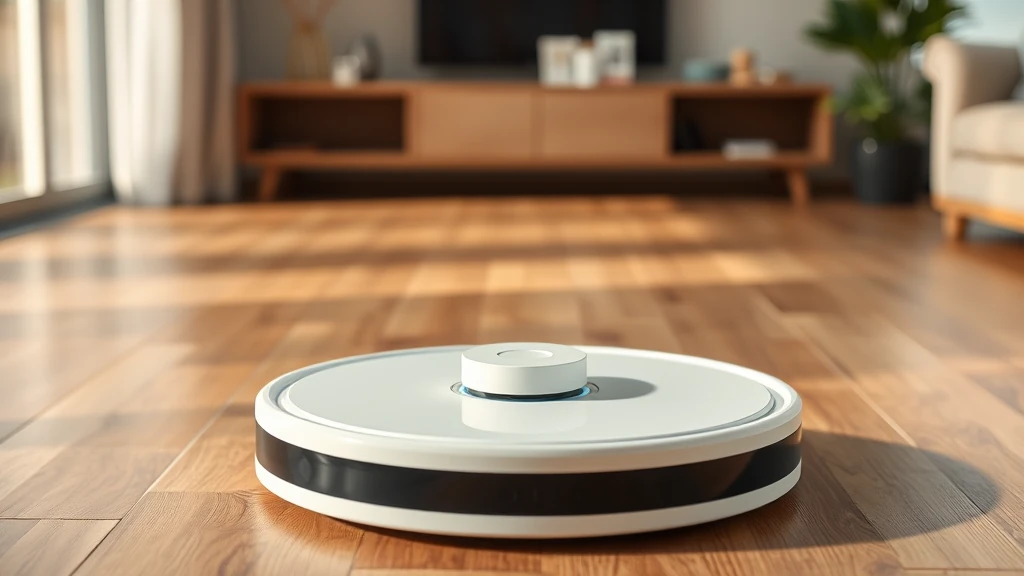
Each form factor carries distinct strengths for pet households. Upright vacuums typically offer the strongest agitation and largest bins, making them well suited to carpeted homes with large dogs. Cordless stick models provide quick pickup on stairs, furniture, and hard floors, and they are easier to use for frequent spot cleaning after shedding episodes. Robotic units deliver daily maintenance without user effort but generally struggle with deep-embedded undercoat and require frequent brush and bin attention to stay effective.
Some households combine formats. A robot handles routine daily hair on hard floors, while an upright or stick model covers carpet and upholstery on a weekly deep-clean schedule. This approach spreads wear across machines and matches each tool to the surfaces where it performs best. Owners who adopt this model often report lower overall frustration than those who rely on a single device for all conditions. Homes with mostly hard floors can also weigh robot vacuums suited to hardwood floors for everyday pickup.
Hybrid vacuum and mop systems present a further option for kitchens and entryways where pet hair mixes with moisture or food residue. Owners considering this route can review Shark vacuum and mop performance to understand how combined dry and wet cleaning cycles handle hair, particularly regarding how the brush roll behaves when the mopping function is active.
Decision Matrix and Long-Term Cost Breakdown
Total cost of ownership for a pet hair vacuum extends well beyond the purchase price. Replacement brush rolls, filters, bags or bin liners, and batteries add recurring expense over the machine’s life. Models with proprietary consumables may carry higher ongoing costs even when the initial price bracket is modest. Entry-level tier machines often reach their limits quickly with heavy shedding, while mid-range and premium price brackets tend to include better sealing, larger bins, and more durable rollers that reduce replacement frequency.
Use the following decision matrix to align a purchase with household needs:
| Household Profile | Recommended Format | Key Priority | Main Trade-Off |
|---|---|---|---|
| Single small pet, mostly hard floors | Cordless stick | Light weight, quick pickup | Limited capacity on large carpet areas |
| Large shedding dog, wall-to-wall carpet | Upright with anti-tangle roll | Sustained suction and agitation | Heavier, more storage space needed |
| Multiple cats, upholstery-heavy home | Stick with motorized tool | Attachment quality and filtration | Shorter runtime on full-size carpet |
| Mixed flooring, daily maintenance focus | Robot plus periodic upright | Automated routine coverage | Higher combined cost and upkeep |
| Allergy-sensitive household | Sealed system with high-grade filter | Filtration and seal integrity | Filter replacement cost and airflow reduction |
Long-term satisfaction correlates strongly with serviceability. Models with replaceable brush rolls, accessible filters, and widely available parts tend to stay in use longer, while sealed units with difficult-to-source components can become disposable after a single failure. Before buying, check the availability of replacement parts from the manufacturer or established third-party suppliers.
Frequently Asked Questions
Is a bristle-free brush roll better than a traditional bristle roll for pet hair?
For most pet owners, a bristle-free or fin-style roll reduces wrap frequency because there is no bristle bundle for hair to coil around. Traditional bristle rolls can still pick up hair effectively on carpet, particularly with dual-roller designs, but they generally require more frequent cutting and cleaning. The better choice depends on how much time you are willing to spend on maintenance and the length of your pet’s coat.
How often should I clean the filter and brush roll on a pet hair vacuum?
Check the brush roll weekly in homes with heavy shedding, and clear any wrapped hair promptly to protect bearings and maintain agitation. Filters should be inspected every few weeks and cleaned or replaced according to the manufacturer’s guidance. Washable filters must be fully dry before reinstallation, since residual moisture can reduce airflow and encourage odor. Running a machine with a clogged filter strains the motor and lowers pickup performance noticeably.
Can a vacuum alone control pet hair in the home?
A vacuum addresses hair that has already shed, but it works best as part of a broader routine. Regular brushing of the animal reduces loose undercoat before it reaches floors and furniture. Washable throws and covers on favorite resting spots limit embedding in upholstery, and a rubber grooming tool can lift hair from fabric so the vacuum can capture it more efficiently. Combining these habits typically yields better results than relying on suction power alone.
Do higher airwatt ratings guarantee better pet hair pickup?
Not reliably. Peak airwatt figures describe electrical input or theoretical airflow and do not account for losses from brush loading, bin fill, filter restriction, or seal leakage. Pet hair pickup depends on sustained suction at the nozzle under real conditions, combined with an effective agitation system and a clear airflow path. When comparing models, prioritize brush roll design, sealing quality, filtration, and owner reports of performance after several weeks of use over headline suction numbers.