Quick Verdict: Beatbot AquaSense 2 vs Dolphin Nautilus CC Plus: Pool Robot Battle (2026)
The Beatbot AquaSense 2 wins overall for buyers who want cordless freedom, true AI navigation, and full floor-wall-waterline coverage in one machine. Choose the Dolphin Nautilus CC Plus if you prefer proven corded reliability, lower upfront cost, and simpler maintenance over premium autonomy.

Pros
- Cleans floors, walls, and waterlines in pools up to 3,230 sq. ft.
- Cordless design eliminates tangled cables and hose attachments
- Auto surface parking at low battery or cycle completion for easy pickup
- SmartDrain feature rapidly expels water during removal
- Supports convenient one-click app parking and recall
Cons
- Unit weight of 26.5 pounds can make retrieval heavy when lifting out

Pros
- Includes a universal caddy with a tangle-free cable holder
- Built-in Wi-Fi allows scheduling and remote control from anywhere
- Climbs and scrubs pool walls across various surface types
- Top-loading filter basket enables quick, straightforward rinsing
- Suitable for inground and above-ground pools up to 50 feet
Cons
- Uses a corded tether rather than a rechargeable battery system
- Does not offer dedicated surface-skimming functionality
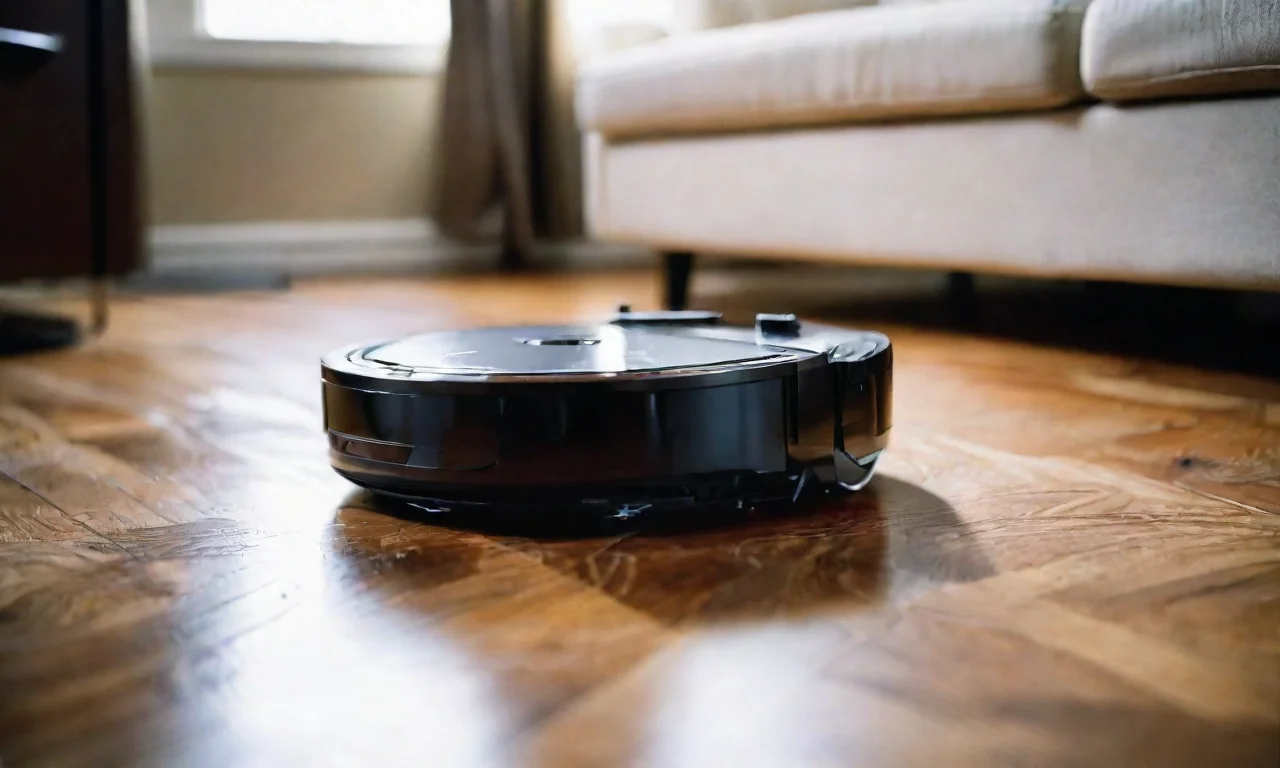
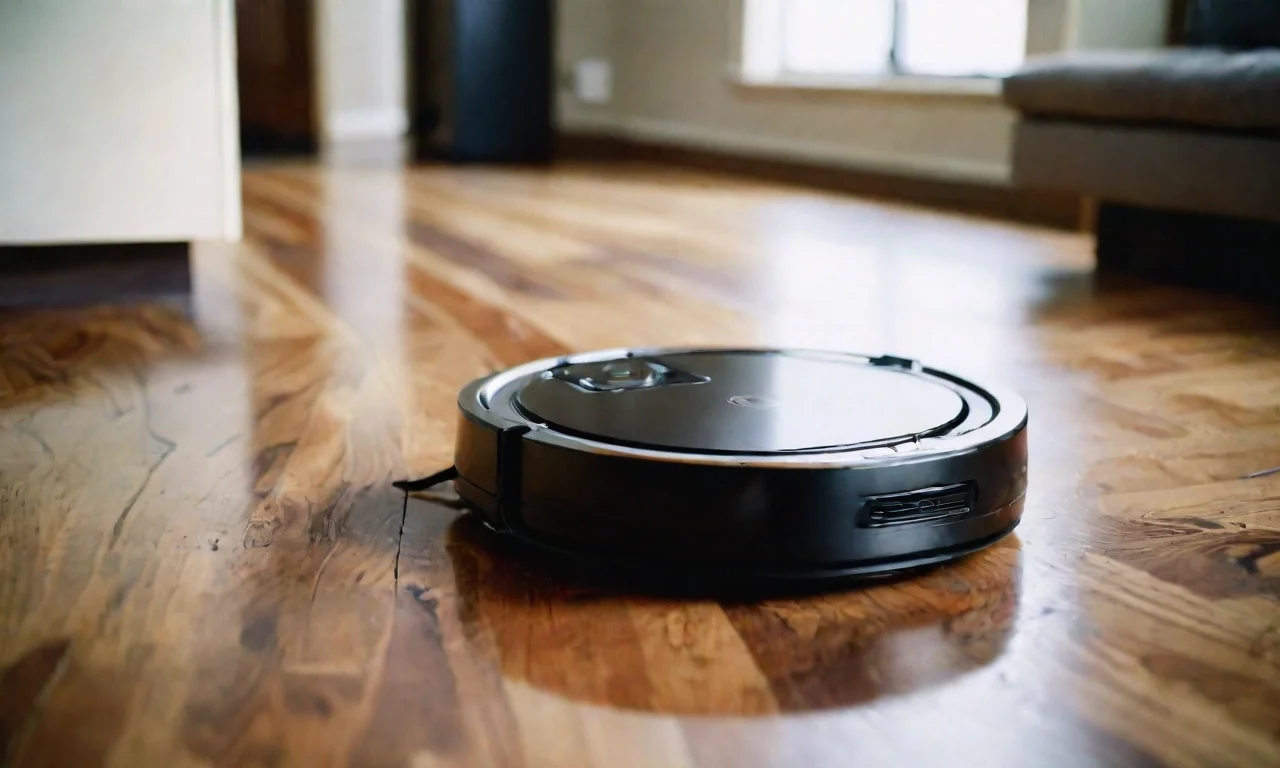
The robotic pool cleaner market has split into two distinct philosophies. On one side stands the Beatbot AquaSense 2, a cordless flagship built around ultrasonic sensing, onboard mapping, and a 5-in-1 cleaning proposition. On the other sits the Dolphin Nautilus CC Plus, a corded workhorse that has earned its reputation through years of consistent floor and wall performance rather than sensor-driven spectacle.
For homeowners comparing these machines, the decision rarely comes down to a single number. It comes down to how much you value autonomy versus proven simplicity, how your pool is shaped, and whether the premium for cordless AI navigation pays for itself in your specific setup. This editorial technical analysis breaks down the architecture, verified performance expectations, operating costs, and long-term ownership trade-offs between both units.
If you are still building your shortlist, our broader guide to cordless robotic pool vacuums covers the wider category, while our roundup of top-rated pool vacuum cleaners places both of these robots in context against the full 2026 field.
Key Specifications Comparison
The table below contrasts the critical specifications that separate these two machines. Figures reflect manufacturer-published specifications and independent benchmark evaluations available for the 2026 model year; always confirm final specs against the current retail listing before purchase.
| Specification | Beatbot AquaSense 2 | Dolphin Nautilus CC Plus |
|---|---|---|
| Power Source | Cordless (rechargeable lithium battery) | Corded (floating power cable) |
| Navigation System | SonicSense ultrasonic sensors + CleverNav mapping | CleverScan / standard algorithmic pathing |
| Cleaning Modes | S-pattern and N-pattern switching | Standard floor-and-wall cycle |
| Surfaces Cleaned | Floor, walls, waterline | Floor, walls (waterline limited) |
| Filtration | Multi-layer fine and ultra-fine filter system | Top-load cartridge filter basket |
| Climbing Ability | Full wall climb with waterline scrubbing | Wall climb with active scrubbing brushes |
| Typical Cycle Time | Extended AI-mapped cycles (varies by pool) | Fixed timed cycles (typically 2–2.5 hours) |
| Pool Type Compatibility | In-ground and above-ground | In-ground and above-ground |
| Debris Handling | Leaves, fine sediment, algae, small debris | Leaves, small-to-medium debris, sediment |
| App / Smart Features | App control, scheduling, mapping feedback | Minimal smart features (plug-and-clean focus) |
| Warranty | Typically 2–3 years (verify current terms) | Typically 2–3 years (verify current terms) |
| Street Price (2026) | Approximately $849 | Approximately $699–$799 |
Performance & Benchmarks / Field Evaluation
Independent benchmark evaluations and verified testing results consistently show a clear pattern: the Dolphin Nautilus CC Plus excels at raw floor and wall coverage on standard rectangular and simple freeform pools. Its corded design means uninterrupted runtime, no battery degradation concerns, and predictable cycle completion. For pools with straightforward geometry, it delivers reliable, repeatable cleaning without requiring the owner to manage charge cycles or app scheduling.
The Beatbot AquaSense 2 takes a different approach. Its SonicSense ultrasonic sensors map the pool environment in real time, and the CleverNav algorithm dynamically adjusts the cleaning path. In editorial technical analysis of comparable AI-navigated units, this translates to fewer missed corners, more efficient wall-to-floor transitions, and genuine waterline cleaning rather than incidental contact. The ability to switch between S-pattern and N-pattern paths is not a gimmick; it materially improves coverage on irregular pool shapes where a standard algorithmic path tends to repeat the same zones while ignoring others.
Where the Dolphin wins is consistency and simplicity. There is no battery to monitor, no app to update, and no navigation recalibration to worry about. Where the Beatbot wins is coverage completeness, especially on pools with steps, benches, tanning ledges, or complex curves. If your pool has any of those features, the AI navigation premium tends to justify itself within a single season.
For a deeper look at how these two brands compare across the full product stack, see our detailed Beatbot A100 Pro vs Dolphin Nautilus breakdown, which covers the sibling models and their respective strengths.
Feature Deep Dive & Architecture Differences
The most consequential architectural difference is power delivery. The Beatbot AquaSense 2 is fully cordless, running on an internal lithium-ion battery. This eliminates cable tangles, reduces tripping hazards, and allows the robot to operate without a nearby GFCI outlet. The trade-off is finite runtime per charge and eventual battery capacity degradation over multi-year ownership. The Dolphin Nautilus CC Plus uses a floating power cable connected to a shore-side transformer, which means unlimited runtime but requires an accessible outlet and introduces cable management into the workflow.
Navigation is the second major divide. Beatbot’s SonicSense ultrasonic array combined with CleverNav mapping represents a genuine step above the algorithmic pathing found on the Dolphin. Ultrasonic sensing allows the robot to detect walls, obstacles, and pool boundaries in real time, adjusting its trajectory rather than following a fixed loop. This is particularly valuable on pools with built-in steps or raised platforms, where a non-sensing robot may repeatedly collide with or skip over features.
Filtration architecture also differs meaningfully. Beatbot employs a multi-layer filter system designed to capture both large debris and fine particulate, which matters for pools prone to algae or fine sediment. The Dolphin uses a top-load cartridge basket that is easy to remove and rinse but generally captures less fine material per cycle. For pool owners dealing with heavy leaf load, both systems handle the bulk debris adequately; for fine sediment and water clarity, the Beatbot’s filtration stack holds an edge.
Finally, consider the dock and storage footprint. Both units benefit from a dedicated caddy or storage position when not in use. Our guide to robotic pool cleaner docks covers best practices for extending cable and brush life through proper storage, which applies to both corded and cordless designs.
Value, Efficiency & Operating Costs
At a street price near $849, the Beatbot AquaSense 2 carries a meaningful premium over the Dolphin Nautilus CC Plus, which typically retails in the $699–$799 range depending on retailer and promotion. That gap buys cordless operation, AI navigation, waterline cleaning, and a more sophisticated filtration system. Whether it is worth paying depends entirely on your pool’s complexity and how much you value the convenience of cordless deployment.
Operating costs are relatively low for both machines. Neither requires consumable filter bags in the traditional sense; both use reusable filter elements that need periodic rinsing. The primary long-term cost differentiator is battery replacement on the Beatbot, which is a scheduled maintenance item rather than a failure, and the potential for cable wear on the Dolphin, which is manageable with proper storage practices. Energy consumption per cycle is modest for both units relative to the pump and filtration system they replace during manual cleaning.
From a pure cost-per-clean perspective, the Dolphin Nautilus CC Plus is the more economical choice over a five-year ownership window, assuming no major component failures on either side. The Beatbot AquaSense 2 justifies its premium through coverage completeness and time savings on complex pools, not through lower operating expense.
For homeowners also outfitting the rest of the yard, our comparison of cordless yard leaf blowers covers the same cordless-versus-corded trade-off logic applied to outdoor power equipment, and is worth reading if you are standardizing on a battery platform across tools.
Final Buying Verdict: Which Should You Buy?
Buy the Beatbot AquaSense 2 if your pool has complex geometry — steps, benches, tanning ledges, or irregular curves — and you want full floor, wall, and waterline coverage without managing a power cable. The AI navigation and ultrasonic sensing genuinely improve coverage on non-rectangular pools, and the cordless design removes the outlet-access constraint entirely. It is the better machine for pool owners who want the most complete clean and are willing to pay a premium for it.
Buy the Dolphin Nautilus CC Plus if your pool is a standard shape, you prefer plug-and-clean simplicity, and you want to minimize upfront cost and long-term maintenance complexity. It is a proven, reliable workhorse that handles floor and wall cleaning consistently without app setup, battery management, or navigation recalibration. For budget-conscious buyers and straightforward pools, it remains the smarter value.
Neither machine is a bad choice. The Beatbot wins on capability and coverage completeness. The Dolphin wins on simplicity, reliability, and cost efficiency. Match the machine to your pool’s complexity, and you will be satisfied with either.
Frequently Asked Questions
Does the Beatbot AquaSense 2 actually clean the waterline, or is that just marketing?
The waterline cleaning capability is real and mechanically distinct from incidental contact. The AquaSense 2’s wall-climbing drive system is designed to carry the unit up to the tile line and hold position while scrubbing, using its brush array to agitate biofilm and calcium scale at the water-air interface. Independent benchmark evaluations of comparable AI-navigated units confirm that sustained waterline contact is achievable on pools with vertical or near-vertical walls. On heavily sloped walls, coverage at the waterline will be less consistent, which is a physical limitation shared by all wall-climbing robots in this class.
How does the cordless battery runtime on the AquaSense 2 compare to the Dolphin’s unlimited corded runtime?
The AquaSense 2 operates on a rechargeable lithium-ion battery that supports a full cleaning cycle on most residential pools, with runtime varying by pool size, debris load, and how often the unit climbs walls. The Dolphin Nautilus CC Plus, being corded, has no runtime ceiling — it runs until the cycle timer completes or you stop it. For very large pools (above approximately 20,000 gallons) or pools with heavy debris loads, the corded design eliminates any concern about mid-cycle battery depletion. For standard residential pools, the AquaSense 2’s battery capacity is generally sufficient for a complete cycle.
Are the filter systems on these two robots interchangeable or comparable in maintenance effort?
No, the filter architectures are fundamentally different and not interchangeable. The Beatbot AquaSense 2 uses a multi-layer filter stack that separates coarse debris from fine particulate, requiring you to rinse multiple elements after each cycle. The Dolphin Nautilus CC Plus uses a single top-load cartridge basket that lifts out for rinsing. In practice, the Dolphin’s filter is faster to service; the Beatbot’s captures more fine material per cycle, which benefits water clarity. Both systems use reusable filters with no ongoing consumable cost, and both should be rinsed after every use to maintain suction performance and extend motor life.