Quick Verdict: Gas vs Electric Leaf Blower
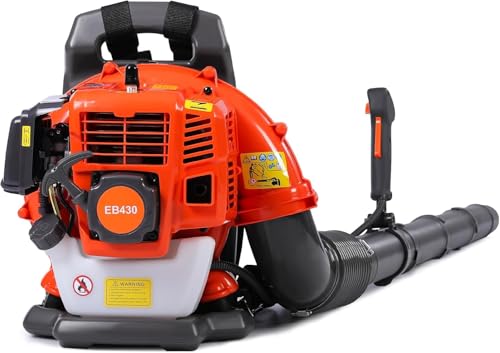
Gas wins for heavy wet leaves, wooded lots, and large yards where sustained high CFM matters more than noise. Electric wins for quiet suburban cleanup and routine weekly leaf control because it starts instantly, stores cleanly, and avoids fuel mixing. Choose by acreage, debris load, runtime tolerance, and noise ordinances.

Pros
- Cordless design removes the need for gas and produces zero emissions during use
- Shared Husqvarna 40V lithium-ion battery platform works across compatible handheld tools
- High blower output and cruise control make yard cleanup more efficient and less fatiguing
- Chainsaw features a brushless motor and tool-less tensioning for easier maintenance
Cons
- This is a premium two-tool bundle, so it may be more than some buyers need if they only want one tool
- Battery runtime and charging time are not provided in the raw product data
- An 18-inch chainsaw can be more tool than small pruning jobs require
Overview: The Husqvarna Power Axe 350i and Leaf Blaster 350iB combo pairs a cordless 18-inch chainsaw with a battery-powered leaf blower. It is built for homeowners who want a cleaner, quieter alternative to gas-powered yard tools.
Performance: The chainsaw uses an X-Cut chain, tool-less tensioning, and a brushless motor for efficient cutting and easier maintenance. The blower adds up to 200 MPH air speed, 800 CFM airflow, cruise control, and Power Boost mode for tougher debris.
Drawbacks: This is a premium bundle, so it may be more tool than occasional users need. The manufacturer listing does not list battery runtime, charging time, or total weight, which are important details for long sessions.
Verdict: Choose this set if you want a shared-battery Husqvarna solution for both cutting and cleanup. It fits users who value cordless convenience, low noise, and strong performance across two common outdoor jobs.
Pros
- Produces up to a rated 765 CFM of blowing power
- Variable-speed trigger offers customizable air delivery
- Includes a 56V 5.0Ah battery and matching charger
Cons
- High-output operation can significantly reduce runtime per charge
- 5.0Ah battery adds noticeable weight for single-handed work
Pros
- Offers up to a manufacturer-rated 700 CFM air volume
- Brushless motor ensures efficient power delivery
- Includes a 4.0Ah battery and rapid charger
Cons
- The 60V battery pack adds weight during extended handheld use
Pros
- Compatible with DEWALT 60V MAX FLEXVOLT battery platform
- Axial fan design engineered for efficient debris clearing
- Handheld cordless form factor allows easy mobility
Cons
- Bare tool only; battery and charger are not included
If you are deciding between a gas or electric leaf blower in 2026, the real answer depends less on brand loyalty and more on the work envelope: yard size, leaf density, moisture, surface type, local noise rules, and how long you need full-power airflow without stopping. Modern battery blowers have narrowed the performance gap dramatically, especially in 56V and 60V platforms, but gas still holds an advantage when you need continuous high-output clearing over large acreage.
For homeowners comparing cordless leaf blowers against traditional two-stroke or four-stroke gas machines, the key is understanding that “power” is not one number. CFM, MPH, nozzle design, battery watt-hours, engine displacement, decibel ratings, and runtime behavior all affect how the tool performs when leaves are wet, compacted, or embedded in turf.
Gas vs Electric Leaf Blower: The Short Answer
Choose a gas leaf blower if you have a large property, mature hardwood trees, long fall cleanup sessions, wet leaf mats, or commercial-style work where refueling in two minutes is more important than noise, fumes, and maintenance. Gas backpack blowers remain the strongest choice for sustained clearing on one-acre-plus properties and wooded lots.
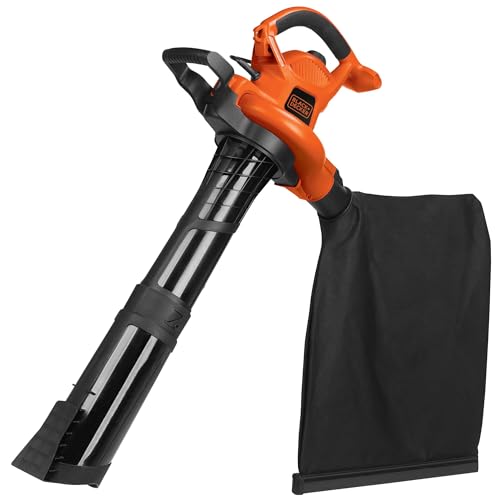
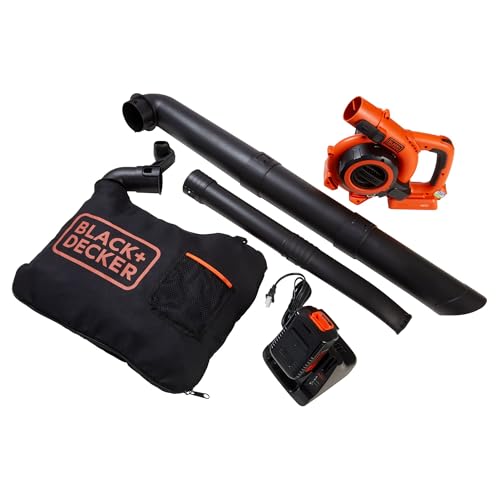
Choose an electric leaf blower, especially a modern 56V or 60V lithium-ion cordless model, if you want instant starting, low maintenance, quieter operation, no gasoline storage, and enough performance for suburban lawns, driveways, patios, decks, garages, and weekly leaf control. For most residential users under about half an acre, electric is now the more practical choice.
| Feature / Specification | Option A | Option B | The Operational Advantage |
|---|---|---|---|
| Airflow & Volume (CFM) | High CFM Rating | Moderate CFM | Higher volume moves larger mats of saturated wet leaves faster |
| Air Velocity (MPH) | Targeted High MPH | Standard MPH | High airspeed scours stubborn debris stuck to asphalt and turf |
| Decibel Level (Noise) | Residential Quiet | Commercial Standard | Lower decibels comply with local neighborhood noise restrictions |
| Maintenance & Storage | Push-Button Instant | Fuel Mixing Required | Lithium packs eliminate carburetor varnish and off-season winterization |
Core Specification Comparison: Gas 2-Stroke / 4-Stroke vs 56V / 60V Lithium-Ion
Engineering specifications indicate that the biggest differences between gas and electric blowers are not always obvious from the box label. Gas models are usually rated around engine displacement and airflow output, while battery models often emphasize voltage, peak CFM, and boost-mode MPH. Both categories can move leaves effectively, but they deliver power differently.
| Category | Gas Leaf Blower | Electric / Cordless Leaf Blower | What It Means in Real Use |
|---|---|---|---|
| Primary Power | 2-stroke or 4-stroke gasoline engine | 56V / 60V lithium-ion battery motor | Gas is better for continuous work; electric is better for instant convenience |
| Typical Air Velocity | 180 to 220 MPH | 140 to 200 MPH | Gas often has stronger scouring force; premium electric models are close |
| Typical Noise Level | 95 to 105 dB(A) | 65 to 75 dB(A) | Electric is much easier to live with in dense neighborhoods |
| Runtime | As long as fuel is available | Often 15 to 60 minutes depending on battery and power mode | Gas favors long fall sessions; electric favors short, frequent cleanup |
| Maintenance | Fuel mix, spark plug, air filter, carburetor care | Battery charging and storage management | Electric has far fewer service points |
| Emissions | Exhaust fumes at point of use | No tailpipe emissions at point of use | Electric is cleaner around patios, garages, and windows |
| Weight and Fatigue | Handheld gas can be tiring; backpack gas distributes load | Handheld battery tools vary by pack size | Backpack gas is best for long sessions; handheld electric is easiest for quick tasks |
This split is similar to the broader performance divide seen in stihl vs husqvarna outdoor equipment: gas platforms deliver strong sustained mechanical output, while newer electric platforms reduce maintenance, noise, and startup friction. The best choice is not ideological; it is operational.
Airflow Physics: CFM vs MPH Explained
Leaf blower marketing often causes confusion because manufacturers advertise both CFM and MPH. They are related, but they do different jobs. CFM, or cubic feet per minute, measures the volume of air moved. MPH measures air velocity. In simple terms, CFM is the size of the push, while MPH is the sharpness of the blast.
CFM: The Volume That Moves Leaf Piles
High CFM matters when you are moving a broad mass of leaves across a lawn. Dry maple leaves, oak leaves, pine needles, and mixed debris all require enough air volume to roll the pile forward. If the blower has low CFM, it may cut a narrow tunnel through the pile instead of moving the whole mass.
For large lawns, wooded lots, and curbside collection, CFM usually matters more than top MPH. A blower with strong volume can sweep a wider path and reduce walking passes. This is where gas backpack blowers still have a practical advantage: they can maintain high CFM continuously without battery voltage sag or thermal throttling.
MPH: The Velocity That Breaks Loose Stubborn Debris
Air velocity matters when debris is stuck to pavement, packed into grass, or glued down by moisture. A higher MPH nozzle can scour wet leaves from asphalt, clear pine needles from cracks, and dislodge compacted debris from landscape edging. This is why some blowers with modest CFM still feel aggressive when used on hard surfaces.
Gas handheld and backpack blowers commonly reach 180 to 220 MPH, while cordless electric models often fall between 140 to 200 MPH. Premium battery blowers can match many gas handheld machines in short bursts, especially in turbo mode, but sustained high-MPH operation drains batteries quickly.
The Ideal Balance
The best leaf blower is not necessarily the one with the highest CFM or the highest MPH alone. A balanced blower combines enough air volume to move piles with enough velocity to break loose wet or embedded debris. For heavy fall work, look for high CFM with a tapered nozzle option. For decks, garages, and driveways, moderate CFM with controlled velocity may be more comfortable and precise.
Wet Leaves and Large Yards: Where Gas Still Wins
When leaves are wet, their weight increases and they cling together in mats. Moisture also creates surface adhesion against pavement and turf. In those conditions, a gas blower’s combination of high air volume, high airspeed, and continuous runtime becomes a clear advantage.
Field runtime assessments demonstrate that battery blowers can clear wet leaves effectively, but heavy use of turbo mode shortens runtime. A homeowner with a small front yard may never notice. A homeowner with one acre, mature trees, and weekend-long cleanup will notice immediately.
Gas backpack blowers are especially strong in this category because the engine and fuel weight sit on your back instead of hanging from your wrist. That matters during 45-minute to two-hour cleanup sessions. The airflow tube can be aimed continuously while your shoulders carry the load.
If your yard cleanup also involves storm debris, fallen limbs, and brush piles, a gas blower often pairs naturally with gas chainsaws for yard clearing. The shared advantage is sustained output without waiting for a battery recharge.
Quiet Suburban Maintenance: Where Electric Wins
Electric blowers win the convenience category decisively. There is no choke, pull cord, priming bulb, stale fuel, spark plug fouling, exhaust odor, or carburetor varnish. You insert a battery, press a trigger, and start clearing. For many homeowners, that ease of use is more valuable than maximum airflow.
Modern cordless blowers are especially effective for routine maintenance: clearing sidewalks after mowing, removing leaves from mulch beds, cleaning patios, drying a washed car, clearing grass clippings from the driveway, and keeping garages free of dust and debris. These jobs rarely require a gas engine.
Electric models also encourage more frequent cleanup. Instead of waiting until leaves become a thick wet mat, you can clear them in short sessions throughout the week. That changes the workload. A 15-minute cordless cleanup every few days can prevent the kind of heavy debris accumulation that would otherwise require a gas backpack blower.
Runtime Reality: Battery Charge vs Gas Refueling
Runtime is one of the most misunderstood parts of the gas or electric leaf blower decision. Battery blower runtime depends heavily on battery capacity, motor efficiency, throttle setting, nozzle restriction, ambient temperature, and how often turbo mode is used. A blower advertised for long runtime may only achieve that number at low speed.
Electric Runtime
A 56V or 60V cordless blower may run for roughly 15 to 20 minutes under heavy turbo use, 25 to 40 minutes under mixed use, and longer under low-speed sweeping. Larger amp-hour batteries extend runtime but add weight. Two batteries can make a cordless setup far more practical for half-acre properties.
The battery math is straightforward: watt-hours determine the energy tank. A 56V 5.0Ah pack stores roughly 280 watt-hours. A 56V 7.5Ah pack stores roughly 420 watt-hours. Higher-capacity packs support longer work, but handheld comfort may decline because the tool becomes rear-heavy.
Gas Runtime
Gas runtime is simpler in the field: when the tank runs low, you refuel and continue. This is the key reason gas remains popular with landscapers and homeowners with large wooded properties. A gas blower can work all afternoon if you have fuel on hand.
The tradeoff is fuel management. Many two-stroke blowers require a 50:1 gas-to-oil mixture, meaning 50 parts gasoline to 1 part two-stroke oil. Using the wrong mix can cause poor lubrication, smoke, plug fouling, carbon buildup, or engine damage. Four-stroke blowers avoid premix but add crankcase oil maintenance.
Noise, Decibels, and Municipal Restrictions
Noise is not a minor issue with leaf blowers. Gas blowers commonly operate around 95 to 105 dB(A), while many electric models operate around 65 to 75 dB(A). Because the decibel scale is logarithmic, a 10 dB increase is generally perceived as roughly twice as loud to the human ear, depending on frequency and distance.
That means a gas blower is not just “a little louder.” It can be dramatically more disruptive, especially in neighborhoods where sound reflects off houses, fences, garages, and hardscape. Low-frequency components from gas engines can also carry farther than the higher-pitched whine of many electric blowers.
Many municipalities now restrict gas leaf blowers by season, time of day, decibel rating, or outright category. Before buying a gas blower, check your city or township rules. Some areas allow electric blowers but limit gas models because of noise and emissions complaints.
For occupational exposure context, noise safety guidance is covered under OSHA occupational noise exposure standards. Homeowners should still use hearing protection with either type, especially during extended blowing sessions or when operating near walls and fences.
Maintenance: Carburetors, Spark Plugs, Air Filters, and Batteries
Maintenance is where electric blowers deliver one of their strongest practical advantages. A cordless blower has far fewer service items. There is no fuel system, carburetor, spark plug, recoil starter, engine oil, or exhaust port to manage. Keeping the intake clear, storing the battery correctly, and avoiding impact damage are the main responsibilities.
Gas Leaf Blower Maintenance
- Use fresh fuel and the correct two-stroke oil ratio, commonly 50:1.
- Inspect and clean or replace the air filter regularly.
- Check spark plug condition and replace when fouled or worn.
- Drain or stabilize fuel before long-term storage.
- Prevent carburetor varnish by avoiding stale ethanol fuel.
- Inspect fuel lines, primer bulbs, and tank seals for cracking.
- Clean cooling fins and intake screens to prevent overheating.
The most common gas blower problems come from old fuel. Ethanol-blended gasoline absorbs moisture and can leave deposits in small carburetor passages. After off-season storage, a gas blower that ran perfectly in October may refuse to start in March if fuel was left untreated.
Electric Leaf Blower Maintenance
- Recharge batteries before they are fully depleted when possible.
- Store lithium-ion packs in a cool, dry area.
- Avoid leaving batteries in freezing sheds or hot vehicles.
- Keep battery terminals clean and dry.
- Use the manufacturer-approved charger.
- Let overheated packs cool before charging.
- Store packs partially charged for longer off-season periods if recommended by the manufacturer.
Lithium-ion storage is simple but not careless. Heat is the enemy of battery longevity. A battery left in a hot garage or direct sun may age faster. Cold temperatures can temporarily reduce output. For best results, store battery packs indoors when possible and avoid charging immediately after heavy turbo use until the pack cools.
Weight, Ergonomics, and User Fatigue
Weight alone does not tell the full comfort story. Balance, handle angle, vibration, harness design, trigger modulation, and nozzle reaction force all affect fatigue. A lightweight blower with poor balance can feel worse than a heavier blower with a better grip and airflow tube geometry.
Gas handheld blowers can feel nose-heavy or vibrate more due to engine operation. Gas backpack blowers reduce wrist fatigue by transferring weight to the shoulders and hips, making them better for long sessions. Cordless handheld blowers are easy to grab quickly, but large batteries can make them tail-heavy.
For older users, smaller homeowners, or anyone who values low strain, electric often feels easier. There is no pull-starting, no engine vibration at idle, and no hot muffler. For extended commercial-style work, however, a quality backpack gas blower can be less tiring than holding a heavy battery blower at arm’s length for an hour.
Cost of Ownership: Purchase Price vs Long-Term Expense
Initial price can be misleading. A bare-tool cordless blower may look inexpensive if you already own compatible batteries, but a full kit with a high-capacity battery and rapid charger can cost as much as or more than a gas handheld blower. Conversely, gas blowers require ongoing fuel, oil, spark plugs, filters, stabilizer, and occasional carburetor service.
If you already own a 56V or 60V battery ecosystem, an electric blower becomes much more attractive. Shared batteries across a mower, string trimmer, hedge trimmer, and blower reduce total ownership cost. If you have no batteries yet and need long fall cleanup sessions, a gas backpack blower may deliver more clearing capacity per dollar.
Environmental and Neighborhood Impact
Electric blowers have no exhaust emissions at the point of use, making them better for patios, enclosed courtyards, garages, and homes where open windows are nearby. They also reduce fuel storage hazards and eliminate spilled premix. Gas blowers, especially two-stroke models, produce exhaust and odor that can be unpleasant in tight residential spaces.
Noise pollution may be the bigger day-to-day issue. A loud blower can dominate a block, particularly on weekend mornings. Electric blowers are not silent, but their lower decibel output and lack of engine combustion noise make them more neighbor-friendly.
Best Choice by Yard Size
Small Urban Lot or Townhome
Choose electric. A corded blower may be enough if outlets are convenient, but cordless is more pleasant and safer around steps, vehicles, and landscaping. You do not need gas power for a patio, short driveway, small lawn, or sidewalk cleanup.
Typical Suburban Yard Under Half an Acre
Choose a quality cordless electric blower with a high-capacity battery. Look for strong CFM, variable speed control, and a turbo mode for occasional wet patches. If you already own compatible batteries, staying in that ecosystem makes the most sense.
Half Acre to One Acre with Mature Trees
This is the overlap zone. Electric can work well if you own multiple batteries and clean frequently before leaves become saturated. Gas becomes more attractive if you wait for major weekend cleanup sessions, have heavy oak leaves, or need to move debris long distances to the curb or woods.
One Acre or More, Wooded Property, or Heavy Wet Leaves
Choose gas, preferably a backpack blower. Sustained airflow matters more than convenience here. A large property with wet leaves can expose the limits of battery runtime quickly, especially if you rely on turbo mode for most of the job.
Best Choice by Task
| Task | Best Choice | Why |
|---|---|---|
| Dry leaves on driveway | Electric | Quick startup, good control, low noise |
| Wet leaves on turf | Gas | Higher sustained airflow and velocity |
| Patio and deck cleanup | Electric | No fumes, less noise, easier handling |
| Large wooded lot | Gas | Continuous runtime and strong CFM |
| Weekly suburban maintenance | Electric | Convenient enough to use often |
| Commercial landscaping route | Gas or pro-grade battery fleet | Gas is still simpler for all-day runtime unless a charging system is available |
| Noise-restricted neighborhood | Electric | Lower decibel output and better ordinance compatibility |
Corded Electric vs Cordless Electric
Electric leaf blowers split into corded and cordless categories. Corded models can deliver strong performance at a low price, and they never run out of battery. Their weakness is mobility. Extension cords snag on shrubs, limit range, create trip hazards, and become frustrating on larger properties.
Cordless models are the better all-around electric choice for most homeowners. They cost more, but they preserve the mobility advantage that makes leaf blowers useful in the first place. If you are choosing electric in 2026, a 56V or 60V cordless platform is usually the sweet spot for serious residential work.
Two-Stroke vs Four-Stroke Gas Blowers
Most traditional gas blowers use two-stroke engines because they are compact and power-dense. They typically require premixed gasoline and oil, often at a 50:1 ratio. They are strong, relatively light, and common in handheld and backpack formats.
Four-stroke gas blowers use separate engine oil, so they do not require fuel premixing. They may produce a different sound profile and can be appealing to users who dislike mixing oil and gasoline. However, they add oil-change maintenance and may be heavier depending on design.
If you choose gas and want maximum simplicity, consider whether you are more comfortable mixing fuel or maintaining crankcase oil. Either system can work well if maintained properly.
Common Myths About Gas or Electric Leaf Blowers
Myth 1: Electric Blowers Are Toys
This is outdated. Premium cordless blowers can rival or exceed many older gas handheld units in peak airflow. The limitation is not always peak power; it is how long the blower can maintain that power before the battery drains or heats up.
Myth 2: Gas Is Always Better
Gas is better for some workloads, not all workloads. For a small suburban property, gas can be louder, heavier, smellier, and more maintenance-intensive than necessary. A homeowner clearing a driveway twice a week will usually be happier with electric.
Myth 3: CFM Is the Only Number That Matters
CFM matters greatly, but velocity, nozzle design, and controllability also matter. High CFM with poor nozzle focus may struggle to lift stuck debris. High MPH with low CFM may scatter leaves without moving the pile efficiently.
Myth 4: Battery Runtime Ratings Are Universal
Runtime claims depend on settings. Low speed may produce long runtime but limited clearing force. Turbo mode may deliver impressive power but drain the battery quickly. Always evaluate battery capacity and real workload, not just the headline runtime number.
Pro Tips for Getting Better Leaf Blower Performance
- Clear leaves before rain whenever possible; dry leaves move dramatically faster.
- Use wide sweeping motions to roll piles instead of blasting straight into the center.
- Start from the farthest edge of the property and work toward your collection point.
- Use lower speed around mulch beds to avoid throwing bark and soil.
- Use a tapered nozzle for wet leaves and a wider nozzle for dry leaf volume.
- Wear hearing protection with gas and high-output electric blowers.
- Keep spare batteries warm in cold weather to preserve output.
- For gas models, use fresh fuel and avoid leaving untreated gasoline in the carburetor.
For homeowners integrating outdoor tools into broader property routines, scheduling and automation matter too. The same planning mindset used for smart home yard automation can help you time leaf cleanup before rain, coordinate mowing and blowing, and reduce the need for marathon weekend cleanup sessions.
When a Leaf Blower Is Not Enough
A blower is not a substitute for every yard-clearing tool. Heavy branches, storm limbs, and thick brush require cutting tools. If your fall cleanup includes downed limbs, a chainsaw and proper cutting workflow may matter as much as the blower. Keeping cutting equipment sharp is also critical, which is why a good chainsaw chain sharpener can be part of a complete yard-maintenance setup.
For leaves themselves, consider mulching with a mower when debris is light and dry. Mulching can return organic matter to the lawn and reduce the volume that must be blown or bagged. Use the blower for edges, beds, fences, and areas the mower cannot reach.
Buyer Recommendations: Which One Should You Buy?
Buy Gas If…
- You have one acre or more to maintain.
- Your property has mature trees that drop heavy leaf volume.
- You often clear wet leaves or compacted debris.
- You need 45 minutes or more of continuous high-power blowing.
- You prefer refueling quickly over charging batteries.
- Noise ordinances in your area still allow gas blowers.
- You are comfortable with fuel mixing and small-engine maintenance.
Buy Electric If…
- You have a small to medium suburban property.
- You value low noise and neighbor-friendly operation.
- You want push-button starting and minimal maintenance.
- You already own compatible 56V or 60V batteries.
- You mostly clear dry leaves, grass clippings, patios, and driveways.
- You prefer avoiding gasoline storage and exhaust fumes.
- Your municipality restricts gas-powered blowers.
Our Final Editorial Take on Gas Or Electric Leaf Blower
For raw sustained performance, especially with heavy wet leaves and large yards, gas still wins. A strong gas backpack blower can maintain high CFM and high velocity for long sessions, refuel quickly, and keep working when battery tools need charging.
For most homeowners, however, electric is the smarter everyday choice. A modern 56V or 60V cordless blower is quieter, easier to start, cleaner to store, simpler to maintain, and powerful enough for routine residential cleanup. If you maintain leaves frequently instead of waiting for deep wet accumulation, electric performance is more than adequate.
The practical recommendation is simple: choose gas for large, wooded, wet, long-duration cleanup; choose electric for quiet suburban maintenance, quick cleanup, low maintenance, and ease of use.
Gas and Electric Power Background
Gas blowers offer long runtime and strong airflow, while electric models trade some power for quieter, lighter operation. For general reading on safety guidance for outdoor power equipment, see American National Standards Institute (ANSI).