
Quick Answer: Choosing the Best Lawn For Your Yard
There is no single best lawn; the right choice depends on your climate, how you use the yard, and how much maintenance you want. The best grass type or lawn option is the one suited to your local conditions, sun exposure, and intended use, such as a durable turf for heavy foot traffic or a low-maintenance variety for a low-care…


Choosing the Right Grass for Your Climate
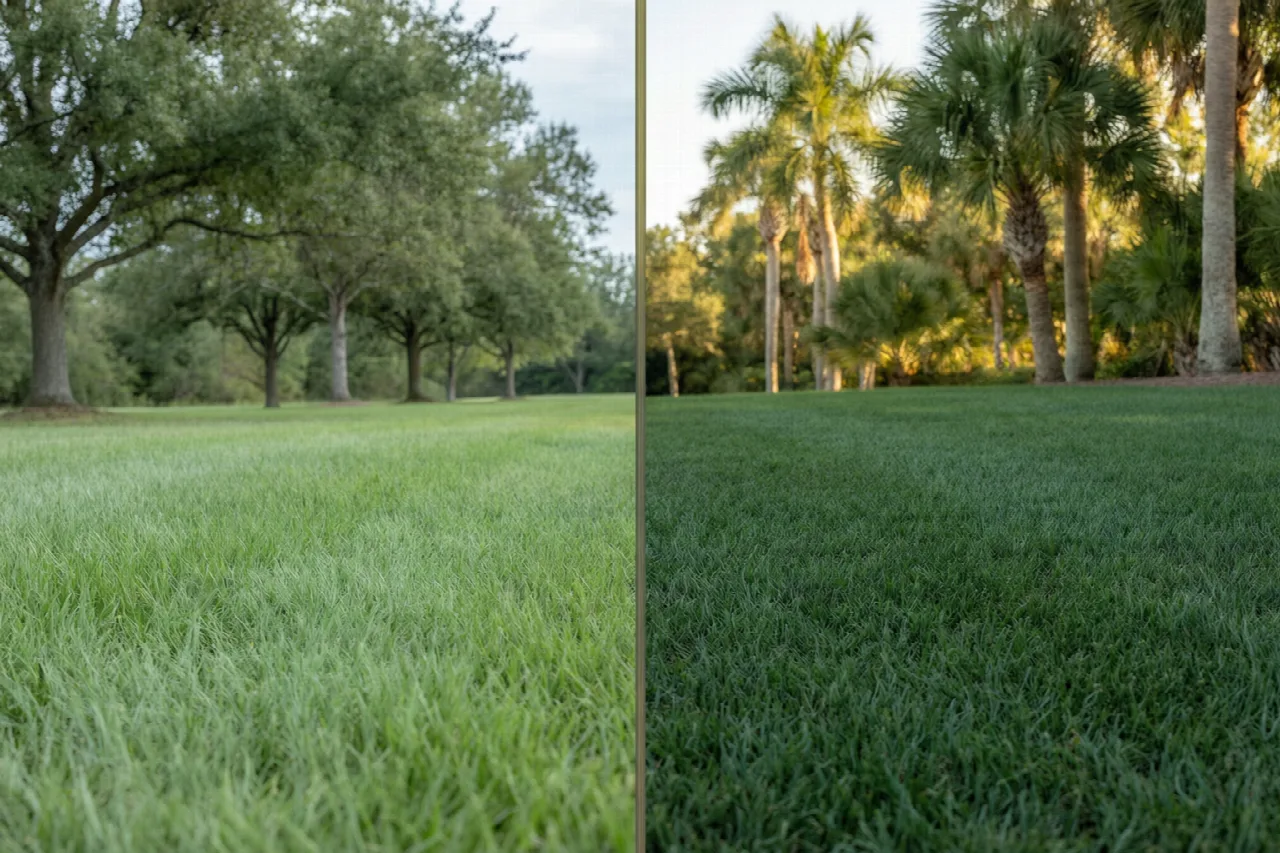
Climate is the primary factor in selecting grass that will thrive in your yard. Grass varieties fall into two main categories: cool-season grasses and warm-season grasses. Cool-season grasses, such as fescue, bluegrass, and ryegrass, grow most actively in spring and fall and perform best in northern regions with moderate temperatures. These grasses can tolerate frost and snow but may struggle during hot summers. Warm-season grasses, including bermuda, zoysia, and St. Augustine grass, thrive in southern regions with hot summers and mild winters. They enter dormancy in cooler months and turn brown during winter.
Beyond regional climate zones, local growing conditions matter significantly. Sun exposure determines which grass will perform well on your property. Cool-season and warm-season varieties each include shade-tolerant options, so if your yard has significant tree cover or is mostly shaded, select a grass type suited to shade within your climate region. Full-sun lawns require varieties bred for strong growth under direct light all day. Soil type and drainage also influence grass selection; some varieties tolerate clay soil better than others, while sandy soils may need grasses with deeper root systems. Readers comparing setup options can review our technical analysis on jbl partybox club 120 vs sony srs xv500.
Matching the Lawn to Your Yard’s Use
How your family uses the yard should guide your grass choice. High-traffic areas, such as play zones or pathways, need durable, wear-resistant varieties that recover quickly from foot traffic. Perennial ryegrass and Kentucky bluegrass are known for resilience in active yards. Conversely, if your yard sees light use or you prefer minimal lawn maintenance, slower-growing or lower-maintenance varieties may be more practical. Readers comparing setup options can review our technical analysis on jbl partybox club 120 vs sony srs xv500.
Drought tolerance is an important consideration in regions with water restrictions or long dry seasons. Warm-season grasses like bermuda and zoysia generally require less water than cool-season varieties, though drought-tolerant cool-season options exist. If water conservation is a priority, select a grass type bred for drought tolerance in your climate zone. Low-maintenance lawns also benefit from varieties that naturally resist common pests and diseases in your region, reducing the need for treatments. For complementary field maintenance guidelines, examine our breakdown of z890 vs x870e motherboard.
Considering Maintenance and Budget
Maintenance requirements vary widely among grass types and directly affect long-term costs. Some grasses need frequent mowing, regular fertilizing, and pest management, while others grow slowly and require less intervention. Cool-season grasses typically need more water and fertilizer but tolerate cooler climates well. Warm-season grasses often need less water but may require specialized equipment and timing for dormancy management.
Budget considerations include both establishment and ongoing care. Establishing a lawn from seed costs less upfront than using sod, but sod provides instant coverage and requires less time to mature. Seeding typically takes several weeks to months for grass to establish, while sod is ready for light use within days. Long-term maintenance costs depend on mowing frequency, fertilizer needs, pest control, and any seasonal treatments. Selecting a grass type suited to your climate and intended use reduces the need for corrective treatments and saves money over time. For complementary field maintenance guidelines, examine our breakdown of z890 vs x870e motherboard.
Establishing a New Lawn
Starting a new lawn begins with soil preparation. Test your soil to determine pH and nutrient levels, then amend as needed with compost or other organic matter to improve drainage and fertility. Proper grading ensures water drains away from structures and does not pool in low areas. Remove existing vegetation, rocks, and debris before planting.
Seed and sod are the two main methods for establishing grass. Seeding is cost-effective and gives you flexibility in selecting specific grass varieties, but requires consistent moisture and protection from foot traffic for 4 to 8 weeks while germination occurs. Sod provides immediate coverage and can handle light use within days, making it ideal for high-traffic areas or when you need a lawn quickly. Once established, follow the recommended mowing height and watering schedule for your grass type to promote healthy growth. To evaluate matched hardware tolerances, consult our detailed overview of marshall stanmore iii vs harman kardon onyx studio 8.
Caring for Your Lawn Throughout the Year
Seasonal care maintains lawn health and appearance. Mowing height affects grass health; cutting too short stresses the plant and invites weeds and disease. Each grass type has an ideal mowing height; maintaining that range supports dense, healthy growth. Cool-season grasses typically mow best at 2.5 to 3.5 inches, while warm-season varieties often do better at 1.5 to 2.5 inches.
Watering schedules depend on climate, soil type, and rainfall. Most lawns benefit from deep, infrequent watering rather than shallow daily watering, which encourages deeper root growth and drought resilience. Fertilizing timing varies by grass type: cool-season grasses benefit from fall feeding, while warm-season grasses respond to spring and summer applications. Weed management, pest control, and disease prevention are ongoing, but selecting a grass type suited to your conditions reduces these challenges. Aerating and overseeding in appropriate seasons rejuvenate existing lawns and fill in thin areas. When planning workspace deployment, consider the engineering criteria outlined in our dyson v8 cyclone vs bissell featherweight stick guide.
Common Questions on Best Lawn Answered
What is the most popular grass type for home lawns? In the United States, Kentucky bluegrass is widely used in northern regions, while bermuda and zoysia are popular in the South. Regional popularity reflects climate suitability rather than universal preference.
How long does it take for a new lawn to establish? Seeded lawns typically establish within 4 to 8 weeks, depending on grass type, temperature, and moisture. Sodded lawns are ready for light use within days but benefit from reduced traffic for the first 2 to 3 weeks while roots establish in the soil. For additional operational safety benchmarks, see our published testing notes on bissell crosswave hydrosteam vs shark stainforce.
For more detailed testing breakdowns and top recommendations, check our in-depth guide to residential zero-turn lawn mower guide.
For more hands-on benchmarks and buying recommendations, consult our guides on heavy-duty chainsaw buyer guide, as well as high-CFM commercial leaf blower guide, as well as automated robotic lawn mower guide.
Mechanical safety standards, operational tolerances, and protective gear guidelines align with benchmark specifications established by the American National Standards Institute (ANSI).