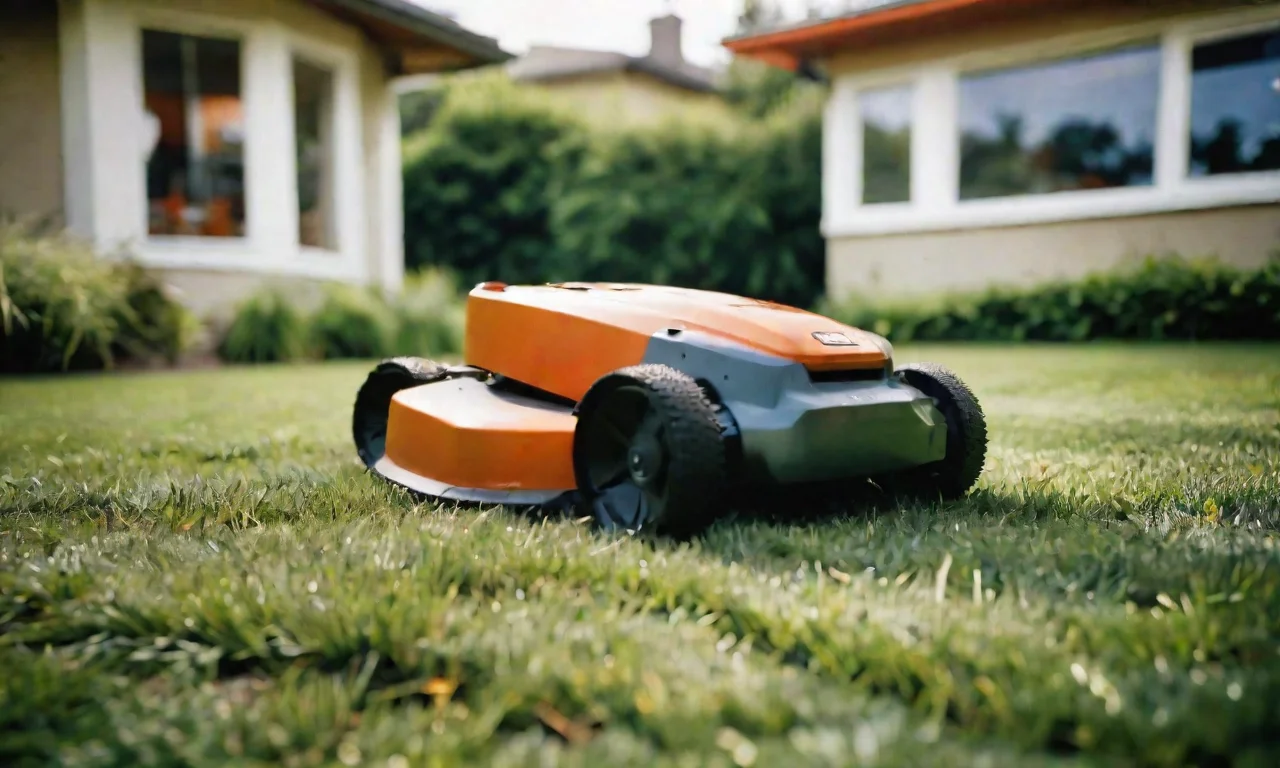
Quick Answer: Choosing the Best Robot Lawnmowers
When selecting the best robot lawnmowers in 2026, focus on coverage capacity matched to your lawn size, precision navigation systems such as RTK combined with vision cameras, maximum slope tolerance, cutting width and height range, and multi-zone app controls for customized scheduling.
Pros
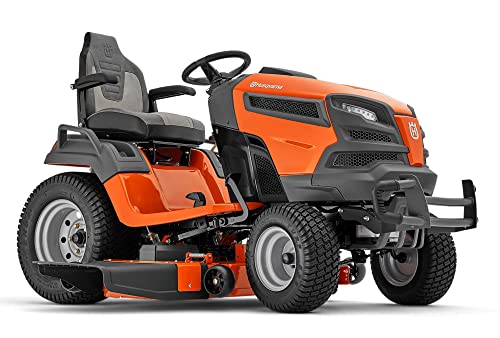
- Robust 24 HP engine for strong efficient performance on demanding jobs
- Large 54-inch versatile cutting deck with multiple positions for thorough coverage
- Hydrostatic transmission featuring electronic differential lock for smooth traction
- Comfort-focused design with high vinyl seat and overmolded steering wheel
- Rugged heavy-duty construction with protective bumper for long-term durability
Cons
- Large 54-inch deck and high power may reduce suitability for small or obstacle-filled yards
- Commercial-grade hydrostatic system can involve more specialized maintenance needs
- Limited detailed specifications such as dimensions or fuel capacity provided in data
Overview & Design: The Husqvarna Riding Lawn Mower is a robust riding lawn mower built with a heavy-duty frame alloy steel construction and brush guard-style bumper for front-end protection. Its overall design conveys rugged durability ideal for demanding outdoor use and immediate reliability.
Performance & Key Features: The 24 HP engine powers fast efficient mowing across tough terrains. The 54-inch ClearCut deck with multiple cutting positions delivers a perfect cut every time while the commercial-grade hydrostatic transmission with electronic differential lock provides smooth operation excellent traction and reduced lawn damage. Comfort is supported by the extra-high vinyl seat and deluxe overmolded steering wheel for an optimal driving experience.
Drawbacks & Considerations: The substantial size and power output of the 54-inch deck may limit maneuverability in tight spaces or smaller properties. Advanced transmission components could require specialized upkeep and certain metrics like exact weight or storage needs are not detailed in the available information.
Verdict: This mower delivers the most value to owners of large properties or those facing varied tough terrains who need reliable power cutting versatility and traction. It is recommended for users prioritizing performance comfort and rugged build quality in regular extensive lawn care.

Pros
- Powerful 24hp Kawasaki V-Twin engine handles demanding mowing conditions effectively
- Large 54-inch fabricated 3-blade deck enables faster coverage of big lawns
- Differential lock enhances grip and control on uneven surfaces
- Durable engineered components support long-term residential use
Cons
- Large size and deck width may reduce maneuverability in tight or small yard spaces
- Gas-powered design requires ongoing fuel and maintenance compared to electric options
- Sparse additional specifications limit insight into extras like height adjustments or attachments
The Husqvarna TS 375XD is a riding lawn mower engineered for substantial residential lawns, built around a strong frame with a focus on power and cutting width. Its primary design emphasizes durability through a fabricated deck and a commercial-leaning engine setup, creating an immediate impression of a capable tractor for regular heavy-duty mowing.
Performance centers on the 24hp 726cc FR Series Kawasaki V-Twin engine, which supplies consistent torque for thick grass and slopes, paired with the 54-inch 3-blade fabricated deck that delivers even cuts across wide areas. The differential lock adds practical value by boosting traction in real-world conditions like wet or uneven ground, helping maintain control without excessive wheel spin.
Drawbacks to consider include the overall bulk, which can make the machine less agile in confined spaces or smaller properties, along with the typical needs of a gas engine such as fueling and routine servicing. Limited further specifications mean buyers should verify fit for specific accessories or fine adjustments independently.
This mower offers the most value to homeowners with large open lawns who prioritize engine strength, wide coverage, and solid traction features for efficient seasonal maintenance.

Pros
- Strong 4WD traction and wide wheels handle 50° slopes and uneven ground reliably
- Versatile 21" deck with standard and mulching blades supports clean cuts plus efficient leaf collection
- Long-runtime LiFePO4 battery with fast charger provides extended coverage and durability
- Simple remote operation with no apps or RTK setup required for immediate use by all skill levels
- Multi-layer obstacle detection and safety stops make it suitable for family yards
Cons
- Requires continuous remote control rather than fully autonomous navigation
- Runtime of up to 2.25 hours applies under ideal conditions and may need recharges for denser or larger areas
- Optional accessories such as trailer hitch or FPV kit are needed for complete multi-season functionality
The Mowrator S1 is a robust 4WD remote control lawn mower engineered for all-season yard care. Its sturdy build with grip tread tires and compact agile design creates an immediate impression of durability and capability for challenging residential landscapes.
Performance stands out through the total 1000W 4WD drive and peak 1985.6W blade motor that spins up to 3200 RPM. The 21 inch cutting width, adjustable 1.5 to 4.3 inch height, and dual blades deliver clean mowing plus leaf shredding into the 70L bag. The 18Ah LiFePO4 battery supports up to 1.12 acres per charge while the low-latency remote enables precise zero-effort control on slopes up to 50 degrees.
Drawbacks include the need for active user remote operation instead of fully autonomous mowing and the possibility that denser grass or larger properties may require mid-job recharges. Some multi-season tools like the trailer hitch kit are available separately.
Overall the Mowrator S1 offers excellent value for homeowners with sloped, uneven, or multi-season yards who want powerful cutting, leaf management, and safe remote convenience without physical strain. It is especially suited for seniors or those prioritizing ease and family-friendly safety features.
Comprehensive Best Robot Lawnmowers Buyer’s Guide (2026)
Choosing among the available best robot lawnmowers requires matching technical capabilities to specific property needs rather than relying on brand popularity alone. Critical factors include the maximum mowing area, sensor fusion for reliable operation under trees or near structures, and power systems that sustain continuous cutting without frequent interruptions. The following criteria outline practical guidelines drawn from specification analysis of current models. Before finalizing equipment decisions, refer to our comprehensive robotic lawn mower rtk vs vision boundary wire comparison.
Lawn Coverage Capacity and Runtime
Match the stated maximum area of a robot lawnmower to your actual lawn square footage with a 20 percent buffer for complex layouts or thick grass. Models rated for 0.15 acre suit compact yards under 6500 square feet and typically complete cycles in 2 to 4 hours before self-returning to charge, while units designed for 1 to 1.5 acres incorporate larger batteries and efficient path planning to cover extensive grounds without overnight delays. For properties exceeding 5 acres, prioritize modular or dual-motor designs that maintain consistent speed across multi-zone setups. Runtime efficiency improves when the unit features automatic resume after charging, reducing total ownership effort for medium to large residential lots.
Navigation Technology and Mapping
Modern best robot lawnmowers eliminate perimeter wires through RTK positioning fused with vision cameras or multi-sensor arrays that achieve centimeter-level accuracy even under canopy cover. Dual or multi-camera systems with AI algorithms enable automatic boundary recognition and map creation in under 15 minutes via smartphone guidance, allowing users to define up to 30 separate zones and no-go areas without physical markers. Units combining full-band RTK with binocular vision or 360-degree sensors maintain reliable paths in GPS-challenged spots near buildings. Explore how these systems compare in broader categories of AI mowers that emphasize real-time environmental adaptation for complex gardens.
Slope Handling and Terrain Capability
Evaluate maximum gradient ratings carefully, as residential yards frequently include inclines of 20 to 40 percent. Entry-level options handle 35 to 45 percent slopes with standard wheeled traction, while advanced all-wheel-drive models equipped with dual suspension and multi-terrain tracks manage up to 84 percent (approximately 40 degrees) and cross obstacles of 2.8 inches. Look for deep-tread wheels or skid shoes that prevent slippage on wet or uneven surfaces. Selecting a unit with proven climbing capacity ensures complete coverage without stranding on hills common in many suburban properties. For broader ecosystem context, read through our operational guide on roborock rockmow x120h vs mammotion yuka mini 2.
Cutting System Performance
Effective cutting relies on motor power, blade configuration, and adjustable height ranges that produce an even finish across grass types. Dual-motor systems delivering 180W or 300W total output with 12 free-rotating blades and cutting widths near 17 inches process dense or damp growth efficiently while minimizing clippings buildup. Height adjustment from 0.75 to 4.0 inches accommodates seasonal growth and preferred lawn appearance. Edge-sensing technology that reduces uncut margins below 2 inches further limits the need for secondary trimming tools.
Obstacle Avoidance, Safety, and App Controls
Superior avoidance systems identify over 150 to 1000 common garden objects using wide-angle cameras and AI, maintaining safe distances from pets, toys, and wildlife while supporting emergency braking. Operating noise levels at or below 58 dB keep operation discreet. App platforms enable multi-zone scheduling, real-time monitoring, virtual boundary edits, and integration with voice assistants. Accessory shelters with waterproof frames extend equipment life by protecting charging stations from weather. For complementary perspectives on automated cutting equipment, review details around lawn mowing robot setups.
| Model | Max Coverage | Max Slope | Key Navigation |
|---|---|---|---|
| ANTHBOT M5 | 0.15 Acre | 45% | Dual Vision + Full-Band RTK |
| Segway Navimow X430 | 1 Acre | 84% | EFLS RTK + 360° Vision |
| ECOVACS Goat O1000 RTK | 0.25 Acre | 45% | RTK + AIVI 3D |
Criteria Behind the Robot Lawnmower Shortlist
This shortlist of robot lawnmowers rests on coverage, slope and key navigation figures that makers publish, along with listing details on Amazon. The selection draws only on those documented values and the product descriptions attached to them.
The comparison table lines up model, maximum coverage, maximum slope and key navigation in a single layout. Readers can match those columns to their property before opening the product page. For a related head-to-head comparison, see ecovacs goat o1000 vs worx landroid s.
The Bottom Line on Robot Lawnmower in 2026
After systematic comparison of technical data across the full set of top-rated entries, clear leaders emerge for different buyer priorities in the best robot lawnmowers category. These selections emphasize verified specs for coverage, terrain handling, and automation features that minimize manual oversight.
Best Overall Best Robot Lawnmowers: Segway Navimow X430 Robot Lawn Mower stands out for its ORV-tuned all-wheel drive, 84% slope capability, dual 180W motors, 17-inch cutting width with EdgeSense, and EFLS tri-frequency Network RTK paired with 360° Vision for centimeter accuracy. The zero-turn design prevents turf damage while one-tap auto mapping and voice control integration deliver hands-free operation suited to most mid-sized complex yards up to 1 acre.
Best Value / Budget Choice: LawnMaster OcuMow VBRM601YCM MAX provides solid optical navigation, ultrasonic obstacle avoidance for objects as small as 6 inches, 35% slope climbing, and drop-and-mow simplicity for 2000-3500 square feet lawns without requiring apps or permanent wiring. Its included battery, magnetic strips, and low noise make it accessible for smaller properties seeking basic automation. Best for Large or Premium Properties: YARBO Robot Lawn Mower Pro supports up to 6 acres with modular design, 300W dual motors, 0.8-4.0 inch cutting height options, triple-fusion navigation (RTK-GPS + binocular vision), and multi-terrain tracks handling 70% gradients. This configuration suits expansive or commercial-style grounds requiring robust continuous performance. For further reading on intelligent alternatives, see insights into AI lawn mower technology.
Everything You Need to Know: Best Robot Lawnmowers FAQ
What lawn size is ideal for most best robot lawnmowers?
Most residential best robot lawnmowers perform optimally on lawns between 0.15 and 1.5 acres, with smaller optical models covering 2000-3500 square feet efficiently and RTK-equipped units scaling to full-acre properties. Always select a capacity 20 percent above measured area to account for obstacles and multi-zone travel paths.
How do wire-free robot lawnmowers create accurate maps?
Wire-free models use RTK satellite positioning combined with AI vision cameras to automatically detect grass boundaries and generate virtual maps in as little as 10 minutes through app-guided or fully autonomous scanning. Users then refine zones and no-go areas digitally for precise path planning without physical cables.
What is the maximum slope best robot lawnmowers can typically handle?
Standard models manage 35-45% gradients using deep-tread wheels, while premium all-wheel-drive versions with dual suspension and tracks climb up to 84% (40 degrees) and clear 2.8-inch obstacles. Matching slope rating to your terrain prevents operational failures on hills.
How often do blades need replacement on robot lawnmowers?
Blade sets generally last several months under regular use depending on grass density and acreage, with many packages including 5 to 36 spare blades plus easy-swap designs. Multi-blade free-rotating systems distribute wear and maintain cut quality longer than single-blade alternatives.
Are best robot lawnmowers safe around pets and children?
Yes, advanced units employ AI cameras that identify over 150-1000 object types including animals, combined with ultrasonic sensors, emergency braking, and lift alerts for high safety. Operating noise under 58 dB further reduces disturbance, and protective garages available as accessories shield units during idle periods. Full category details appear on the main robotic lawn mowers overview page.
Robot Lawnmower Shopping Background
Roundups of robot lawnmowers help shoppers narrow options, but every buyer should also consider safety basics. Read the manual before setup, and keep fingers clear of the blade area during maintenance. Those who want a neutral overview of outdoor power equipment safety can start with the American National Standards Institute (ANSI).