The Best Time to Mow Your Lawn
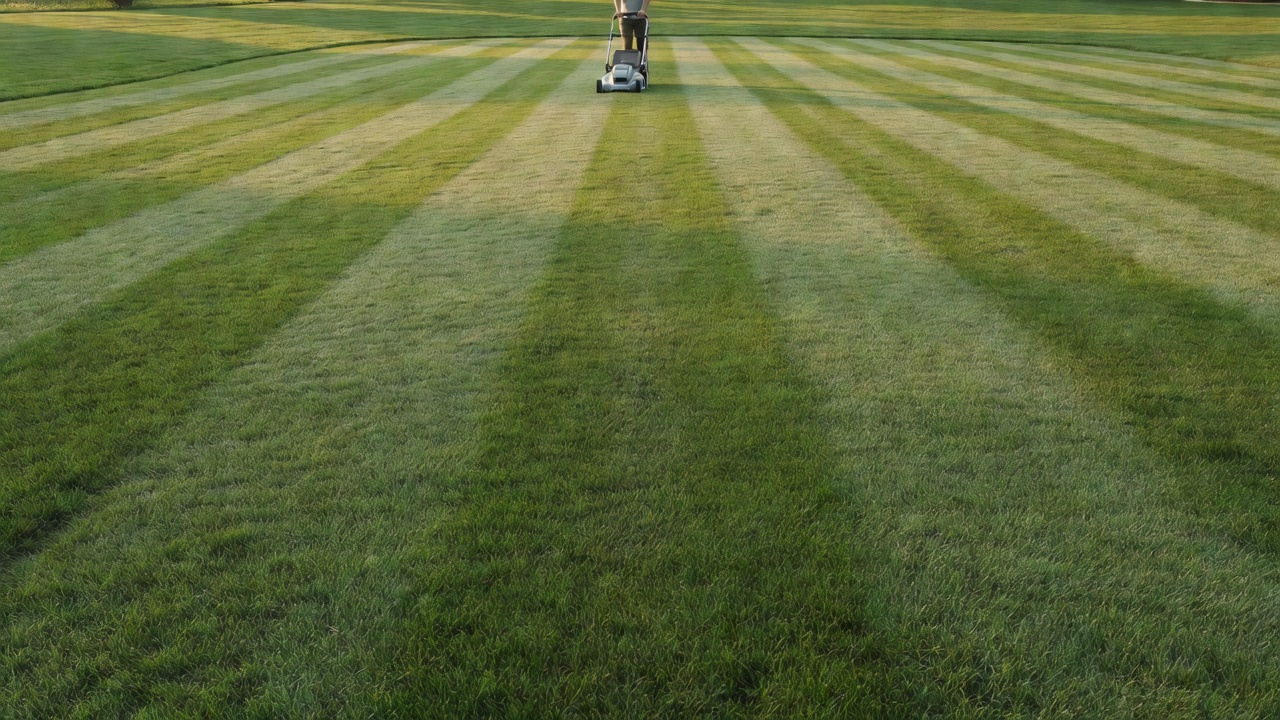
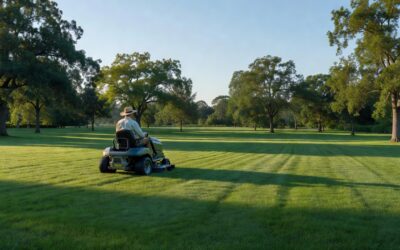
The best time to mow is mid-morning (between 8 AM and 10 AM) or late afternoon (after 4 PM). This timing avoids early morning dew, which can cause clumping and disease, midday heat that stresses the grass, and evening moisture that prevents proper recovery.
Choosing the right window for lawn mowing is not merely a matter of convenience; it is a critical component of turfgrass management. Mowing at the wrong time can lead to scalping, increased susceptibility to fungal diseases, and unnecessary stress on the plant. By aligning your mowing schedule with the natural rhythms of grass growth and environmental conditions, you ensure a lush, resilient, and visually appealing lawn.
Why Timing Matters for Grass Health
Grass is a living organism that responds dynamically to its environment. The act of mowing removes a portion of the leaf blade, which is the primary site for photosynthesis. This removal creates an open wound on the plant, triggering a stress response. How the grass handles this stress depends heavily on the conditions present at the time of cutting.
How Does Mowing Time Affect Grass Stress Levels?
When you mow, you temporarily reduce the grass’s ability to produce energy. If this occurs during periods of high environmental stress, such as extreme heat or drought, the grass may struggle to recover. The plant must divert energy from root growth and storage to repair the leaf blades. Mowing during optimal times minimizes this energy diversion, allowing the grass to maintain its vigor and density.
Furthermore, the moisture content of the grass blades plays a significant role. Wet grass is heavier and more prone to tearing rather than clean cutting. Torn blades heal slower and provide entry points for pathogens. Dry grass, cut by sharp blades, heals quickly and maintains its structural integrity.
Why Is Avoiding Heat Stress Important for Lawn Maintenance?
Heat stress occurs when the temperature rises to a point where the grass loses water through transpiration faster than it can absorb it from the soil. During peak heat hours, typically between 11 AM and 3 PM, the grass is already under significant physiological strain. Adding the trauma of mowing during this period can push the plant beyond its tolerance limits, leading to browning, wilting, and even dormancy or death in severe cases.
Avoiding heat stress ensures that the grass remains hydrated and capable of performing essential metabolic functions. It also protects the homeowner from heat exhaustion, making the task of lawn maintenance safer and more comfortable.
The Ideal Window: Mid-Morning Mowing
For most homeowners, the period between 8 AM and 10 AM represents the gold standard for lawn mowing. This window offers a unique balance of environmental factors that favor both the efficiency of the task and the health of the turf.
Why Is Mid-Morning the Best Time to Mow for Most Homeowners?
By 8 AM, the sun has usually risen high enough to evaporate the overnight dew, but the ambient temperature has not yet reached its daily peak. This means the grass blades are dry, allowing for a clean cut, while the air is still cool enough to prevent heat stress on the plant. Additionally, mowing in the morning gives the grass the entire day to recover. The cut ends have several hours of daylight to begin the healing process before nightfall, reducing the risk of fungal infections that thrive in dark, moist environments.
From a practical standpoint, mid-morning mowing fits well into typical work schedules. It allows homeowners to complete the task before the heat of the day sets in, leaving the rest of the day free for other activities. It also avoids the noise restrictions that often apply in early morning or late evening hours in many residential communities.
How Does Morning Dew Impact Mowing Efficiency?
Morning dew is a layer of moisture that condenses on grass blades overnight. While it looks picturesque, it poses several challenges for mowing. Wet grass clumps together, clogging the mower deck and discharge chute. This leads to uneven cuts and requires frequent stopping to clear the machine. More importantly, wet grass does not stand upright, making it difficult for the mower blades to cut evenly. This can result in a ragged appearance and missed patches.
Furthermore, mowing wet grass spreads moisture across the lawn, creating an ideal environment for fungal spores to germinate and spread. Diseases such as brown patch and dollar spot thrive in damp conditions. By waiting until the dew has evaporated, typically by mid-morning, you significantly reduce the risk of introducing or exacerbating these issues.
Alternative Option: Late Afternoon Mowing
If morning mowing is not feasible due to work commitments or other obligations, late afternoon presents a viable alternative. Mowing after 4 PM allows the grass to avoid the intense heat of midday while still providing sufficient time for recovery before nightfall.
Is It Safe to Mow the Lawn in the Late Afternoon?
Yes, mowing in the late afternoon is generally safe for the lawn, provided certain conditions are met. The key is to ensure that the grass has dried out from any afternoon rain or irrigation. If the grass is wet, it is better to wait until the next day. Assuming the grass is dry, mowing after 4 PM allows the plant to recover during the cooler evening hours. The reduced sunlight intensity means less evaporation, so the grass retains more moisture, aiding in the healing process.
However, it is crucial to finish mowing early enough so that the grass has at least two hours of daylight left. This allows the cut blades to dry out slightly before dew forms again in the evening. Mowing too late, such as after 7 PM, can leave the grass wet overnight, increasing the risk of disease.
What Are the Advantages of Mowing After 4 PM?
One major advantage of late afternoon mowing is the cooler temperature, which is more comfortable for the person mowing. It also avoids the potential for heat stress on the grass, which is still a risk in the early afternoon. For warm-season grasses, which thrive in heat but still suffer from extreme midday temperatures, late afternoon mowing can be particularly beneficial. It allows the grass to utilize the remaining daylight for photosynthesis without the burden of excessive heat.
Additionally, late afternoon mowing can help manage weed growth. Many weeds are more active in the cooler parts of the day, and removing their seed heads or leaves during this time can disrupt their life cycle. However, this benefit is secondary to the primary goal of maintaining turf health.
Times to Avoid: Early Morning, Midday, and Evening
While mid-morning and late afternoon are optimal, there are specific times when mowing should be strictly avoided. Understanding why these times are detrimental can help you plan your lawn care schedule more effectively.
Why Should You Avoid Mowing When the Grass Is Wet?
Mowing wet grass is one of the most common mistakes homeowners make. As mentioned earlier, wet grass clumps, clogs mowers, and cuts unevenly. But the risks go beyond mere inconvenience. Wet grass blades are more flexible and tend to bend rather than stand upright, leading to scalping if the mower deck is set too low. Scalping removes too much of the leaf blade, exposing the soil and weakening the root system.
Moreover, wet conditions facilitate the spread of disease. Fungal spores are easily transported on wet grass clippings and can infect healthy blades through the fresh cuts. This can lead to widespread lawn diseases that are difficult and expensive to treat. Always wait until the grass is completely dry before mowing.
What Are the Risks of Mowing During Peak Heat Hours?
Mowing during peak heat hours, typically between 11 AM and 3 PM, exposes the grass to maximum stress. At this time, the sun is at its highest point, and temperatures are at their peak. The grass is already working hard to cool itself through transpiration. Mowing adds additional stress by removing the leaves that facilitate this cooling process. This can lead to rapid moisture loss, wilting, and browning.
For the homeowner, mowing in peak heat is also hazardous. It increases the risk of heat exhaustion, dehydration, and sunburn. The combination of physical exertion and high temperatures can be dangerous, especially for those with underlying health conditions. It is always safer and healthier for both the lawn and the person to avoid mowing during these hours.
Why Is Evening Mowing Discouraged for Lawn Health?
Evening mowing, particularly after sunset, is discouraged because it leaves the grass wet and vulnerable overnight. Without sunlight to help dry the cut blades, moisture accumulates, creating a perfect breeding ground for fungi and bacteria. The lack of airflow and light during the night further exacerbates this issue.
Additionally, mowing in the dark or low light can lead to accidents. It is difficult to see obstacles, uneven terrain, or debris, increasing the risk of injury or damage to the mower. Noise ordinances in many neighborhoods also prohibit mowing in the evening, making it an impractical choice for many homeowners.
Seasonal and Grass Type Considerations
While the general rules of mid-morning and late afternoon apply to most situations, there are nuances based on the season and the type of grass in your lawn. Understanding these variations can help you fine-tune your mowing schedule for optimal results.
Does the Best Time to Mow Change Between Spring, Summer, and Fall?
Spring: In spring, grass is emerging from dormancy and growing rapidly. Dew tends to linger longer due to cooler nights. Therefore, it may be necessary to wait until later in the morning, perhaps 9 AM or 10 AM, to ensure the grass is fully dry. Spring is also a time for gradual height adjustment, so mowing frequency may increase, but timing remains critical to avoid stressing the new growth.
Summer: Summer brings the highest temperatures and the greatest risk of heat stress. Mid-morning mowing is ideal, but if temperatures are extreme, shifting to late afternoon (after 5 PM) may be better to avoid the peak heat. Ensure the grass is well-watered, but allow it to dry before mowing. Drought-stressed grass should be mowed higher and less frequently to reduce stress.
Fall: In fall, temperatures cool, and dew returns. Similar to spring, waiting for the dew to evaporate is crucial. However, days are shorter, so late afternoon mowing must be done earlier to ensure sufficient daylight for recovery. Fall is also a time for preparing the lawn for winter, so proper mowing height and timing are essential for root development.
Are There Different Mowing Times for Cool-Season Versus Warm-Season Grasses?
Cool-Season Grasses: Grasses such as Kentucky Bluegrass, Fescue, and Ryegrass thrive in cooler temperatures. They are most active in spring and fall. For these grasses, mid-morning mowing is ideal year-round, but extra care should be taken in summer to avoid heat stress. Mowing during the hottest part of the day can severely damage cool-season grasses, which are not adapted to high temperatures.
Warm-Season Grasses: Grasses such as Bermuda, Zoysia, and St. Augustine thrive in heat. They are most active in summer. While they are more tolerant of high temperatures, they still benefit from mid-morning or late afternoon mowing to avoid the extreme peak heat. In winter, these grasses go dormant, and mowing is rarely needed. If mowing is required, it should be done on dry, mild days.
| Factor | Mid-Morning (8-10 AM) | Late Afternoon (4-6 PM) | Midday (11 AM-3 PM) | Early Morning/Evening |
|---|---|---|---|---|
| Dew/Moisture | Low (Dew evaporated) | Low (If dry) | Low | High (Risk of disease) |
| Heat Stress | Low | Low to Moderate | High | Low |
| Recovery Time | High (Full day) | Moderate (Few hours) | Moderate | Low (Overnight moisture) |
| Homeowner Comfort | High | High | Low | Moderate |
Frequently Asked Questions
Can I mow my lawn if it rained earlier in the day?
It is best to wait until the grass is completely dry. Mowing wet grass can lead to clumping, uneven cuts, and increased risk of disease. If the rain was light and the sun is out, you may need to wait a few hours. If the rain was heavy, it may be necessary to wait until the next day. Always check the moisture level of the grass before starting.
How often should I mow my lawn?
The frequency of mowing depends on the type of grass, the season, and the desired height. A general rule is to never remove more than one-third of the grass blade in a single mowing. For most lawns, this means mowing once a week during the growing season. However, during peak growth periods in spring, you may need to mow twice a week. Adjust your schedule based on the growth rate of your specific grass type.
Is it better to mulch or bag grass clippings?
Mulching, or leaving the clippings on the lawn, is generally recommended. Grass clippings decompose quickly and return valuable nutrients, such as nitrogen, to the soil. This can reduce the need for fertilizer. However, if the grass is too long or wet, clippings may clump and smother the lawn. In these cases, bagging or raking the clippings is necessary to maintain lawn health.
What happens if I mow my lawn too short?
Mowing too short, known as scalping, weakens the grass by removing too much of the leaf blade. This reduces the plant’s ability to photosynthesize and store energy. Scalped lawns are more susceptible to weeds, diseases, and drought stress. They also develop shallow root systems, making them less resilient. Always adhere to the recommended height for your specific grass type and never remove more than one-third of the blade at a time.