There is no universal best zero-turn lawn mower. The right machine matches deck size, power source, terrain capability, build, and comfort to your lawn size, obstacles, slopes, mowing frequency, and skill. A zero-turn shines on large, open yards where tight turning saves time. A lawn tractor, walk-behind, or robotic mower can be more practical on steep ground, tight storage, or small, landscaped lots. Use the criteria below to shortlist a class and spec range.
What “best” actually means for a zero-turn mower
Shoppers ask for the best zero-turn lawn mower because they want a clear winner. That request is understandable, but it treats a tool as if every yard, operator, and job were the same. “Best” here means best fit: the riding mower that covers your grass accurately, stays within your property’s limits, and is something you can store, maintain, and control without constant struggle.
The decision sits on a handful of axes you can actually measure or describe:
- Lawn size, shape, and how open the turf is between beds and trees
- Obstacles, gates, fences, and the tightest path the machine must travel
- Terrain, including slopes, wet spots, ruts, and drop-offs
- How often and how long you mow
- Residential, occasional use versus long, frequent, or commercial-style hours
- Gasoline versus battery power, and how you will refuel or recharge
- Storage space, trailering, and whether you can service the machine locally
- Seat comfort, controls, visibility, and your experience with lap-bar steering
No model is the default answer to those questions. Two neighbors with similar acreage can need different deck widths if one yard is a rectangle and the other is a maze of plantings. A machine that feels nimble on flat turf can be a poor match on a hillside. Treat “best” as a shortlist of machines in the same duty class and width range, then pick the one that matches the property you actually have.
What a zero-turn mower is and how it differs from a lawn tractor
A zero-turn mower, often shortened to ZTR, is a riding mower designed to pivot in a very tight space. On most designs, the rear wheels are driven independently. The operator changes each rear wheel’s speed and direction with lap bars or similar hand controls. The front wheels are typically caster wheels: they swivel freely instead of steering the machine the way a car’s front wheels do. When one rear wheel drives forward and the other slows, stops, or reverses, the mower can spin nearly in place.
A typical lawn tractor works more like a small vehicle. You steer with a wheel that turns the front tires, and the rear wheels follow. That layout is familiar if you already drive a car or garden tractor, but it needs a wider turning circle. Around a tree or flower bed, a tractor often leaves a scalloped uncut strip that you then have to clean up with another pass or a trimmer.
That steering difference changes everyday jobs. On open ground, a ZTR can stay close to edges, weave between posts, and reverse direction at the end of a pass with less wasted motion. Many machines use a hydrostatic transmission or a closely related hydraulic drive so wheel speed changes smoothly as you move the bars, rather than through a stepped gear lever. The same independence that makes the mower agile also changes how it behaves on hills and how much practice it takes to hold a straight line. Those trade-offs matter more than brochure language about “zero radius.”
Zero-turn does not automatically mean commercial, and a lawn tractor is not automatically “homeowner only.” Both categories include lighter residential machines and heavier frames built for longer days. The mechanical idea is the same across that range: independent rear-wheel drive plus casters for tight turns, versus front-wheel steering for a more conventional riding feel.
When a zero-turn is a good fit — and when another mower is more practical
A ZTR tends to earn its keep on larger, relatively open lawns where you spend real time in the seat. Trees, island beds, mailbox posts, and playground equipment reward a tight turning radius because you can follow the obstacle instead of leaving a halo of uncut grass. If you already mow a big, mostly flat yard and you dislike the extra cleanup a wide tractor turn creates, a zero-turn is often the category worth comparing.
Another type of mower can still be the more practical choice:
- Steep or broken ground. Many zero-turns are intended for flat to gently rolling turf. Slopes raise rollover and loss-of-control risk. A different riding layout, a walk-behind, or hiring the steep sections out can be the safer fit.
- Very small or heavily landscaped lots. If most of the job is trimming around beds, a compact walk-behind or a smaller rider may finish just as quickly without the bulk of a wide deck.
- Tight gates, sheds, and trailers. A machine that cannot enter the yard or the storage bay is not a time saver.
- Operators who want a steering wheel. Lap bars are learnable, but they are not the same skill as driving a lawn tractor. If several people will mow and only one wants to learn sticks, a tractor may get used more consistently.
- Mostly ornamental or irregular turf. Dense plantings, steps, retaining walls, and narrow paths reduce the open-area advantage that makes a ZTR fast.
Storage and transport belong in this first filter, not as an afterthought. Measure door openings, trailer ramps, and the path from the shed to the lawn. A compact homeowner ZTR and a wide commercial-style machine are both “zero-turns,” but they do not occupy the same footprint or ask the same things of the operator. Commercial or heavy-duty mowing usually means long hours, thicker grass, or more frequent use; residential mowing usually means a typical yard on a weekly or near-weekly rhythm. Those are duty descriptions, not badges. If your property is steep, densely wooded, or mostly beds and hardscape, another mower type can win on safety or convenience even if a ZTR looks faster on paper.
Match the machine to the lawn: size, shape, obstacles, and how often you mow
Cutting-deck width is the first spec most people notice, and it should follow the property rather than a slogan. A wider deck can cover open ground in fewer passes. A narrower deck is easier around trees, along fences, through gates, and into storage. The useful width is the one that fits your tightest opening with room to spare and still lets you see and control the deck edge next to landscaping.
Before you shop, walk the property with a tape measure and a notepad:
- Measure the narrowest gate, fence opening, sidewalk gap, and shed or garage door the mower must pass.
- Note how much of the lawn is truly open versus broken into strips, side yards, and courtyards.
- Mark trees, beds, play equipment, and posts that force a turn every few yards.
- Sketch slopes, wet corners, and drop-offs even if you plan to skip those areas with a rider.
Layout often matters more than raw area. A long, open backyard can use a wider deck productively. A similar amount of grass split by gardens and a narrow side gate may need a smaller deck so you are not constantly backing, lifting, or switching to a trimmer. Frequency matters in the same way. Someone who mows a large lawn often may value fewer passes and a more comfortable seat. Someone with a modest weekly job may prefer a machine that is easier to store and less punishing if it sits between uses.
There is no reliable formula that says a given acreage requires a given deck width. Grass growth, how short you cut, how wet the turf is, and how much time you want to spend all change the job. If you see illustrative width ranges in marketing, treat them as rough starting points, then let access, obstacles, and operator preference decide. It is better to finish a slightly narrower machine cleanly than to own a wide deck you cannot take through the gate or around the patio.
Discharge style is part of the same job match. Side discharge is common and simple on open turf. Mulching keeps clippings on the lawn when growth is moderate and you mow often enough that the deck is not burying itself. Bagging helps when you want a cleaner look, collect leaves, or cannot leave heavy clippings on the surface. Those options should follow what you actually do with clippings, not a ranking of accessories.
Power source, drivetrain, and what they change in daily use
Most zero-turn riders still use a gasoline engine. Battery-powered machines are also available and change the ownership rhythm more than they change the basic steering idea. Neither power source is universally better. The useful choice depends on how long a typical mowing session lasts, whether you can refuel or recharge where you store the mower, how much noise you want next to neighbors or early in the morning, and how you feel about on-board liquid fuel versus battery care.
Gasoline machines remain common when people want familiar refueling and the ability to keep mowing as long as they have fuel and a working engine. You plan around oil, filters, spark plugs, and seasonal fuel storage. Battery machines can be quieter and they avoid pouring gasoline in a shed. Useful runtime is not a single number. It depends on deck width, grass thickness and height, terrain, temperature, and the battery capacity of that specific machine. A large, wet, or overgrown lawn can shorten a charge more than a dry, regularly cut lot. If your sessions are long and you cannot pause to recharge or swap packs, that constraint belongs on the shortlist before brand preference does.
The drivetrain is what you feel in your hands. Independent rear-wheel drive, usually through a hydrostatic transmission or similar hydraulic drive, lets each lap bar set that side’s wheel speed. Push both bars forward to go straight; ease one back to turn; split them to spin. The feel should be smooth enough that small corrections do not jerk the deck across the turf. Stiff, vague, or overly sensitive bars make it harder to hold an edge and easier to scalp a turn.
Ownership tasks follow the design. Engines need fuel-system and seasonal care described in the operator manual. Batteries and chargers need clean, dry storage and the charging routine the manufacturer specifies; packs should not be opened or modified. Belts, idlers, and hydraulic components need inspection for wear, leaks, and debris, with service access that you can actually reach. Do not assume one power source is always cheaper, greener, or more reliable. Compare the job length you have, the charging or fuel access you have, and the service you can get locally.
Terrain, slopes, build quality, and residential versus heavier-duty use
Ground conditions decide whether a ZTR is appropriate at all. Many zero-turns are a poorer match for significant slopes than for flat or gently rolling turf. Independent rear drive and caster front wheels are excellent for pivoting on a level lawn. On a sidehill, the same layout can feel less planted, and a mistake is harder to correct. Wet grass, loose soil, ruts, and hidden holes add sliding and drop-off risk. If your property has real hills, retaining walls, creek banks, or steep driveway cuts, do not treat operator caution as a substitute for the right machine class. Follow the specific mower’s operator manual. If the yard is steeper than that guidance, choose another mower type or keep the rider off those faces.
There is no single “safe hill” percentage that applies to every zero-turn, and no article should invent one. Manufacturers set limits for a given machine. Local conditions—wet turf, thatch, gravel, and how you approach a slope—change the real risk. When in doubt, walk the steep parts or hire them out.
Build quality is easier to judge in person than in a slogan. Look at things you can see and service:
- Frame construction and how the deck hangs from it; welded, substantial structures generally tolerate more abuse than light stampings, but weight also affects storage and soft turf.
- Deck thickness and reinforcement as a relative toughness clue, not as a magic specification. A heavier deck can shrug off more debris; it also costs more to replace if it is damaged.
- Tire type and tread: more aggressive tread can help on uneven ground and may mark or tear a soft lawn; turf-oriented tires are kinder to the surface and may slip sooner on a slope or wet patch.
- Spindle and belt access, grease points, and whether you can reach filters and the underside of the deck without a shop lift.
- Local parts and a dealer or independent shop that will work on that platform. A well-built machine still becomes a problem if belts, blades, and electrical parts are hard to obtain.
Duty class should match hours and abuse, not ego. Residential mowing is occasional to regular home use on typical turf. Commercial or heavy-duty mowing is long days, frequent use, thicker growth, or hired work. Those categories overlap in appearance. A homeowner can buy more machine than the yard needs; a small landscape route can outgrow a light residential frame. Hour-life ratings and “commercial-grade” labels are only meaningful when they point to a defined standard or a warranty you can read. Without that, judge the frame, deck, cooling, and service network you can verify.
Comfort, controls, and the skill it takes to mow well
A zero-turn that fits the lawn still fails if the operator cannot sit in it for the full job or cannot place the deck accurately. Lap-bar or stick steering takes practice. New operators often weave when they mean to go straight, overshoot a bed, or cut a doughnut that scalps the turf. The machine is responding to small differences in hand position. That is a skill issue, not proof that the category is wrong, but it is a reason to budget time for a learning curve and to take a demo seriously.
Comfort features matter more as seat time grows. Seat support, a backrest that matches your height, and some isolation from vibration reduce fatigue that leads to sloppy steering late in the job. Easy deck-height adjustment matters every time grass height or conditions change. Controls should let you make small corrections without stretching or locking your elbows. If several people will mow, the “fit” has to work for more than one body size.
When you can sit in a machine or take a dealer demo, check:
- Whether you can see the front of the deck and at least one outer edge without leaning into an awkward posture
- Whether the lap bars fall naturally to hand and return to neutral in a predictable way
- Whether you can enter and leave the seat without fighting a bar or a low roofline on a trailer
- Whether the seat and steering let you hold a straight line at a walking-to-brisk pace on flat ground
- How you will change cutting height with gloves on
Visibility of the deck edge is how you avoid taking a bite out of a bed or a downspout. A test sit is not a lab score, and you do not need noise or vibration numbers to know whether you can reach the controls. If a demo on comparable turf is available, use it. Ten minutes of actual steering tells you more than a feature list.
Safety, skill, and whether a ZTR is appropriate for your property
Riding mowers can cause serious injury. The main risks are rollovers, thrown debris, blade contact, and loss of control. Zero-turns add a steering style that is less forgiving on slopes, drop-offs, retaining walls, and wet or loose ground. Caster wheels do not “hold” a line on a sidehill the way some operators expect. A rear wheel that loses traction can swing the machine in a direction you did not intend.
Property conditions that should make you pause include steep grades, banks above hard surfaces, ponds or ditches, loose fill, and any area where a tip or slide would send the rider downhill. Children, pets, and bystanders belong well away from the deck. Stones, wire, and toys become projectiles. Operator presence controls and other interlocks exist to stop blades or the engine when you leave the seat or take an unsafe action. Never disable them. Do not look for workarounds. If a safety system is faulty, the machine should be repaired before it is used.
Habits matter as much as specs:
- Read the operator manual for that machine, including slope and towing guidance, before the first cut.
- Wear closed, sturdy footwear and eye protection; avoid loose clothing that can catch controls.
- Clear the lawn of debris you can see, and assume you missed something.
- Keep bystanders and pets out of the discharge path and well beyond the mowing area.
- Do not carry passengers unless the machine is explicitly designed for that, which most ZTRs are not.
- Slow down before turns, wet spots, and edges. Speed is not the point of a zero-turn if it costs control.
- Store gasoline in approved containers, away from ignition sources, and follow the manual for fueling a hot or recently run engine.
- Charge and store batteries as the manufacturer instructs. Do not open, puncture, or modify packs.
Local rules, noise ordinances, and homeowners-association limits vary. Check those rather than assuming a nationwide standard. This article cannot assign legal or insurance responsibility for an injury. If the terrain or the operator’s experience makes a ZTR feel like a stretch, that is a valid reason to choose another mower type or to get qualified instruction from a dealer before you buy.
How to shortlist machines without crowning a winner
Turn the criteria above into a written brief you can take to a dealer, a rental counter, or a product page. The goal is to compare machines in the same duty class and deck-width range against your measured property, not against a universal ranking.
Gather this before you shop:
- Gate, path, and storage measurements, plus trailer or truck constraints if you will haul the mower
- A simple map of open turf versus obstacles, with slopes and wet areas marked
- How many hours you expect to sit in the seat in a busy growing month, even if that is only an estimate
- Gasoline versus battery constraints: fuel storage, charging location, and whether you can interrupt a long job
- Must-have job features: mulching, bagging, side discharge, or a collection system for leaves
- Who will operate the machine and whether they will accept lap-bar controls
When two machines look similar, compare fit instead of marketing claims. Same approximate deck width, same power-source type, same residential or heavier-duty intent. Then ask about service: who nearby stocks blades, belts, and batteries or engine parts; how you will get warranty work if that matters to you; whether a demo on real turf is possible. Warranties, hour ratings, and rebate numbers change and should come from the seller or the written policy, not from memory of an article.
A rental day on a comparable machine is one of the most useful filters available. You learn whether you can hold a line, whether the seat works for your back, and whether the deck width is clumsy in your side yard. If rental is not available, a dealer lot sit-in plus a careful walk of your gates and slopes is still better than choosing from photos alone.
Collection, mulching, and bagging should be matched to the job. They are not ranked accessories. If you rarely bag, do not let a kit drive the purchase. If you need to collect spring thatch or fall leaves, confirm the system fits the deck you are considering and that you can lift or empty it.
Ownership caveats: maintenance, storage, and when expectations go wrong
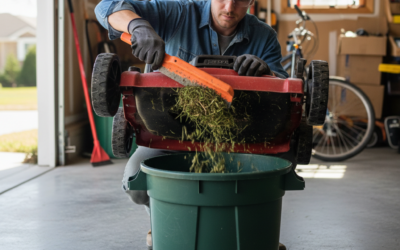
A well-matched zero-turn is still a machine with blades, a deck that packs with clippings, and either an engine or a battery pack that needs storage care. Blades should be inspected and sharpened on a regular rhythm you can keep; dull blades tear grass and make the mower work harder. The underside of the deck collects debris that can affect cut quality and, over time, the deck itself. Follow the operator manual for cleaning, lubrication, and off-season storage. Do not invent an oil type, interval, or battery cycle life that the manual does not give you.
Storage is a common place expectations go wrong. A ZTR that barely fits the shed will be left outside or will scrape a door frame every week. Tight landscaping, frequent trailering, or a long walk from storage to the lawn can erase the speed you gained with a wide deck. Plan the full path: start, mow, clean, put away.
A zero-turn also fails to save time when the yard is not the open, moderately flat job the category is good at. If you discover after purchase that the property is steeper, wetter, or more broken than you remembered, do not force the machine into those conditions. Step down to a narrower deck if access was the problem, keep the rider on the safe portions and use a walk-behind or a service on the rest, or change mower type. That is not a personal failure; it is the same fit logic this article started with.
Maintenance willingness belongs in the original shortlist. If you will not flip a deck or keep a charger in a dry place, choose a simpler setup or a shop relationship you will actually use. Build quality and local parts support affect ownership as much as any brochure feature. The sound outcome is not a trophy model. It is a zero-turn—or a decision that you do not need one—that matches the lawn, the slopes, the operator, and the way you are willing to care for the machine.