
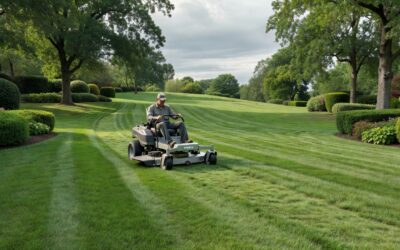
Is Toro a Good Zero-Turn Mower? Honest Verdict for Every Buyer Type
Yes — Toro is a reliable mid-to-premium zero-turn brand trusted across residential and light-to-full commercial use. The right model depends on acreage, weekly hours, and budget.
As an Amazon Associate we earn from qualifying purchases. When you buy through our links, we may earn a commission at no extra cost to you. Prices and availability are subject to change on Amazon. Affiliate disclosure ›
The Consumer Smart blog is where you will find in-depth smart product reviews, buying guides, and ownership advice. Each article examines durability, long-term value, and software support so you can make a confident purchase decision whether you are buying for the first time or replacing a device that has reached the end of its life.
Yes — Toro is a reliable mid-to-premium zero-turn brand trusted across residential and light-to-full commercial use. The right model depends on acreage, weekly hours, and budget.

Learn how to sharpen lawn mower blades safely with an angle grinder or bench grinder. This step-by-step guide covers blade removal, grinding technique, balance checking, and reinstallation to keep your mower cutting cleanly.
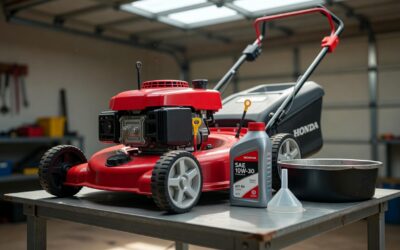
Most modern Honda walk-behind mowers use SAE 10W-30 as the factory-fill viscosity, with SAE 5W-30 recommended for cold climates. Learn how to verify your exact model's specification, understand viscosity grades, and avoid common mistakes that damage small engines.
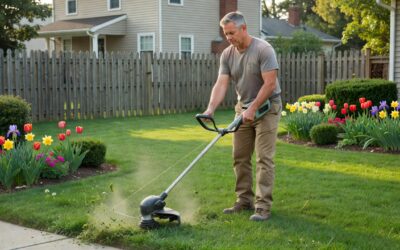
The best electric string trimmer balances runtime, cutting power, and mobility to match your yard size and existing tools. Learn how to compare corded and cordless models, decode key specifications, and avoid overpaying for features you won't use.

Choosing the right leaf blower depends on your yard size, debris type, and physical ability. This guide helps you select the perfect form factor and CFM rating for your specific needs.
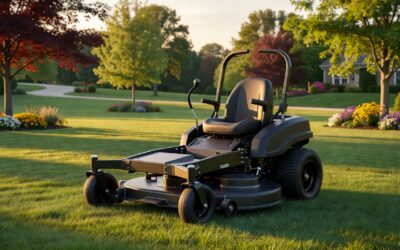
Finding the right residential zero turn mower depends on your yard size, budget, and performance needs. This guide breaks down the key factors—deck size, engine type, durability, and warranty—so you can match a mower to your property without overspending or underperforming.
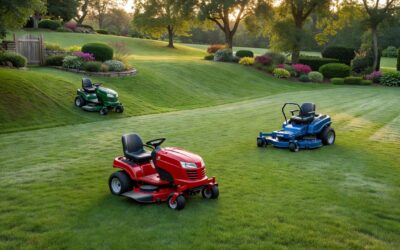
No single riding lawn mower fits every yard. This guide breaks down the three key variables — yard size, terrain, and budget — so you can match the right mower type (lawn tractor, zero-turn, or rear-engine) to your property. Includes a 30-second buying guide, spec comparison framework, brand reliability overview, and gas vs. electric trade-offs.
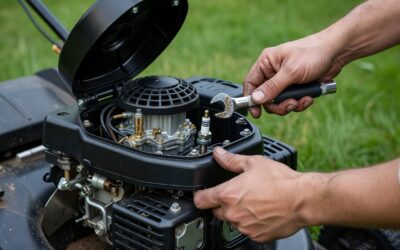
A lawn mower fails to start due to one of six root causes: stale or contaminated fuel, a fouled or dead spark plug, a clogged air filter, a dirty or gummed carburetor, a failed primer bulb or choke, or a tripped safety interlock switch. Work through each in that order—fuel first, spark second, air third, carburetor fourth, primer/choke fifth, safety switches last—and you will isolate and fix the fault in a single session without a technician.
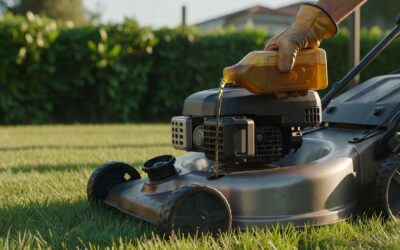
Most lawn mowers use 4-stroke engine oil in viscosity grades like SAE 30, 10W-30, or 5W-30, depending on your climate and engine type. Learn the critical difference between 4-stroke and 2-stroke engines, how to choose the right viscosity for your temperature range, what API ratings mean, and where to find your mower's exact oil requirements.

The best battery-powered weed wacker depends on your yard size, voltage tier, and existing battery ecosystem. For most homeowners with small-to-medium yards, a 40V brushless cordless string trimmer delivers the strongest balance of runtime, cutting power, and value. Larger yards or overgrown areas may require 56V+ models.