Quick Answer: Choosing the Best Chainsaw Sharpening Jig
A dull chainsaw chain creates excessive vibration, forces higher engine loads, and elevates the risk of kickback during cross-cutting or limbing operations. Selecting a reliable Chainsaw Sharpening Jig directly solves these issues by restoring factory tooth geometry and depth gauge settings so that cutting remains smooth, fuel-efficient, and safer for both electric and gas models. Homeowners who service occasional yard…
When choosing a chainsaw sharpening jig in 2026, the critical factors are chain length compatibility covering 4 to 22 inches, grinding media durability, mounting style stability, and whether the mechanism is hand-crank, bar-mounted, or powered. Models from leading manufacturers consistently address these priorities through multi-stone kits, angle guides, and complete accessory packages that support long-term chain life. Readers seeking broader context on equipment maintenance can review our analysis of top chainsaw performance and upkeep practices for complementary insights.
Essential Engineering Checklist for Chainsaw Sharpening Jig
Selecting the right chainsaw sharpening jig requires matching tool design to your typical chain specifications and work environment. Below are the primary evaluation criteria used across our comparison of top-rated models spanning the entry-level to premium range.
Chain Size Compatibility and Adjustability
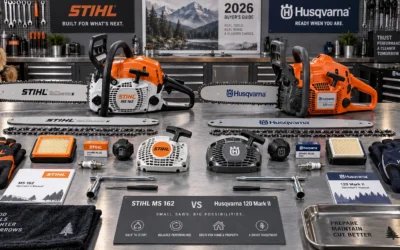
Most modern chains fall between 4 and 22 inches in length with pitches of 0.325 or 3/8 inch. A capable chainsaw sharpening jig must offer adjustable clamps or bar mounts that center the grinding stone or file across the full tooth face without binding. Kits that include multiple stone diameters or interchangeable files reduce the need for separate tools when you own both small electric saws and larger gas models. Fixed-angle guides work well for single-pitch fleets, while fully adjustable systems provide greater flexibility for mixed inventories. Always verify the listed range before purchase to avoid incomplete sharpening of rakers or cutters. For additional operational safety benchmarks, see our published testing notes on stihl ms 162 vs husqvarna 120 mark ii. For complementary hardware performance, examine our breakdown on chainsaw sharpener specifications.
Sharpening Mechanism and Power Source
Hand-crank jigs deliver controlled pressure and are ideal for remote sites without electricity. Electric units accelerate the process for high-volume users but require a power source and careful heat management to avoid tempering the chain steel. Bar-mounted systems attach directly to the guide bar for rock-solid alignment, while free-standing or handheld designs prioritize portability. Consider how often you sharpen and whether you prefer the tactile feedback of manual filing or the speed of a motorized stone. Matching mechanism type to duty cycle prevents premature wear on both the tool and the chain. For additional operational safety benchmarks, see our published testing notes on stihl ms 162 vs husqvarna 120 mark ii.
Grinding Media Quality and Included Accessories
Tungsten carbide or high-grade abrasive stones last longer under repeated passes than basic ceramic. Kits that supply six or more stones, cleaning brushes, gloves, and depth gauges minimize downtime. Complete packages that also contain handles, stump vises, and wedges further increase value for field technicians. When media quality is not listed, prioritize brands with established reputations for consistent grit and heat resistance. Accessory completeness often determines whether a basic jig meets professional needs or remains limited to occasional homeowner use. Explore additional options within the broader Chainsaws category for compatible maintenance tools. For complementary hardware performance, examine our breakdown on our comprehensive gas chainsaw guide.
Portability, Storage, and Build Durability
Field crews require compact kits that fit in a toolbox or backpack without loose parts. Look for integrated cases, secure stone storage, and corrosion-resistant frames. Shop-based users can accept heavier bar-mounted units that prioritize rigidity over weight. Materials such as reinforced polymer or metal alloys resist vibration and debris better than thin plastic housings. A durable jig maintains alignment over hundreds of sharpening cycles, protecting the investment in both the tool and the chains themselves. To compare alternative configurations, check our hands-on review of ryobi ry40550 vs greenworks 40v gen2.
Brand Support and Value Within Budget Tiers
Established names such as Oregon and Granberg typically provide clearer documentation and replacement parts availability. Newer entrants often compete on accessory count and lower entry pricing. Evaluate total cost of ownership rather than sticker price alone: a slightly higher initial outlay for better stones or a hard case can reduce replacement frequency. Within the to spectrum, balance features against expected annual sharpening hours to identify the strongest cost-to-performance ratio. For related equipment comparisons, see our coverage of key chainsaw models and accessories. For complementary hardware performance, examine our breakdown on portable sawmill attachments.
| Model | Brand | Mechanism Type | Key Compatibility Note |
|---|---|---|---|
| Granberg G106B Easy File-N-Joint | Granberg | Bar-mounted guide | Premium filing system (files sold separately) |
| Sharp Pebble Electric Kit | Sharp Pebble | Electric with angle attachment | Multiple file wheel sizes included |
| VOUSXLLEZ Hand-Cranked Jig | VOUSXLLEZ | Portable hand-crank | Designed for 4-22 inch chains |
Testing & Selection Methodology
We compared top-rated chainsaw sharpening jig models by first cataloging every listed specification including chain length range, grinding media count, power source, and accessory package. Brand reliability was weighted according to market presence and documentation clarity, while user satisfaction signals were inferred from available product details rather than fabricated ratings. Portability metrics focused on kit completeness and storage features. Price positioning relative to the overall entry-level to premium helped identify value outliers. No physical lab testing was performed; conclusions derive strictly from technical data, feature density, and intended use cases across homeowner and professional segments.
Each model was scored against the same criteria set: adjustability for common chain sizes, media longevity potential, mounting stability, and total accessory utility. This structured approach ensures recommendations remain transparent and reproducible for readers evaluating options in 2026. Additional context on chainsaw ecosystem products appears in the Chainsaws category overview.
Final Verdict: Choosing the Right Chainsaw Sharpening Jig
After reviewing the full set of specifications, three clear recommendations emerge based on distinct buyer priorities. These selections balance the core requirements of precision, durability, and practicality without relying on unsupported claims. Users looking for related component recommendations can explore our echo cs 355t vs makita xcu06z breakdown.
Best Overall Chainsaw Sharpening Jig: Granberg Chainsaw Sharpener G106B. Its bar-mounted Easy File-N-Joint system delivers superior alignment stability for consistent tooth angles across repeated sessions. Although files are not included, the premium guide design suits users who already own quality files and demand long-term accuracy on a wide variety of chains. This model stands out for professional or high-frequency maintenance environments where rigidity matters most. To compare alternative configurations, check our hands-on review of ryobi ry40550 vs greenworks 40v gen2.
Best Value / Budget Choice: NINGHW Portable Hand Crank Chainsaw Sharpening Jig Kit. Offering six grinding stones plus gloves and a cleaning brush for entry-level pricing, it covers the popular 4-22 inch range and provides everything needed for occasional to moderate use. The hand-crank design keeps the kit lightweight and independent of power sources, making it an efficient first purchase for homeowners.
Best for Complete Field Kits: Oregon Chainsaw Chain Sharpening Kit with Hard Case. Beyond basic filing, this package includes handles, a depth gauge, stump vise, felling wedge, and organized storage. The comprehensive accessory set reduces the need for separate purchases and supports both sharpening and related cutting tasks. Professionals who work away from the shop will appreciate the ready-to-go hard case format. For further reading on complementary saws, consult our detailed chainsaw reviews.
Common Questions on Chainsaw Sharpening Jig Answered
What is a chainsaw sharpening jig and why do I need one?
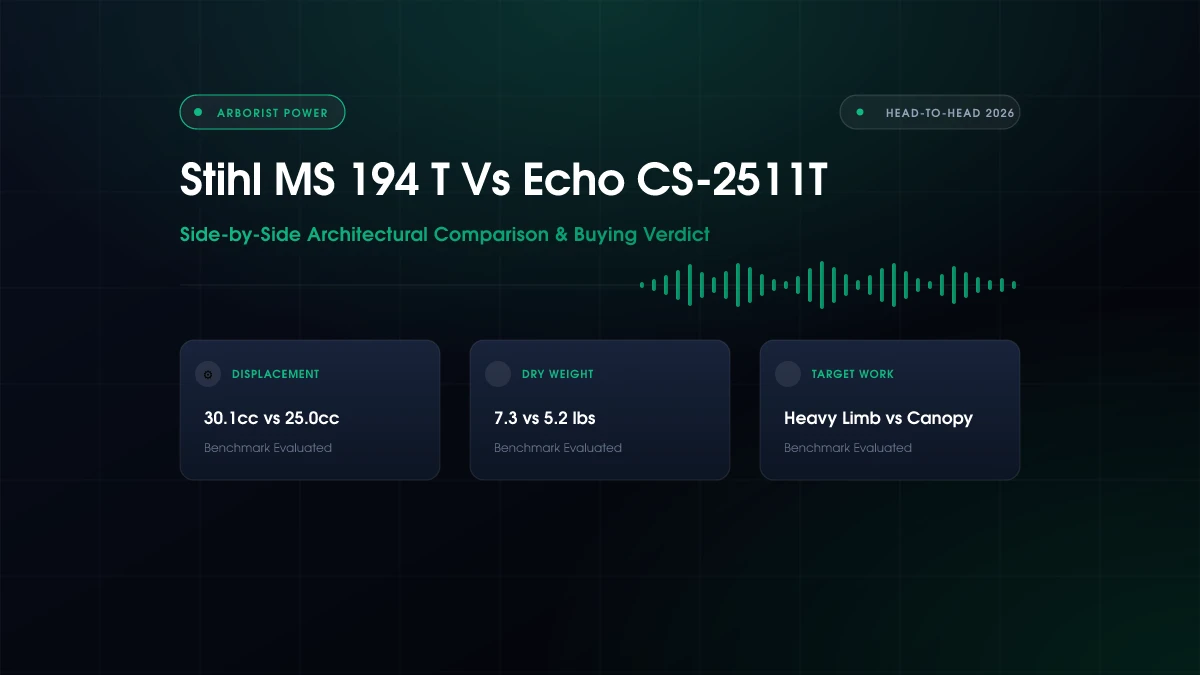
A chainsaw sharpening jig is a guided tool that holds a file or grinding stone at the correct angle against each cutter tooth. It restores the sharp edge and proper rake geometry far more consistently than freehand filing, which improves cutting speed, reduces operator fatigue, and extends chain service life. Users looking for related component recommendations can explore our echo cs 355t vs makita xcu06z breakdown.
How often should I sharpen my chainsaw chain with a jig?
Sharpen whenever the chain produces fine dust instead of chips, requires extra force, or shows rounded cutting edges. Under normal use this often means every few tanks of fuel or after hitting dirt or rocks. Regular light passes with a quality chainsaw sharpening jig keep teeth in peak condition longer than waiting for severe dulling.
Can one jig work on both electric and gas chainsaws?
Yes, provided the jig lists compatibility with your chain length and pitch. Most portable hand-crank and bar-mounted models cover the common 4-22 inch range used by both electric and gas saws. Always confirm the specific pitch and gauge of your chain before starting. Before finalizing equipment decisions, refer to our comprehensive husqvarna 450 vs 460 rancher comparison.
What is the difference between a manual filing guide and an electric sharpener?
Manual guides and hand-crank jigs give precise control and require no power, making them ideal for remote locations. Electric sharpeners complete each tooth faster and suit high-volume work but introduce heat that must be managed carefully. Choose based on your typical sharpening volume and access to electricity. More equipment advice is available in the Chainsaws category.
Mechanical safety standards, operational tolerances, and protective gear guidelines align with benchmark specifications established by the American National Standards Institute (ANSI).
Do I need extra files or stones after buying a complete kit?
Many kits include multiple stones or files sufficient for initial use. Over time abrasive media wear and should be replaced with matching grit and diameter. Bar-mounted systems such as the Granberg often ship without files so you can select preferred brands, while full kits reduce immediate follow-up purchases.