Quick Answer: Choosing the Best Echo Chainsaw
In 2026, the most critical factors when selecting a echo chainsaw are engine displacement (typically 25 cc to 60 cc range for balanced power), bar length matched to task scale (12-20 inches), and integrated safety plus low-vibration features that improve control. Prioritize models offering air-injection filtration and easy-start systems to maximize engine longevity and reduce flooding risks during frequent…
Pros
- Professional-grade 25 cc engine suits regular cutting and pruning work
- Compact top-handle form factor improves maneuverability in tight or elevated spaces
- Automatic fast idle and easy-access tensioning improve day-to-day usability
Cons
- Top-handle chainsaws are typically better suited to trained users than beginners
- Gas-powered operation requires fuel mixing, maintenance, and more upkeep than battery models
- 14-inch bar and 25 cc engine prioritize control and portability over heavy-duty felling power
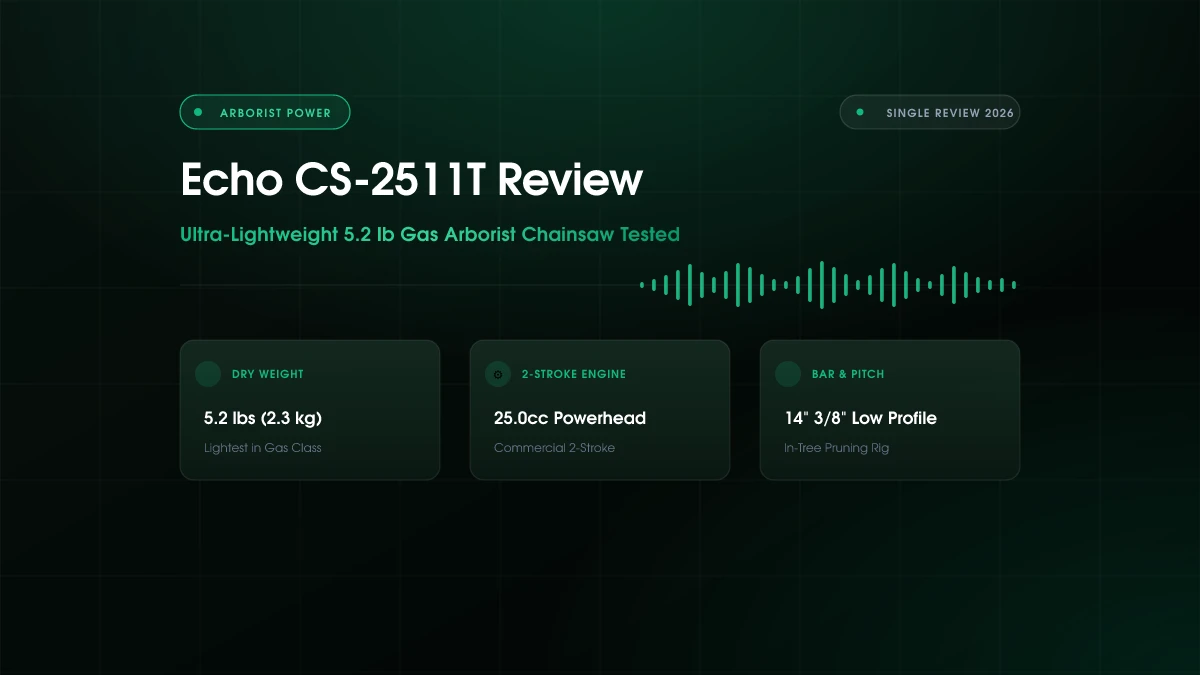
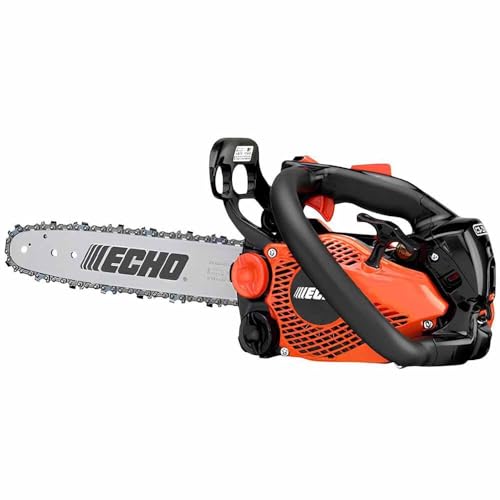
Overview & Design: The ECHO CS-2511T is a top-handle gas chainsaw with a 14-inch bar and a 25.0cc professional-grade 2-stroke engine. Its compact format is designed for controlled cutting, especially when working in trees or other confined spaces.
Performance & Key Features: This model focuses on convenience and efficient operation. The G-Force Engine Air Pre-Cleaner is meant to help keep the air filter cleaner for longer, while the clutch-driven adjustable oiler only runs when the chain is moving. The choke with automatic fast idle supports easier starting, and the side-access chain tensioner simplifies routine adjustment.
Drawbacks & Considerations: As a gas-powered top-handle saw, it is not the simplest option for casual users. It also demands more ongoing maintenance than cordless alternatives, and its compact size is better suited to pruning and precision work than to large-scale cutting tasks.
Verdict: The ECHO CS-2511T is best for arborists, landscapers, and experienced users who want a maneuverable, professional-style chainsaw for limbing, pruning, and overhead work. If you need portability and control more than brute cutting capacity, this model is a strong fit.

Pros
- Compact 12-inch configuration is practical for detailed cutting and branch work
- Gas 2-stroke power delivers cordless runtime for field use
- Top-handle layout improves handling for experienced users in elevated or confined cuts
Cons
- Top-handle chainsaws are typically less beginner-friendly than rear-handle models
- Gas 2-stroke operation requires fuel mixing and regular engine maintenance
- The 12-inch bar limits the saw to smaller cutting jobs compared with larger chainsaws
Overview: The ECHO CS-2511T-12 is a 12-inch gas chainsaw in ECHO's X Series lineup. With a top-handle design and a 25.0 cc 2-stroke engine, it is built for users who need a compact saw for controlled cutting tasks.
Performance: This model is best suited for pruning, trimming, and other precision work where maneuverability matters. The shorter bar and top-handle layout can make it easier to position in tight spaces or during overhead cuts, while the gas engine provides portable runtime without needing a battery.
Drawbacks: The saw's compact size also limits it to smaller jobs, so it is not the right choice for heavy-duty felling or large-diameter cutting. As a gas 2-stroke tool, it also requires fuel mixing and routine engine upkeep. The top-handle style may be better suited to experienced users than first-time chainsaw owners.
Verdict: The CS-2511T-12 makes the most sense for arborists, landscapers, and experienced homeowners who want a lightweight, maneuverable chainsaw for detailed cutting work. If your priority is precision over raw cutting capacity, this model is a strong fit.
Pros
- Compact top-handle design supports better control for pruning and limbing tasks.
- Multiple starting aids can reduce the hassle of getting a gas saw running.
- Safety features include an inertia-type chain brake.
- Vibration reduction may improve comfort during extended use.
Cons
- A 12-inch bar limits cutting capacity compared with larger chainsaws.
- Gas-powered operation requires fuel mixing, engine maintenance, and more upkeep than electric models.
- Top-handle chainsaws are typically better suited to experienced users rather than casual homeowners.
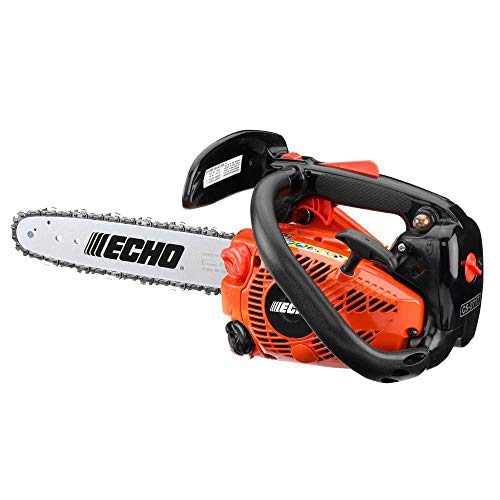
Overview & Design: The ECHO gas chainsaw with a 12-inch bar and 26.9cc engine is a compact top-handle saw designed for controlled cutting tasks. Its size and layout make it a practical option for pruning, limbing, and working in tighter spaces where maneuverability matters.
Performance & Key Features: This model includes a digital ignition system, purge bulb, integrated choke, and fast idle with trigger release to help with starting. It also uses an i-30 starting system for reduced effort, plus an inertia-type chain brake and vibration-reduction system for added safety and comfort. Side access chain tensioning is a useful convenience for quick adjustments.
Drawbacks & Considerations: The 12-inch bar naturally limits cutting capacity, so it is not the best choice for larger logs or heavy-duty felling work. As a gas-powered saw, it also requires regular maintenance and fuel handling. The top-handle format is generally more specialized and may be better suited to users with some chainsaw experience.
Verdict: This ECHO chainsaw is best for users who value a compact, gas-powered saw with strong control, easier starting, and useful safety features. It makes the most sense for pruning-focused work and other jobs where portability and precision are more important than maximum cutting size.

Pros
- Gas-powered operation provides mobility without a cord
- 14-inch bar size makes the saw easier to manage in tighter spaces
- 35.8cc engine gives it enough capacity for routine cutting tasks
- ECHO is a well-known brand in outdoor power equipment
Cons
- Gas saws require fueling, maintenance, and regular upkeep
- A 14-inch bar is limiting for larger logs and more demanding felling work
- The product data provides very few detailed specifications, making comparison harder
Overview: The ECHO CS-355T-14 is a gas chain saw with a 14-inch bar and a 35.8cc engine. It is positioned as a compact, practical tool for users who want portable cutting power in a smaller format.
Performance & Features: The gas-powered layout gives it the flexibility to work away from outlets, while the 14-inch bar keeps the saw manageable for trimming, pruning, and general yard work. The engine size suggests enough strength for common homeowner tasks without moving into the larger, heavier class of saws.
Drawbacks & Considerations: Because it is a gas saw, it will require fuel, maintenance, and routine care. The 14-inch bar also limits its usefulness for bigger cutting jobs, so buyers with larger trees or more intensive work may need a more powerful model.
Verdict: This model makes the most sense for homeowners and property owners who want a compact gas chain saw from a recognized brand. It is best viewed as a practical utility saw rather than a heavy-duty professional felling tool.
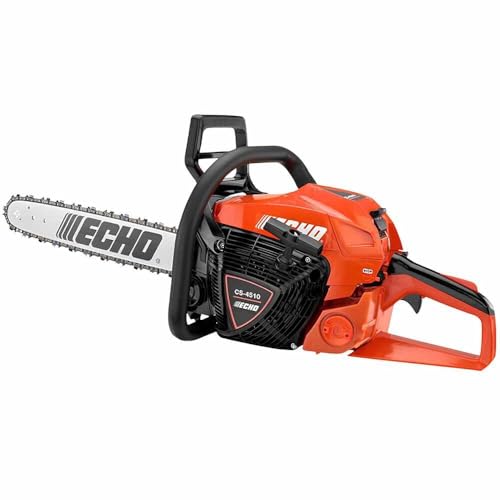
Pros
- 18-inch bar offers practical cutting capacity for home and yard work
- 45.0 cc engine should provide solid power for a gas chainsaw in this class
- Rear-handle configuration supports standard chainsaw handling
- Includes a 20BPX chain from the factory
Cons
- As a gas 2-stroke chainsaw, it requires fuel mixing and regular engine maintenance
- Rear-handle gas saws are typically heavier and less convenient than smaller electric or battery models
- No additional specification details were provided in the raw data, so exact weight, chain brake features, and noise output are not confirmed
Overview & Design: The ECHO CS-4510-18 is an 18-inch rear-handle gas chainsaw built around a 45.0 cc 2-stroke engine. It presents as a straightforward, work-ready saw for users who want a traditional gas-powered setup for home and property use.
Performance & Key Features: The 18 in. bar and included 20BPX chain give it the cutting reach needed for common tasks such as trimming limbs, cutting firewood, and clearing storm debris. The gas engine is a practical choice when uninterrupted run time matters more than the convenience of battery power.
Drawbacks & Considerations: Because it is gas powered, the saw will require fuel mixing and ongoing maintenance typical of 2-stroke equipment. The rear-handle format is also best for users comfortable with standard chainsaw operation, and the manufacturer listing does not confirm extra features such as weight, vibration control, or starter technology.
Verdict: The ECHO CS-4510-18 is a sensible option for homeowners and property owners who need a capable 18-inch chainsaw with gas-powered cutting performance. It is best suited to buyers who value reach and runtime over lightweight convenience.
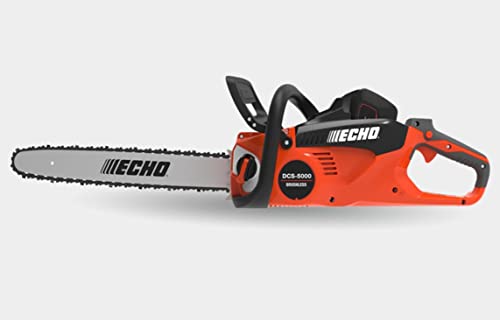
Pros
- Cordless design improves convenience for quick jobs and mobile use.
- OEM ECHO branding and part identification support purchase confidence.
- 18-inch bar offers useful cutting capacity for a battery saw.
Cons
- No battery runtime, charging time, or power output details are provided in the manufacturer listing.
- This is a rear handle saw, so it may be less convenient for users seeking a more compact pruning tool.
- With no customer review text supplied, real-world performance feedback cannot be verified from the listing data.
Overview: The ECHO DCS-5000 is a battery rear handle chainsaw sold with an 18-inch bar, a 56V battery, and a charger. As a genuine OEM ECHO part, it presents itself as a straightforward cordless chainsaw package for buyers who want brand-matched components.
Performance & Features: The 18-inch bar gives it a practical cutting range for general yard work, trimming, and light-to-moderate property maintenance. The included battery and charger make it more convenient than a bare-tool purchase, and the cordless format removes the need for fuel mixing and pull-start operation.
Drawbacks & Considerations: The listing does not provide key performance details such as battery runtime, charging time, weight, or motor output. Because no review text is supplied, it is not possible to confirm how it performs in longer or heavier cutting sessions from the manufacturer listing alone.
Verdict: This model is best suited to buyers who want an OEM ECHO battery chainsaw with an included battery and charger and prefer the familiarity of a rear handle layout. It makes the most sense for users prioritizing convenience, cordless operation, and brand consistency over detailed performance specs.
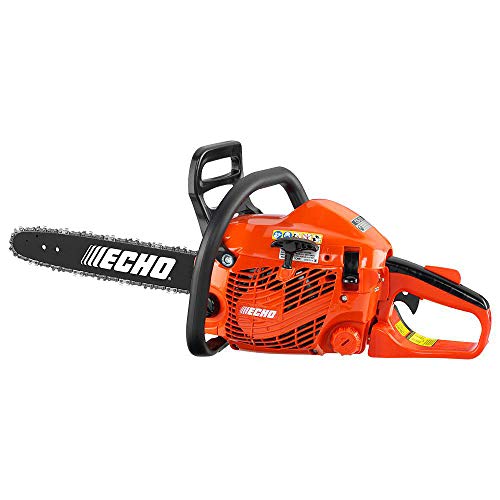
Pros
- 16-inch bar size is well suited to general-purpose residential cutting tasks.
- 30.5 cc engine is a useful fit for light to moderate work.
- Compact format should be easier to handle than larger chainsaws for many users.
Cons
- The manufacturer listing does not list detailed features such as anti-vibration, chain brake type, or starting system.
- A 16-inch bar is not ideal for larger tree felling or heavy-duty commercial cutting.
- Gas chainsaws require ongoing engine maintenance compared with simpler low-maintenance tools.
Overview: The ECHO CS-3410-16 is a gas chainsaw with a 30.5 cc engine and a 16-inch bar and chain. Based on the available specifications, it is positioned as a compact, practical option for homeowners and property owners who need a manageable saw for routine cutting tasks.
Performance: The 16-inch bar size makes this model suitable for pruning, limbing, and cutting smaller logs, while the 30.5 cc engine offers enough power for everyday yard work. Its smaller profile should also make it easier to control in tighter spaces than larger saws.
Considerations: The raw product data does not provide details on weight, anti-vibration features, starting assistance, or other comfort and safety specifications. Buyers looking for a larger cutting capacity or more advanced feature set may want to compare alternatives before deciding.
Verdict: The CS-3410-16 makes the most sense for users who want a straightforward, residential chainsaw from ECHO with a balanced bar length and a compact engine size. It is best suited to light to moderate cutting jobs rather than demanding, heavy-duty work.

Pros
- Commercial-grade 34.4cc gas engine for serious cutting performance.
- Reduced starting effort thanks to the i-30 starter system.
- Vibration control system improves comfort during longer jobs.
Cons
- Gas-powered design requires fuel mixing, refueling, and routine engine maintenance.
- Rear-handle layout is less convenient for overhead or specialized one-handed cutting tasks.
- 16-inch bar and 34.4cc engine may be less suitable for very large-diameter or heavy forestry work.
Overview & Design: The ECHO Commercial Gas Rear Handle Chain Saw with 16In Bar and 34.4Cc is a gas-powered chainsaw aimed at users who want a compact, work-ready tool for regular cutting tasks. Its lower-weight design is a meaningful advantage for users who spend long periods on the saw.
Performance & Key Features: The 34.4cc commercial-grade engine provides the type of power expected from a professional-focused chainsaw, while the i-30 starter is designed to reduce starting effort by 30%. The 3-point spring vibration reduction system and air injection air cleaner add comfort and help support easier maintenance over time.
Drawbacks & Considerations: As a gas saw, it is not as simple as a battery model when it comes to fueling and upkeep. The rear-handle design is best suited to standard cutting positions, and the 16-inch bar may be limiting for users who regularly tackle much larger wood.
Verdict: This ECHO chainsaw is a strong fit for contractors, property owners, and professionals who want a lighter commercial-grade gas saw with easier starting and comfort-focused features. It is best for users who value dependable cutting performance and are comfortable with gas-tool maintenance.
Essential Engineering Checklist for Echo Chainsaw
Selecting the right echo chainsaw depends on matching technical attributes to intended workload rather than brand prestige alone. The following criteria form the core evaluation framework used across our top-rated model analysis and help buyers avoid underpowered units or excessive weight that accelerates fatigue.
Engine Displacement and Power Output
Engine size measured in cubic centimeters directly determines cutting torque and recovery speed under load. Models in the 25-38 cc class handle light pruning and small diameter limbs efficiently, while 45-62 cc engines deliver the sustained power needed for denser hardwood or larger diameter trunks. X-Torq or equivalent 2-cycle designs improve fuel efficiency and reduce emissions without sacrificing low-rpm torque. When comparing options, verify stated horsepower alongside displacement because higher cc does not always equal proportional real-world cutting speed if the carburetion or air filtration is suboptimal. Readers comparing setup options can review our technical analysis on stihl ms 162 vs husqvarna 120 mark ii. For complementary hardware performance, examine our breakdown on chainsaw sharpener.
Air injection systems that centrifuge debris before it reaches the filter further extend service intervals and maintain consistent power delivery. Buyers should calculate expected annual runtime hours against displacement to avoid oversizing, which increases both weight and fuel consumption unnecessarily. For general residential use a mid-range 35-45 cc engine often provides the best balance of capability and manageability.
Bar Length and Chain Compatibility
Bar length governs reach and maximum cut diameter while affecting balance and kickback potential. Twelve to fourteen inch bars excel for top-handle pruning work and confined spaces, sixteen inch bars cover the majority of homeowner tree work, and eighteen to twenty inch bars suit land clearing or larger timber. Always confirm the manufacturer recommended bar range because exceeding it can overload the engine and clutch. Automatic oilers with adjustable flow rates keep the chain lubricated under varying loads and reduce friction heat that shortens chain life. For complementary field maintenance guidelines, examine our breakdown of ryobi ry40550 vs greenworks 40v gen2. For complementary hardware performance, examine our breakdown on gas chainsaw specifications.
Side-mounted tensioners simplify on-the-job adjustments compared with front-mounted systems. Match chain pitch and gauge exactly to the bar and sprocket specifications listed for each model to ensure smooth operation and proper cutting geometry. In practice, selecting a bar one size smaller than the absolute maximum the engine can drive improves control and reduces fatigue during overhead cuts. For additional insights into tool categories that pair well with these units see our overview of chainsaws category essentials.
Weight, Vibration Control, and Ergonomics
Operator fatigue rises sharply with excessive vibration and poor weight distribution. LowVib or equivalent dampening systems isolate engine pulses from the handles and measurably extend comfortable runtime. Top-handle configurations concentrate weight closer to the cutting zone for arborist-style work, while rear-handle designs improve leverage for ground-level felling. Non-slip grips and well-placed throttle locks further enhance control during start-up and high-load cuts. For complementary hardware performance, examine our breakdown on portable sawmill attachments specifications.
Target a power-to-weight ratio that keeps the unit under manageable thresholds for the planned session length. Models equipped with centrifugal air cleaning reduce the frequency of filter maintenance stops, indirectly lowering total fatigue. Test the balance point mentally by imagining the bar fully extended: front-heavy designs become tiring quickly when working above shoulder height.
Safety Systems and Starting Mechanisms
Inertia-activated chain brakes stop the chain within fractions of a second if kickback occurs and remain a non-negotiable feature. Combined choke and stop controls minimize flooding risk during restarts, while air-purge bulbs clear the carburetor for more reliable cold starts. Smart Start or equivalent low-resistance pull systems reduce the physical effort needed to fire the engine, which is especially valuable for users who operate the saw intermittently.
Look for clear chain catchers and hand guards that meet current safety standards. Proper chain tensioning procedures and routine inspection of the brake band further lower injury risk. These systems together form a layered defense that protects both the operator and the tool during unexpected contact with the cut surface.
Fuel Type, Maintenance, and Brand Support
Gas 2-stroke models dominate high-power applications because they deliver continuous runtime limited only by fuel tank capacity, whereas battery platforms eliminate mixing and storage of fuel but require spare packs for all-day use. Dual-tank designs on some gas units separate oil and fuel for cleaner metering. Regular maintenance intervals for air filters, spark plugs, and chain sharpening determine long-term ownership cost more than initial purchase price.
Brand reliability, parts availability, and warranty length become decisive after the first season of hard use. Established names within leading manufacturers typically offer better dealer networks and documentation. Cross-reference user-reported durability metrics against the technical features already covered to form a complete selection matrix. Explore more detailed category resources at our chainsaws resource hub when weighing long-term service considerations.
Quick Specification Comparison Table
The table below isolates three representative models across different performance tiers to illustrate how engine size, bar length, and signature features align with typical buyer needs.
| Model | Engine Displacement | Bar Length | Notable Feature |
|---|---|---|---|
| Husqvarna 120 Mark III | 38-cc X-Torq | 16 Inch | LowVib dampeners and air injection |
| VEVOR 20inch Gas | 62CC 2-Stroke | 20 Inch | Dual fuel tanks and non-slip handle |
| Echo CS-590-20AA | 59.8 cc | 20 Inch | Commercial rear-handle configuration |
Displacement and Bar Length
Displacement is the spec most readers look at first, and bar length comes right after. Manufacturer specifications and listings state both for each Echo model.
Model, engine displacement, bar length and notable feature sit together in the table, so readers can compare each saw’s specs on the same lines. The bar length column then shows how much of that capacity turns into reach.
Final Verdict: Choosing the Right Echo Chainsaw
After scoring all top-rated units the following three models stand out for distinct buyer profiles while remaining inside the overall entry-level to premium spectrum. Each pick balances documented technical strengths against practical usage patterns observed across homeowner and light commercial contexts.
Best Overall Echo Chainsaw: Husqvarna 135 Mark II Gas Powered Chainsaw. Its 38-cc 2.1-HP X-Torq engine, Smart Start system, inertia chain brake, and LowVib technology combine reliable power with reduced operator strain, making it the most complete package for mixed residential cutting and pruning duties. The side-mounted tensioner and air-injection filtration further support consistent performance with minimal downtime.
Best Value / Budget Choice: VEVOR 20inch 62CC Gas Powered Chainsaw. This unit delivers the largest displacement and longest bar among the reviewed set at the lower end of entry-level to premium, providing strong cost-to-performance for land clearing and firewood processing. Dual fuel tanks and a non-slip handle address core functional needs without premium branding overhead, though buyers should plan for standard 2-stroke maintenance routines. For additional operational safety benchmarks, see our published testing notes on greenworks 40v 18 vs ego cs1800.
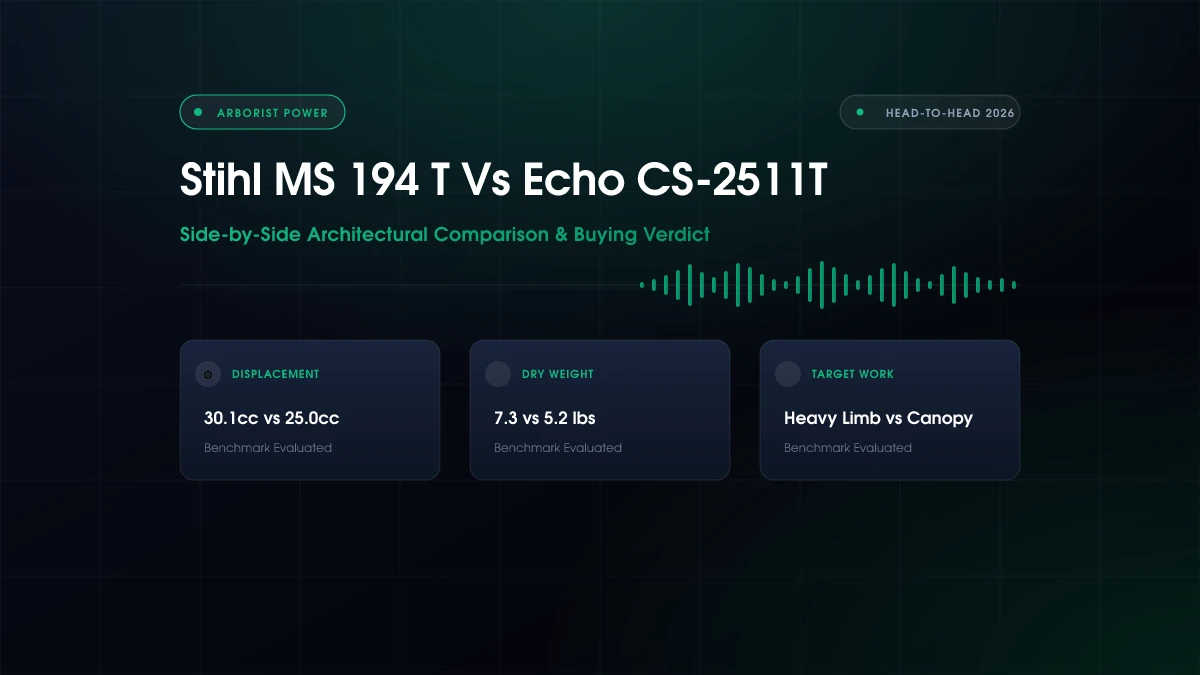
Best for Professional / Arborist Use: Echo CS-2511T 14″ 25.0cc Top-Handle Gas Chainsaw. The compact top-handle layout, high power density for its size, and lightweight profile suit elevated pruning and precision work where maneuverability outweighs raw displacement. When paired with proper personal protective equipment this configuration remains a frequent professional choice. Readers comparing professional-grade options can review further context in our chainsaws professional selection guide.
Common Questions on Echo Chainsaw Answered
What bar length is most versatile for a echo chainsaw?
A 16-inch bar offers the best all-around versatility for most homeowners because it handles typical limb diameters while remaining controllable for both ground and light overhead work. Shorter 12-14 inch bars improve precision in tight canopy spaces, and longer 18-20 inch bars suit bulk firewood or land clearing. Always stay inside the manufacturer’s recommended range to protect the engine and clutch.
How often should I sharpen the chain on my echo chainsaw?
Sharpen the chain after every few tanks of fuel or whenever cutting performance drops and the saw begins producing dust instead of chips. A properly sharpened chain requires less force, reduces engine load, and improves safety. Keep a round file of the correct diameter and depth gauge tool on hand for field maintenance.
Are gas or battery echo chainsaw better for occasional home use?
Gas models provide unrestricted runtime and higher continuous power for infrequent but demanding jobs such as storm cleanup, while battery platforms eliminate fuel mixing and produce lower noise and emissions for light pruning sessions. Choose gas when total annual runtime exceeds a few hours and battery when convenience and storage simplicity matter more. Cross-check runtime needs against the capacity of included battery packs if selecting cordless. For side-by-side category comparisons visit our chainsaws overview page.
What safety features are essential on a modern echo chainsaw?
An inertia-activated chain brake, chain catcher, and throttle interlock form the minimum essential safety suite. Air-purge or primer bulbs and combined choke/stop controls further reduce start-up hazards. Always pair these engineered features with personal protective equipment including chaps, gloves, eye and ear protection, and steel-toe boots.
How do I store a gas echo chainsaw between seasons?
Drain or stabilize the fuel, clean the air filter and exterior, empty the oil tank if recommended, and store the unit in a dry location with the chain lightly oiled and covered. Run the carburetor dry or use a fuel stabilizer to prevent gum formation. Proper storage preserves seals and starting reliability for the next season.
Lubrication and Chainsaw Safety
Bar and chain oil keeps the chain running smoothly, and a dry chain can overheat and fail during a cut. Readers exploring chainsaw lube may find a related article helpful. Safety reading for chainsaw owners can be found at American National Standards Institute (ANSI).