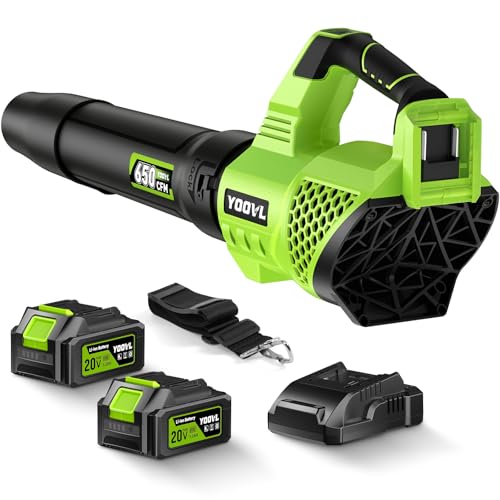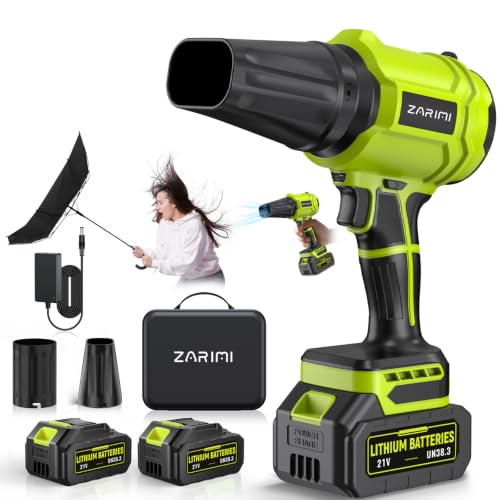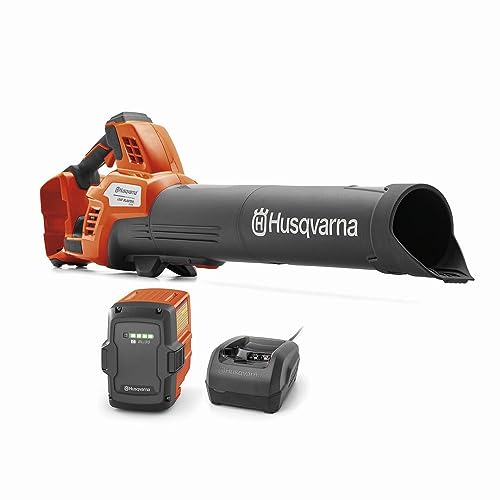
For homeowners managing small lots and routine driveway sweeping, a lightweight handheld model like the Husqvarna 125B Gas Leaf Blower delivers dependable maneuverability, though it lacks the sheer clearing force required for dense, wet autumn piles. If your property spans half an acre or more with heavy leaf buildup, a high-displacement backpack unit like the Husqvarna 150BT Gas Backpack Leaf Blower clears debris much faster, albeit at a higher purchase price and with added physical bulk.

Pros
- Lightweight 9.4-pound design offers easy handheld maneuvering
- Reduced-resistance recoil system eases engine pull starts
- Translucent fuel tank allows quick monitoring of gas levels
- Cushioned anti-vibration handle helps dampen arm strain
- Capable of up to 380 CFM and 180 MPH airflow
Cons
- Requires mixing 2-cycle gas and oil at a 50:1 ratio
- Modest 380 CFM output is best suited for lighter debris
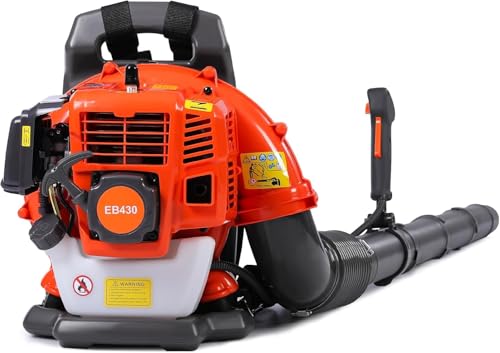
Pros
- Delivers up to 550 CFM and 230 MPH for moving wet yard debris
- Lightweight 17-pound backpack design with cushioned straps
- Thumb throttle includes cruise control for steady blowing
- 33.8 fl oz fuel tank yields up to 45 minutes of run time
- Operating temperature range spans 14°F to 104°F
Cons
- Requires 2-cycle fuel mixing and engine maintenance
- 550 CFM is modest for a backpack-class gas blower

Pros
- 63cc 2-cycle engine produces 665 CFM and 205 MPH
- 1.7-liter fuel tank enables extended sessions between refills
- Cruise control locks in throttle to reduce hand strain
- Padded harness and vibration reduction improve carry comfort
- Tool-free access simplifies two-stage air filter maintenance
Cons
- Substantial 21-pound dry weight requires physical stamina
- Requires ongoing 2-stroke oil and gasoline mixing

Pros
- 2.7kW 63cc two-stroke engine delivers up to 6,800 RPM
- Multi-directional air outlet adjusts vertically and horizontally
- 0.47-gallon fuel tank enables long runs between top-offs
- Constant speed switch holds chosen throttle effortlessly
- Backpack harness features heat-insulating back padding
Cons
- Substantial 22-pound dry weight adds strain on long sessions
- Requires manual two-stroke oil and gasoline mixing
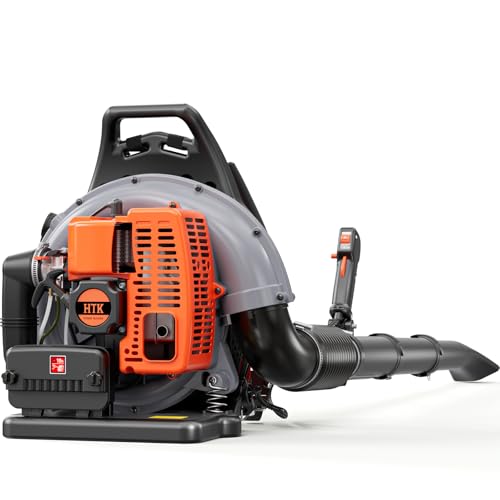
Pros
- 63cc 2-stroke engine delivers 665 CFM and 205 MPH airspeed
- Padded ergonomic backpack harness balances weight across shoulders
- Cruise control locks throttle to relieve trigger finger strain
- Generous 1.7L fuel tank supports extended property maintenance
- Manufacturer-rated sound level of 71 dB for quieter operation
Cons
- Requires ongoing two-cycle oil-to-gasoline fuel mixing
- Bulkier footprint demands sufficient garage or shed storage

Pros
- Claims up to 1,110 CFM airflow and 220 MPH air speed
- Generous 1.89-liter fuel tank allows 50 to 60 minutes of runtime
- Padded harness and shock-absorption system reduce vibration
- Cruise control locks throttle for continuous operation
- Includes earmuffs, maintenance tools, and fuel mixing bottle
Cons
- Heavy 26.46-pound total weight can fatigue operators
- Requires mixing 2-cycle gas and oil fuel

Pros
- 51cc 2-cycle engine produces up to 765 CFM and 270 MPH
- Padded harness and hip belt provide balanced load distribution
- Air purge system removes fuel line air for easier starting
- Variable speed throttle includes cruise control functionality
- Proven X-Torq engine technology maintains high clearing force
Cons
- Heavier 22-pound build can cause fatigue on extended jobs
- Requires routine 2-cycle gas and oil fuel maintenance

Pros
- 28-cc engine delivers up to 470 CFM and 170 MPH
- Cruise control function enables comfortable sustained operation
- Air purge system removes air from carburetor for easier starting
- Auto-return stop switch automatically resets to the on position
- Adjustable soft-grip handle engineered to reduce strain
Cons
- Requires 2-cycle fuel and oil mixing
- Produces engine exhaust emissions and engine noise

Pros
- 26cc engine rated at up to 180 MPH and 380 CFM
- Recoil system designed to reduce pull resistance by 50%
- Lightweight 7.7 lb dry weight for handheld maneuverability
- Soft-grip handle designed to mitigate vibration at 5.6 m/s
- Continuous gas operation eliminates battery recharging delays
Cons
- Requires 2-cycle gas and oil fuel mixing
- Routine engine and fuel maintenance required
Handheld vs. Backpack Blowers: How Weight Dictates Yard Size
Choosing between a handheld and a backpack gas blower depends primarily on how much acreage you manage and how long you must carry the machine. Handheld blowers, such as the Relxxon Gas Leaf Blower 26cc, 2-Cycle, Handheld at an advertised 7.7 pounds or the Getell 26cc Gas Leaf Blower, keep the full engine weight directly in your arm and wrist. While they excel at quick sweeps around porches, vehicles, and garden edges, extended sessions over 20 to 30 minutes can cause noticeable arm fatigue.
Backpack blowers shift the engine weight entirely to your shoulders and hips via padded harnesses. For instance, the Thalorus 52cc Gas Backpack Leaf Blower, 550 CFM weighs 17 pounds, while the Getell 63CC Gas Backpack Leaf Blower weighs 21 pounds. While strapping into a harness takes an extra moment and maneuvering through narrow gates requires care, backpack units allow operators to manage larger properties without wrist strain. If you are comparing setups for residential hardscapes, check out our guide on leaf blowers for driveways to gauge weight versus clearance speed.
Airflow Volume vs. Airspeed: Reading CFM and MPH Ratings
Blower efficiency is determined by two contrasting metrics: cubic feet per minute (CFM), which measures the overall volume of air moved, and miles per hour (MPH), which measures the speed at which air leaves the nozzle. High MPH dislodges debris stuck to the ground, while high CFM sweeps large volumes of loose leaves across wide swaths of turf. To evaluate matched hardware tolerances, consult our detailed overview of small rechargeable leaf blower.
Among the verified options, the Husqvarna 150BT Gas Backpack Leaf Blower pairs an advertised 765 CFM with 270 MPH (producing 22 N of blowing force from its 51cc engine), making it capable of lifting wet, matted leaves and propelling them into large collection heaps. In contrast, smaller handheld models like the Getell 26cc Gas Leaf Blower deliver 380 CFM and 180 MPH—plenty of speed for dry clippings and pavement, but requiring significantly more passes across damp grass. Note that extreme advertised ratings, such as the VEVOR 63CC Gas Backpack Leaf Blower listing 1,110 CFM at 220 MPH or the HASANEN Backpack Gas Powered Leaf Blower listing 850 CFM, reflect manufacturer claims that have not been independently lab-verified. For broader output context, explore our analysis of high-powered leaf blowers.
Starting Systems and Throttle Controls: What Eases Daily Use
Two-cycle gas engines require a manual recoil pull, which can be exhausting if the fuel delivery system lacks proper priming mechanisms. Air-purge bulb systems—featured on the Husqvarna 125B Gas Leaf Blower, Husqvarna 150BT Gas Backpack Leaf Blower, and HTK Gas Backpack Leaf Blower, 63CC 2-Stroke—evacuate trapped air from the carburetor and fuel lines, substantially cutting down the number of initial pulls required to start a cold engine.
Throttle convenience is equally vital during lengthy cleanup sessions. Holding a trigger for forty minutes leads quickly to finger cramps. Units like the Thalorus 52cc Gas Backpack Leaf Blower, 550 CFM and the Getell 63CC Gas Backpack Leaf Blower include mechanical cruise control levers that lock the engine at a chosen RPM. The trade-off with entry-level mechanical locks is that sudden throttling adjustments require manual disengagement, whereas continuous trigger use consumes fuel more responsively according to immediate load. When planning workspace deployment, consider the engineering criteria outlined in our blower para soplar hojas guide.
Premium Reliability vs. Budget Power: Husqvarna vs. Value Brands
Brand tiering creates a sharp divide in this category between established commercial-grade engineering and aggressively priced import models. Husqvarna equips models like the 150BT ($399.00) with proprietary X-Torq engine technology designed to maximize torque at lower engine speeds and durable harness hardware built for seasons of steady operation. The Husqvarna 125B ($199.99) similarly incorporates an auto-return stop switch and an aligned blower tube to counter rotational twisting against the operator’s wrist.
On the budget side, brands such as HASANEN ($85.99) and Relxxon ($89.99) offer raw displacement—up to 63cc in backpack form—for less than half the cost of a premium brand. The primary compromise lies in fit, finish, and long-term parts support. While budget units include tool kits, mixing bottles, and basic harnesses, their plastics and recoil assemblies may not endure heavy, commercial-style abuse over multiple seasons. If you are deciding where to source your equipment, review our guide on where to buy a leaf blower for warranty and retailer considerations.
Frequently Asked Questions About Gas Blowers
What fuel mixture is required for a 2-cycle gas blower?
Most 2-cycle gas blowers, including the Getell 26cc model, require a 50:1 mix of regular unleaded gasoline and 2-stroke engine oil. Always check the specific manufacturer manual for your unit before fueling, as incorrect fuel-to-oil ratios can cause engine seizure or excessive exhaust smoke.
Is a handheld gas blower powerful enough to move wet leaves?
Handheld gas blowers delivering around 380 to 470 CFM and 170 to 180 MPH can move damp lawn debris, but they require a closer nozzle angle and multiple sweeping passes. For heavy, water-soaked leaf mats spread across large turf areas, a higher-output backpack blower provides greater efficiency.
Choosing the Right Gas Blower for Your Property
Selecting the ideal machine comes down to balancing lot dimensions, physical endurance, and long-term brand confidence against your seasonal maintenance budget. Modest suburban properties with paved walkways do not require the engine displacement or storage footprint of a 63cc backpack machine, while open acreage quickly overwhelms compact 26cc handheld tools.
For most homeowners seeking a durable, long-term balance between clearing strength and ergonomic support, the Husqvarna 150BT Gas Backpack Leaf Blower is the recommended choice. It combines a verified 765 CFM and 270 MPH airflow profile with an integrated hip belt and proven engine design, making quick work of dense autumn turf. Its primary drawback is a steep $399.00 price tag and a heavier storage footprint. If you manage a smaller perimeter or want to stay under a modest budget, the lightweight Relxxon Gas Leaf Blower 26cc, 2-Cycle, Handheld provides an agile, handheld alternative at a fraction of the cost.