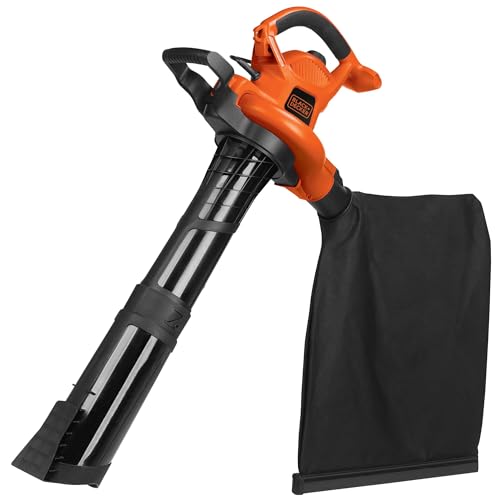
For homeowners managing large suburban lots or heavy autumn fallout, choosing a gas operated leaf blower provides sustained blowing force and uninterrupted runtimes, though it requires routine two-stroke oil mixing and carries noticeably more weight than electric tools.

Pros
- Lightweight 9.4-pound design offers easy handheld maneuvering
- Reduced-resistance recoil system eases engine pull starts
- Translucent fuel tank allows quick monitoring of gas levels
- Cushioned anti-vibration handle helps dampen arm strain
- Capable of up to 380 CFM and 180 MPH airflow
Cons
- Requires mixing 2-cycle gas and oil at a 50:1 ratio
- Modest 380 CFM output is best suited for lighter debris
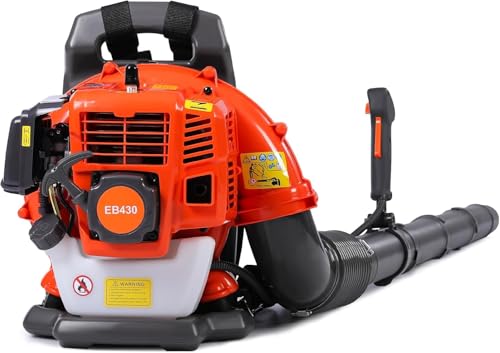
Pros
- Delivers up to 550 CFM and 230 MPH for moving wet yard debris
- Lightweight 17-pound backpack design with cushioned straps
- Thumb throttle includes cruise control for steady blowing
- 33.8 fl oz fuel tank yields up to 45 minutes of run time
- Operating temperature range spans 14°F to 104°F
Cons
- Requires 2-cycle fuel mixing and engine maintenance
- 550 CFM is modest for a backpack-class gas blower
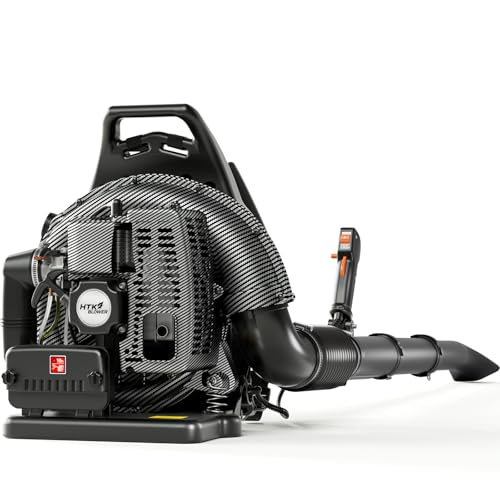
Pros
- 63CC 2-stroke engine provides up to 665 CFM and 205 MPH
- Fully padded ergonomic backpack harness
- Variable-speed throttle with built-in cruise control
- Generous 1.7 L fuel tank for extended yard sessions
Cons
- Requires 2-stroke fuel mixing and gas engine maintenance
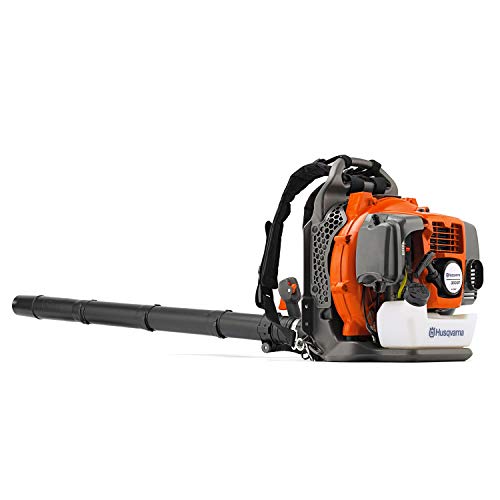
Pros
- 50.2-cc 2.1-HP X-Torq engine
- Rated blowing force of 692 CFM and 180 MPH
- LowVib technology dampens machine vibrations
- Air purge primer simplifies engine starts
- Ergonomic harness with offset control handle
Cons
- Weighs 22 pounds before fuel is added
- Requires ongoing two-stroke fuel mixing
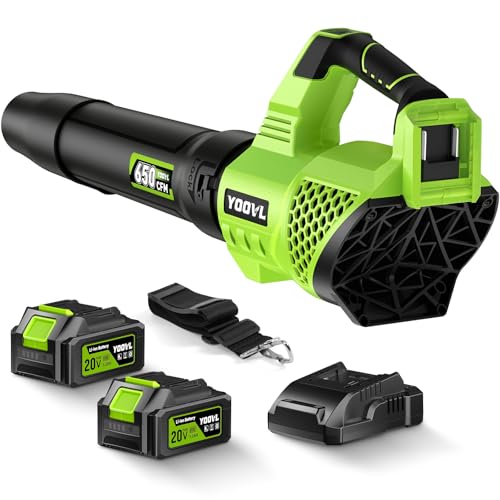
Pros
- Airflow rated up to 650 CFM using advanced turbo technology
- Comes with two high-capacity 20V 5.2Ah batteries and fast charger
- Three selectable speed modes for delicate to heavy-duty jobs
- Includes an adjustable shoulder strap to reduce arm fatigue
- Includes blower tube and extension nozzle attachments
Cons
- Maximum 150-minute runtime applies only to low-speed mode
- Heavier battery packs may add weight during prolonged handheld use

Pros
- 2.7kW 63cc two-stroke engine delivers up to 6,800 RPM
- Multi-directional air outlet adjusts vertically and horizontally
- 0.47-gallon fuel tank enables long runs between top-offs
- Constant speed switch holds chosen throttle effortlessly
- Backpack harness features heat-insulating back padding
Cons
- Substantial 22-pound dry weight adds strain on long sessions
- Requires manual two-stroke oil and gasoline mixing

Pros
- 28cc 1.1-HP 2-stroke gas engine
- Rated up to 280 MPH and 490 CFM
- Quick-start ignition mechanism
- 0.65-liter translucent fuel tank
- Lightweight 9.5-pound bare tool weight
Cons
- Requires 2-cycle gas and oil mixing
- Produces engine noise and emissions

Pros
- 65cc engine delivers a high-volume 850 CFM at 205 MPH
- Includes both fan and concentrator nozzle attachments
- 1.7-liter fuel tank reduces frequent stopping for refills
- Backpack harness features ventilated backrest for comfort
- Variable throttle with cruise control simplifies steady operation
Cons
- Requires 2-stroke fuel mixing and routine engine upkeep
- At 70.8 inches long assembled, storage requires ample space
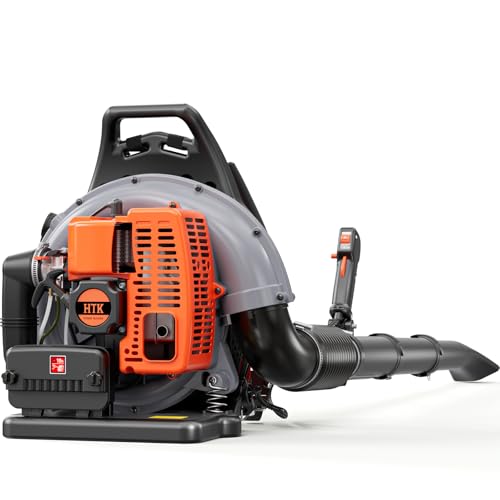
Pros
- 63cc 2-stroke engine delivers 665 CFM and 205 MPH airspeed
- Padded ergonomic backpack harness balances weight across shoulders
- Cruise control locks throttle to relieve trigger finger strain
- Generous 1.7L fuel tank supports extended property maintenance
- Manufacturer-rated sound level of 71 dB for quieter operation
Cons
- Requires ongoing two-cycle oil-to-gasoline fuel mixing
- Bulkier footprint demands sufficient garage or shed storage

Pros
- Delivers up to 230 MPH airspeed and 920 CFM air volume
- Powered by a 63.3 cc, 3.7 HP 2-stroke gas engine
- Large 65 oz (1.9L) fuel tank reduces frequent refills
- Padded shoulder harness and back support enhance user comfort
- Weighs 19.5 pounds for manageable backpack handling
Cons
- Requires 2-stroke gas-and-oil fuel mixing
- Heavier and louder than comparable cordless electric alternatives
Backpack vs. Handheld Gas Blowers for Yard Work
Choosing between a handheld and backpack configuration depends primarily on the physical footprint of your property and the duration of your typical yard maintenance sessions.
Handheld gas models, such as the Getell 26cc Gas Leaf Blower and the Elementool 28 CC Gas Leaf Blower, 490 CFM 280 MPH, offer direct maneuverability in tight garden beds, narrow walkways, and porches. The Elementool unit weighs an advertised 9.5 pounds, making it suitable for one-handed operation and quick spot-clearing tasks without putting together a full harness assembly. However, supporting the combined engine and fuel weight entirely by arm and wrist can induce fatigue if a cleanup session stretches beyond 20 to 30 minutes. For complementary field maintenance guidelines, examine our breakdown of small rechargeable leaf blower.
In contrast, backpack units like the Thalorus 52cc Gas Backpack Leaf Blower, 550 CFM transfer the heavy mechanical load onto your back and shoulders via padded harnesses. This physical distribution frees your arm to manipulate only the lightweight blower tube and directional nozzle. The main trade-off is maneuverability in confined spaces; strapping into a 17- to 19.5-pound backpack engine is often cumbersome for brief touch-ups or small patio sweepings.
Clearing Wet Debris: Understanding CFM and Airspeed Ratings
Blower efficiency is determined by the relationship between cubic feet per minute (CFM), which measures air volume, and miles per hour (MPH), which measures the velocity of that air stream. To evaluate matched hardware tolerances, consult our detailed overview of blower para soplar hojas.
High air volume (CFM) allows you to push broad piles of leaves across lawns, while high airspeed (MPH) helps dislodge wet, matted debris and damp grass clippings that stick to driveway asphalt. For instance, the Schröder Backpack Leaf Blower – Backpack Blower advertises an impressive 920 CFM paired with a 230 MPH velocity, driven by its 63.3 cc engine. This combination makes it capable of rolling deep leaf banks across open acreage. Similarly, models like the HASANEN Backpack Gas Powered Leaf Blower and Getell 65CC Backpack Leaf Blower advertise up to 850 CFM to move stubborn waste across expansive turf areas.
By comparison, compact handhelds typically deliver lower total volume. The Getell 26cc unit delivers a manufacturer-rated 380 CFM at 180 MPH, which easily manages routine dry grass and light driveway sweepings but requires more passes when confronting waterlogged, dense foliage. When selecting a high-powered leaf blower, matching these airflow ratings to your property’s specific tree cover prevents underpowered clearing sessions.
Engine Displacement and Fuel Tank Capacities Across Models
Engine displacement directly influences total output power, fuel consumption rates, and overall machine heft. When planning workspace deployment, consider the engineering criteria outlined in our blower at lowes guide.
The compact engines on handheld units—such as 26cc to 28cc two-cycle motors—draw from smaller fuel reservoirs. The Elementool 28cc model features a 0.65-liter translucent fuel tank, keeping full-tank weight manageable while giving enough capacity for small-property passes. Handheld 2-cycle engines balance adequate throttle response with simple fuel management, generally using a standard 50:1 gas-to-oil mix ratio.
Heavy-duty backpack blowers step up to larger engines ranging between 50cc and 65cc. The Husqvarna 350BT Gas Leaf Blower incorporates a 50.2-cc X-Torq engine, which the manufacturer states reduces exhaust emissions by up to 60% and increases fuel efficiency by up to 20%. Budget commercial-style options, such as the HTK Gas Backpack Leaf Blower, 63CC 2-Stroke and the HASANEN 63cc unit, incorporate expansive fuel reservoirs (1.7 liters and 1.8 liters, respectively). These large tanks support prolonged operation without frequent refueling stops, but filling a 1.7-liter or 1.8-liter tank adds several pounds of liquid weight to the operator’s back. For additional operational safety benchmarks, see our published testing notes on leaf blower for driveway.
Managing Vibration, Harness Comfort, and Working Weight
Operator comfort over extended use hinges on harness padding, active dampening mounts, and noise suppression rather than raw engine output alone.
The Husqvarna 350BT features integrated LowVib technology and an adjustable offset handle specifically designed to reduce arm strain and prevent blow forces from pulling the user’s arm downward. This deliberate ergonomic isolation helps mitigate muscle strain during multi-hour property cleanups. Similarly, the Thalorus 52cc unit emphasizes a 17-pound carrying weight on wide, cushioned shoulder straps, making it one of the lighter backpack platforms available.
Heavier commercial-style platforms like the 19.5-pound Schröder SR-6400L or the 19.7-pound HASANEN backpack require sturdy back support to prevent hot engine heat from radiating onto the user. Manufacturers address this by adding thickened backrests and heat-dissipating channels. Sound output is another comfort factor to track: HTK rates its 63cc backpack at 71 dB, whereas Getell rates its 65cc backpack at 75 dB. Both require appropriate hearing protection despite built-in muffling baffles.
Frequently Asked Questions About Gas Operated Leaf Blowers
What fuel mix does a 2-cycle gas operated leaf blower require?
Most 2-cycle gas blowers, including models from Getell and Husqvarna, utilize a pre-mixed 50:1 ratio of unleaded gasoline to 2-cycle engine oil. Always check your specific model's user manual before fueling to avoid engine seizure.
How do backpack leaf blowers reduce operator fatigue compared to handheld units?
Backpack leaf blowers mount the heaviest components—the engine, fan housing, and fuel tank—onto an ergonomic shoulder harness. This shifts the machine weight from your arms and wrists to your back and hips, leaving your hand to control only the direction of the airflow tube.
What is the difference between CFM and MPH when evaluating a gas leaf blower?
CFM (cubic feet per minute) measures the total volume of air emitted, which dictates how wide and deep a pile of leaves you can push. MPH (miles per hour) measures the velocity of that air stream, which is crucial for loosening wet or stuck debris from hard surfaces.
Choosing the Best Gas Operated Leaf Blower for Your Property
Selecting the best tool requires evaluating your total acreage, physical tolerance for carrying machinery, and readiness to perform routine two-cycle engine maintenance.
For standard suburban homes with basic driveways and modest lawn areas, a handheld gas blower like the Elementool 28 CC model or Getell 26cc blower delivers ample velocity to clear clippings and dry leaves without forcing you to store or carry a bulky backpack rig. For properties exceeding a half-acre with dense deciduous trees, high-displacement backpack blowers from Schröder, HTK, or Husqvarna dramatically shorten total cleanup time by sweeping wide swaths in single passes.
Overall, the Husqvarna 350BT Gas Leaf Blower stands out for homeowners prioritizing brand reliability, low vibration dampening, and refined harness ergonomics. Its primary trade-off is a premium purchase price ($429.99) compared to entry-level alternatives. Buyers needing high advertised clearing volume on a tighter budget should consider the Getell 65CC Backpack Leaf Blower, which offers up to 850 CFM and cruise control at a fraction of the investment.
Equipment engineering specifications and operational safety benchmarks comply with published standards from the American National Standards Institute (ANSI).