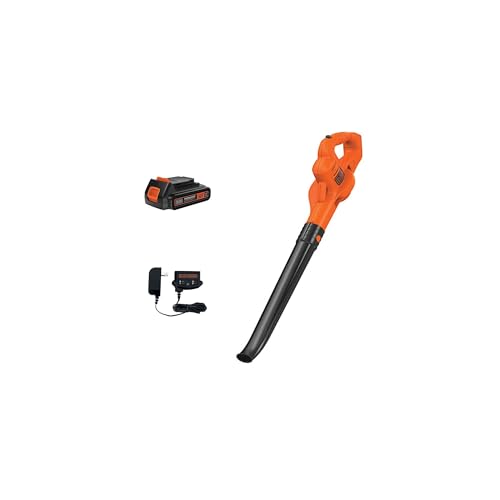
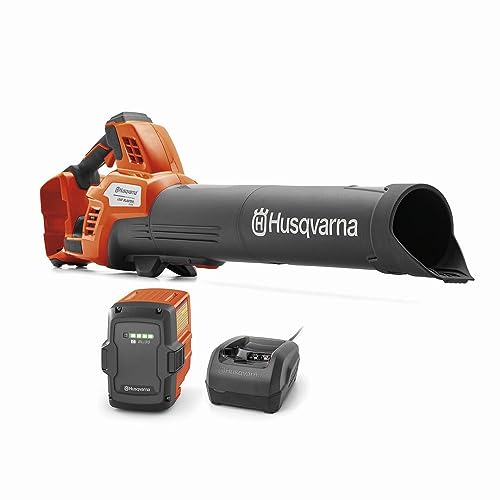
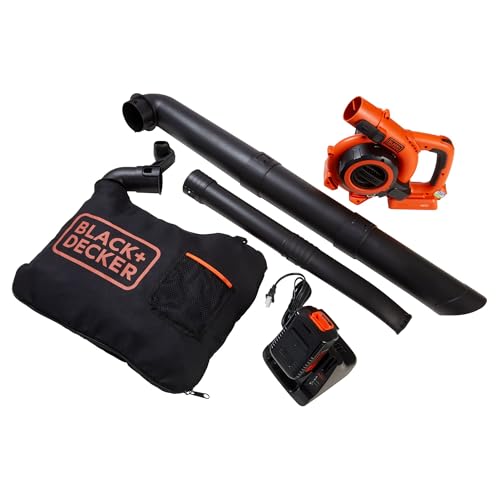
A gas powered walk behind leaf blower is the ideal tool for property owners facing heavy seasonal debris across expansive lawns, though it requires ample storage space and physical effort to push across steep terrain.

Pros
- 50.2-cc 2.1-HP X-Torq engine
- Rated blowing force of 692 CFM and 180 MPH
- LowVib technology dampens machine vibrations
- Air purge primer simplifies engine starts
- Ergonomic harness with offset control handle
Cons
- Weighs 22 pounds before fuel is added
- Requires ongoing two-stroke fuel mixing

Pros
- Powerful 7HP 212cc 4-stroke OHV gas engine
- Heavy-duty 13.5-inch metal impeller
- 360° front swivel wheel and 10-inch rear wheels
- 90° adjustable airflow output angle
- Rust-resistant powder-coated steel frame
Cons
- Engine oil is not included upon unboxing
- Manual push operation requires physical effort
- Gasoline and oil maintenance required

Pros
- Delivers up to 972 CFM and 236 MPH air output
- 66-cc 4-HP X-Torq 2-cycle engine
- Load-reducing backpack harness with wide shoulder straps
- Air purge system and cruise control for easier operation
Cons
- Heavier build weighs 24.5 pounds
- Requires 2-cycle gas and oil fuel mixing
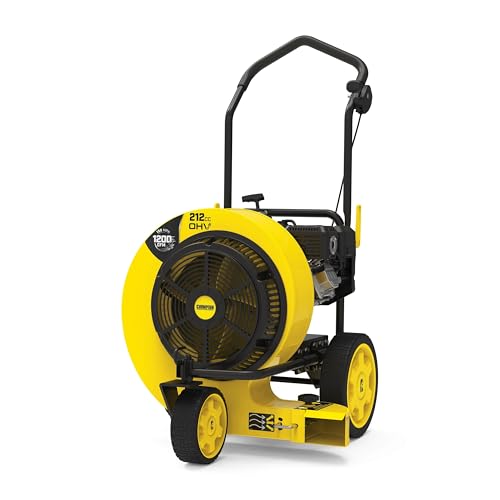
Pros
- Rated for up to 1200 CFM of air volume
- 3-position wind vane plus forward air attachment
- Large 12-inch never-flat rear wheels
- Lockable 360-degree front swivel wheel
- Ergonomic handle features height adjustment
Cons
- Weighs 104 pounds without power propulsion
- Gas engine requires fuel and oil upkeep
- Bulky frame requires ample storage space

Pros
- 28-cc 2-cycle engine rated at 470 CFM and 170 MPH
- Includes vac kit with mulching knives and bag
- Cruise control feature simplifies extended use
- Auto-return stop switch automatically resets to on
Cons
- Weighs 9.6 pounds before fuel and collected debris
- Requires 2-cycle gas and oil fuel mixing

Pros
- High-volume clearing with a rated 3000 CFM and 207 MPH
- Electric start eliminates manual pulling effort
- Standard clevis pin hitch connects easily to ATVs and tractors
- Adjustable vertical airflow discharge for directed blowing
- Durable steel frame construction with large wheels
Cons
- Requires a towing vehicle like an ATV or lawn tractor
- Weighs 291 pounds and demands significant storage space
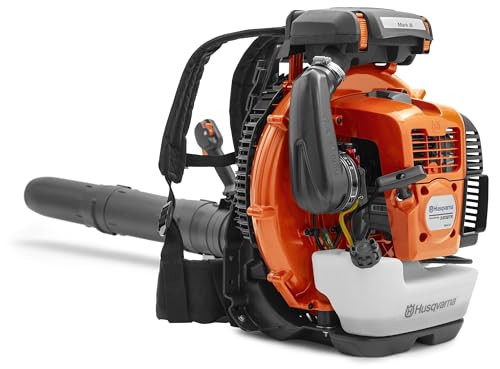
Pros
- Strong rated output of 1000 CFM, 220 MPH, and 47 N blow force
- Ventilated ergonomic harness with load-distributing hip belt
- Two-stage intake air filtration protects engine in dusty jobs
- Intuitive tube-mounted throttle control
Cons
- Substantial 34-pound weight can lead to operator fatigue
- Requires ongoing 2-cycle fuel mixing and maintenance

Pros
- 51cc 2-cycle engine produces up to 765 CFM and 270 MPH
- Padded harness and hip belt provide balanced load distribution
- Air purge system removes fuel line air for easier starting
- Variable speed throttle includes cruise control functionality
- Proven X-Torq engine technology maintains high clearing force
Cons
- Heavier 22-pound build can cause fatigue on extended jobs
- Requires routine 2-cycle gas and oil fuel maintenance

Pros
- Produces up to 1270 CFM airflow and 150 MPH wind speed
- Runs on standard unleaded 87-octane gasoline with no oil mixing
- 360-degree front swivel wheel and 12-inch rear wheels for steering
- 90-degree adjustable flow angle directs debris where needed
- Convenient handle-mounted controls for speed adjustment
Cons
- Manual push design requires physical effort on uneven ground
- Bulky footprint requires dedicated garage or shed storage

Pros
- 28-cc engine delivers up to 470 CFM and 170 MPH
- Cruise control function enables comfortable sustained operation
- Air purge system removes air from carburetor for easier starting
- Auto-return stop switch automatically resets to the on position
- Adjustable soft-grip handle engineered to reduce strain
Cons
- Requires 2-cycle fuel and oil mixing
- Produces engine exhaust emissions and engine noise
Who Benefits Most From a Wheeled Walk-Behind Blower?
Walk-behind blowers suit homeowners and groundskeepers managing large, open yards or lengthy driveways where handheld and backpack tools cause arm and shoulder fatigue. These machines support their own weight on heavy-duty frames and wide tires, allowing operators to clear broad swaths of turf without bearing engine weight.
The clear trade-off is maneuverability in tight quarters. A wheeled unit like the Landworks Leaf Blower Wheeled Walk Behind Jet or the SuperHandy Walk Behind Leaf Blower excels at pushing large piles of leaves across flat grass, but cannot easily navigate narrow garden beds, tight retaining walls, or steep terraced slopes where a backpack model is far more practical.
Air Volume and Velocity: How Engine Specs Impact Clearing
Clearing performance on walk-behind units is defined by cubic feet per minute (CFM) and air speed (MPH), driven by robust 4-stroke overhead valve (OHV) engines. Higher CFM moves broader piles of leaves, while higher MPH dislodges wet, compacted debris stuck to turf or pavement.
The Champion Power Equipment 212cc 1200 CFM blower pairs a 212cc engine with an advertised 1200 CFM rating, utilizing an adjustable throttle to match power to the task. Similarly, the Landworks Leaf Blower Wheeled Walk Behind Jet features a 7HP 212cc motor paired with a heavy-duty 13.5-inch metal impeller, claiming an output ranging from 1270 up to 2000 CFM at speeds of 150 to 200 MPH. While manufacturer ratings show exceptional moving force, actual clearing speed will vary based on debris moisture and surface texture.
Maneuverability: Comparing Wheel Layouts and Airflow Controls
Directing airflow and steering easily across rough turf are the two main factors that determine how comfortable a walk-behind blower is during extended yard cleanups. Adjustable directional chutes ensure you do not blow leaves back onto cleared areas, while wide rear wheels prevent the machine from sinking into soft turf.
Both the SuperHandy Walk Behind Leaf Blower and the Champion Power Equipment 212cc 1200 CFM feature 12-inch rear wheels paired with swiveling front wheels for pivoting around obstacles. SuperHandy incorporates handle-mounted controls and a 90-degree adjustable flow angle. Champion provides a 3-position wind vane adjusting 15 degrees up or down, plus a forward-flow attachment to direct air directly ahead rather than just sideways. The limitation is push effort: neither unit is self-propelled, meaning operator stamina remains essential on uneven grades.
Walk-Behind vs. Backpack: Choosing the Right Format for Your Acreage
Choosing between a walk-behind blower and a high-capacity backpack blower comes down to property layout versus sheer ground-clearing speed. If your land features ditches, steep hillsides, and dense landscaping, a backpack unit provides superior agility.
For instance, the Husqvarna 580BTS Gas Backpack Leaf Blower provides 1000 CFM and 220 MPH from a 75.6-cc engine while worn on a padded harness, allowing you to walk directly into brush or up steps. However, carrying that weight causes fatigue over multi-hour cleanups. In contrast, wheeled machines like the Landworks Leaf Blower Wheeled Walk Behind Jet transfer that mechanical weight completely to the ground and push higher peak air volumes, making them vastly more efficient for sprawling, level lawns.
Frequently Asked Questions About Walk-Behind Blowers
What type of fuel do these walk-behind blowers require?
Models like the Landworks and SuperHandy walk-behind blowers run on unleaded 87-octane gasoline with 10% or less ethanol. Four-stroke engines require adding motor oil to the crankcase before initial startup, as oil is not mixed with the fuel.
Can walk-behind blowers handle uneven or rough terrain?
Yes, but maneuverability depends heavily on wheel design. Units equipped with large 10-inch or 12-inch rear wheels handle bumpy turf more smoothly, while 360-degree swiveling front wheels allow easier pivoting around obstacles.
Choosing the Best Gas Walk-Behind Blower for Your Yard
Selecting the right leaf blower requires balancing your yard’s terrain against the physical demands of machine operation. Walk-behind blowers dramatically cut cleanup time on open lawns, provided you have dedicated garage space to store them and relatively flat ground to push them across.
For most large residential properties, the Champion Power Equipment 212cc 1200 CFM is the recommended choice due to its balanced 212cc engine, versatile 3-position directional vane, and large 12-inch wheels. Its primary limitation is that it requires manual pushing power, which can be tiring over hilly ground. If your property features extreme inclines, dense woods, or complex garden borders where wheels cannot go, a high-output commercial backpack model like the Husqvarna 580BTS Gas Backpack Leaf Blower offers a far more flexible alternative.