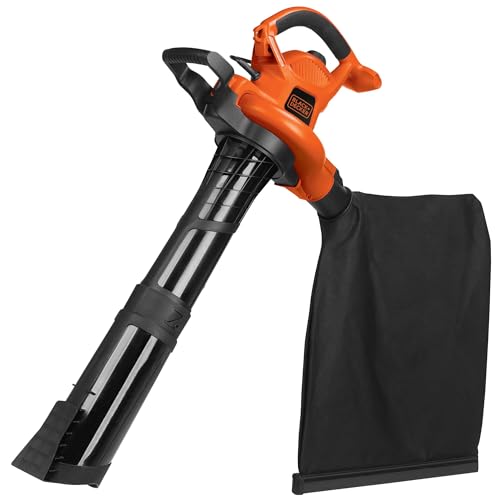
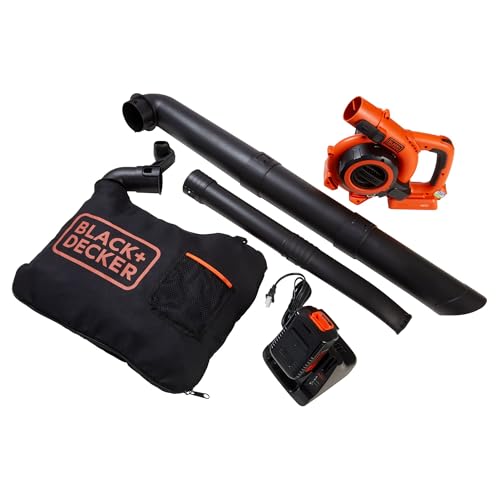
If you need to clear wet leaves and yard debris, an outdoor tool like the YOOVL electric leaf blower provides high-volume clearing power, though its larger frame makes it entirely unsuited for tight indoor electronics. For desks, keyboards, and PC cases, a handheld micro-duster offers the concentrated airflow required for fine particles but cannot push outdoor yard waste.

Pros
- High-speed motor reaches up to 130,000 RPM
- Includes 5 interchangeable cleaning nozzles
- Built-in LED light for illuminating dark crevices
- Up to 240 minutes runtime on the lowest setting
Cons
- Maximum speed runtime is limited to 25 minutes
- Audible operation reaches up to 82.5 dB
- Requires a 10-minute cooldown period before charging
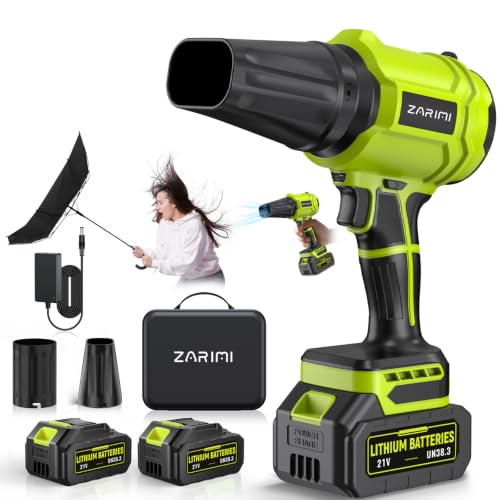
Pros
- Extremely lightweight at only 2.8 pounds for low-fatigue use
- Reaches stated air speeds over 50 m/s (110+ MPH)
- Comes with two batteries and charger for alternating use
- Includes a concentrated narrow nozzle for detailed edging
- Compact footprint stores easily in tight spaces or vehicle trunks
Cons
- Limited runtime of only about 13 minutes per battery
- Not designed for moving heavy or deep piles of wet leaves

Pros
- Airflow rated up to 650 CFM using advanced turbo technology
- Comes with two high-capacity 20V 5.2Ah batteries and fast charger
- Three selectable speed modes for delicate to heavy-duty jobs
- Includes an adjustable shoulder strap to reduce arm fatigue
- Includes blower tube and extension nozzle attachments
Cons
- Maximum 150-minute runtime applies only to low-speed mode
- Heavier battery packs may add weight during prolonged handheld use

Pros
- Includes two 21V 4.0Ah batteries for extended runtime
- Delivers up to 420 CFM airflow and 150 MPH air speed
- Lightweight design weighs under 3 lbs bare tool for low fatigue
- Comes with both round and flat interchangeable nozzles
- Two adjustable speed settings for varying cleanup tasks
Cons
- Limited to two preset airflow speeds
- Best suited for dry leaves and light debris rather than heavy wet waste

Pros
- Brushless motor reaches up to 280,000 RPM
- Smart LCD screen shows battery level and speed mode
- Includes 4 precision nozzles and 2 cleaning brushes
- Built-in LED light illuminates dark hardware areas
- Provides 90 to 150 minutes of runtime per charge
Cons
- Recharging takes between 2.5 and 3 hours
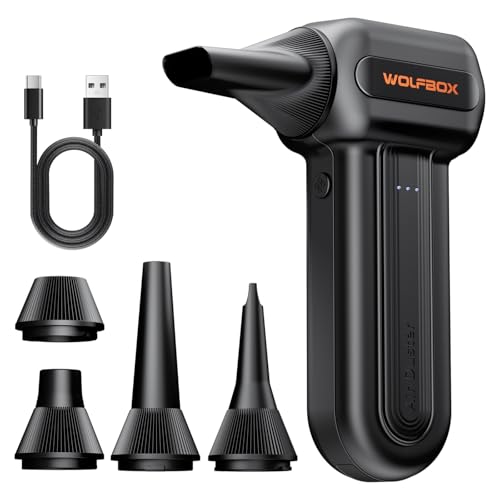
Pros
- Reaches up to 110,000 RPM on high gear
- Weighs just 0.5 lbs for portable everyday carry
- Includes 5 specialized nozzles for versatile tasks
- Dual 2500mAh batteries run up to 240 mins on low
Cons
- Requires up to 3.5 hours for a full charge
- Top speed runtime is considerably shorter than low gear

Pros
- Reaches up to 110,000 RPM for efficient dust removal
- Ultra-compact, lightweight body weighs just 0.45 lbs
- Includes four specialized nozzles and a lanyard
- Recharges in roughly 3.5 hours via USB Type-C
- Sustainable alternative to disposable canned air
Cons
- Max speed runtime is significantly shorter than low gear
- Recharge time takes roughly 3.5 hours
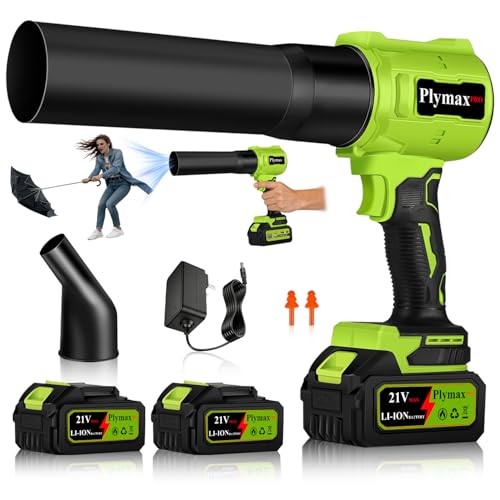
Pros
- Includes two 21V 4.0Ah lithium batteries and a charger
- Motor rated up to 800,000 RPM for focused air speeds
- Includes both a wide nozzle and a precision jet nozzle
- Suitable for outdoor patios, garage dusting, and car drying
- Compact, lightweight handheld design minimizes fatigue
Cons
- Compact frame less suited for expansive lawn leaf clearing
- Airflow volume specifications are not provided
Yard Debris Versus Electronics: Defining the High Power Blower
Choosing a high power blower starts by separating broad outdoor leaf clearing from micro-scale precision electronics maintenance. The market groups full-sized garden tools and pocket-sized high-speed dusters under the same broad label, yet their mechanisms serve opposite jobs.
Large-format tools, such as the YOOVL Leaf Blower Cordless or the VIBOGEN Electric Leaf Blower, rely on wide airflow tubes to push bulk lawn waste across lawns, driveways, and patios. In contrast, compact units like the WOLFBOX MF60 or CAGIWIRU Compressed Air Duster use narrow nozzles and micro-turbines to dislodge stubborn debris from hardware components. Buying a high-velocity mini duster for lawn care will leave you stranded, while pointing an outdoor leaf blower at a computer circuit board risks physical damage from broad, uncontrolled force. If you primarily manage outdoor pathways, reviewing a dedicated leaf blower for driveway application provides clearer context for heavy debris removal.
Air Volume Against Motor Velocity: Understanding CFM and Advertised RPM
Cubic feet per minute (CFM) measures the overall volume of air a blower moves, whereas revolutions per minute (RPM) measures motor rotational speed. High advertised RPM does not automatically translate to moving large leaf piles.
Garden blowers rely heavily on volume: the YOOVL model advertises up to 650 CFM, while the VIBOGEN blower lists 420 CFM alongside an advertised 150 MPH wind speed. This substantial volume of air dislodges damp ground cover and spreads wide enough to sweep lawns efficiently. Conversely, mini turbine dusters like the MiaEpic Z3 claim up to 280,000 RPM, and handheld outdoor tools like the YUQUESEN list an advertised 980,000 RPM. These figures denote internal turbine velocity rather than massive airflow displacement. High velocity through a narrow opening delivers concentrated pressure for spot cleaning, but without adequate CFM, moving widespread yard waste remains slow and impractical.
Comparing Outdoor Yard Cleaners: YOOVL Versus VIBOGEN
For sweeping wet leaves and heavy debris, the YOOVL 650CFM Cordless Blower delivers higher advertised air output, while the VIBOGEN Electric Leaf Blower offers a lighter tool body at a lower purchase price.
The YOOVL kit includes two 20V 5.2Ah batteries, a fast charger, and an adjustable shoulder strap to offset physical fatigue during larger property cleanups. It features three speed modes designed to transition from delicate porch dusting to wet leaf displacement. On the other hand, the VIBOGEN operates with two 21V 4.0Ah batteries and provides a two-speed throttle, pushing an advertised 420 CFM and 150 MPH. The bare VIBOGEN tool weighs just 2.74 lbs without the battery pack, making it noticeably nimble for one-handed operation around fences and steps. However, the trade-off comes down to power capacity: YOOVL supplies larger 5.2Ah battery reserves suited for extended clearing, whereas VIBOGEN trades maximum volumetric capacity for lightweight maneuverability.
Compact Precision Dusters: CAGIWIRU Versus WOLFBOX MF60
For indoor dusting and tech maintenance, the CAGIWIRU 130,000 RPM unit provides higher claimed peak motor speeds and an LED work light, whereas the WOLFBOX MF60 is exceptionally light at 0.5 lbs for portable gear bags.
The CAGIWIRU unit operates across three speeds with noise levels specified by the manufacturer between 73.2 dB and 82.5 dB. It features a built-in LED to illuminate dark keyboard crevices or computer chassis interiors and ships with five interchangeable nozzle attachments. By comparison, the WOLFBOX MF60 weighs 0.5 lbs and tops out at an advertised 110,000 RPM across three gears. It includes targeted attachments such as a flat desk nozzle and an inflator adapter for camping pads. The trade-off centers on ergonomics and battery protection: CAGIWIRU explicitly warns that the unit must cool for ten minutes after depletion before recharging to protect battery health, while the WOLFBOX MF60 leans into pocket-sized convenience with its dual 2500mAh cell arrangement.
Battery Management and Real-World Cleaning Constraints
Cordless high-drain blowers consume battery reserves rapidly on maximum settings, making dual-battery kits essential for completing continuous cleaning projects.
Outdoor units handle this challenge by supplying dual removable battery packs. The YUQUESEN Cordless Leaf Blower provides two lithium batteries delivering an advertised 13+ minutes of strong airflow each, totaling roughly 26 minutes of high-demand runtime. The Plymax Cordless Leaf Blower also includes two 21V 4.0Ah packs to ensure continuous rotation while clearing driveways or drying vehicle exteriors. For compact micro-dusters, batteries are internal; the WOLFBOX MegaFlow 50 and MF60 rely on USB-C recharging that takes roughly 3.5 hours to replenish after extended use. When planning your chores, remember that maximum power settings drain packs significantly faster than baseline eco modes, so budget your clearing time accordingly.
High Power Blower Frequently Asked Questions
Can I use an electric air duster to blow leaves off my patio?
Handheld air dusters generate high air velocity through a very narrow nozzle, which works well for dislodging dust from car consoles or keyboards. However, they lack the air volume (CFM) required to move piles of leaves or broad yard waste efficiently across a patio.
Why do cordless blowers include two battery packs?
Operating a blower motor at high speeds draws substantial current, which exhausts single lithium-ion packs relatively quickly under continuous load. Including two battery packs allows you to alternate batteries or finish a standard yard maintenance session without long charging interruptions.
Is high RPM more important than high CFM in a leaf blower?
CFM (cubic feet per minute) is generally more important for outdoor leaf blowers because it measures the total volume of air moving debris across the ground. RPM indicates motor turbine speed, which creates concentrated air pressure but will not move broad piles without adequate overall air volume.
Choosing the Right High Power Blower for Your Space
Matching a blower to your property or workspace depends strictly on the size of the debris and the physical area you need to maintain. High advertised velocity numbers cannot compensate for an undersized nozzle when sweeping a driveway, just as an outdoor tool cannot replace a fine detail duster on a workbench.
For sweeping lawns, patios, and seasonal yard waste, the YOOVL Leaf Blower Cordless is the recommended choice due to its strong 650 CFM rating, dual 5.2Ah batteries, and included shoulder strap. Its primary limitation is bulk; at full size, it cannot perform delicate indoor dusting. If your priority is clearing dust from computer hardware, camera gear, and vehicle consoles, choose the CAGIWIRU Compressed Air Duster instead for its precision nozzles and portable frame.