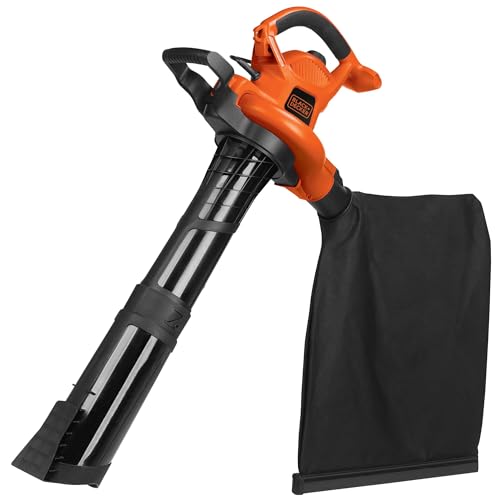
For clearing medium to large yards without dragging an extension cord, cordless 40V models provide portable sweeping and suction, though runtime is strictly bound to your battery pack capacity. If you have dense autumn leaf piles situated close to power outlets, a corded 12-amp electric model delivers constant, unyielding suction at the expense of cord management.
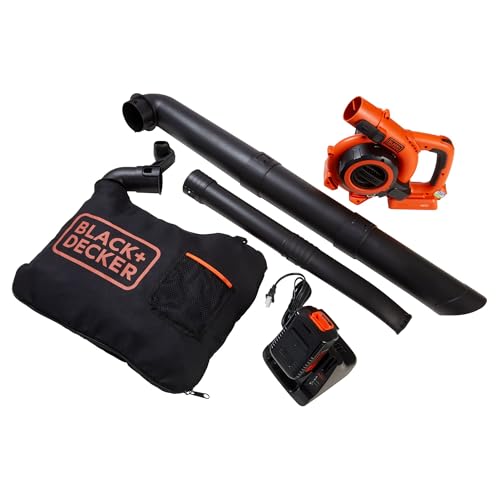
Pros
- Lightweight design at 5.4 lbs in blow mode and 6.9 lbs in vac mode
- 40V MAX battery with built-in state of charge indicator
- Mulching fan shreds up to 6 bags of leaves down to 1 bag
- Built-in scraper on the tube helps loosen stuck debris
- 6-speed Powercommand dial tailors airflow to the task
Cons
- Modest 120 mph maximum air velocity intended for hard surfaces
- Lower mulching ratio compared to larger yard units

Pros
- Tool-free conversion among blow, vac, and mulch modes
- Air speeds up to 230 mph with 2-speed settings
- Vortex impeller grinds up to 10 bags down to 1
- Built-in cord retainer helps prevent accidental unplugging
- Includes concentrator, blow/vacuum tubes, and bag
Cons
- Requires constant extension cord tether
- Two fixed speeds offer less fine-tuned control

Pros
- Instant switch between blow and vacuum modes
- High 18:1 mulch ratio maximizes bag capacity
- Rated up to 350 CFM and 210 MPH air output
- Variable-speed control for different debris types
- Includes 42L debris collection bag
Cons
- Corded design limits overall yard reach
- Weighs 9.3 pounds before debris accumulates

Pros
- High-output airflow rated up to 600 CFM and 160 MPH
- Includes two 4.0Ah batteries for cordless runtime
- Efficient 15:1 mulching ratio reduces disposal volume
- Tool-free easy-clean access gate for clearing clogs
- Height-adjustable wheels and anti-static handle for user comfort
Cons
- Turbo Boost and top speeds will deplete battery runtimes quickly
- Weighs 10 pounds, which may tire some users during extended sessions

Pros
- Brushless motor delivers up to 700 CFM and 180 MPH
- 3-in-1 tool-free blowing, vacuuming, and mulching
- Stated 15:1 mulch ratio with a 40L collection bag
- Adjustable support wheels help carry the tool's weight
- Includes two 4.0Ah batteries and a quick-access clean gate
Cons
- Total runtime is limited to up to 30 minutes
- Turbo blast mode is restricted to 10-second bursts
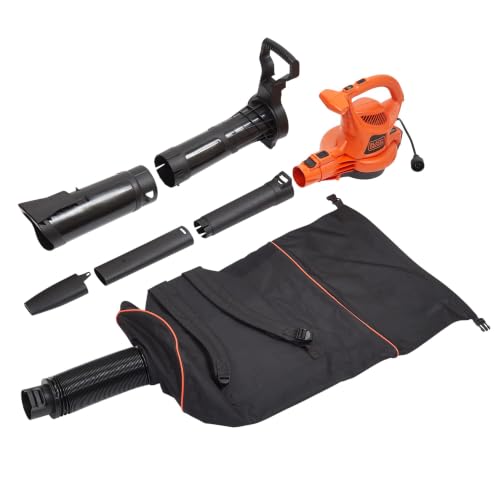
Pros
- High performance delivering up to 250 MPH and 400 CFM
- POWERBOOST button supplies extra power on demand
- Hands-free backpack collection bag doubles standard capacity
- Zipper-free bag design with wide opening for easy emptying
- Flexible tube improves maneuverability during vacuum mode
Cons
- Corded design requires an extension cord and limits total range
- Heavier build at 11.1 pounds before collecting leaves

Pros
- 2-in-1 blower and vacuum with quick-change switch
- Delivers up to 460 CFM and 167 MPH airflow
- Anti-jam internal suction tube and secure snap buckle
- Includes 40L collection bag with 15:1 mulch ratio
Cons
- Tethered cord limits working range
- Requires an outdoor extension cord (not included)

Pros
- Delivers up to 600 CFM of blowing output
- Tool-free switch between blow and vac modes
- 16:1 mulch ratio compacts collected leaves
- Large 50L collection bag included
- Variable-speed control for tailored airflow
Cons
- Requires an extension cord and nearby power source
- Weighs 9.1 pounds before filling collection bag

Pros
- 12-amp motor achieves up to 250 MPH and 400 CFM
- High-impact metal fan prevents clogs and offers 16:1 mulch ratio
- Includes a disposable tie-and-toss leaf bag system
- Two speed settings suited for delicate flower beds or stuck debris
- Built-in cord retainer keeps extension cords secured
Cons
- Corded design restricts cleaning area to cord length
- Disposable bags will require replacement purchases once used
Corded Power vs. Cordless Mobility for Leaf Vacuums
Corded models provide unlimited runtime and sustained power, making them ideal for heavy yard work near exterior outlets, whereas cordless models offer total freedom of movement with runtime constraints. Choosing between these formats depends primarily on property layout and the volume of debris you need to shred in a single session.
Corded options like the WORX Trivac 3-in-1 Electric Leaf Blower/Leaf and BLACK+DECKER Corded Leaf Blower Leaf Vacuum run on continuous 12-amp electric motors. This setup prevents power fade during extended leaf collection, but buyers must factor in the purchase of a heavy-duty outdoor extension cord and manage tethering around shrubs. Exploring our broader guide on what leaf blower is the best reveals how motor power curves affect collection performance.
In contrast, cordless models such as the MZK 40V Leaf Vacuum Mulcher and HEYWORK 40V Yard Blower Vacuum include dual 4.0Ah battery packs to eliminate trip hazards and extend reach to distant fence lines. While MZK advertises up to 30 minutes of continuous runtime, battery drain increases quickly if you rely on high-speed modes, meaning users with heavily wooded lots may need to plan recharges mid-cleanup.
Mulch Ratio and Collection Bag Capacity Trade-Offs
A higher advertised mulching ratio significantly reduces the frequency of bag disposal, though fine shredding requires proper moisture control to avoid impeller jams. The collection capacity determines how long you can collect debris before stopping to empty the bag.
Manufacturer-advertised mulch ratios among these combo units vary widely:
- 18:1 Ratio: The WORX Trivac 3-in-1 Electric Leaf Blower/Leaf advertises an 18:1 reduction paired with a 42-liter bag, turning large volumes of dry leaves into compact garden mulch.
- 15:1 to 16:1 Ratio: The WORX Trivac 3-in-1 Electric Leaf Blower/Leaf features a 16:1 reduction with a large 50-liter bag, while the BLACK+DECKER Leaf Blower Leaf Vacuum and Leaf advertises 16:1 mulching backed by a high-impact metal fan to resist debris wear. The MZK and HEYWORK cordless designs advertise a 15:1 reduction into 40-liter bags.
- 6:1 Ratio: The lightweight BLACK+DECKER Leaf Blower Cordless Leaf Vacuum provides a modest 6:1 reduction ratio, making it better suited for light patio sweepings rather than thick lawn covers.
While larger bags like the 50-liter WORX bag reduce dump stops, they also become substantially heavier as dry leaves pack down, shifting strain to your arms and shoulders during prolonged vacuuming.
Tool-Free Mode Conversion and Handling Ergonomics
Switch-based conversion mechanisms allow instant shifts between blowing and vacuuming without carrying spare tubes, whereas multi-tube systems require manual component swapping. Your preference for convenience versus tool weight will dictate which setup feels best during yard maintenance.
Both WORX Trivac models feature an integrated lever that redirects internal airflow instantly. This allows you to blow leaves out of garden borders and immediately vacuum them up without disassembling nozzles. Conversely, tools like the BLACK+DECKER Corded Leaf Blower Leaf Vacuum utilize interchangeable tubes for blowing and vacuuming. While tube swapping takes a moment, separate tubes can optimize nozzle shapes for specific tasks, such as sweeping smooth pavement—a technique covered in our guide on leaf blower for driveway cleaning.
For carrying comfort, the BLACK+DECKER Leaf Blower uses an easy-to-wear backpack bag with a flexible suction tube, transferring bag weight directly to the shoulders. Cordless platforms like the MZK and HEYWORK 40V models incorporate height-adjustable support wheels at the base of the suction tube, enabling you to roll the vacuum across the turf rather than holding the entire tool aloft.
High-Airflow Comparison: WORX WG512 vs. MZK 40V
Comparing the corded WORX WG512 directly against the cordless MZK 40V highlights the trade-off between unlimited corded volume and cordless high-velocity flexibility. Both units aim at larger residential properties but solve leaf collection through distinctly different power delivery systems.
The WORX Trivac 3-in-1 Electric Leaf Blower/Leaf relies on a corded 12-amp motor producing an advertised 600 CFM of airflow, feeding directly into a substantial 50-liter zippered bag. It operates without battery recharge delays, but the unit’s operational radius is strictly governed by power cord reach.
The MZK 40V Leaf Vacuum Mulcher delivers an advertised 700 CFM and 180 MPH using a brushless motor powered by two 4.0Ah batteries. It features ground-support wheels and an internal anti-jam suction tube with an easy-access cleanout gate. However, its 40-liter collection bag is smaller than the corded WORX, and extended use at high speeds will deplete the two included batteries before large properties are completely cleared.
Leaf Blower / Vacuum Frequently Asked Questions
Can a leaf blower / vacuum handle wet leaves?
While high-speed blowers can dislodge damp debris, vacuuming soaking wet leaves increases the risk of clogs inside the suction tube and mulching fan. Clearing dry or lightly damp leaves ensures the best shredding results and prevents bag clogs.
What is the benefit of a metal impeller over plastic?
Metal mulching fans, such as the one featured on the BLACK+DECKER BV6000, provide greater durability when small twigs, acorns, or harder debris accidentally enter the vacuum stream alongside dry leaves.
Choosing the Right Leaf Blower / Vacuum for Your Yard
Finding the right combination machine comes down to property acreage, leaf density, and how much weight you are willing to manage while mulching. Compact yards with accessible exterior power outlets favor corded reliability, while multi-zone gardens or detached hardscapes demand the cord-free mobility of modern 40-volt battery equipment.
For standard residential yards seeking continuous power and straightforward operation, the WORX Trivac 3-in-1 Electric Leaf Blower/Leaf is our recommended pick, offering a high-volume 600 CFM airflow, quick lever conversion, and an expansive 50L collection bag for homeowners tackling heavy seasonal fall debris. Its primary limitation is the need for an outdoor extension cord, which restricts total range. Buyers requiring total boundary freedom should consider the cordless MZK 40V Leaf Vacuum Mulcher, which provides dual-battery portability and support wheels at the expense of finite runtimes.