Quick Answer: How Much Does A Sawzall Cost?
Reciprocating saws (sawzalls) typically cost between $50 and $500+, depending on the type, brand, and features. Entry-level corded models start around $50-$150, cordless versions range from $100-$300, and professional-grade saws can exceed $500. The final price depends on motor power, stroke length, battery capability, and whether accessories are included.

Pros
- 1-1/8-inch stroke length supports fast cutting speeds
- Keyless lever-action clamp allows quick blade swaps
- Brushless motor provides heavy-duty cutting power
- Includes XR POWERPACK battery and charger
- Manufacturer rates it for up to 102 cuts per charge
Cons
- Relatively heavy kit package at 15.55 pounds

Pros
- Cordless design with high-power output for tough cutting applications
- Fast cutting specs with variable speed and a long stroke length
- Tool-free blade changes help speed up work on the jobsite
- LED light improves visibility in dim work areas
Cons
- Tool only, so the battery and charger are not included
- Best suited to users already invested in the DEWALT FLEXVOLT battery platform
- No accessory bundle or storage case is listed in the manufacturer listing
Overview & Design: The DEWALT FLEXVOLT 60V MAX Reciprocating Saw DCS389B is a cordless, tool only saw designed for cutting and demolition work. It combines a compact jobsite-friendly layout with a rubber overmold grip for added comfort and control.
Performance & Key Features: With up to 19% more power than the DCS388, 0 to 3000 spm, and a 1-1/8-inch stroke length, this saw is built for fast cutting performance. The keyless lever-action blade clamp makes blade changes easier, while the variable-speed trigger and pivoting shoe help users adapt to different materials and cutting angles.
Drawbacks & Considerations: This is a tool only version, so the battery and charger are not included. Buyers should also note that the FLEXVOLT platform is most practical for those who already own compatible DEWALT batteries or plan to invest in the system.
Verdict: The DCS389B is a strong fit for contractors, remodelers, and serious DIY users who want high cutting power without a cord. It offers a well-rounded mix of speed, control, and convenience, especially for users who need a cordless reciprocating saw for demanding work.

Pros
- Fast, tool-friendly blade changes with the lever-actuated clamp
- LED work light adds visibility during cutting
- Durability-focused battery connection helps support long-term use
- Bare tool only format can be a cost-efficient choice for existing M18 users
Cons
- Battery and charger are not included
- No detailed performance specs such as stroke length, speed, or runtime are provided in the manufacturer listing
- Best suited for users already on the Milwaukee M18 platform
Overview & Design: The Milwaukee M18 FUEL Sawzall Brushless Cordless Reciprocating Saw is a bare-tool option built for users who want a cordless cutting tool without bundled power accessories. Its brushless design and reinforced battery connection suggest a focus on durability and long-term jobsite use.
Performance & Key Features: The wear-resistant, lever-actuated blade clamp is a practical feature for faster blade changes, while the built-in LED light helps improve visibility at the cut line. As a cordless reciprocating saw, it is aimed at demolition, remodeling, and general cutting tasks where mobility matters.
Drawbacks & Considerations: This version does not include a battery or charger, so it is best for buyers already using Milwaukee M18 tools. The manufacturer listing does not list deeper performance details such as runtime, stroke rate, or included accessories, so those factors should be checked before purchase.
Verdict: This is a sensible pick for Milwaukee M18 owners who want a brushless reciprocating saw with easy blade changes and a work light. It offers solid utility in a compact product summary, but the bare-tool format means it is less convenient for first-time buyers.

Pros
- Brushless motor and 20V MAX XR platform are designed for efficient runtime.
- Compact size is well suited to tight spaces, remodeling, and stud work.
- Lightweight build helps reduce fatigue during longer cutting sessions.
- Variable speed control offers more precision for different materials.
Cons
- Tool only package does not include a battery or charger.
- Compact design is optimized for maneuverability, not maximum size or reach.
- Users needing a fully bundled kit will need to purchase compatible 20V MAX batteries separately.
Overview & Design: The DEWALT DCS367B is a 20V MAX XR cordless reciprocating saw built around a compact, lightweight form factor. At 14.5 inches long and about 5 lbs. as a tool only unit, it is designed to be easier to handle in tight spaces than larger saws.
Performance & Key Features: This model uses a brushless motor for improved runtime and delivers up to 2,900 SPM with a 1-1/8 inch stroke length. The variable speed trigger supports better control, while the keyless 4-position blade clamp and built-in LED light add convenience and visibility during cutting.
Drawbacks & Considerations: The main limitation is that this is a tool only purchase, so battery and charger are not included. Its compact format is a strength for mobility, but buyers who want a full kit or the largest cutting platform may need a different setup.
Verdict: The DCS367B is a strong fit for contractors, remodelers, and homeowners who need a portable reciprocating saw for tight access work. It offers a practical mix of runtime, control, and maneuverability without unnecessary bulk.

Pros
- Brushless motor design offers stronger performance than basic brushed models
- Fast tool-free blade changes improve jobsite efficiency
- Variable-speed trigger and 2-speed settings provide flexible control
- LED work light adds usefulness in low-light spaces
Cons
- Bare tool only, so a compatible battery and charger must be purchased separately if you do not already own them
- No detailed specs were provided for stroke length, weight, or included accessories
- Best value is mainly for users already invested in the CRAFTSMAN V20 battery platform
Overview & Design: The CRAFTSMAN V20 RP CMCS351B is a cordless reciprocating saw built as a bare tool, which makes it best suited for users already using the V20 platform. Its brushless motor and compact saw format point to a tool intended for practical cutting, demolition, and general jobsite use.
Performance & Key Features: This model offers 2-speed control with a range of 0 to 2,300 SPM on low and 0 to 3,200 SPM on high, plus a variable-speed trigger for more controlled starts and cleaner handling. The tool-free blade release is a useful real-world advantage, and the LED light adds visibility when working in darker spaces.
Drawbacks & Considerations: The biggest limitation is that this is a bare tool only, so battery and charger are not included. Buyers should also note that the manufacturer listing does not list details such as stroke length, weight, or included blades, which may matter for comparing it with other reciprocating saws.
Verdict: This saw is a solid fit for CRAFTSMAN V20 users who want a cordless reciprocating saw with brushless power, flexible speed control, and quick blade changes. It is less appealing for first-time buyers who still need to assemble the battery system from scratch.
What Is a Sawzall and Why Does Price Vary?
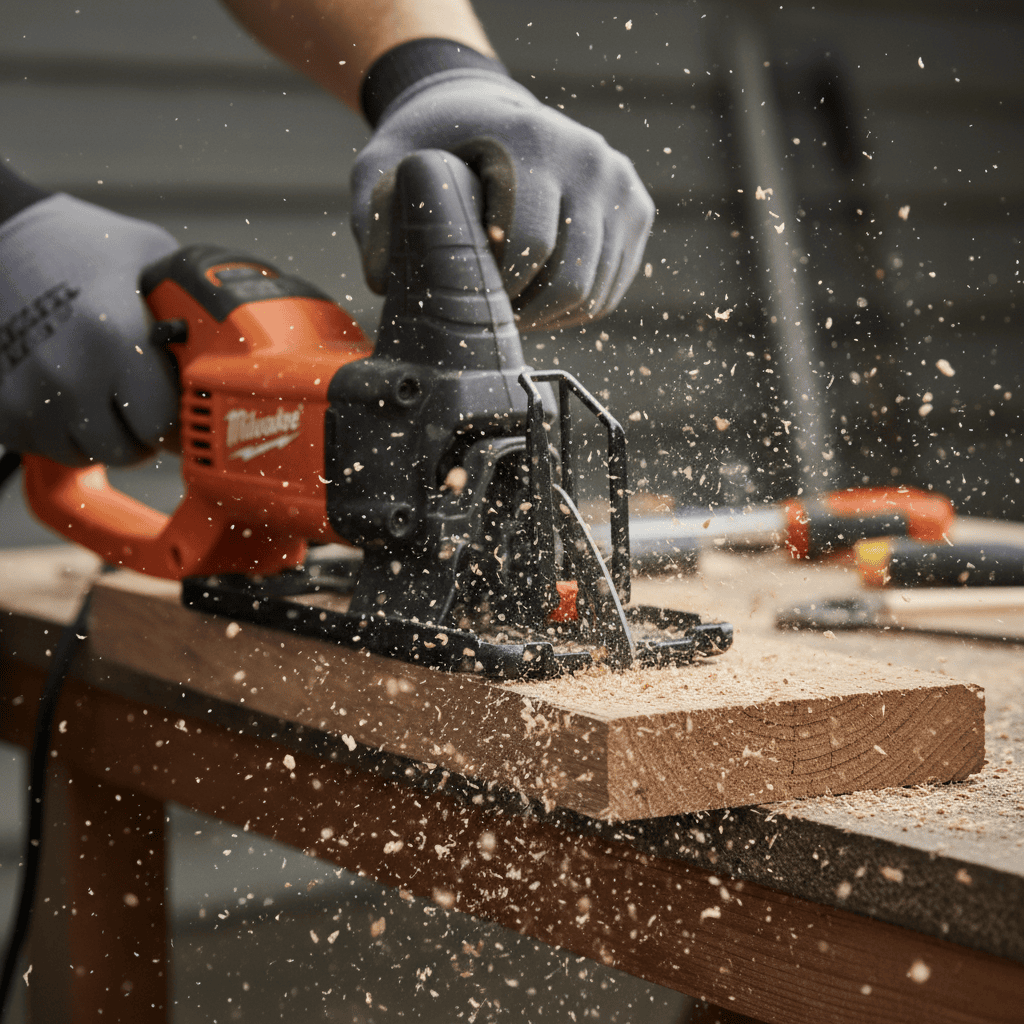
A reciprocating saw, commonly called a sawzall (a brand name popularized by Milwaukee), is a handheld power tool that moves a blade back and forth in rapid strokes. It’s designed for cutting through wood, metal, plastic, and composite materials in tight spaces and curved paths that traditional saws cannot reach.
Prices vary widely because sawzalls differ in several fundamental ways:
- Power source: Corded models are less expensive but require an outlet; cordless models cost more but offer mobility.
- Motor strength: Higher-amperage corded motors and higher-voltage batteries increase price.
- Stroke length and speed: Professional tools with longer strokes and faster cycles cost more.
- Build quality: Consumer-grade tools use lighter materials; professional models feature reinforced housings and better heat management.
- Included accessories: Battery, charger, carrying case, and blade bundles raise the initial cost but improve overall value.
- Brand reputation: Established brands like DeWalt, Milwaukee, and Makita typically cost more than lesser-known manufacturers.
Price Breakdown by Tool Type
Corded Reciprocating Saws ($50-$200)
Corded models are the most affordable entry point. Prices typically break down as follows:
- Budget corded saws ($50-$100): These basic models deliver adequate power for occasional DIY projects like demolition, cutting PVC, or light renovation work. They usually feature 5 to 7 amp motors and basic ergonomics. Suitable for homeowners who use the tool a few times per year.
- Mid-range corded saws ($100-$150): These offer improved motor power (7 to 9 amps), better vibration control, and longer stroke lengths (up to 1-1/8 inches). Better for frequent DIY users or light professional work.
- Professional corded saws ($150-$200): High-amperage motors (10+ amps), advanced speed control, and durable construction. Designed for construction professionals who rely on the tool daily and value reliability over initial cost savings.
Advantage: No battery maintenance; consistent power output. Drawback: Limited by cord length; requires proximity to an outlet.
Cordless Reciprocating Saws ($100-$400)
Cordless models have become increasingly popular as battery technology improves. Pricing varies significantly based on battery voltage and included components:
- Budget cordless saws ($100-$150): 18V or 20V models without batteries and chargers. May require separate battery system purchase. Good for casual users who want tool flexibility without cord restrictions.
- Cordless kits ($150-$250): Include the saw, one or two batteries, and a charger. 20V systems dominate this range. Ideal for homeowners and light commercial users needing a complete, ready-to-use package.
- High-performance cordless saws ($250-$400): 40V or higher voltage systems with larger capacity batteries. Professional-grade brands like Milwaukee and DeWalt command premium prices. Suitable for contractors and frequent users who prioritize runtime and power.
Advantage: Mobility, no cord entanglement, cordless ecosystem compatibility. Drawback: Battery runtime limitations; battery replacement costs add up over time.
Professional-Grade Reciprocating Saws ($200-$500+)
These tools target construction professionals and serious contractors. They feature heavier-duty construction, longer warranties, and superior ergonomics. Brand and voltage significantly influence pricing. A professional-grade 40V Milwaukee or DeWalt cordless saw can exceed $400-$500 without batteries. Premium corded professional models typically cost $200-$300 due to their high amperage and durability engineering.
Key Features That Impact Price
Stroke Length
Stroke length (the distance the blade travels per cycle) ranges from 3/4 inch to 1-1/4 inches. Longer strokes allow faster material removal and deeper cutting capabilities. Saws with longer strokes (1-1/8 or 1-1/4 inches) typically cost $30, $80 more than comparable models with shorter strokes because they require more powerful motors and reinforced internal mechanisms. Readers comparing setup options can review our technical analysis on marshall stanmore iii vs harman kardon onyx studio 8.
Motor Power (Amps or Voltage)
For corded saws, amperage correlates directly with cutting power and cost. A 5-amp budget model costs around $60-$80, while a 10-amp professional model costs $150-$200. For cordless saws, voltage matters: 18V systems are least expensive ($100-$150), 20V systems are standard for mid-range ($150-$300), and 40V systems are premium ($250-$400+). Higher voltage systems can sustain power longer under load.
Speed Settings and Control
Variable speed triggers or preset speed controls allow users to match blade speed to material type. Saws with electronic speed control cost $50, $100 more than fixed-speed models. This feature extends blade life and improves cutting precision, justifying the premium for professional users. For complementary field maintenance guidelines, examine our breakdown of dyson v8 cyclone vs bissell featherweight stick.
Battery and Charger Inclusion
Whether batteries and chargers are included dramatically affects price perception. A cordless saw sold alone costs $120-$180, but the same model in a kit with two batteries and a charger costs $200-$280. For buyers already in a battery ecosystem (DeWalt, Milwaukee, Makita), purchasing the tool-only version saves money. New users should budget for the full kit cost to get a complete, usable package.
Warranty and After-Sales Support
Premium brands typically offer 3, 5 year warranties and accessible support, which supports their higher pricing. Budget brands often provide 1, 2 year warranties. While not always apparent in purchase price, warranty coverage reduces long-term ownership costs for professionals. To evaluate matched hardware tolerances, consult our detailed overview of bissell crosswave hydrosteam vs shark stainforce.
Budget Considerations: Entry-Level vs. Professional
Under $100: What You Get
A reciprocating saw under $100 is almost always a corded model from a value brand. These tools work for occasional DIY tasks like cutting tree branches, removing trim, or light demolition. They lack advanced ergonomics, speed control, and durability for frequent use. Suitable for homeowners with 1 to 2 projects per year.
$150-$300: The Sweet Spot
This range includes quality mid-range corded models, cordless kits with batteries, and entry-level professional corded saws. These tools deliver sufficient power for regular DIY projects or light professional work. Many contractors own at least one cordless saw in this range for mobility. This price tier represents the best value for most users because the tool quality jumps noticeably compared to budget options while remaining affordable.
$300-$500+: Professional Investment
Premium cordless systems and top-tier corded saws command prices in this range. Professionals who use a reciprocating saw several times weekly justify the investment through durability, warranty coverage, and ecosystem compatibility (sharing batteries with other tools). If a tool fails on a construction job, downtime costs far exceed the initial tool investment, making reliability paramount.
Where to Buy and Money-Saving Tips
Retail Pricing Variations
Prices fluctuate across major retailers. Big-box stores (Home Depot, Lowe’s) often match online prices (Amazon). Specialty tool retailers may stock professional models with better selection but higher baseline prices. Factory outlets and online discount sites occasionally offer floor models or previous-year inventory at 15 to 25% discounts.
Refurbished and Open-Box Models
Refurbished saws from manufacturer outlets cost 20 to 35% less than new. These tools have been returned, tested, and restored to full function with the same warranty as new units from many brands. Open-box returns from retailers also offer savings if they were lightly used or unopened. This approach can be smart if purchasing through authorized dealers with clear return policies.
Kit vs. Bare Tool Strategy
For homeowners without cordless batteries already, purchasing a kit (tool + batteries + charger) offers better value than buying each component separately. Kits typically save $50-$100 compared to individual pricing. However, if you already own batteries compatible with the saw (DeWalt 20V, Milwaukee M18, etc.), buying the bare tool eliminates redundant batteries and chargers.
Seasonal and Promotional Discounts
Tool sales spike during spring (March-May) and before major holidays. End-of-season sales in late summer and fall can provide 10 to 20% discounts. Buying floor models at the end of a product cycle, when manufacturers release new versions, offers significant savings on perfectly functional older models.
Comparing Cost of Ownership
The cheapest initial purchase price isn’t always the most economical long-term. A $80 corded saw requiring cord management and limited cutting depth may cost more in frustration and time than a $200 cordless model that works efficiently in tight spaces. Professional users should factor in warranty claims, repair costs, and tool reliability when comparing options.
Common Questions on How Much Is A Sawzall Answered
How much should I spend on a sawzall if I’m a homeowner?
Most homeowners get good value from a $100-$200 reciprocating saw. A corded model under $100 works fine for occasional projects, while a cordless kit around $150-$200 offers better convenience if you already use cordless tools from the same brand. Professionals and frequent users should budget $250-$400 for reliability and power.
Are DeWalt and Milwaukee sawzalls worth the premium over budget brands?
Established brands typically cost $50-$150 more than lesser-known manufacturers, but they offer superior ergonomics, better motor design, more accessible warranty support, and higher resale value. For occasional users, the premium may not justify the cost. For professionals or daily users, the reliability and customer support of premium brands reduce downtime and frustration, making the investment worthwhile.
Is a corded or cordless sawzall better value?
Corded models are cheaper upfront ($50-$150), while cordless models cost more initially but eliminate cord management and offer greater freedom of movement. For a single-tool purchase, corded offers value. For multi-tool cordless ecosystems, cordless becomes valuable as you share batteries across several tools. Consider your existing tools and project environment when deciding.
Can I save money by buying a refurbished sawzall?
Yes, refurbished saws from authorized factory outlets typically cost 20 to 35% less and come with warranties (usually 1 to 3 years). If purchased through official channels with a clear return policy, a refurbished model is a legitimate way to save money on a reliable tool. Avoid third-party refurbished models without clear warranty coverage or return options.