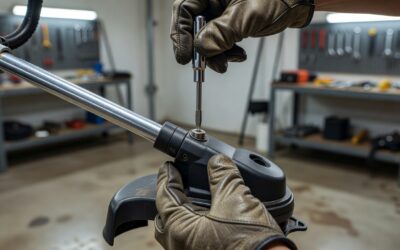
To change a lawn mower blade safely, first disconnect the spark plug wire to prevent accidental ignition and drain the fuel or tilt the mower with the carburetor facing upward to avoid engine flooding. Secure the blade using a block of wood to prevent rotation, then use a wrench to remove the mounting bolt while noting the orientation of the old blade. Install the new blade with the cutting edge and markings facing the ground, tighten the bolt according to your manufacturer’s specific torque requirements, and perform a brief test run to check for vibration.
When to Replace vs. Sharpen Your Mower Blade
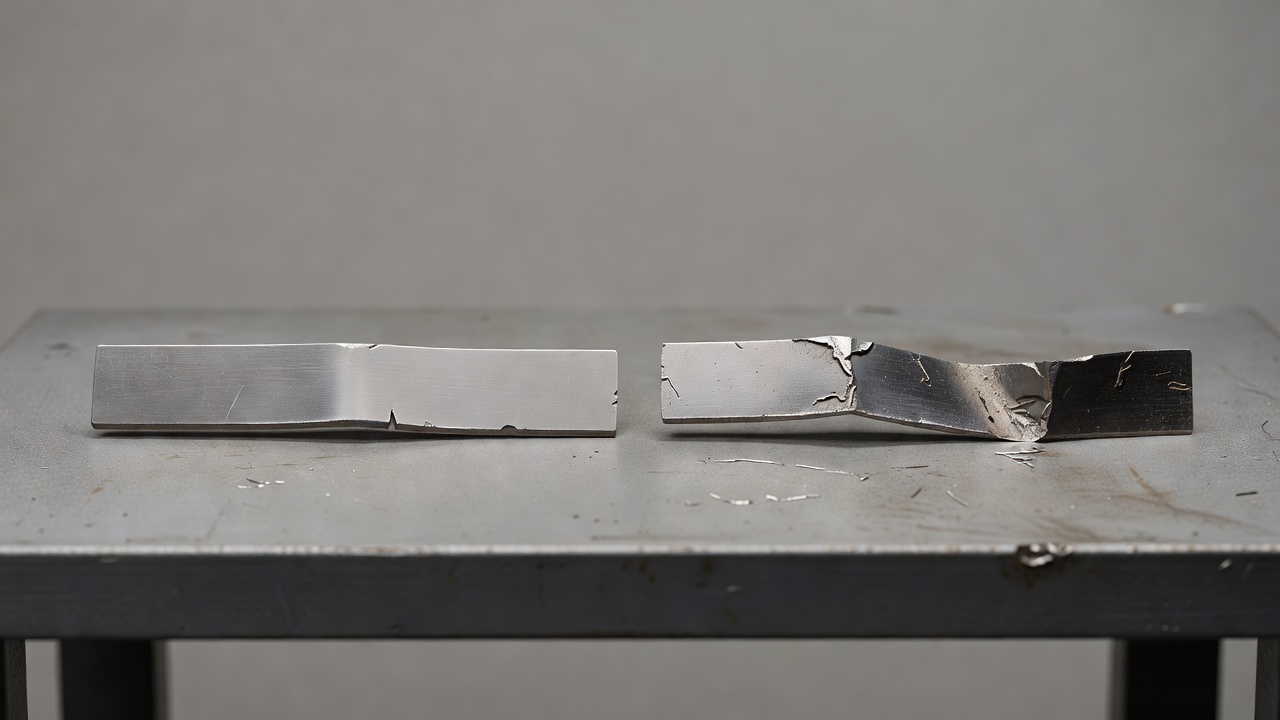
Understanding whether your blade requires sharpening or a complete replacement is the first step in maintenance. A blade that is dull, nicked, or showing minor wear can often be sharpened to restore its efficiency. However, you should replace the blade entirely if it shows signs of structural compromise, such as deep cracks, significant metal loss from repeated sharpening, or if the blade is bent or twisted. A bent blade creates dangerous vibrations that can damage the mower’s engine and spindle. Never attempt to sharpen a blade that has been compromised by structural damage, as the integrity of the metal is no longer reliable.
Safety Precautions Before You Start
Safety is paramount when performing lawn mower blade replacement. The most critical step is disconnecting the spark plug wire. This ensures that the engine cannot start while your hands are near the cutting deck. Additionally, be mindful of how you tilt the mower. If you tilt it, always ensure the air filter and carburetor are facing upward. Tilting the mower with the carburetor facing down can cause oil and fuel to seep into the air filter or intake, leading to starting issues. Always wear heavy-duty work gloves to protect your hands from the sharp edges of the blade.
Tools and Materials You’ll Need
Before beginning, gather the necessary equipment to ensure the process goes smoothly. You will typically need a socket wrench set or a torque wrench to ensure the bolt is tightened to the manufacturer’s specified tension. A block of wood is essential for wedging the blade to keep it stationary during removal and installation. If you are sharpening the blade, you will need a metal file or a bench grinder. A blade balancer is a useful, though optional, tool to ensure the blade is evenly weighted after sharpening, which helps prevent engine vibration.
Step-by-Step Blade Removal Process
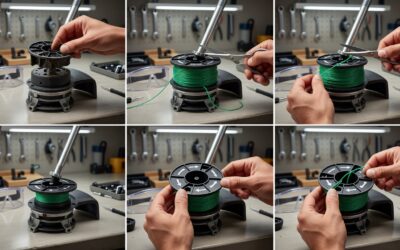
Once the mower is secured and the spark plug is disconnected, locate the blade bolt. Use a block of wood to wedge the blade against the mower deck; this prevents the blade from turning while you apply force to the wrench. Turn the bolt counter-clockwise to loosen it. If the bolt is rusted or stuck, a penetrating oil may be necessary. As you remove the bolt, take note of the order of any washers or spacers, as well as the orientation of the blade itself. Most blades are marked with a specific side that must face the ground.
Installing Your New Mower Blade
When installing the new blade, ensure that the cutting edges are angled toward the direction of rotation. The side of the blade with manufacturer markings—often labeled “this side down” or similar—must face the ground. Align the blade with the mounting spindle, replace the washers in their original order, and hand-thread the bolt to avoid cross-threading. Use a torque wrench to tighten the bolt according to the specifications found in your owner’s manual. Properly torquing the bolt is vital, as an under-tightened blade can wobble, while an over-tightened bolt can snap or damage the spindle.
Key Differences: Push Mowers vs. Riding Mowers
While the fundamental mechanics remain the same, the access to the blade differs between machine types. Push mowers are generally tilted on their side, whereas riding mowers may require you to raise the mower using a specialized lift or jack to reach the underside of the deck. Some riding mowers allow for deck removal, which provides easier access but is a more involved process. Always consult your specific model’s manual, as some riding mowers have specific safety interlocks that must be managed before working on the deck.
Testing Your Mower After Blade Installation
After reattaching the spark plug wire, perform a safety check before mowing your entire lawn. Start the engine in a clear, open area and listen for unusual noises or vibrations. If the mower vibrates excessively, shut it off immediately and inspect the blade installation. Ensure the bolt is tight and that the blade is properly centered. If the vibration persists, the blade may be unbalanced or the spindle may have been damaged during the previous operation. If you are unsure about the safety of the setup, consult a professional technician to ensure the mower is safe for operation.