Direct Answer: How to Operate a Husqvarna Riding Lawn Mower
Operating a Husqvarna riding lawn mower involves completing a pre-operation safety inspection, starting the engine using the ignition key, engaging the cutting deck with the blade lever, controlling movement via foot pedals and steering wheel, and performing proper shutdown procedures. The process requires familiarity with key controls: the seat safety switch (which prevents operation if the operator leaves the seat), throttle lever (engine speed), blade engagement lever, and transmission pedals. Always consult your specific model’s operator manual, as control locations and features vary across Husqvarna’s TS, YT, and LT series.
Pre-Operation Safety Checklist
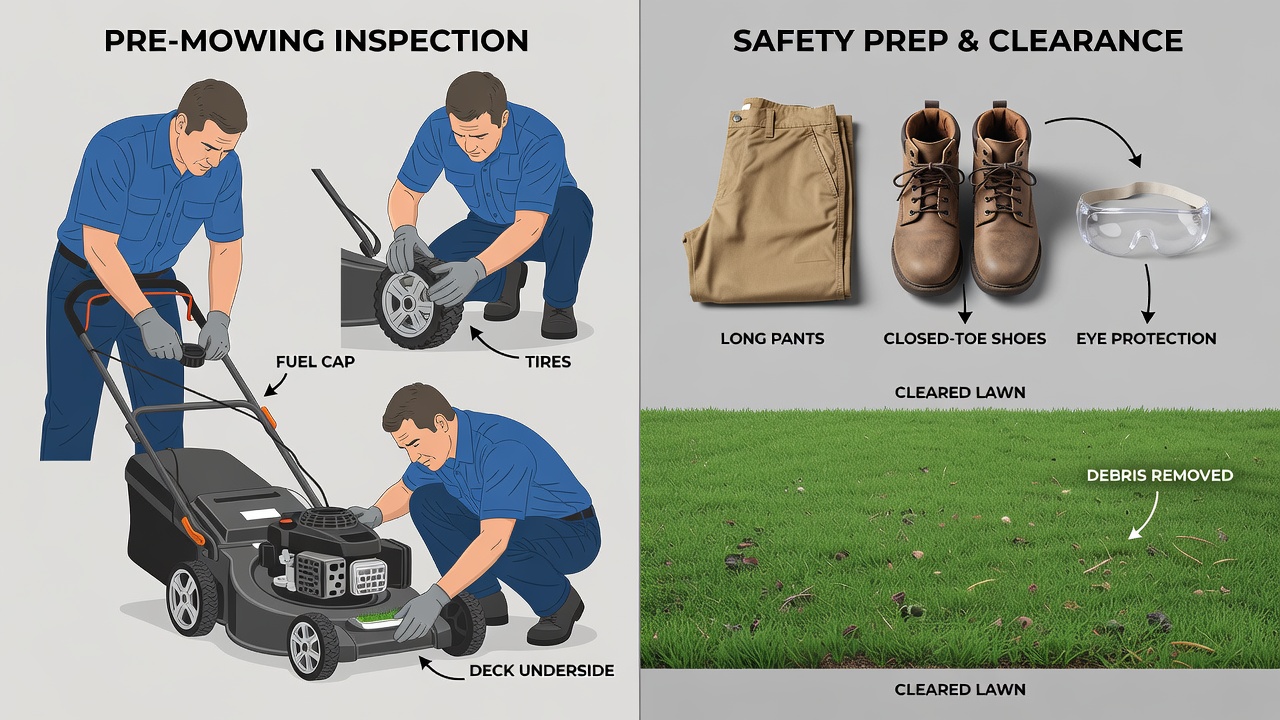
Before starting your Husqvarna riding mower, complete these essential checks to ensure safe operation:
- Wear appropriate safety gear: Long pants, closed-toe shoes, and eye protection. Avoid loose clothing that could catch on moving parts.
- Clear the lawn: Remove sticks, rocks, branches, and debris that could become projectiles or damage the blade.
- Inspect the deck and blades: Check for visible damage, dull blades, or buildup. Never operate with damaged or excessively worn blades.
- Check fuel level: Use fresh, unleaded gasoline appropriate for your mower’s engine (typically 87 octane minimum). For seasonal storage longer than 30 days, use fuel stabilizer or drain the tank.
- Verify oil level: Check the dipstick or sight glass when the mower is on level ground. Top off with the correct oil grade specified in your manual (typically SAE 10W-30 or 15W-40).
- Inspect tires: Ensure proper inflation and look for damage. Underinflated tires affect cutting quality and maneuverability.
- Test the seat safety switch: Sit on the seat and verify the mower will not start when you’re off the seat. This critical safety interlock prevents accidental operation.
- Check brake responsiveness: Press the brake pedal fully to confirm firm engagement.
Understanding Your Mower’s Controls
Husqvarna riding mowers share common control layouts, though exact positioning varies by model series. Familiarize yourself with these essential components:
Ignition Key and Starting Controls
The ignition key, typically located on the dashboard or steering column, operates in three positions: OFF, ON (runs electrical systems), and START (engages the starter motor). Most Husqvarna models also feature a choke control (manual lever or automatic) that enriches fuel mixture for cold starts.
Seat Safety Switch
This critical interlock requires the operator to remain seated for the mower to run. Leaving the seat automatically disengages the cutting deck and stops the engine. Never bypass or disable this safety feature.
Throttle Lever
Usually mounted on the dashboard, the throttle lever controls engine RPM from idle to full throttle. Position it at mid-throttle for starting, then adjust for optimal cutting and fuel efficiency during operation.
Blade Engagement Lever
This lever (or pedal on some models) engages and disengages the cutting deck. In the OFF position, blades stop while the engine continues running—useful for transitioning between lawn sections. Move to ON to activate blade rotation.
Transmission Pedals and Steering Wheel
Most Husqvarna riding mowers use foot pedals for forward and reverse movement, with hand steering via a standard steering wheel. Some models feature a hydrostatic transmission with a single pedal for variable speed control; others use traditional gear shifting. Refer to your specific model’s manual for exact operation.
Parking Brake
Always engage the parking brake (typically a foot pedal or hand lever) when the mower is stationary. This prevents unintended movement on slopes or during maintenance.
Starting and Warming Up the Engine
Follow this sequence to start your Husqvarna riding mower correctly:
- Sit firmly on the seat to activate the seat safety switch.
- Ensure the blade engagement lever is in the OFF position to prevent the cutting deck from engaging during startup.
- Set the throttle lever to mid-position for a cold start.
- If your mower has a manual choke, engage it (pull the choke lever fully).
- Turn the ignition key to the ON position (do not start yet).
- Turn the ignition key to START and hold until the engine fires (typically 3–5 seconds). Once it starts, release immediately to avoid starter damage.
- Disengage the choke gradually as the engine warms (about 30 seconds). Modern Husqvarna mowers often have automatic chokes that disengage without operator input.
- Allow the engine to idle for 1–2 minutes before engaging the cutting deck or moving forward.
If the engine does not start: Wait 10 seconds, then try again. Repeated starting attempts without success may indicate a spark plug issue, clogged fuel filter, or old fuel. Consult your manual or contact a dealer.
Operating the Mower: Driving and Cutting
Engaging the Cutting Deck
Once the engine has warmed and is idling smoothly, move the blade engagement lever to ON. You should hear the cutting deck engage and feel a slight vibration as the blades rotate. Always engage the deck only when the mower is in an open area away from obstacles or bystanders.
Controlling Movement and Speed
Use the transmission pedals (or single pedal on hydrostatic models) to control forward and reverse movement. Press gently to start moving, increasing pressure for greater speed. Most residential Husqvarna mowers operate efficiently at moderate speeds (4–6 mph). Faster speeds reduce cutting quality and fuel efficiency; slower speeds provide better blade-to-grass contact for a cleaner cut.
Steering and Navigation
Turn the steering wheel smoothly, as you would in a vehicle. Avoid sharp turns at high speed, which can cause tipping on slopes or uneven terrain. On hillsides, mow in horizontal passes rather than up and down to reduce rollover risk.
Optimal Mowing Patterns
Mow in overlapping parallel lines to ensure even cutting and avoid missed strips. Alternate your mowing direction weekly to prevent lawn ruts and soil compaction. Never mow slopes steeper than 15 degrees—your mower’s stability and your safety are compromised on steeper terrain.
Adjusting Cutting Height
Most Husqvarna mowers feature a deck height lever that raises or lowers the cutting blades. Adjust height before starting to mow; do not adjust while mowing or the deck is engaged. Typical residential cutting heights range from 1.5 to 4 inches, depending on grass type and season.
Shutdown and Post-Operation Care
Proper Shutdown Procedure
- Move the mower to a safe, level area away from people and obstacles.
- Disengage the cutting deck by moving the blade engagement lever to OFF.
- Allow the engine to idle for 30 seconds to cool slightly.
- Turn the ignition key to OFF.
- Engage the parking brake to prevent any movement.
- Allow the engine to cool for at least 5 minutes before refueling or servicing.
Post-Mowing Maintenance
- Remove grass clippings: Clear buildup from the underside of the deck using a plastic scraper. Do not use metal tools, which can damage the deck.
- Check blade condition: Inspect blades weekly for nicks or dullness. Dull or damaged blades tear grass rather than cutting cleanly, promoting disease.
- Monitor oil and fuel: Check oil level before each use. Change oil every 50 operating hours or annually, whichever comes first.
- Inspect belts and pulleys: Look for cracks, fraying, or slippage. Worn belts reduce cutting efficiency and should be replaced by a service technician.
Model-Specific Variations
Husqvarna’s riding mower lineup includes several series with operational differences:
- TS Series (Compact Touring): Designed for smaller residential properties. These mowers typically feature simpler controls and lower horsepower but are highly maneuverable.
- YT Series (Yard Tractor): Mid-range models with increased power and deck options (48–54 inches typical). Controls are similar to TS but with enhanced transmission and steering.
- LT Series (Lawn Tractor): Premium models with larger decks (54–60 inches), hydrostatic transmissions for smoother operation, and advanced comfort features. These are best suited for larger properties and frequent use.
Control layouts, transmission types, and blade engagement mechanisms vary by model year. Always reference your operator manual for exact specifications and procedures unique to your mower.
Safety Reminders and Best Practices
- Never operate a riding mower under the influence of alcohol or medication that impairs judgment.
- Keep bystanders, children, and pets at least 50 feet away while mowing.
- Never reach toward the cutting deck while the engine is running or the blades are engaged.
- Stop the engine immediately if you hear unusual sounds or feel vibration indicating a problem.
- Do not mow in wet conditions; wet grass clogs the deck and reduces traction on slopes.
- Service your mower annually before the mowing season begins to ensure reliable operation.
Frequently Asked Questions
How do I know if my Husqvarna mower is in good working condition before use?
Complete the pre-operation checklist outlined above: verify fuel and oil levels, inspect blades for damage, check tire pressure, test the seat safety switch, and confirm the brake responds firmly. Listen for unusual engine sounds during startup. If the engine is sluggish, sputters, or produces black smoke, the mower likely needs service before operation.
What should I do if my Husqvarna riding mower won’t start?
First, verify the seat safety switch is engaged by sitting firmly on the mower. Check that the fuel tank is not empty and contains fresh fuel. Inspect the spark plug—a fouled or worn plug prevents starting. If the plug appears dirty, replace it. Ensure the choke is engaged for a cold start. If these steps do not resolve the issue, consult your operator manual or contact an authorized Husqvarna service dealer.
How often should I perform maintenance on my Husqvarna riding mower?
Check oil and fuel levels before each use. Change the oil every 50 operating hours or once yearly. Inspect and clean the cutting deck after each mowing session. Sharpen blades every 20–25 operating hours or when they appear dull. Replace spark plugs annually or as specified in your manual. Have the mower professionally serviced before the mowing season and after winter storage.
Can I mow on wet grass with my Husqvarna riding mower?
It is not recommended. Wet grass clogs the cutting deck, reducing cutting efficiency and creating a fire hazard as clippings accumulate near hot engine components. Wet conditions also reduce traction, increasing rollover risk on slopes. Wait for grass to dry after rain or morning dew before mowing.