Understanding the Pull Cord Replacement Process
The pull cord, or starter rope, is the primary mechanism used to manually turn over the engine of a walk-behind lawn mower. When you pull the handle, the rope rotates a pulley within the recoil starter assembly, which engages the engine crankshaft to initiate the combustion cycle. Over time, friction, exposure to the elements, and the physical stress of repeated pulling can cause the rope to fray or snap.
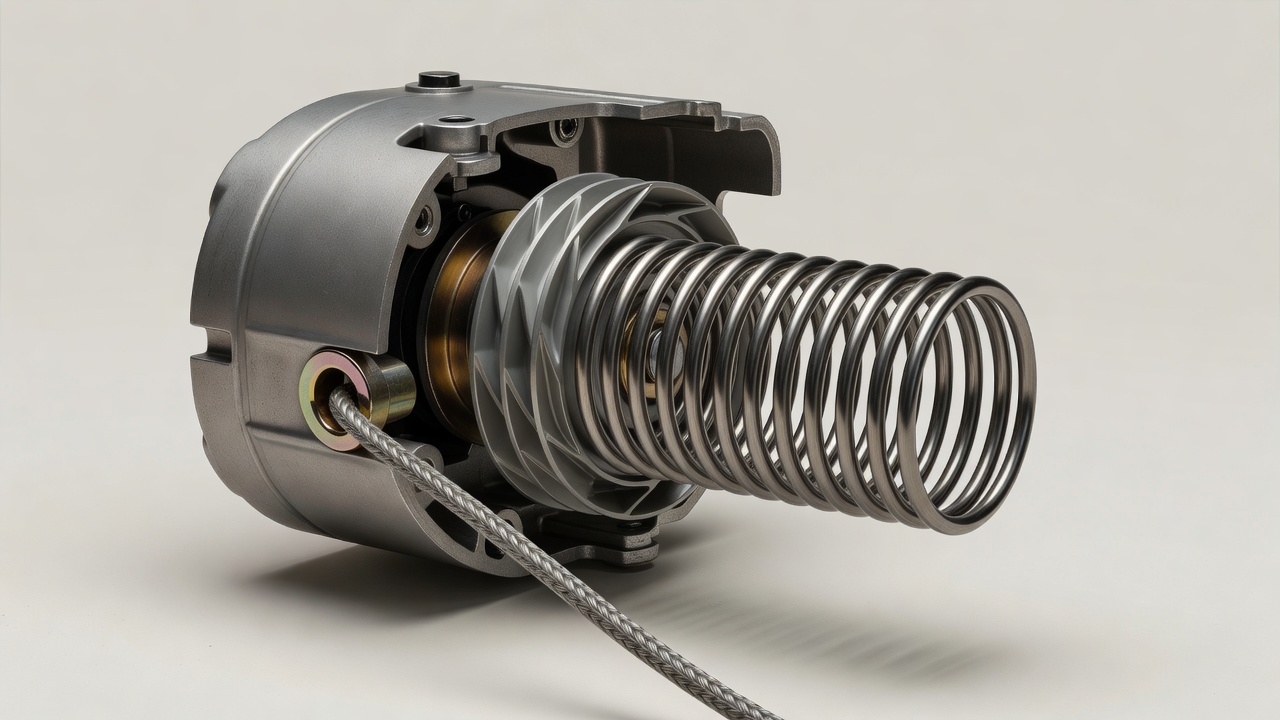
The starter recoil assembly consists of the starter housing, a pulley, a recoil spring, and the rope itself. The recoil spring is designed to store energy, pulling the rope back into the housing once the engine starts. If the rope breaks, it often leaves the spring under tension or fully uncoiled, requiring a careful, methodical approach to re-thread the new cord and reset the tension.
Safety Precautions and Tools Needed
Before beginning any repair, safety is paramount. Always disconnect the spark plug wire to ensure the engine cannot accidentally start while your hands are near the blade or the recoil mechanism. Wear protective eyewear, as recoil springs are under high tension and can snap or release unexpectedly if handled incorrectly.
Essential Tools:
- Socket set or screwdriver set (to remove the starter housing)
- Needle-nose pliers
- Heavy-duty scissors or a utility knife
- A lighter (to heat-seal the ends of the nylon rope)
- Work gloves
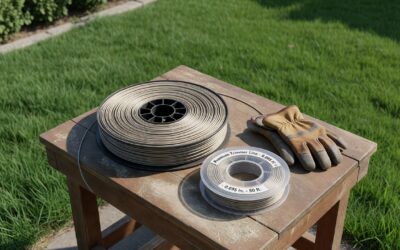
Regarding the replacement rope, you must use the correct diameter and material. While many standard mowers use a specific diameter of starter rope, this varies by model. Consult your owner’s manual for the exact length and diameter specifications. Using a rope that is too thick may cause binding, while one that is too thin may not be durable enough to withstand the stress of starting the engine.
Step-by-Step Guide to Replacing the Pull Cord
Replacing a pull cord requires patience and attention to detail. If you are uncomfortable working with spring-loaded mechanisms, consult a professional technician.
Removing the Starter Housing
Locate the bolts securing the starter housing to the engine block. These are typically located on the top or side of the mower deck. Use your socket set or screwdriver to remove these bolts, taking care to keep track of any spacers or washers. Once the bolts are removed, lift the housing away from the engine. Be mindful of the starter cup on the engine, which connects to the recoil assembly.
Releasing and Managing Recoil Spring Tension
If the rope has snapped, the spring may still have some tension. If the rope is still attached but frayed, pull the remaining rope out fully and secure the pulley so it does not spin. If the spring has uncoiled, you will need to manually wind it according to the tensioning procedure outlined in your specific mower’s manual. Never force the spring; if you feel significant resistance, stop and re-evaluate your orientation.
Installing the New Rope
Remove the old cord from the pulley and the handle. Thread your new rope through the eyelet of the starter housing and then through the hole in the pulley. Tie a secure knot at the end of the rope to prevent it from pulling back through the pulley hole. Once secured, wrap the rope around the pulley in the direction indicated by the spring’s tension. Ensure the rope sits neatly in the grooves of the pulley to avoid tangling.
Reassembly and Testing
Once the rope is wound, feed the end through the handle and tie it off securely. Slowly allow the recoil spring to retract the rope. Reattach the starter housing to the engine, ensuring all bolts are tightened to the manufacturer’s suggested tension. Reconnect the spark plug wire and test the starter handle. The rope should pull smoothly and retract fully without catching.
Troubleshooting and Maintenance Tips
If the new cord does not retract properly, it is often due to the recoil spring being under-wound or the rope being misaligned on the pulley. Ensure the rope is not twisted within the housing. If the cord continues to stick, inspect the guide pulley or the housing eyelet for burrs or debris that may be causing friction.
To prevent future breakage, inspect your pull cord periodically for signs of fraying. If the rope shows visible wear, replace it before it snaps to avoid the more complex process of resetting a fully uncoiled spring. If the recoil spring itself is damaged, or if the pulley housing shows signs of cracking, it is generally recommended to replace the entire recoil starter assembly rather than attempting to repair individual internal components.